Atrofia del nervio óptico en Corea del Sur: las 6 mejores clínicas para su tratamiento


Revisado médicamente por
Fahad Mawlood
¿Cuál es el precio del diagnóstico y los tratamientos de Atrofia del nervio óptico en Corea del Sur? Descubra ahora
Sus beneficios y garantías con Bookimed
Precios directos
Bookimed no añade cargos extra a los precios de los tratamientos de Atrofia del nervio óptico. Las tarifas proceden de las listas de precios oficiales de las clínicas. Pagará directamente en la clínica por su tratamiento a su llegada al país.
Sólo clínicas y médicos verificados
Bookimed está comprometido con su seguridad. Solo trabajamos con las clínicas que mantienen altos estándares internacionales en el tratamiento de Atrofia del nervio óptico y cuentan con las licencias necesarias para atender a pacientes internacionales en todo el mundo.
Asistencia 24/7 gratuita
Bookimed ofrece asistencia experta gratuita. Un coordinador médico personal le apoya antes, durante y después de su tratamiento, resolviendo cualquier problema. Nunca estará solo en su viaje médico de tratamiento de Atrofia del nervio óptico.

Su coordinador médico personal de Bookimed
- Le apoya en cada etapa
- Ayuda a elegir la clínica y el médico adecuados
- Asegura un acceso rápido y conveniente a la información
Descubra las mejores clínicas de tratamiento de Atrofia del nervio óptico en Corea del Sur: 6 opciones verificadas y Precios










Bumin Hospital Seoul




Obtenga una evaluación médica para Atrofia del nervio óptico en Corea del Sur: consulte con doctores experimentados ahora
Ver todos los médicos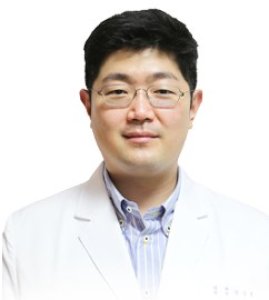
Nam Sanghyu
El Dr. Nam Sanghyu es oftalmólogo certificado en el Centro Médico Asan. Es especialista clínico y profesor clínico. Su práctica se centra en cataratas y presbicia. También trata la córnea y las enfermedades de la superficie ocular, entre ellas el ojo seco, las enfermedades externas del ojo y los problemas de las vías lagrimales. Atiende trastornos de la retina y el glaucoma, incluida la retinopatía diabética y la degeneración macular.
Acreditaciones: Miembro pleno de KOS, KDES, KCDS, K

Хён-мо Ян
Compartir contenido
Historias en video de pacientes de Bookimed
 Olena Sikoza
Preguntas frecuentes sobre el tratamiento de Atrofia del nervio óptico en Corea del Sur
¿Se puede curar la atrofia del nervio óptico en Corea del Sur?
Actualmente no existe una cura definitiva para la atrofia del nervio óptico. La pérdida de visión debida al daño nervioso es generalmente irreversible. Los hospitales terciarios de Corea del Sur se centran en preservar la visión restante. Centros como el Asan Medical Center utilizan diagnósticos de neuro-oftalmología avanzados para tratar las causas subyacentes, como el glaucoma o la inflamación.
- Precisión diagnóstica: Los centros surcoreanos utilizan imágenes digitales para identificar los factores desencadenantes subyacentes.
- Enfoque del tratamiento: Los especialistas priorizan detener un mayor deterioro de la visión mediante medicación o cirugía.
- Investigación innovadora: Los institutos locales investigan sistemas de administración de fármacos para el tratamiento de enfermedades de la retina.
- Estándares clínicos: Las mejores instalaciones mantienen los estándares ISO y del Korean Institute for Healthcare Accreditation (KOIHA).
Perspectiva del experto de Bookimed: El volumen de pacientes indica una gran confianza en la oftalmología surcoreana. El Hospital de la Universidad Nacional de Seúl trata a más de 10.700 pacientes al día. Aunque no existe una cura total, esta escala masiva respalda una especialización más profunda en afecciones neuro-oftálmicas raras. La atención de enfermedades raras incluso es reconocida en centros como RE:YO
¿Qué terapias avanzadas existen en Corea del Sur que van más allá de la medicación estándar para los trastornos del nervio óptico?
Corea del Sur ofrece terapias avanzadas para los trastornos del nervio óptico mediante medicina regenerativa e implantes bioingenieriles. Los tratamientos clave incluyen la infusión arterial de células madre y retinas artificiales biocompatibles. Centros especializados como el SNUBH y el Centro Médico Asan utilizan diagnósticos basados en IA para gestionar casos complejos de atrofia del nervio óptico.
- Medicina regenerativa: La terapia con células madre arteriales tiene como objetivo reparar tejidos y fibras neuronales dañados.
- Implantes bioingenieriles: Placas delgadas biocompatibles pueden reemplazar el tejido retiniano para restaurar la detección de luz.
- Administración controlada de fármacos: Los sistemas de hidrogel liberan inhibidores según los niveles de inflamación ocular para mayor eficiencia.
- Terapia génica: Los ensayos clínicos exploran la entrega de genes funcionales específicamente para restaurar las células ganglionares de la retina.
Perspectiva del experto de Bookimed: Si bien muchos centros ofrecen terapia general con células madre, Re:Youth es la única instalación coreana que ofrece infusión arterial especializada de células madre. Esta técnica se dirige a la barrera hemato-ocular de manera más directa que las inyecciones estándar. Centrarse en métodos de administración tan especializados es esencial para tratar la atrofi
¿Qué hospitales de Seúl están especializados en la atrofia del nervio óptico y aceptan pacientes internacionales?
El Hospital de la Universidad Nacional de Seúl, el Asan Medical Center y el Gangnam Severance Hospital se especializan en el tratamiento de la atrofia del nervio óptico para pacientes internacionales. Estas instituciones acreditadas por la JCI o KOIHA ofrecen métodos de diagnóstico avanzados como la tomografía de coherencia óptica y equipos multidisciplinares de neurooftalmología para detener la progresión de la pérdida de visión.
- Asan Medical Center: Atiende a más de 11.800 pacientes ambulatorios al día utilizando una infraestructura avanzada de oftalmología diagnóstica.
- Gangnam Severance Hospital: Mantiene la acreditación JCI con departamentos especializados de neurología y neurocirugía.
- SNU Bundang Hospital: Utiliza sistemas digitales BESTcare para gestionar casos neurooftalmológicos complejos.
- Diagnóstico especializado: Las instalaciones ofrecen investigaciones oftalmológicas detalladas y consultas con oftalmólogos.
Perspectiva del experto de Bookimed: Mientras que muchos buscan una cura, los hospitales de gran volumen de Seúl, como el Asan Medical Center, se centran en diagnósticos de precisión para identificar las causas subyacentes. Con más de 65.000 operaciones anuales, estos centros destacan en la gestión de la progresión a través de la neurooftalmología en lugar de la atención ocular general.
Consenso de los pac