Tratamiento de Atrofia del nervio óptico en España — obtenga 3 coincidencias personalizadas de clínicas


Revisado médicamente por
Fahad Mawlood
Cómo funciona
¿Cuál es el precio del diagnóstico y los tratamientos de Atrofia del nervio óptico en España? Descubra ahora
Descubra las mejores clínicas de tratamiento de Atrofia del nervio óptico en España: 5 opciones verificadas y Precios







Hospital Sant Joan de Déu Barcelona







Obtenga una evaluación médica para Atrofia del nervio óptico en España: consulte con doctores experimentados ahora
Ver todos los médicos
Ferran Mascaró Zamora
El Dr. Ferran Mascaró Zamora es jefe de oftalmología en Centro Médico Teknon en Barcelona. Se especializa en cirugía de cristalino, cirugía refractiva y cirugía orbitaria compleja. El Dr. Mascaró Zamora es un experto reconocido en oculoplastia y procedimientos de conducto lagrimal. Obtuvo su doctorado en la Universidad Autónoma de Barcelona con honores.
- Dirige el Departamento de Órbita y Oculoplastia en Teknon.
- Especialista acreditado en tumores orbitarios y cirugía de desc
Compartir contenido
Historias en video de pacientes de Bookimed
 Olena Sikoza
Preguntas frecuentes sobre el tratamiento de Atrofia del nervio óptico en España
¿Cuáles son las principales opciones de tratamiento para la atrofia del nervio óptico disponibles en España?
El tratamiento de la atrofia del nervio óptico en España se centra en la neuroprotección y el manejo de las causas subyacentes para detener la pérdida de visión. Los centros especializados utilizan microcirugía avanzada para la descompresión y el control de la presión intraocular. Los pacientes acceden a programas neurooftalmológicos que brindan manejo médico, estimulación eléctrica e innovadores implantes cerebrales en la corteza visual en entornos de investigación.
- Manejo de la causa: Los especialistas tratan el glaucoma, los tumores o la inflamación para prevenir una mayor muerte de las fibras nerviosas.
- Terapia neuroprotectora: Los regímenes farmacológicos incluyen vasodilatadores y antioxidantes para apoyar el metabolismo de las células nerviosas restantes.
- Tecnología Eyetronic: Los pulsos eléctricos no invasivos ayudan a activar las células retinianas inactivas para estabilizar el campo visual.
- Implantes neurales: Las instituciones de investigación españolas desarrollan implantes corticales que evitan los nervios dañados para restaurar las formas.
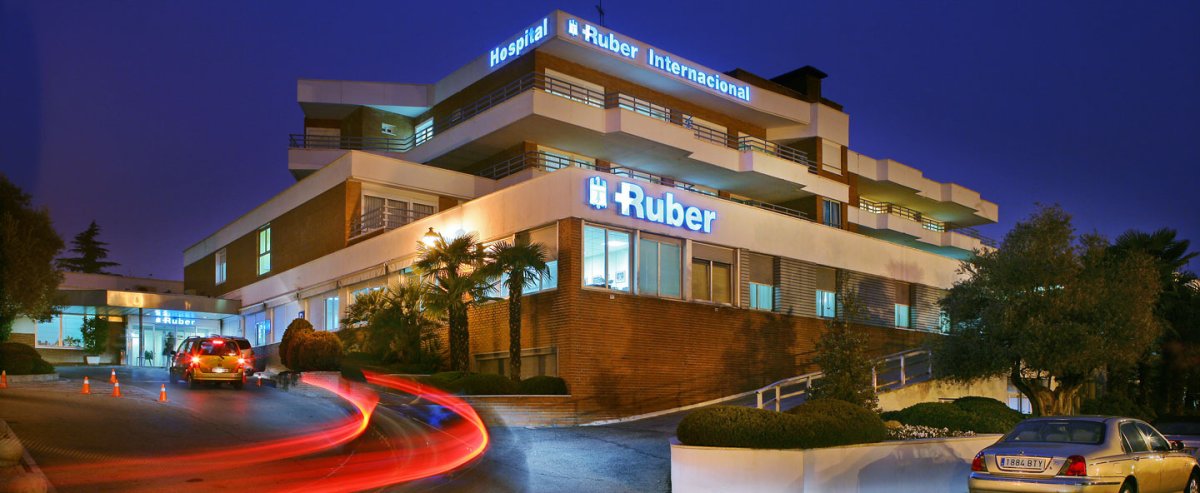
Perspectiva del experto de Bookimed: La atención médica española está organizada de manera única en torno a grandes centros acreditados por la JCI como el Centro Médico Teknon o el Hospital Ruber Internacional. Estos centros combinan departamentos de neurocirugía y oftalmología bajo un m
¿Se ofrece actualmente la terapia con células madre para la atrofia del nervio óptico en las clínicas españolas?
La terapia con células madre para la atrofia del nervio óptico no está disponible actualmente como tratamiento estándar en las clínicas españolas. Aunque España es líder en medicina regenerativa, los marcos regulatorios limitan estas terapias a ensayos clínicos oficiales. La atención estándar se centra en el manejo de las causas subyacentes mediante diagnósticos avanzados en centros acreditados.
- Estatus regulatorio: La EMA restringe el uso de células madre a la investigación clínica autorizada y altamente regulada.
- Procedimientos estándar: Las clínicas españolas solo realizan rutinariamente procedimientos con células madre para la regeneración corneal.
- Ensayos clínicos: Los estudios experimentales del nervio óptico se llevan a cabo en centros como el Hospital Virgen de la Arrixaca.
- Atención convencional: Instituciones como el Centro Médico Teknon utilizan mapeo diagnóstico avanzado para el daño nervioso.
Opinión del experto de Bookimed: El sistema sanitario español mantiene estándares rigurosos, con 83 clínicas que a menudo poseen certificaciones JCI e ISO. Aunque centros de alto perfil como el Centro Médico Teknon utilizan terapia avanzada con células madre para la recuperación de traumas, no la ofrecen para la restauración de la visión. Los pacientes deben priorizar las clínicas con estas acreditaciones globales específicas sobre aque
¿Qué ciudades o clínicas en España ofrecen terapia avanzada para la atrofia del nervio óptico?
Barcelona y Pamplona son los principales centros españoles para la atención avanzada de la atrofia del nervio óptico. Estas ciudades albergan centros acreditados por la JCI que ofrecen neurooftalmología y medicina molecular especializadas. Las clínicas principales incluyen el Centro Médico Teknon, el SJD Barcelona Children's Hospital y la Clínica Universidad de Navarra, que se centran en la neuroprotección y la precisión diagnóstica.
- Diagnóstico especializado: Las imágenes de OCT y resonancia magnética de alta definición mapean con precisión las vías nerviosas.
- Experiencia pediátrica: El SJD Barcelona Children's Hospital opera un Laboratorio de Medicina Molecular dedicado.
- Investigación regenerativa: Instituciones como el Centro Médico Teknon exploran terapias con células madre para traumatismos.
- Integración académica: La Clínica Universidad de Navarra utiliza un equipo multidisciplinario de neurooftalmología.
- Preservación de la visión: Los protocolos se centran en detener la degeneración mediante estrategias biológicas neuroprotectoras avanzadas.
Perspectiva del experto de Bookimed: Los centros médicos españoles como la Clínica Universidad de Navarra y el Centro Médico Teknon gestionan volúmenes de pacientes extremadamente altos, superando los 100.000 casos anuales. Esta escala les permite mantener los estánda
¿Qué tan pronto se puede esperar una mejora visual después de una terapia con células madre?
La mejora visual después de una terapia con células madre generalmente comienza dentro de 1 a 3 meses. Los cambios más sustanciales ocurren entre los 6 y 12 meses posteriores al procedimiento. Este proceso regenerativo requiere tiempo para integrar las células y reconstruir los tejidos oculares dañados. La consolidación a largo plazo puede continuar durante 18 meses.
- Fase de curación temprana: La inflamación o la visión borrosa suelen desaparecer en un plazo de 1 a 4 semanas.
- Ventana de reparación de tejidos: A menudo aparecen signos claros de progreso hacia el tercer mes.
- Estabilización máxima: La agudeza visual mejor corregida suele alcanzar una mejora significativa a los 12 meses.
- Indicadores de regeneración: Los cambios tempranos implican una mayor sensibilidad al contraste o campos visuales expandidos.
Perspectiva de expertos de Bookimed: España es un centro de medicina regenerativa especializada. Clínicas como el Centro Médico Teknon tratan a personalidades de alto perfil y atletas profesionales. Su experiencia con terapias biológicas sugiere que las clínicas que gestionan más de 10,000 pacientes al año ofrecen los protocolos más refinados. Este alto volumen a menudo conduce a un seguimiento de la recuperación mejor estandarizado para afecciones neurológicas.
Consenso de los pacientes: Los pacientes señalan
¿Cuál es la tasa de éxito esperada y el rango de resultados para los pacientes que reciben terapia con células madre?
Las tasas de éxito de la terapia con células madre varían significativamente según la condición médica y el objetivo del tratamiento. Los trasplantes de células madre hematopoyéticas para cánceres de la sangre reportan una tasa de supervivencia a 5 años del 40% al 70%. Los procedimientos ortopédicos regenerativos muestran una mejora de los síntomas en el 70% al 85% de los pacientes dentro de los 12 meses posteriores al tratamiento.
- Resultados en oncología: Los pacientes con leucemia mieloide aguda reportan una tasa de supervivencia a largo plazo promedio del 65%.
- Éxito en ortopedia: La reparación articular degenerativa muestra aproximadamente un 80% de resultados positivos para el dolor crónico.
- Progreso neurológico: Los protocolos avanzados para la esclerosis múltiple reportan una tasa de éxito del 60% en la estabilización.
- Impacto de la condición: Las intervenciones en etapas tempranas producen entre un 20% y un 30% más de éxito que las medidas de último recurso.
Perspectiva de expertos de Bookimed: Las clínicas españolas como el Centro Médico Teknon se centran en la atención especializada de alto volumen para atletas de élite. Si bien el éxito en los casos del nervio óptico es experimental, estos centros destacan en la recuperación de traumatismos mediante el uso de células mesenquimales. Elegir un centro con acreditación JCI garanti
¿Es segura la terapia con células madre para la atrofia del nervio óptico cuando se realiza en España?
La terapia con células madre para la atrofia del nervio óptico en España es segura cuando se realiza dentro de ensayos clínicos aprobados. Los centros españoles siguen las estrictas regulaciones de la Unión Europea para medicamentos de terapia avanzada. Los centros se someten a rigurosas inspecciones para garantizar que los procedimientos cumplan con altos estándares médicos y éticos.
- Cumplimiento normativo: España sigue los estándares de la Agencia Europea de Medicamentos (EMA) para la seguridad celular.
- Centros acreditados: Clínicas como el Centro Médico Teknon cuentan con la acreditación de la Joint Commission International (JCI).
- Supervisión clínica: Los tratamientos se realizan dentro de ensayos de investigación autorizados de fase 1 o fase 2.
- Especialistas cualificados: Los procedimientos requieren que neurooftalmólogos supervisen la presión intraocular y la salud del nervio.
Opinión experta de Bookimed: España atrae a pacientes porque centros de primer nivel como el Centro Médico Teknon integran la investigación con células madre en departamentos establecidos. Esta clínica atiende a más de 10.000 pacientes al año y brinda apoyo médico oficial a atletas de élite. Nuestros datos muestran que los centros de alto volumen con acreditación JCI utilizan protocolos estandarizados para minimizar los riesgos durante los tratamientos experi
¿Quién es un buen candidato para la terapia regenerativa en España?
Los candidatos ideales para la terapia regenerativa en España incluyen personas con afecciones degenerativas de leves a moderadas o lesiones deportivas. España regula estrictamente las terapias avanzadas a través de la Agencia Española de Medicamentos y Productos Sanitarios. La elegibilidad depende de la salud celular y la ausencia de infecciones activas o tumores.
- Salud ocular: Los pacientes con atrofia del nervio óptico requieren exámenes oftalmológicos básicos.
- Etapa de la afección: Los candidatos ideales presentan una degeneración en etapa temprana en lugar de una pérdida tisular completa.
- Función orgánica: Los candidatos deben demostrar una función cardíaca, pulmonar y renal estable por seguridad.
- Estatus regulatorio: La elegibilidad a menudo depende de la participación en ensayos clínicos autorizados para afecciones neurológicas.
Perspectiva del experto de Bookimed: La infraestructura médica de España ofrece una ventaja única para casos pediátricos y recuperaciones complejas. El Hospital Infantil SJD de Barcelona atiende a más de 450.000 pacientes al año, ofreciendo vías regenerativas especializadas para menores. Mientras tanto, el Centro Médico Teknon utiliza protocolos avanzados incluso para atletas de élite del FC Barcelona. Los pacientes deben buscar instalaciones acreditadas por la JCI como la Clínica Universidad de Navarra,