Tratamiento de Atrofia del nervio óptico en Israel — obtenga 3 coincidencias personalizadas de clínicas


Revisado médicamente por
Fahad Mawlood
Cómo funciona
¿Cuál es el precio del diagnóstico y los tratamientos de Atrofia del nervio óptico en Israel? Descubra ahora
Descubra las mejores clínicas de tratamiento de Atrofia del nervio óptico en Israel: 4 opciones verificadas y Precios







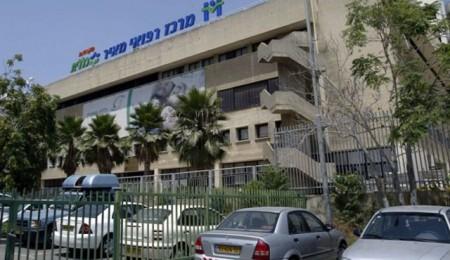
Meir Medical Center

Kaplan Medical Center
Compartir contenido
Historias en video de pacientes de Bookimed
 Olena Sikoza
Preguntas frecuentes sobre el tratamiento de Atrofia del nervio óptico en Israel
¿Qué terapias están disponibles en Israel para la atrofia del nervio óptico?
Las terapias israelíes para la atrofia del nervio óptico se centran en preservar la visión existente mediante la neuroprotección y la investigación regenerativa. El tratamiento incluye trasplante de células madre autólogas, entrenamiento cerebral RevitalVision y productos farmacéuticos especializados. Los centros acreditados por la JCI, como el Sourasky Medical Center, ofrecen diagnósticos multidisciplinarios para identificar las causas subyacentes del daño nervioso.
- Medicina regenerativa: Las células madre de médula ósea autóloga tienen como objetivo estimular la reparación de las fibras nerviosas.
- Neuroprotección: La tecnología RevitalVision, aprobada por la FDA, entrena la corteza visual para mejorar el procesamiento de imágenes.
- Productos farmacéuticos dirigidos: Ensayos clínicos en instituciones como Sheba investigan nanofármacos para la restauración nerviosa.
- Terapia conservadora: Los vasodilatadores y la electroestimulación ayudan a mejorar la circulación sanguínea y a ralentizar los procesos atróficos.
Perspectiva del experto de Bookimed: Aunque muchos buscan una clínica única, la verdadera ventaja en Israel es la integración con la investigación académica. Centros como el Kaplan Medical Center mantienen sus propias instalaciones de recolección de médula ósea. Esta infraestructura respalda terapias celulares personalizadas que a
¿Se considera segura la terapia celular para la atrofia óptica en Israel?
La terapia celular para la atrofia óptica en Israel se considera segura dentro de los ensayos clínicos autorizados. Instituciones como el Hadassah Medical Center lideran la investigación con perfiles de seguridad favorables. Aunque no es una práctica estándar, las regulaciones israelíes garantizan una supervisión estricta. Los primeros ensayos reportan altas tasas de supervivencia sin eventos adversos graves.
- Supervisión regulatoria: El Comité de Helsinki y los consejos asesores aprueban todos los protocolos experimentales.
- Éxito de los ensayos: Los centros israelíes no reportan complicaciones graves en los primeros ensayos regenerativos.
- Límites del tratamiento: La terapia suele ser ineficaz una vez que los axones del nervio óptico han muerto.
- Efectos secundarios comunes: Los pacientes pueden experimentar visión borrosa temporal o molestias leves después del procedimiento.
Perspectiva del experto de Bookimed: Los centros médicos israelíes ofrecen una ventaja de seguridad única a través de su escala institucional. El Sourasky Medical Center trata a 1.800.000 pacientes al año y emplea a 2.200 médicos. Este alto volumen en 240 departamentos garantiza que los pacientes de terapia celular experimental tengan acceso inmediato a atención de emergencia multidisciplinaria si ocurren complicaciones.
Consenso de los pacientes:
¿Cuánto tiempo deben planificar los turistas médicos para una terapia del nervio óptico?
Los turistas médicos deben planificar una estancia de 7 a 14 días en Israel para la terapia del nervio óptico. Este periodo cubre las consultas de diagnóstico, el procedimiento específico y el seguimiento esencial. Los pacientes que se someten a protocolos regenerativos o cirugía a menudo requieren este plazo para garantizar la estabilidad de la presión antes de viajar en avión.
- Fase de diagnóstico: Reserve de 2 a 3 días para investigaciones oftalmológicas.
- Estancia hospitalaria: Espere de 1 a 2 noches para inyecciones o seguimiento quirúrgico.
- Observación clínica: Permanezca 7 días para controlar la presión ocular y las zonas quirúrgicas.
- Seguridad en el vuelo: Retrase el embarque de 10 a 14 días para evitar riesgos atmosféricos.
Opinión de expertos de Bookimed: Aunque grandes centros como el Sourasky Medical Center en Tel Aviv tratan a más de 1.800.000 pacientes al año, la rapidez no es el objetivo en el cuidado ocular. La minuciosidad diagnóstica es aquí la señal de calidad. Si una clínica ofrece terapia el mismo día sin investigaciones preliminares como una consulta oftalmológica detallada, puede carecer del rigor acreditado por la JCI que se encuentra en las mejores instalaciones multidisciplinarias de Israel.
Consenso de los pacientes: Los pacientes enfatizan la necesidad de un margen de 2 semanas. El contr
¿Cuál es el resultado realista de agudeza visual después de una terapia israelí?
La terapia neuronal israelí logra típicamente una mejora de dos a 2,5 líneas en una tabla optométrica estándar. Esta tasa de éxito del 85% se aplica específicamente a tecnologías como RevitalVision. Agudiza el procesamiento entre el cerebro y el ojo para compensar los déficits visuales causados por condiciones como la atrofia del nervio óptico.
- Ganancia de visión: Los pacientes logran una mejora promedio de 2,5 líneas en las tablas de agudeza visual.
- Escala funcional: Cada línea de la tabla representa aproximadamente un aumento del 10% en la visión funcional.
- Tasa de éxito: Los datos clínicos indican una previsibilidad del 85% para las mejoras en el procesamiento neuronal.
- Resultados refractivos: Las alternativas quirúrgicas en Israel logran una visión de 20/20 en hasta el 100% de los casos.
Perspectiva del experto de Bookimed: Las señales de calidad de la atención oftalmológica israelí aparecen en las clasificaciones de las instalaciones más que solo en el volumen. El Sourasky Medical Center, acreditado por la JCI, recibe 1,8 millones de visitas de pacientes al año y ocupa los primeros puestos a nivel mundial. Esta densidad clínica permite a los médicos perfeccionar protocolos de alta precisión para la pérdida de visión compleja relacionada con los nervios.
Consenso de los pacientes: Los pacientes señalan que la
¿Quién es un candidato adecuado para la terapia celular para la atrofia óptica en Israel?
Los candidatos para la terapia celular de atrofia óptica en Israel deben poseer una función visual residual. Las personas elegibles suelen presentar una mejor agudeza visual corregida de 20/40 o peor. Los candidatos deben mostrar evidencia documentada de fibras nerviosas restantes. Esta terapia se dirige a daños por glaucoma, isquemia o trauma dentro de instalaciones acreditadas por la JCI.
- Estado visual: Se requiere pérdida de visión parcial para la reparación del tejido neural.
- Estabilidad médica: La presión intraocular debe estar estable durante al menos 3 meses.
- Rango de edad: La mayoría de los protocolos clínicos para adultos se dirigen a pacientes de 18 a 78 años.
- Criterios de exclusión: Pacientes con ceguera total o ausencia de percepción de luz.
Perspectiva del experto de Bookimed: Los centros multidisciplinarios israelíes como Sourasky (Ichilov) atienden a más de 400.000 pacientes al año. Priorizan los casos donde la imagen digital de alta resolución confirma células ganglionares viables. Nuestros datos sugieren que los pacientes se benefician más cuando la investigación oftalmológica ocurre en centros académicos. Estas instalaciones a menudo lideran la investigación científica sobre la regeneración nerviosa. El cribado generalmente implica escaneos OCT avanzados para verificar las capas de fibras nerviosas tratables.
¿El tratamiento requiere incisiones o anestesia general?
Los tratamientos estándar para la atrofia del nervio óptico en Israel generalmente no requieren incisiones quirúrgicas ni anestesia general. La mayoría de los protocolos implican exámenes de diagnóstico no invasivos y terapias localizadas. Procedimientos como las inyecciones intravítreas o las infusiones de células madre suelen utilizar agentes anestésicos locales mientras el paciente permanece totalmente despierto.
- Tipo de anestesia: Los proveedores suelen utilizar gotas o inyecciones anestésicas locales para los procedimientos ambulatorios.
- Requisitos de incisión: Las técnicas modernas subtenonianas o intravítreas no requieren cortes quirúrgicos ni suturas.
- Duración del tratamiento: La mayoría de las inyecciones terapéuticas duran menos de 30 minutos en un entorno clínico estándar.
- Periodo de recuperación: Los pacientes a menudo reanudan sus actividades normales inmediatamente después del tratamiento localizado o la infusión intravenosa.
Perspectiva del experto de Bookimed: Los centros israelíes como el Sourasky Medical Center mantienen altos rankings de especialidad porque priorizan la investigación neurooftalmológica sobre la cirugía invasiva. Los datos muestran que estas instalaciones atienden a más de 1,8 millones de pacientes al año utilizando imágenes digitales avanzadas. Debido a que el nervio óptico es extremadamente delicado,
¿Por qué Israel es uno de los principales destinos para la neurocirugía?
Israel es un centro líder en neurocirugía gracias a su combinación de avances médicos de alta tecnología y una experiencia quirúrgica de primer nivel. Instalaciones avanzadas como el Centro Médico Sheba utilizan sistemas de navegación basados en IA y resonancia magnética intraoperatoria en tiempo real. Centros especializados reportan una tasa de éxito del 98% en procedimientos complejos, como la craneotomía con el paciente despierto y el tratamiento de trastornos del movimiento.
- Tecnología avanzada: Las clínicas utilizan ultrasonido enfocado guiado por resonancia magnética (MRgFUS) y sistemas robóticos para realizar incisiones.
- Experiencia quirúrgica: Cirujanos como el Dr. Zvi Ram lideran asociaciones internacionales con más de 25 años de experiencia.
- Acceso rápido: Los pacientes internacionales generalmente pueden programar cirugías complejas de cerebro o columna en un plazo de 2 a 4 semanas.
- Atención médica acreditada: Grandes centros como Sourasky (Ichilov) y Assuta están acreditados por la JCI, lo que confirma su seguridad.
Opinión experta de Bookimed: Los datos muestran una clara diferencia entre las opciones de tratamiento públicas y privadas en Israel. Centros privados, como el Centro Médico Assuta, realizan más de 92.000 cirugías al año y permiten a los pacientes elegir a un cirujano líder específico. Esto supone una ventaja signi
¿Qué tipos de enfermedades neuroquirúrgicas se tratan en Israel?
Los neurocirujanos israelíes tratan una amplia gama de afecciones, desde tumores cerebrales y de médula espinal hasta trastornos funcionales complejos. Los centros especializados utilizan tecnologías de vanguardia, como el bisturí de rayos gamma, la estimulación cerebral profunda y la resonancia magnética intraoperatoria, para un diagnóstico altamente preciso de la epilepsia, la enfermedad de Parkinson y las patologías cerebrovasculares.
- Enfermedades oncológicas: tratamiento de gliomas, meningiomas y tumores hipofisarios mediante resección de la base del cráneo.
- Trastornos funcionales: tratamiento de la enfermedad de Parkinson y del temblor esencial mediante estimulación cerebral profunda.
- Patologías de columna: corrección de escoliosis, hernias discales y tumores espinales mediante sistemas robóticos.
- Tratamiento de las enfermedades cerebrovasculares: tratamiento quirúrgico de aneurismas cerebrales y malformaciones arteriovenosas mediante intervenciones endovasculares.
- Neurocirugía pediátrica: atención especializada en hidrocefalia y anomalías congénitas en centros pediátricos especializados.
Opinión experta de Bookimed: Los hospitales israelíes suelen combinar diversas especialidades para abordar casos complejos. En el Centro Médico Sourasky, neurocirujanos como el Dr. Zvi Lidar combinan neurocirugía y ortopedi
¿Qué hospitales en Israel son más conocidos por sus departamentos de neurocirugía?
Israel alberga centros neuroquirúrgicos de renombre mundial, como el Centro Médico Sourasky, el Centro Médico Sheba y el Centro Médico Hadassah. Estas instituciones son líderes mundiales en el tratamiento de tumores cerebrales complejos, enfermedades de la columna vertebral y trastornos del movimiento. Utilizan tecnologías de vanguardia como el bisturí de rayos gamma, sistemas robóticos y resonancia magnética intraoperatoria.
- Suraski (Ichilov): realiza más de 2.500 operaciones neuroquirúrgicas al año en Tel Aviv con una tasa de éxito del 98%.
- Centro Médico Sheba: clasificado entre los diez mejores hospitales del mundo, trata a 1,9 millones de pacientes al año.
- Centro Médico Hadassah: Nominado al Premio Nobel de la Paz. Líder en neurocirugía pediátrica y terapia génica.
- Centro Médico Assuta: el centro médico privado más grande de Israel. Especializado en cirugías mínimamente invasivas de columna y cerebro.
- Hospital Infantil Schneider: un centro líder en neurocirugía pediátrica que trata a 275.000 niños al año.
Opinión experta de Bookimed: Nuestros datos muestran que, si bien la mayoría de los pacientes buscan tratamiento en Tel Aviv, el Centro Médico Rambam en Haifa ofrece una atención única para neurotraumatismos. Cuenta con una unidad especializada en cuidados neurocríticos que atiende a aproximadamente un milló
¿Quiénes son los principales neurocirujanos en Israel?
Entre los neurocirujanos israelíes más destacados se encuentran los profesores Zvi Ram, Shlomi Constantini e Itzhak Fried, del Centro Médico Sourasky. Estos especialistas ocupan puestos de liderazgo en la Asociación Europea de Sociedades de Neurocirugía (EANS) y la Sociedad Mundial de Neurocirugía Estereotáctica y Funcional (WSSFN). Utilizan técnicas avanzadas de mapeo intraoperatorio y sistemas robóticos.
- Profesor Zvi Ram: experto en cirugía mínimamente invasiva de tumores cerebrales y terapia genética para el cáncer.
- Profesor Shlomi Constantini: Se especializa en procedimientos neuroendoscópicos pediátricos complejos y microcirugía para tumores cerebrales.
- Profesor Itzhak Fried: una autoridad en cirugía de epilepsia, mapeo cerebral funcional y estimulación cerebral profunda.
- Dr. Eli Ashkenazi: Cirujano ortopédico líder en el Hospital Assuta, especializado en el innovador sistema TOPS.
Opinión de los expertos de Bookimed: Los datos de Sourasky y Sheba indican una fuerte correlación entre un alto volumen quirúrgico y la seguridad del paciente. Por ejemplo, Sourasky realiza más de 34.000 cirugías oncológicas al año con una tasa de éxito del 90 %. Los pacientes que requieren la extirpación de un tumor complejo deberían priorizar centros como estos, donde los cirujanos realizan cientos de procedimientos especializados al año.