Tratamiento de Linfoma de Burkitt en Turquía — obtenga 3 coincidencias personalizadas de clínicas


Revisado médicamente por
Fahad Mawlood
Cómo funciona
¿Cuál es el precio del diagnóstico y los tratamientos de Linfoma de Burkitt en Turquía? Descubra ahora
El costo del tratamiento del linfoma de Burkitt en Turquía varía según el plan de tratamiento y los procedimientos requeridos. Las tarifas de consulta inicial oscilan entre 95 € y 170 €, mientras que las exploraciones PET CT tienen un precio entre 620 € y 670 €. Los costos de biopsia y aspiración de médula ósea comienzan en 1.900 €, y las sesiones de quimioterapia pueden variar de 4.750 € a 22.800 € por curso. El plan de tratamiento se personaliza tras una evaluación por parte de profesionales médicos.
Descubra las mejores clínicas de tratamiento de Linfoma de Burkitt en Turquía: 20 opciones verificadas y Precios



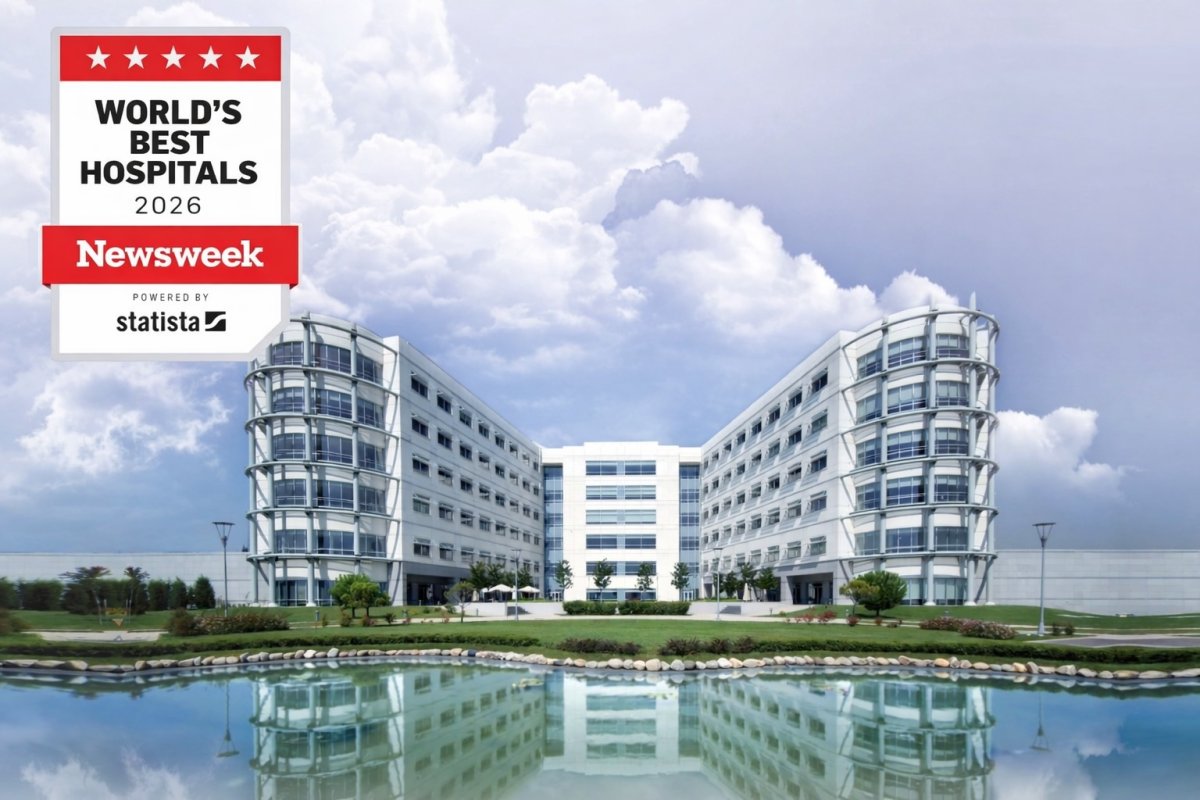
Centro médico Anadolu
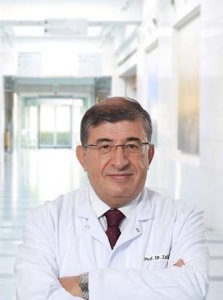
Zafer Gulbas




Memorial Ankara Hospital
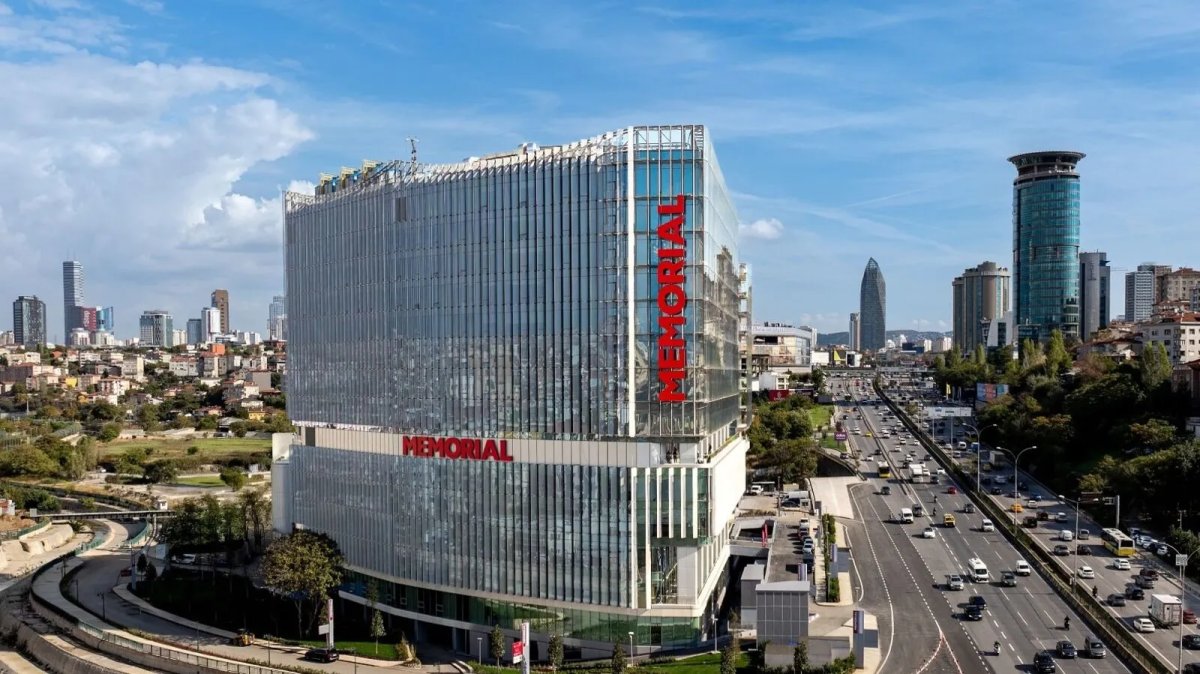
Memorial Göztepe Hospital


Obtenga una evaluación médica de tratamiento de Linfoma de Burkitt en Turquía: haga una consulta con 23 médicos experimentados ahora
Ver todos los médicosZafer Gulbas
El Prof. Zafer Gulbaş es un destacado especialista en linfomas en Turquía, que ha realizado personalmente más de 900 trasplantes de médula ósea para cánceres hematológicos como el linfoma de Burkitt.
- Fundó y dirige el Centro de Trasplante de Médula Ósea en el Anadolu Medical Center
- Formado en centros oncológicos líderes a nivel mundial, incluido el MD Anderson en EE. UU.
- Profesor y director de oncología médica con 49 años de experiencia
- Aporta experiencia específica directamente del University of Texas MD Anderson Cancer Center
- Centra su práctica como oncólogo médico y especialista en hematología

Omur Gokmen Sevindik
El Dr. Sevindik se formó en la Clínica Mayo y ha tratado el linfoma de Burkitt en los mejores hospitales de Turquía y EE. UU.
- Certificado en hematología con más de _doctor_8431_ años de experiencia
- Ha publicado 18 artículos en revistas internacionales revisadas por pares
- Especializado en tratamientos de linfoma agresivo
- Actualmente ejerce en el Hospital Istanbul Florence Nightingale

Bulent Eser
El profesor Bulent Eser se especializa en hematología con enfoque en el linfoma de Burkitt en el complejo hospitalario Medical Park Antalya.
- Más de _doctor_9528_años_ de experiencia en hematología y medicina interna
- Miembro del Grupo Europeo de Trasplante de Sangre y Médula Ósea
- Profesor en la Facultad de Medicina de la Universidad Erciyes
- Miembro activo de la Sociedad Turca de Hematología

Savas Kansoy
El Prof. Savash Kansoy fundó la primera unidad de trasplante de médula ósea pediátrica de Turquía y cuenta con 48 años de experiencia en oncología pediátrica.
- Subespecializado en hematología y oncología pediátrica en la Facultad de Medicina de la UE
- Fundador de cuatro unidades de trasplante de médula ósea pediátrica en Turquía
- Investigador galardonado con múltiples publicaciones en hematología
- Miembro de la junta de la Sociedad Turca de Hematología Pediátrica
- Unidad acreditada por el Grupo Europeo de Trasplante de Médula Ósea (EBMT)
Reseñas
Todas las reseñas
Compartir contenido
Historias en video de pacientes de Bookimed
 Olena Sikoza
Preguntas frecuentes sobre el tratamiento de Linfoma de Burkitt en Turquía
¿Por qué Turquía se considera un buen destino para el tratamiento del linfoma de Burkitt?
Turquía es un destino líder para el linfoma de Burkitt debido al acceso inmediato a quimioterapia intensiva y trasplantes de médula ósea. Los centros acreditados por la JCI siguen los protocolos de Johns Hopkins, garantizando altos estándares de seguridad. Oncohematólogos especializados gestionan los casos agresivos rápidamente, lo cual es vital para este cáncer de rápido crecimiento.
- Hematólogos expertos: El Dr. Zafer Gulbas ha realizado más de 3.000 trasplantes de médula ósea exitosos.
- Velocidad de tratamiento: Los hospitales privados turcos facilitan la admisión inmediata, evitando las largas listas de espera de la sanidad pública.
- Diagnóstico avanzado: Las instalaciones utilizan PET-CT digital y citometría de flujo para la confirmación precisa del linaje de Burkitt.
- Instalaciones acreditadas: Los principales centros como el Anadolu Medical Center poseen certificaciones globales de la OECI y la JCI.
Perspectiva de los expertos de Bookimed: Nuestros datos muestran una ventaja importante en los paquetes de trasplante con todo incluido en Turquía. Lugares como el Anadolu Medical Center incluyen 110 días de atención ambulatoria postrasplante en el precio. Esto es raro y proporciona una red de seguridad significativa durante la fase crítica de recuperación después de un tratamiento agresivo para el linfoma.
Consenso de los
¿Cuáles son los principales métodos de tratamiento ofrecidos para el linfoma de Burkitt en Turquía?
Turquía ofrece protocolos de quimioterapia intensiva, inmunoterapia dirigida y trasplante avanzado de células madre para el linfoma de Burkitt. Equipos multidisciplinarios en centros acreditados por la JCI en Estambul y Ankara gestionan estos tratamientos de acción rápida. Los protocolos clave incluyen regímenes BFM o Murphy, a menudo combinados con anticuerpos monoclonales para mejorar los resultados.
- Quimioterapia intensiva: Las combinaciones de fármacos cíclicos de alta dosis abordan la naturaleza de rápido crecimiento de los linfomas agresivos de células B.
- Inmunoterapia dirigida: Los médicos suelen añadir Rituximab a la quimioterapia estándar para aumentar las tasas de supervivencia general.
- Profilaxis del SNC: Las inyecciones intratecales suministran medicación directamente en el líquido espinal para prevenir la afectación cerebral.
- Trasplante de células madre: Los trasplantes autólogos y alogénicos están disponibles para casos de recaída o pacientes de alto riesgo.
Perspectiva del experto de Bookimed: Los centros de hematología turcos a menudo incluyen la recuperación a largo plazo en sus paquetes de trasplante. Por ejemplo, Anadolu Medical Center ofrece 110 días de atención ambulatoria posterior al trasplante. Esto es crucial porque la recuperación de protocolos agresivos de Burkitt requiere meses de monitoreo especializado. Ele
¿Tratan los mejores hospitales de Turquía el linfoma de Burkitt pediátrico?
Los mejores hospitales de Turquía acreditados por la JCI ofrecen tratamiento especializado para el linfoma de Burkitt pediátrico. Centros como Anadolu Medical Center y Memorial Sisli utilizan quimioterapia intensiva y trasplantes de médula ósea. Las instalaciones a menudo inician el tratamiento dentro de los 7 días. Esta respuesta rápida es vital para esta neoplasia agresiva.
- Experiencia especializada: El Prof. Savas Kansoy dirige las unidades de oncología pediátrica y médula ósea.
- Trasplantes avanzados: El Prof. Zafer Gulbas ha realizado más de 3,000 trasplantes exitosos.
- Precisión diagnóstica: Los centros utilizan tomografía computarizada de 256 cortes y biopsias de ganglios linfáticos centinela.
- Protocolos clínicos: Anadolu Medical Center sigue los protocolos de tratamiento establecidos por el Johns Hopkins Hospital.
Perspectiva del experto de Bookimed: El éxito en el tratamiento del linfoma de Burkitt pediátrico depende del volumen de procedimientos de células madre del centro. Anadolu Medical Center informa una tasa de éxito del 81% para trasplantes autólogos. También ofrecen paquetes integrales que cubren 110 días de atención de seguimiento. Este monitoreo a largo plazo es esencial para gestionar la recuperación después de una quimioterapia intensiva.
Consenso de los pacientes: Las familias enfatizan que el
¿Necesito una visa o arreglos de viaje especiales para el tratamiento?
La mayoría de los pacientes internacionales requieren una visa electrónica turca o una visa médica para el tratamiento del linfoma de Burkitt. Las clínicas turcas facilitan el viaje proporcionando cartas de invitación médica oficiales para las solicitudes de visa. Los paquetes de oncología estándar incluyen con frecuencia traslados VIP del aeropuerto a la clínica y asistencia lingüística para garantizar una logística y comunicación sin problemas.
- Logística de viaje: Los traslados VIP aeropuerto-clínica-hospital generalmente se incluyen en los paquetes de hematología.
- Apoyo lingüístico: Los centros acreditados por JCI como el Hospital Hisar ofrecen servicios de traducción profesional.
- Documentación de visa: Los hospitales emiten cartas de tratamiento formales para justificar las estancias médicas prolongadas.
- Flexibilidad de alojamiento: Los paquetes a menudo incluyen de 30 a 90 días de estancia en hotel para la recuperación.
Perspectiva de expertos de Bookimed: Un diferenciador importante en la oncología turca es la inclusión de alojamiento a largo plazo. Por ejemplo, Medical Park Antalya incluye hasta 90 días de estancia en hotel. Esto es vital porque los plazos de recuperación del linfoma de Burkitt a menudo son impredecibles. Estos arreglos evitan que los pacientes enfrenten altos costos de alojamiento de última hora durante tratamie