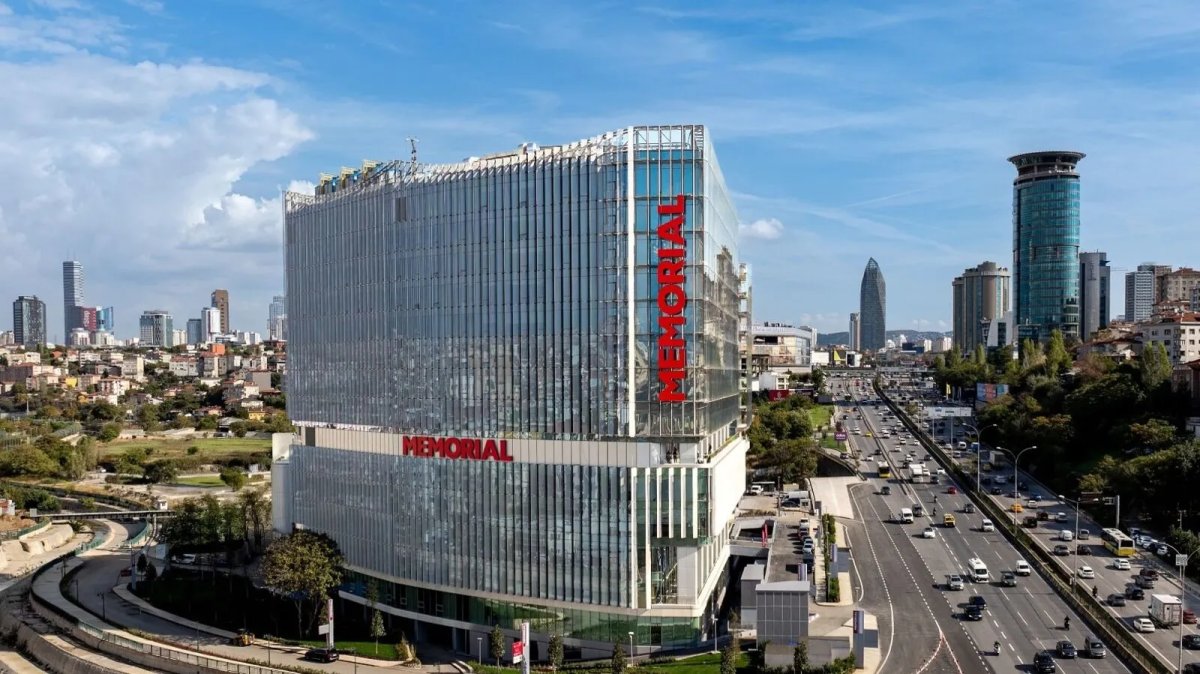
Memorial Göztepe Hospital
Turquía, Estambul


Revisado médicamente por
Fahad Mawlood
Bookimed no añade cargos extra a los precios de los tratamientos de Extremidades frías. Las tarifas proceden de las listas de precios oficiales de las clínicas. Pagará directamente en la clínica por su tratamiento a su llegada al país.
Bookimed está comprometido con su seguridad. Solo trabajamos con las clínicas que mantienen altos estándares internacionales en el tratamiento de Extremidades frías y cuentan con las licencias necesarias para atender a pacientes internacionales en todo el mundo.
Bookimed ofrece asistencia experta gratuita. Un coordinador médico personal le apoya antes, durante y después de su tratamiento, resolviendo cualquier problema. Nunca estará solo en su viaje médico de tratamiento de Extremidades frías.

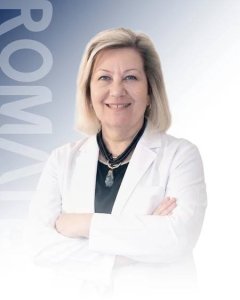
El Dr. Gunes Yavuzer es profesor de Medicina Física y Rehabilitación desde febrero de 2011. Fue nombrado profesor asociado en abril de 2003. Obtuvo la certificación del European Board en 2004. Se graduó en la Facultad de Medicina de la Universidad de Ankara, donde completó su formación especializada en Medicina Física y Rehabilitación. Posteriormente obtuvo el doctorado en la Universidad Erasmus.
Sus funciones clínicas y académicas han incluido los hospitales de la Facultad de Medicina
 Olena Sikoza
El tratamiento vascular para extremidades frías en Turquía es seguro gracias a los rigurosos estándares de la Joint Commission International. Los hospitales acreditados por la JCI utilizan imágenes avanzadas para identificar problemas de circulación. Las tasas de éxito para procedimientos como los stents vasculares alcanzan el 95%. Cirujanos certificados garantizan una atención precisa utilizando quirófanos híbridos especializados.
Opinión experta de Bookimed: La seguridad no solo depende de la calidad de la cirugía, sino de la precisión diagnóstica. El Hospital Memorial Göztepe utiliza tomografías de 512 cortes para encontrar pequeños bloqueos vasculares. Esta tecnología ayuda a los médicos a evitar cirugías innecesarias para extremidades frías que no son de origen vascular. Los centros de alta capacidad con más de 90 médicos ofr
Los médicos turcos diagnostican las extremidades frías mediante escaneos vasculares y detección metabólica siguiendo los estándares de la Joint Commission International (JCI). Los especialistas en centros como el Hospital Memorial Göztepe utilizan ecografía Doppler y paneles de sangre. Identifican el síndrome de Raynaud subyacente, disfunción tiroidea o bloqueos circulatorios para determinar los tratamientos objetivo.
Perspectiva del experto de Bookimed: Nuestros datos muestran que la velocidad de diagnóstico es alta en centros multidisciplinarios como el Hospital Memorial Göztepe. Estas clínicas albergan más de 39 departamentos bajo un mismo techo. Esto permite que los especialistas cardiovasculares y de medicina interna colaboren instantáneamente en síntomas unilaterales. El acceso rápido a la tecnología TC de 512 cortes garantiza que el mapeo vascular se realice en horas,
Los centros turcos ofrecen tratamientos endovasculares avanzados para extremidades frías causadas por enfermedades vasculares. Los cirujanos utilizan angioplastia, colocación de stents y trombólisis dirigida por catéter para restaurar la circulación. Estos procedimientos mínimamente invasivos utilizan TC de 512 cortes e imágenes de alta resolución para limpiar las obstrucciones en las arterias periféricas.
Perspectiva del experto de Bookimed: El Hospital Memorial Göztepe representa una nueva tendencia en la atención vascular turca que se centra en la precisión. Las instalaciones ahora utilizan resonancia magnética de 3 Teslas apoyada por IA y TC de 512 cortes para el diagnóstico. Esta imagen de alta resolución permite a los especialistas vasculares mapear vasos diminutos antes de la intervención. Una plani
Busque atención especializada si las extremidades frías persisten independientemente del clima. Es necesaria una evaluación inmediata si presenta decoloración de la piel, llagas que no sanan o calambres en las piernas al caminar. Estos signos a menudo indican enfermedad vascular, daño nervioso o condiciones autoinmunes. Los hospitales multidisciplinarios turcos ofrecen diagnósticos avanzados para estos problemas subyacentes.
Perspectiva del experto de Bookimed: Los centros multidisciplinarios turcos como el Hospital Memorial Göztepe utilizan TC de 512 cortes y resonancia magnética de 3 Teslas. Estas herramientas avanzadas detectan bloqueos circulatorios sutiles que las pruebas estándar a menudo pasan por alto. Elegir un centro con departamentos de cirugía vascular y neurología garantiza un diagnóstico más rápido. Este enfoque integrado ayuda a identificar si la causa está relacionada con el flujo sanguín
La recuperación después de procedimientos vasculares mínimamente invasivos en Turquía generalmente concluye en 1 a 2 semanas. Los pacientes a menudo pueden ponerse de pie y caminar dentro de las 2 horas posteriores a la intervención. La mayoría regresa a actividades ligeras en pocos días. La curación completa del sitio de acceso generalmente ocurre para la segunda semana.
Opinión de expertos de Bookimed: Las señales de calidad para el cuidado vascular en Turquía incluyen la infraestructura multidisciplinaria. El Hospital Memorial Göztepe utiliza un quirófano híbrido. Esta configuración permite intervenciones vasculares complejas e imágenes en un solo espacio. Tal tecnología asegura una mayor precisión y un monitoreo más seguro del paciente durante las horas iniciales de recuperación.
Consenso de los pacientes: Los pacientes enfatizan que caminar y viajar se siente cómodo en pocos días. La mayoría
Las clínicas turcas priorizan el manejo conservador para mejorar la microcirculación y la salud vascular. Las opciones no quirúrgicas incluyen medicamentos vasodilatadores, mesoterapia con vitaminas y energía de radiofrecuencia para estimular el flujo sanguíneo. El examen para detectar condiciones subyacentes como disfunción tiroidea o anemia es el primer paso estándar antes de considerar una cirugía.
Opinión de expertos de Bookimed: Los centros multidisciplinarios turcos, como el Hospital Memorial Göztepe, utilizan TAC de 512 cortes y resonancia magnética de 3 Teslas para un mapeo vascular preciso. Los datos muestran que las clínicas prefieren pasos
Los pacientes que se someten a un tratamiento vascular en Turquía pueden esperar una tasa de éxito del 90% en intervenciones venosas y altas tasas de salvamento de extremidades. Los resultados a largo plazo incluyen una mejor movilidad y una mejor función diaria. Los centros especializados utilizan TAC de 512 cortes y resonancia magnética de 3 Teslas para un mapeo vascular preciso y la planificación del tratamiento.
Opinión de expertos de Bookimed: El éxito en Turquía a menudo depende de la infraestructura tecnológica del hospital. El Hospital Memorial Göztepe utiliza un quirófano híbrido para combinar imágenes y cirugía. Esta configuración permite a los cirujanos verificar la restauración del flujo sanguíneo inmediatamente durante el procedimiento. Los escáneres TAC de 512 cortes de alta resolución ayudan a identificar pequeñas obstr