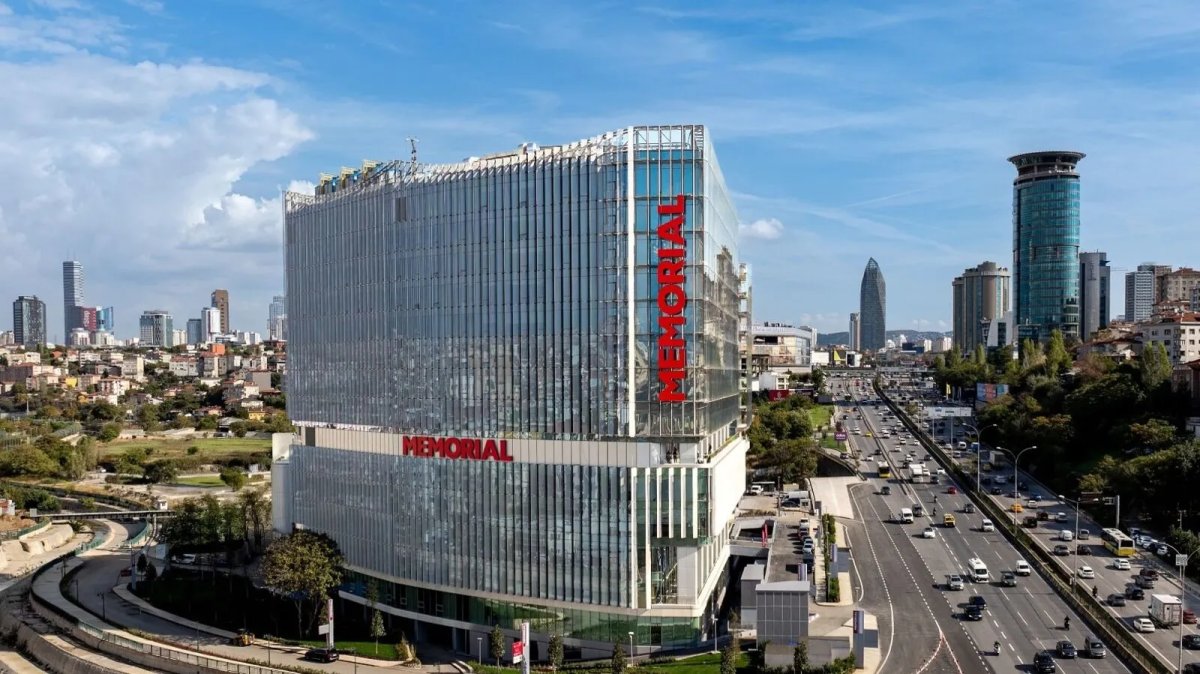
Memorial Göztepe Hospital
Turquía, Estambul


Revisado médicamente por
Fahad Mawlood

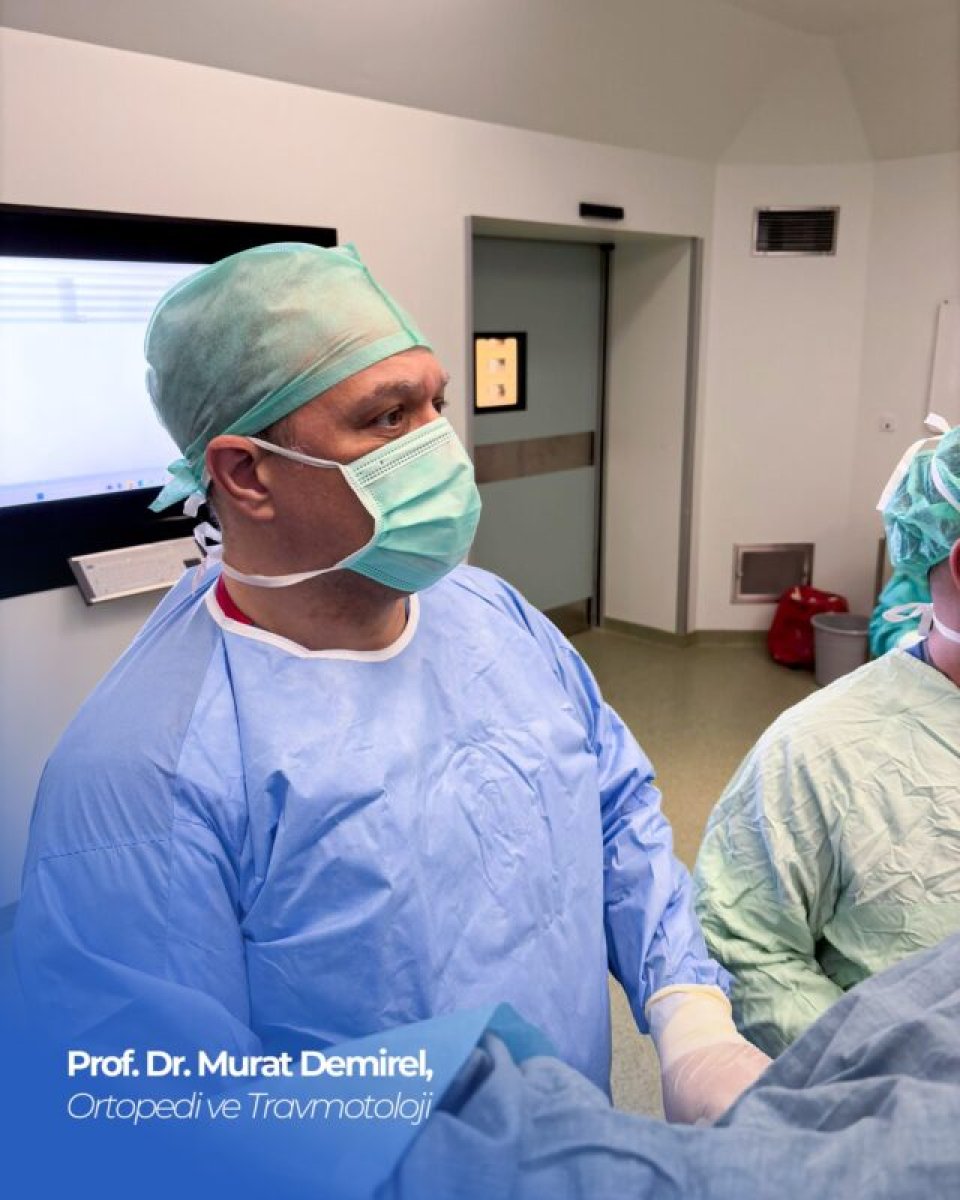
El Dr. Murat Kezer es un cirujano ortopédico experimentado, especializado en reconstrucción articular, artroplastia y lesiones deportivas. Ha realizado formación avanzada en reemplazo total y parcial de rodilla y cadera con MAKO. Desde 2002, ha asistido a más de 20 congresos y cursos nacionales e internacionales.
El Dr. Kezer es miembro de la Asociación Médica Turca, la Asociación de Artroplastia de Cadera y Rodilla, el Congreso Internacional de Reconstrucción Articular y la Sociedad
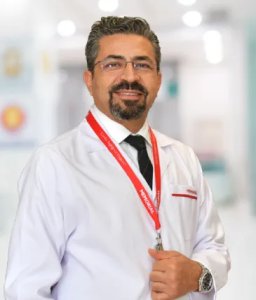
El Dr. Mehmet Aydogan es especialista en Ortopedia, Traumatología y Cirugía de Columna en el Hospital Memorial Şişli. Trabajó en Cirugía de Columna allí entre 2024 y 2025 y desde 2026 se desempeña en Ortopedia. Anteriormente dirigió el Centro de Cirugía Ortopédica, Traumatología y Cirugía Avanzada de Columna en el Hospital Emsey (2018–2022). Su experiencia incluye el EUROSPINE Surgical Spine Center of Excellence en Suiza (2022–2024) y una beca de investigación en el UCLA Comprehensive Spine C
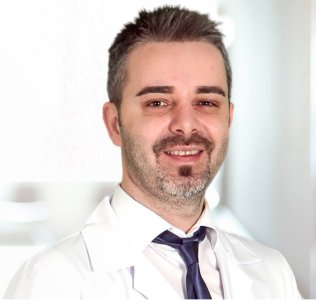
Especialista en ortopedia y traumatología con enfoque en cirugías de extremidades inferiores, incluyendo tratamientos de espolón calcáneo en el complejo hospitalario Medical Park Antalya.
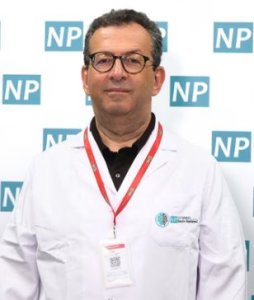
 Olena Sikoza
La cirugía no es el único tratamiento para un espolón calcáneo. Más del 90% de los pacientes logran aliviar el dolor mediante métodos no quirúrgicos. Las clínicas turcas priorizan terapias conservadoras como ortesis y fisioterapia. La cirugía sigue siendo un último recurso para casos crónicos y graves en los que otros tratamientos han fallado.
Perspectiva de expertos de Bookimed: Aunque muchos pacientes se centran en el crecimiento óseo, nuestros datos muestran que los especialistas ortopédicos turcos priorizan el tratamiento de la inflamación subyacente de la fascia plantar. Centros como el Medicalpoint International Hospital cuentan con acreditaciones JCI y Temos, lo que garantiza que las intervenciones quirúrgicas sigan estrictos protocolos in
El tratamiento quirúrgico de los espolones calcáneos se centra en la eliminación de los depósitos óseos de calcio y el alivio de la inflamación asociada. Los cirujanos suelen recomendar este procedimiento después de seis meses de terapia conservadora infructuosa. La cirugía implica enfoques abiertos o endoscópicos para extirpar el crecimiento y liberar la tensión en la fascia plantar.
Perspectiva de expertos de Bookimed: Aunque los pacientes a menudo se centran en el espolón en sí, especialistas turcos como el Dr. Murat Kezer enfatizan que tratar la fascitis plantar subyacente es la clave. Nuestros datos muestran que las clínicas en Turquía aprovechan diversas experiencias ortopédicas, con médicos a menudo capacitados tanto en traumatología como en reconstrucción articular para garantizar la estabilidad
La recuperación de la cirugía de espolón calcáneo generalmente requiere de 6 a 12 semanas para una movilidad total. Los pacientes suelen usar una bota ortopédica o una férula durante 3 semanas mientras evitan actividades de carga de peso. La mayoría de las personas reanudan las rutinas diarias ligeras en 1 mes y las actividades físicas completas en 6 meses.
Perspectiva del experto de Bookimed: Los centros ortopédicos turcos como el Medicalpoint International Hospital priorizan los estándares de seguridad acreditados por la JCI para cirugías de pie. Si bien la recuperación básica lleva semanas, los datos muestran que las clínicas con unidades robóticas especializadas a menudo facilitan ajustes articulares más precisos. Esta precisión puede conducir a cronogramas de curación más predecibles para casos complejos que involucran reconstrucción articular.
Consenso de los pacientes: Los pacientes señalan que es im
Para elegir un médico para el tratamiento del espolón calcáneo en Turquía, priorice a los cirujanos ortopédicos certificados que se especialicen en trastornos del pie y el tobillo. Seleccione médicos con experiencia en evaluaciones biomecánicas y terapias no invasivas como el tratamiento con ondas de choque. Verifique las certificaciones de la Sociedad Turca de Ortopedia y Traumatología (TOTBID) para garantizar la calidad.
Perspectiva del experto de Bookimed: Los datos muestran que los mejores ortopedistas turcos, como el Dr. Murat Kezer, a menudo poseen múltiples certificaciones de especialidad en cirugía articular y de pie. Elegir un cirujano con más de 20 años de experiencia, particularmente aquellos en centros afiliados a universidades como Memorial Göztepe, mejora el acceso a herramientas de diagnóstico especializadas como la resonancia magnética de 3 Tesla para un mapeo preciso de los tendones.
Consenso de los pacientes: Los pacientes señala
Los espolones calcáneos causan dolor matutino porque el ligamento de la fascia plantar se contrae y se tensa mientras duermes. Dar los primeros pasos estira repentinamente este tejido acortado. Esta tensión mecánica provoca un dolor agudo. Moverse calienta el ligamento y alivia gradualmente las molestias.
Perspectiva del experto de Bookimed: Aunque muchos se centran en el espolón óseo, nuestros datos muestran que las clínicas priorizan la salud de los tejidos blandos. El especialista Dr. Murat Kezer enfatiza que más de 1,000 casos de pacientes a menudo involucran problemas combinados de mecánica del pie. La recuperación exitosa generalmente se centra en la flexibilidad de la pantorrilla y la alineación de las articulaciones, en lugar de solo en el espolón.
Consenso de los pacientes: Los pacientes señalan que caminar descalzo sobre