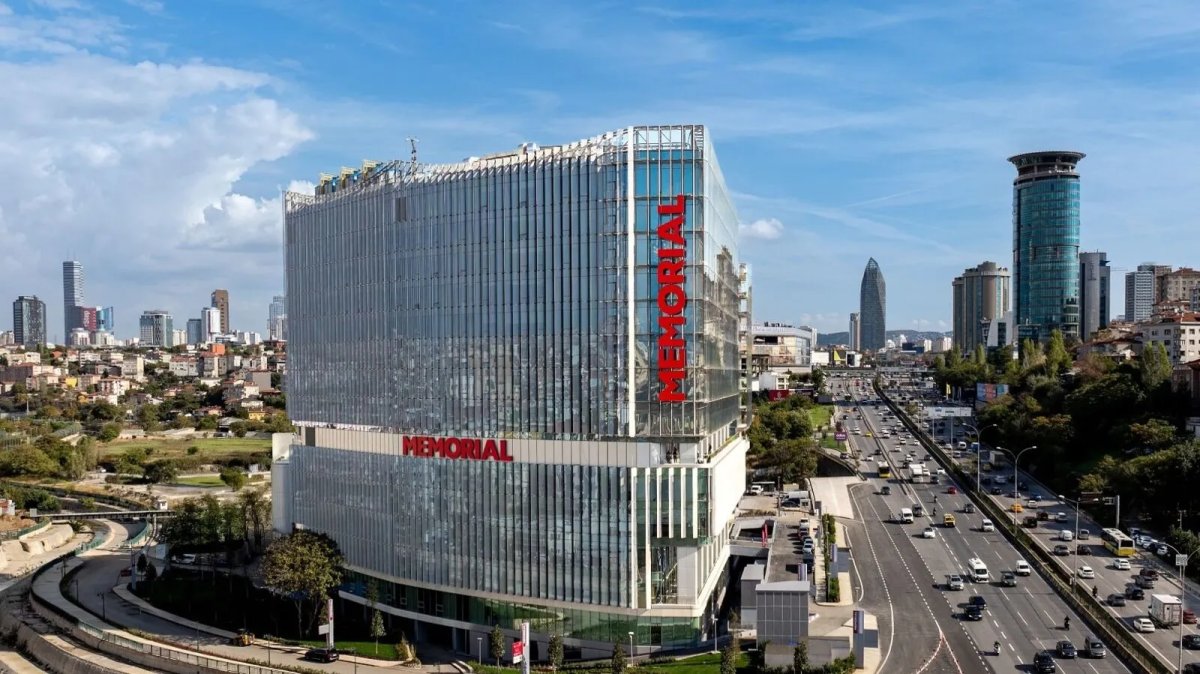
Memorial Göztepe Hospital
Turquía, Estambul


Revisado médicamente por
Fahad Mawlood
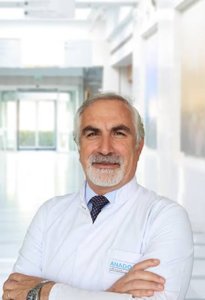
El Dr. Zulfikar Polat es especialista en gastroenterología y medicina interna. Se formó en la Academia Militar de Medicina de Gülhane en Ankara, donde completó su especialidad y obtuvo el título de profesor asociado. Es profesor en la Universidad İstanbul Aydın. Su experiencia de posgrado incluye la Academia Militar de Medicina de Gülhane en Ankara y la Universidad İstanbul Aydın. También trabajó en el Centro Médico Anadolu, afiliado a Johns Hopkins Medicine (EE. UU.).
Su enfoque clíni
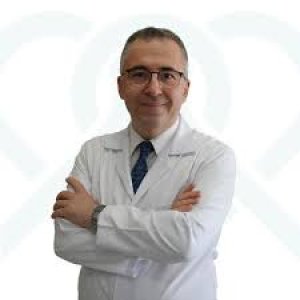
El Prof. Dr. Musa Aydınlı es especialista en medicina interna y gastroenterólogo. Se graduó en Medicina por la Universidad de Hacettepe en 1997. Completó la formación en medicina interna en 2003 y en gastroenterología en 2007 en la misma institución. Trabajó en el Hospital de Formación e Investigación de Kayseri de 2007 a 2009. Prestó servicio en el Departamento de Gastroenterología de la Universidad de Gaziantep entre 2009 y 2014. Fue nombrado profesor asociado en 2012 y profesor titular en
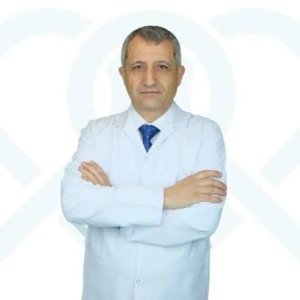
El Prof. Dr. İbrahim Doğan es gastroenterólogo. Se graduó en Medicina por la Facultad de Medicina de la Universidad de Ankara en 1991. En 1996 se especializó en Medicina Interna en la Universidad de Gazi. Completó la subespecialidad en Gastroenterología en la Universidad de İnönü en 2001.
Su carrera académica se desarrolló en la Universidad de Gazi. Fue docente (2002), profesor asistente (2003), profesor asociado (2007) y profesor titular (2012). Trabajó como investigador en la Univers
 Olena Sikoza
El protocolo médico estándar en Turquía para la hepatitis autoinmune tipo 1 sigue las directrices internacionales de la EASL. El tratamiento implica una inmunosupresión inicial con corticosteroides como prednisolona para reducir la inflamación hepática. Los médicos luego añaden medicamentos de mantenimiento como azatioprina para mantener la remisión bioquímica y prevenir la fibrosis hepática a largo plazo.
Perspectiva del experto de Bookimed: Los gastroenterólogos turcos como el Dr. Zulfikar Polat en el Anadolu Medical Center son miembros de la EASL y la AASLD. Esto garantiza que los pacientes reciban protocolos idénticos a los de los mejores hospitales de EE. UU. y Europa. Nuestros datos muestran que elegir clínicas afiliadas a instituciones globales a menudo proporciona un mejor acceso a imágenes hepáticas de diagnóstico más recientes.
Consenso d
Los centros de hepatología turcos realizan biopsias hepáticas de forma segura utilizando técnicas guiadas por ultrasonido. Una biopsia suele ser necesaria para la hepatitis autoinmune tipo 1 para confirmar el diagnóstico y evaluar la fibrosis. Especialistas como el Dr. Zulfikar Polat en el Centro Médico Anadolu utilizan estas muestras para guiar la terapia de inmunosupresión con precisión.
Opinión de experto de Bookimed: Si bien muchos pacientes se centran en el procedimiento en sí, el verdadero valor en Turquía reside en las afiliaciones institucionales. Por ejemplo, el Centro Médico Anadolu trabaja en afiliación con Johns Hopkins Medicine. Esto garantiza que los resultados de las biopsias sean interpretados por equipos de patología capacitados en e
Los equipos de hepatología turcos demuestran una gran experiencia, logrando una tasa de supervivencia del 99% para el manejo de la hepatitis autoinmune en cohortes especializadas. Los centros mantienen más de 40 instalaciones acreditadas por la JCI. Equipos de expertos como los del Centro Médico Anadolu utilizan protocolos internacionales de la Asociación Americana para el Estudio de las Enfermedades del Hígado.
Opinión de experto de Bookimed: Los datos de los pacientes sugieren que los resultados más exitosos para enfermedades autoinmunes raras ocurren en centros académicos acreditados por la JCI en Estambul. Por ejemplo, el Centro Médico Anadolu trabaja en afiliación con Johns Hopkins Medicine. Estos centros de alto volumen brindan acceso directo a una experiencia de nivel de trasplante que las clínica
Los trasplantes de hígado son necesarios para el 10% al 20% de los pacientes con HAI tipo 1. Esto ocurre si los inmunosupresores fallan o se desarrolla cirrosis. Los centros médicos turcos ofrecen trasplantes de hígado avanzados a pacientes internacionales. El Prof. Dr. Zulfikar Polat en el Centro Médico Anadolu se especializa en casos complejos de hepatología.
Perspectiva del experto de Bookimed: Los centros de hepatología turcos a menudo están afiliados a grandes instituciones estadounidenses como Johns Hopkins. El Prof. Dr. Zulfikar Polat, por ejemplo, combina esta formación internacional con 45 publicaciones. Este enfoque académico garantiza que los pacientes reciban protocolos que reflejan los estándares estadounidenses y europeos. Elegir un centro con un equipo dedicado de hepatología y trasplantes es vital para la supervivencia a largo pl
La mayoría de los centros hepáticos turcos definen la remisión para la hepatitis autoinmune tipo 1 a través de marcadores bioquímicos. Usted alcanza la remisión cuando los niveles de AST, ALT e IgG vuelven a la normalidad. La mayoría de los pacientes deben continuar la terapia de mantenimiento durante al menos 2 años. Los médicos solo consideran reducir los medicamentos después de lograr una estabilidad bioquímica sostenida.
Perspectiva del experto de Bookimed: Aunque muchos pacientes se enfocan en dejar los medicamentos rápidamente, nuestros datos sugieren que un enfoque conservador es más seguro. Los especialistas en centros como el Anadolu Medical Center, afiliado a Johns Hopkins Medicine, enfatizan que una reducción prematura a menudo conduce a una recaída. Recomiendan mantener una dosis estable incluso después de q
Los pacientes pueden continuar el monitoreo desde su país de origen después de estabilizarse en Turquía. Una transición exitosa de la atención requiere paneles hepáticos locales y el intercambio de datos electrónicos. Debe obtener un resumen completo del tratamiento. Este archivo debe incluir los resultados de la biopsia, los planes de reducción gradual de medicamentos y los intervalos de monitoreo objetivo.
Perspectiva del experto de Bookimed: Los profesores de gastroenterología turcos como el Dr. Zulfikar Polat a menudo mantienen lazos académicos con organismos internacionales como EASL y AASLD. Esta alineación garantiza que los protocolos utilizados en Estambul coincidan con los estándares globales. Esto simplifica la transferencia a su médico local. Solicite siempre un resumen de alta en inglés que cite específicamente la codificación internacional estan