Trasplante capilar con robot ARTAS en Turquía — encuentre las 3 mejores clínicas con costos


Revisado médicamente por
Fahad Mawlood
Cómo funciona
¿Cuál es el precio de Trasplante capilar con robot ARTAS en Turquía? Descubra ahora
El costo de un trasplante capilar robótico ARTAS en Turquía suele oscilar entre $2,200 y $3,800. El precio puede variar según la cantidad de injertos, la tecnología de la clínica (incluido el uso de sistemas ARTAS 9X o posteriores) y la experiencia del cirujano en procedimientos robóticos. En Estados Unidos, el costo promedio es de $8,800 (según ISHRS). Esto significa que se puede esperar un ahorro de aproximadamente 66% en comparación con EE. UU.
En Turquía, el precio suele incluir la extracción e implantación robótica, anestesia local, consulta preoperatoria, medicamentos postoperatorios y visitas de seguimiento. Muchas clínicas también incluyen traslados desde el aeropuerto y alojamiento en sus paquetes. En EE. UU., el precio suele ser por injerto, con cargos adicionales por anestesia, medicamentos y atención de seguimiento. Siempre confirmar exactamente qué está incluido en cada clínica.
Beneficios clave
- Obtén un trasplante capilar robótico ARTAS en Turquía a un 60-70% menos que en los EE.UU.
- Opciones principales: ARTAS iX™, NeoGraft®, y SmartGraft®.
- Revisión gratuita de fotos por un médico experto para determinar el mejor método de trasplante capilar para ti.
- Garantía disponible en ofertas seleccionadas.
- Ofertas exclusivas de clínicas turcas de confianza de $2,200.
| Turquía | España | Estados Unidos | |
|---|---|---|---|
| Trasplante capilar con robot ARTAS | ≈ $2,200 | ≈ $7,000 | ≈ $6,500 |
Descubra las mejores clínicas de Trasplante capilar con robot ARTAS en Turquía: 21 opciones verificadas y Precios









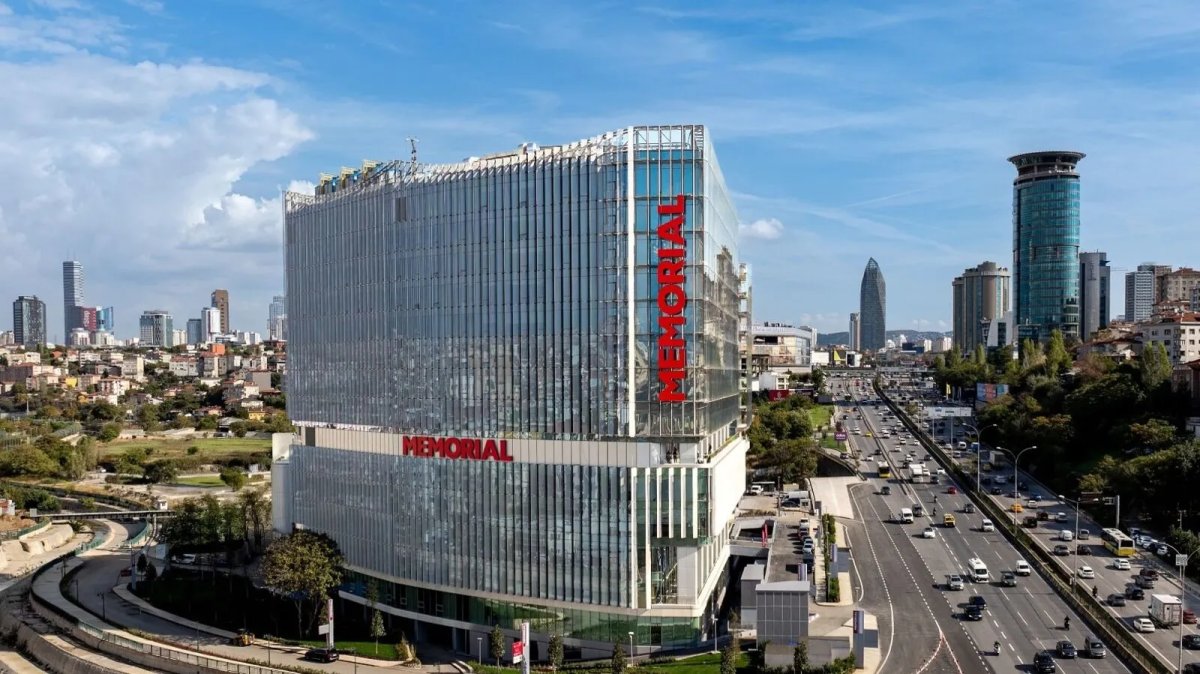
Memorial Göztepe Hospital







Proesthe Hair Transplant Center
Trasplante capilar con robot ARTAS en Turquía: cronología día a día
Día 1: Llegada a Turquía
- Al aterrizar en Turquía, será recibido por un servicio de traslado VIP. Le llevarán del aeropuerto a su hotel.
- Deberá llevar ropa ligera, como una camisa o un cárdigan con cremallera, para mayor comodidad durante su estancia.
- Regístrese en su alojamiento, normalmente un hotel de 4 estrellas con desayuno incluido.
- Tómese el día para descansar y adaptarse al huso horario local. Necesita estar bien descansado para los procedimientos preoperatorios del día siguiente.
- Evite consumir alcohol, café o infusiones (excepto té negro) según las directrices preoperatorias.
Día 2: Preparativos preoperatorios
- Comience el día con un desayuno ligero proporcionado por el hotel.
- Diríjase a la clínica para su consulta preoperatoria programada. Comente con su médico la intervención y cualquier duda que tenga.
- Sométase a las pruebas preoperatorias necesarias, incluido un análisis de sangre, para asegurarse de que está en condiciones de someterse a la operación.
- Comente con el equipo médico cualquier medicación que esté tomando, especialmente si padece enfermedades crónicas como diabetes o asma.
- Complete el proceso de pago de la intervención. Asegúrese de que dispone de la divisa correcta, ya que en Turquía no se aceptan billetes de 500 EUR.
- No coma ni beba nada 8 horas antes de la intervención si está prevista la sedación.
- Informe a la clínica de cualquier reacción alérgica anterior a medicamentos o inyecciones.
- Relájese en el hotel y prepárese para el día de la operación. No tome ninguna vitamina ni suplemento antes de la intervención.
Día 3: Día de la intervención
- Llegue a la clínica a la hora programada, normalmente por la mañana.
- En la intervención se utilizará el sistema robótico de trasplante capilar Artas, conocido por su precisión y su naturaleza mínimamente invasiva.
- La duración de la cirugía puede variar entre 4 y 7 horas, dependiendo del número de injertos requeridos y de la técnica utilizada (por ejemplo, FUE o DHI).
- Se administrará anestesia local para garantizar una experiencia indolora durante el procedimiento.
- En el postoperatorio, recibirá una inyección de PRP para favorecer la cicatrización y fortalecer el crecimiento del cabello.
- Recibirá instrucciones de cuidados postoperatorios, incluidos medicamentos y un champú médico especial que deberá utilizar durante las 8 semanas siguientes.
- Regrese a su hotel para descansar y recuperarse. Siga estrictamente las directrices de la clínica sobre los cuidados postoperatorios.
Día 4: Revisión postoperatoria
- Visite la clínica para una cita de seguimiento. El equipo médico evaluará los resultados iniciales del trasplante y le dará instrucciones sobre los cuidados posteriores.
- Comente con su médico cualquier duda o pregunta que pueda tener sobre el proceso de recuperación.
- Asegúrese de que comprende el procedimiento de lavado del cabello y el uso del champú médico proporcionado.
- Recibirá una garantía de por vida para los injertos trasplantados, lo que le garantizará la tranquilidad sobre el éxito de la intervención.
- Si le apetece, pase el resto del día explorando la zona, pero evite las actividades extenuantes.
Día 5: Salida de Turquía
- Salga del hotel y prepárese para su viaje de vuelta a casa.
- Su traslado VIP le llevará del hotel al aeropuerto para tomar su vuelo.
- Asegúrese de tener toda la documentación necesaria y las instrucciones de cuidados postoperatorios para su regreso a casa.
- Continúe siguiendo el régimen de cuidados postoperatorios que le indique su clínica para garantizar unos resultados óptimos de su trasplante capilar robótico Artas.
- Manténgase en contacto con la clínica para cualquier consulta de seguimiento o duda una vez que esté de vuelta en casa.
Bookimed, una plataforma líder mundial en turismo médico, se compromete a ayudar a los clientes que buscan un trasplante de cabello robótico ARTAS en Turquía ofreciéndoles asistencia experta y soluciones médicas confiables para cada situación. Se utiliza un sistema de clasificación automático inteligente para elaborar listas de clínicas transparentes, mantenidas meticulosamente por un científico de datos que utiliza IA para mayor precisión. La plataforma garantiza la autenticidad al publicar reseñas de pacientes reales después de sus tratamientos. Bookimed ofrece soluciones médicas integrales, con actualizaciones de las clínicas para garantizar la confiabilidad. El contenido sobre el trasplante de cabello robótico ARTAS en Turquía, elaborado por autores médicos experimentados y revisado por especialistas, cumple con las pautas editoriales de Bookimed , lo que refleja el compromiso de la plataforma de brindar información de salud clara y de alta calidad. Para obtener más detalles o consultas, no dude en contactarnos en marketing@bookimed.com o obtenga más información sobre nosotros y nuestra misión Acerca de Bookimed .
Obtenga una evaluación médica de Trasplante capilar con robot ARTAS en Turquía: haga una consulta con 24 médicos experimentados ahora
Ver todos los médicos
Cemal Firat
El Dr. Cemal Firat se especializa en trasplantes capilares robóticos, combinando la experiencia en microcirugía con la precisión estética en el Hospital Medical Park Antalya.
- Profesor de cirugía plástica y reconstructiva desde 2019
- Formado en micro-neurocirugía y técnicas reconstructivas
- Ha publicado investigaciones sobre métodos avanzados de curación quirúrgica
- Especializado en procedimientos estéticos y reconstructivos

Dr. Mehmet Erdogan, MD
Más de 4,000 cirugías de trasplante capilar realizadas – El Dr. Mehmet Erdogan es cofundador de Smile Hair Clinic y pionero en trasplantes capilares robóticos ARTAS.
- Especializado en técnicas de Micromotor Graft y Sapphire FUE para resultados naturales
- Co-desarrollador del innovador enfoque True Philosophy para el trasplante capilar
- Miembro de la Sociedad Internacional de Cirugía de Restauración Capilar (ISHRS)
- Título de medicina de la Universidad de Yeditepe con enfoque en planificación estética

Dr. Gökay Bilgin, MD
Más de 4000 procedimientos de trasplante capilar realizados – El Dr. Bilgin es cofundador de Smile Hair Clinic y se especializa en técnicas robóticas y estéticas.
- Utiliza extracción de injertos con micromotor y técnicas Sapphire FUE
- Formado en medicina estética y trasplante capilar
- Ex subdirector médico en Medicana Healthcare Group
- Desarrolló la filosofía TrueTM para el trasplante capilar

Vedat Tosun
Especializado en trasplantes capilares robóticos ARTAS en el İstinye University Liv Hospital Topkapı – combina la robótica de precisión con una amplia experiencia en restauración capilar.
- Más de _doctor_8067_años_ centrado exclusivamente en el trasplante capilar
- Formado en técnicas avanzadas FUE en el Akdeniz Workshop
- Trabaja en Med Hair Clinic y en el ISU LIV Bahçeşehir Hospital
- Coordinó programas de trasplante capilar en los principales hospitales de Estambul
Historias en video de pacientes de Bookimed
Reseñas
Todas las reseñas



Compartir contenido
 Olena Sikoza
Datos сlave sobre Trasplante capilar con robot ARTAS

Trasplante de Cabello Robótico ARTAS
Utiliza tecnología robótica avanzada para la precisa transplantación de folículos para restaurar el cabello.
Preguntas frecuentes sobre Trasplante capilar con robot ARTAS en Turquía
¿En qué se diferencia ARTAS de la FUE manual?
ARTAS utiliza brazos robóticos con inteligencia artificial para extraer folículos, mientras que la técnica FUE manual depende de los instrumentos que sostiene el cirujano. Las tecnologías robóticas ofrecen una precisión de nivel micrométrico para el cabello lacio, sin embargo, los métodos manuales permiten a cirujanos, como el Dr. Mehmet Erdogan en Smile Hair Clinic, adaptarse a texturas rizadas y zonas donantes complejas.
- Método de extracción: ARTAS automatiza la recolección mediante mapeo 3D; la FUE manual utiliza la retroalimentación táctil del cirujano.
- Duración del procedimiento: Las sesiones robóticas para 3,000 injertos alcanzan las 8–12 horas, duplicando el tiempo de extracción manual.
- Tipo de cabello adecuado: La FUE manual es excelente para cabello rizado o claro, donde los sensores robóticos a menudo tienen dificultades.
- Precisión de los injertos: Los robots aseguran una constancia de más de 1,000 injertos por hora, mientras que la velocidad manual varía debido a la fatiga.
Opinión experta de Bookimed: A pesar de que el marketing de ARTAS destaca la precisión, las clínicas turcas como Quartz Hospital y Medipol prefieren la FUE manual para mega-sesiones. Los sistemas robóticos a menudo requieren una recalibración frecuente en zonas donantes densas, lo que los hace menos eficientes para más de 4,000 injertos, algo común en Esta
¿Son permanentes los resultados?
Los resultados del trasplante capilar robótico ARTAS en Turquía se consideran permanentes, ya que el sistema extrae folículos de zonas donantes resistentes a la DHT. El cabello trasplantado continúa creciendo naturalmente durante toda la vida. Aunque los injertos robóticos son permanentes, el cabello natural que rodea el trasplante puede seguir debilitándose sin un mantenimiento continuo.
- Resistencia de los folículos: ARTAS selecciona injertos resistentes a la DHT que están genéticamente programados para un crecimiento permanente.
- Tasas de éxito: Las clínicas líderes en Estambul informan tasas de supervivencia de los injertos de entre el 90% y el 100%.
- Plazos de crecimiento: El crecimiento visible suele comenzar de 3 a 4 meses después de que se resuelva la caída por shock.
- Densidad futura: Es posible que se necesiten sesiones adicionales si el patrón de calvicie original progresa en otras áreas.
Opinión experta de Bookimed: La calidad a menudo se correlaciona con la experiencia del cirujano más allá del robot en sí. Especialistas como el Dr. Vedat Tosun o el Dr. Behruz Uysal, que han realizado más de 8,000 a 10,000 procedimientos, utilizan ARTAS para aumentar la precisión. La asistencia robótica reduce la probabilidad de error humano durante la extracción, lo que ayuda a mantener una alta densidad de resultados que duran más que con el
¿Es doloroso el procedimiento?
Los trasplantes capilares robóticos ARTAS en Turquía suelen ser indoloros gracias a los métodos modernos de anestesia local y a las técnicas de anestesia sin agujas basadas en presión. Los pacientes suelen sentir solo una ligera presión o una vibración durante el procedimiento de 6 horas. Las molestias postoperatorias son comparables a una quemadura solar leve durante 3-5 días.
- Método de anestesia: La anestesia local multipunto o la anestesia sin agujas bajo presión garantizan un proceso de extracción indoloro.
- Sensaciones durante la operación: Los pacientes informan niveles máximos de dolor de 2 sobre 10, describiendo solo la vibración del robot ARTAS.
- Tiempos de recuperación: La sensibilidad moderada del cuero cabelludo y la hinchazón suelen alcanzar su punto máximo dentro de las 72 horas posteriores al procedimiento.
- Control del dolor: Los medicamentos estándar de venta libre, como el paracetamol o el ibuprofeno, controlan eficazmente la mayoría de los dolores postoperatorios.
Opinión experta de Bookimed: Las clínicas turcas, como el Hospital Memorial Bahçelievler, a menudo combinan la precisión de ARTAS con una recuperación asistida por PRP para acelerar la curación. Si bien el sistema robótico reduce el trauma tisular en comparación con la extracción manual, el uso de incisiones de zafiro para la implantación minimiza aún más el do
¿Cuál es el tiempo de recuperación?
La recuperación tras un trasplante capilar robótico ARTAS en Turquía suele llevar de 7 a 14 días para volver a las actividades cotidianas normales. Aunque el enfoque robótico mínimamente invasivo permite una curación más rápida que los métodos tradicionales, normalmente se requieren de 12 a 18 meses para alcanzar el resultado estético completo.
- Curación inicial: La mayoría de los pacientes regresan a trabajos de oficina en un plazo de 2 a 5 días después del procedimiento.
- Restricciones de actividad: El levantamiento de pesas y las visitas al gimnasio deben posponerse durante 2-3 semanas.
- Crecimiento visible: Los primeros cabellos nuevos aparecen después de unos 3 meses, con una visibilidad del 60% al sexto mes.
- Posición para dormir: Los pacientes deben dormir boca arriba durante 14 días para proteger los nuevos injertos.
Opinión de expertos de Bookimed: Aunque ARTAS se promociona por su precisión, los resultados más exitosos en las clínicas turcas a menudo dependen del acabado manual de la línea de nacimiento del cabello por parte del cirujano. En clínicas como Quartz Hospital o Smile Hair Clinic, donde los médicos han realizado más de 4.000 procedimientos, el robot se utiliza para la extracción, pero la creación estética de la zona a menudo se realiza manualmente para garantizar una densidad natural.
Consenso de los paci
¿Cuándo veré los resultados?
Los resultados finales del trasplante capilar robótico ARTAS en Turquía suelen aparecer entre 12 y 18 meses después del procedimiento. La caída inicial del cabello ocurre dentro de las primeras 4 semanas, seguida por la aparición de nuevo cabello a partir del tercer mes. La mayoría de los pacientes alcanzan el 80% de la densidad capilar para el noveno mes.
- Caída inicial: El cabello trasplantado se cae en un periodo de 2 a 4 semanas; esta es una fase biológica normal.
- Crecimiento temprano: El vello fino se vuelve visible dentro de los 3 a 4 meses, cuando los folículos entran en la fase de crecimiento.
- Densidad notable: Por lo general, los pacientes observan una mejora cosmética significativa y un aumento en el volumen del cabello entre los meses 6 y 9.
- Madurez completa: El grosor final del cabello y la cobertura total del cuero cabelludo suelen alcanzar su punto máximo entre los 12 y 18 meses.
Opinión de expertos de Bookimed: Aunque la tecnología ARTAS garantiza una selección precisa de los injertos, los plazos biológicos siguen siendo fijos. Los datos de grandes centros, como el Hospital Memorial Şişli, muestran que el uso constante de protocolos de recuperación con apoyo de PRP puede ayudar a sobrellevar la fase de caída de manera más cómoda. La elección de la precisión robótica asegura una cicatrización uniforme del área donante, pero
¿Quién es apto para ARTAS?
No todos los pacientes son candidatos adecuados para los trasplantes de cabello robóticos ARTAS. Los candidatos deben tener cabello liso y oscuro para que los sensores del robot puedan rastrear los folículos con precisión. El éxito depende de una alta densidad en la zona donante y de ángulos de salida del cabello específicos, por lo que muchas clínicas recomiendan técnicas manuales FUE o Sapphire para casos complejos.
- Características del cabello: Los resultados óptimos se logran con cabello liso, castaño oscuro o negro para los sistemas de imagen robóticos.
- Densidad de la zona donante: Los pacientes generalmente requieren de 40 a 80 injertos por centímetro cuadrado en la zona donante.
- Color del cabello: El cabello claro, pelirrojo o gris debe teñirse de un color más oscuro antes de comenzar el procedimiento.
- Limitaciones de extracción: ARTAS puede no ser adecuado para etapas avanzadas de calvicie que requieran más de 3,000-4,000 injertos.
Opinión de expertos de Bookimed: Aunque ARTAS se promociona como el estándar de oro, las clínicas turcas a menudo prefieren la técnica manual Sapphire FUE para una mayor precisión. Los datos muestran que procedimientos como los realizados en el Hospital Quartz o por especialistas como el Dr. Muhammed Yeni a menudo alcanzan un 98% de éxito sin la ayuda del robot. Si tiene el cabello rizado o recursos do