Brackets de cerámica en Turquía: las 73 mejores clínicas y sus precios


Revisado médicamente por
Fahad Mawlood
Cómo funciona
¿Cuál es el precio de Brackets de cerámica en Turquía? Descubra ahora
El costo de los brackets cerámicos en Turquía suele oscilar entre $1,500 y $2,100. Los precios varían según la experiencia del ortodoncista, la ubicación de la clínica y la complejidad de la alineación dental. En Estados Unidos, el precio promedio es $5,400 (según la AAO). Esto significa que los brackets cerámicos en Turquía son aproximadamente un 67% menos costosos que en EE. UU.
Las clínicas turcas suelen incluir en el precio la consulta inicial, los diagnósticos (radiografías panorámicas, impresiones), la colocación de brackets cerámicos, los ajustes mensuales y los retenedores finales. En Estados Unidos, muchos proveedores cobran por separado los retenedores, las visitas de emergencia y las reparaciones de brackets rotos. Siempre confirmar qué servicios están incluidos en la clínica elegida.
| Turquía | España | Estados Unidos | |
|---|---|---|---|
| Brackets de cerámica | de $1,500 | de $2,800 | ≈ $4,000 |
Descubra las mejores clínicas de Brackets de cerámica en Turquía: 73 opciones verificadas y Precios
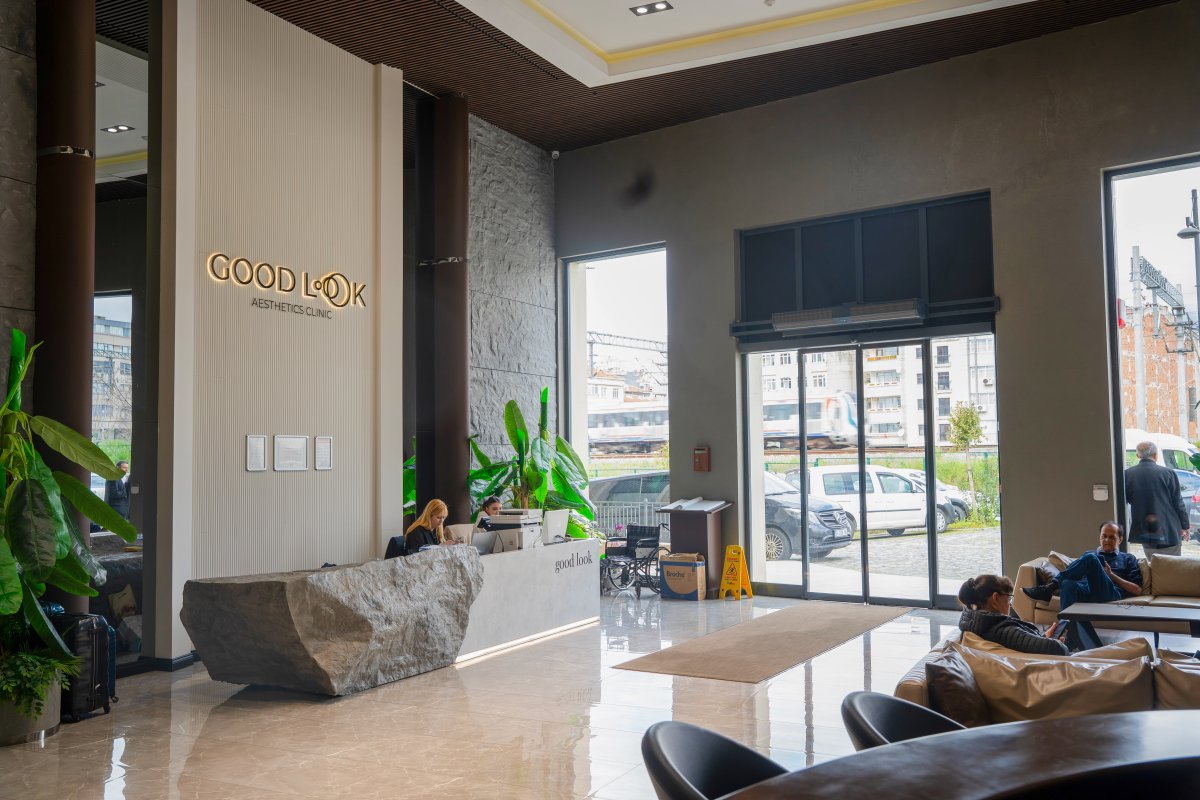





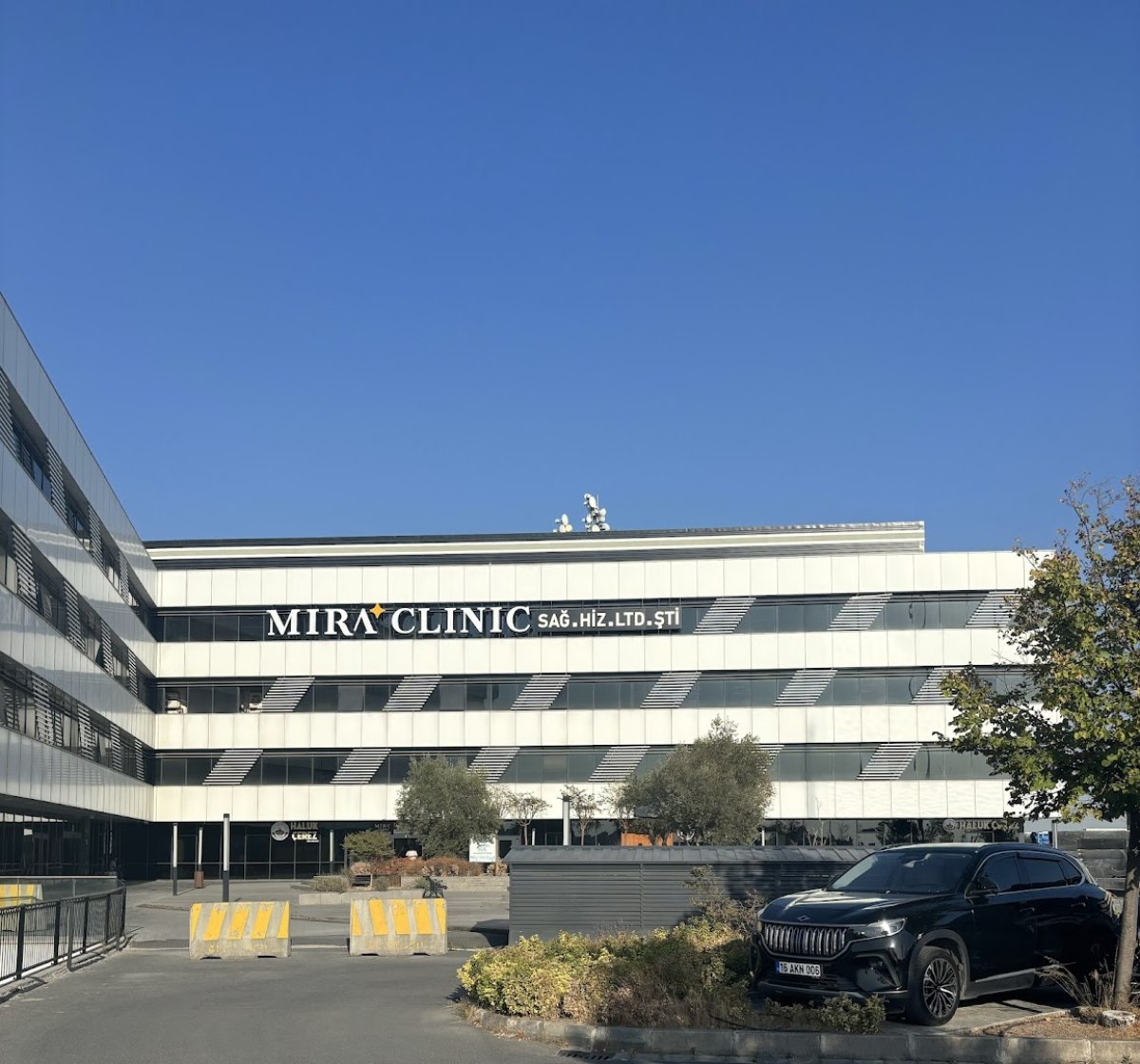









Clínica dental Dentavie (Istanbul Dentavie Dental Clinic)




Descripción general de Brackets de cerámica en Turquía
- Brackets - de $1,300Esta terapia ayuda a enderezar los dientes y alinear las mandíbulas, lo que requiere ajustes regulares durante un período para obtener los mejores resultados.
- Instalación de ortodoncia lingual - de $1,400Esta terapia ayuda a enderezar los dientes usando aparatos ortopédicos colocados detrás, ofreciendo una solución de ortodoncia oculta y eficiente.
- Brackets de cerámica - de $1,500Este tratamiento utiliza brackets y alambres del color del diente para enderezar los dientes de una manera menos visible.
- El procedimiento utiliza aparatos ortopédicos avanzados para alinear una mandíbula, presentando molestias mínimas, discretas y eficientes y un tratamiento más rápido.
Día 1
- Llegada al aeropuerto.
- Traslado VIP al hotel 5*.
Dia 2
- Cita con el ortodoncista.
- Evaluación inicial y consulta.
- Toma de radiografías e impresiones dentales.
Día 3
- Preparación de brackets cerámicos.
- Visita a la clínica para la colocación de aparatos ortopédicos.
- No se necesita anestesia, el proceso dura de 1 a 2 horas.
Día 4
- Cita de control con ortodoncista.
- Instrucciones sobre el cuidado y mantenimiento de la ortesis.
Semana 1
- Periodo de adaptación en casa, se recomienda dieta blanda.
- Imprescindible la limpieza periódica de los brackets.
Semana 2-6
- Vuelta a las actividades normales.
- Revisiones periódicas cada 4-6 semanas.
Mes 6 - finalización
- Visitas regulares al ortodoncista para ajustes.
- Retiro de frenillos después de lograr el resultado deseado.
Tenga en cuenta que cada caso es individual y la duración del tratamiento puede variar.
Lo que les gusta a los pacientes:
- Precio. El costo de los frenos cerámicos en Turquía varía de $ 500 a $ 2000. Esto es significativamente más barato que el costo promedio en países como los EE. UU., que ronda los $5000.
- Profesionalidad de los médicos . Los pacientes aprecian el alto nivel de experiencia de los ortodoncistas turcos. Muchos tienen certificados internacionales y son miembros de prestigiosas organizaciones dentales.
- Nivel de servicio. Los pacientes a menudo mencionan el excepcional servicio al cliente, desde la consulta inicial hasta el seguimiento final.
- Eficacia de los brackets cerámicos. Los pacientes reportan altos índices de satisfacción con el resultado de sus aparatos ortopédicos cerámicos, atribuyéndolo a las técnicas modernas utilizadas en Turquía.
- Logística. Viajar a Turquía para procedimientos dentales es relativamente fácil, con muchas clínicas que ofrecen asistencia con arreglos de viaje y alojamiento.
Lo que no les gusta a los pacientes:
- Tiempo de espera. Algunos pacientes han expresado su descontento con los largos tiempos de espera para las citas.
- Barrera del idioma. Si bien la mayoría de las clínicas tienen personal que habla inglés, algunos pacientes informaron dificultades con el idioma.
- Atención de seguimiento. Debido a la distancia, a algunos pacientes les resultó difícil recibir una atención de seguimiento adecuada.
- Depósito de Bookimed: 200 $ o 200 €.
- Depósito de la clínica: Pague un porcentaje fijo por adelantado.
Obtenga una evaluación médica de Brackets de cerámica en Turquía: haga una consulta con 77 médicos experimentados ahora
Ver todos los médicos
Susana Akdash
El Dr. Akdash se especializa en odontología estética de alta calidad, incluidos los brackets de cerámica, en la clínica WestDent.
- Graduado de la Universidad Ege con enfoque en implantología y estética
- Completó cursos avanzados en diseño digital de sonrisa y prótesis sobre implantes
- Experto en procedimientos cosméticos como la sonrisa de Hollywood y carillas laminadas
- Capacitado en técnicas analógicas y digitales para obtener resultados precisos

Taha Abbas Goktas
El Dr. Taha Abbas Göktaş es el fundador de TH Dental Clinic en Estambul. Está especializado en cirugía de implantes y odontología estética, integrando ambas disciplinas en un plan de tratamiento único. El Dr. Göktaş utiliza una planificación orientada a la restauración, donde el diseño de la sonrisa final determina la posición del implante. Posee una licencia para turismo de salud internacional otorgada por el Ministerio de Salud de Turquía.
- Coautor de investigaciones sobre implant
Burak Buyukturk
El Dr. Burak Buyukturk combina la experiencia académica en ortodoncia con una atención centrada en el paciente. Como ortodoncista con doctorado (PhD), se enfoca en ofrecer enfoques de tratamiento personalizados.
- Especializado en brackets cerámicos, combinando estética y funcionalidad
- Formado en el programa de ortodoncia de la Universidad Süleyman Demirel
- Miembro de la Sociedad Europea de Ortodoncia y la Sociedad Turca de Ortodoncia
- Fundó una consulta privada que ofrece soluciones de ortodoncia a medida

Gencer Huniler
Especialista en tratamientos de ortodoncia, incluidos los brackets de cerámica, en la clínica WestDent. Combina técnicas avanzadas con atención personalizada para obtener resultados óptimos.
- Formado en ortodoncia en la Universidad del Egeo
- Completó cursos especializados en planificación de tratamientos de ortodoncia
- Experto en aparatos fijos y alineadores transparentes
- Trata irregularidades maxilares y corrección ortopédica
Historias en video de pacientes de Bookimed
Reseñas
Todas las reseñas
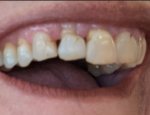


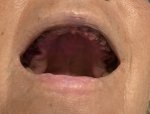
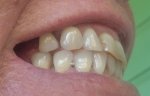
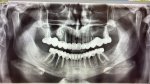




Brackets de cerámica: Fotos de antes y después
Ver todos los Antes y Después
Compartir contenido
 Olena Sikoza
Datos сlave sobre Brackets de cerámica

Brackets Cerámicos
Estos son brackets de ortodoncia que utilizan soportes claros o del color del diente para alinear los dientes de manera discreta.
Preguntas frecuentes sobre Brackets de cerámica en Turquía
¿Es seguro realizarse un tratamiento de brackets de cerámica en Turquía?
Los brackets de cerámica en Turquía son seguros cuando son realizados por ortodoncistas registrados en la Asociación Dental Turca. Las clínicas a menudo poseen certificaciones JCI o ISO y utilizan marcas premium como 3M o Damon. La seguridad depende del seguimiento a largo plazo y de encontrar un especialista local para los ajustes mensuales.
- Cualificación del especialista: Los ortodoncistas completan 4 años de residencia después de terminar un título de odontología de 5 años.
- Estándares clínicos: Centros de renombre como la Clínica WestDent mantienen tasas de éxito del 99% en procedimientos dentales.
- Calidad del dispositivo: Los mejores profesionales utilizan sistemas cerámicos reconocidos mundialmente por su fiabilidad estética y funcional.
- Señales de acreditación: Busque la licencia del Ministerio de Salud o certificados internacionales como TEMOS y JCI.
Perspectiva del experto de Bookimed: Los datos sugieren que un diferenciador de seguridad importante es el volumen de pacientes y la infraestructura de las clínicas. Los centros de alta capacidad como Dental Bosphorus o WestDent atienden de 6.000 a 45.000 pacientes al año, a menudo manteniendo equipos más grandes de 12 a 25 médicos. Esta escala generalmente garantiza un mejor acceso a ortodoncistas especializados (Ortodonti Uzmanı) en lugar de dentistas generales, lo cual es crítico
¿Cuánto dura el tratamiento completo con brackets de cerámica?
El tratamiento con brackets de cerámica en Turquía suele durar entre 12 y 24 meses. La mayoría de los pacientes con apiñamiento leve a moderado logran una alineación completa en un plazo de 14 a 18 meses. Las correcciones complejas que involucran problemas graves de mordida o irregularidades en la mandíbula pueden extender el cronograma total hasta 36 meses.
- Fase de alineación: El movimiento inicial de los dientes suele tomar de 3 a 6 meses para el posicionamiento básico.
- Corrección de mordida: Ajustar sobremordidas o submordidas naturalmente toma más tiempo, aproximadamente de 6 a 18 meses.
- Etapa de acabado: Los cirujanos realizan los últimos ajustes menores durante los últimos 3 a 6 meses.
- Edad del paciente: Los niños y adolescentes a menudo terminan de 9 a 15 meses más rápido que los pacientes adultos.
Perspectiva del experto de Bookimed: Aunque los brackets de cerámica son discretos, son más frágiles que los de metal. Clínicas líderes como WestDent Clinic en Esmirna o Dental Bosphorus en Estambul enfatizan la importancia de realizar ajustes constantes cada 4 a 8 semanas. Faltar a solo dos citas debido a retrasos en los viajes puede extender su tiempo total de tratamiento en 6 meses.
Consenso de los pacientes: Muchos pacientes informan haber logrado sonrisas alineadas en poco más de 12 meses para apiñamientos
¿Son los brackets de cerámica tan efectivos como los de metal?
Los brackets de cerámica son igual de efectivos que los de metal para corregir la alineación de los dientes y los problemas de mordida. Ambos sistemas utilizan principios de ortodoncia idénticos para mover los dientes. La cerámica ofrece una apariencia discreta del color del diente, pero puede extender el tiempo de tratamiento de 1 a 2 meses debido a una mayor fricción de los brackets.
- Capacidad de corrección: Ambos sistemas tratan eficazmente el apiñamiento, los espacios y las maloclusiones complejas.
- Duración del tratamiento: El metal es ligeramente más rápido, ya que una menor fricción permite un movimiento dental más veloz.
- Durabilidad del material: Los brackets de cerámica son más frágiles y pueden astillarse bajo una fuerza elevada.
- Ventaja estética: Los brackets de cerámica transparente se mezclan con el esmalte para lograr un aspecto casi invisible.
Perspectiva de expertos de Bookimed: Las clínicas turcas suelen sugerir un enfoque híbrido para obtener la máxima eficiencia. Los pacientes reciben brackets de cerámica en los dientes superiores por estética y de metal en los inferiores por durabilidad. Esta combinación en clínicas como WestDent Clinic mantiene una tasa de éxito del 99 % al tiempo que reduce los costes generales.
Consenso de los pacientes: Los pacientes informan que, aunque la cerámica se ve m
¿Cuáles son las principales desventajas de los brackets de cerámica?
Los brackets de cerámica son más frágiles y propensos a astillarse que las alternativas de metal, lo que a menudo duplica el riesgo de fracturas en los brackets. Aunque son estéticamente agradables, son más voluminosos, pueden manchar las ligaduras transparentes y, por lo general, extienden el tiempo de tratamiento de 6 a 12 meses debido a la mayor fricción y las necesidades de reparación.
- Fragilidad del material: Los brackets de cerámica quebradizos tienen el doble de probabilidades de astillarse en comparación con el acero inoxidable.
- Duración del tratamiento: La mayor fricción entre la cerámica y los alambres metálicos a menudo ralentiza significativamente el movimiento dental.
- Riesgo de manchas: Las ligaduras elásticas transparentes se decoloran fácilmente con el café, el té, el vino o las especias oscuras.
- Costos más altos: Los procedimientos en Turquía oscilan entre $1,500 y $2,100 para estos materiales.
Perspectiva del experto de Bookimed: Los datos de centros de alto volumen como la Clínica WestDent muestran que los ortodoncistas especializados, como el Dr. Gencer Huniler, a menudo recomiendan brackets de cerámica solo para los dientes superiores. Combinar cerámica arriba con metal duradero abajo evita que la cerámica abrasiva desgaste el esmalte dental natural al morder. Este enfoque híbrido mantiene la
¿Los brackets de cerámica se manchan fácilmente?
Los brackets de cerámica modernos están fabricados con materiales no porosos de alta calidad que resisten naturalmente las manchas. Aunque los brackets en sí permanecen blancos, las ligas elásticas transparentes o ligaduras utilizadas para asegurar los alambres pueden decolorarse debido a bebidas oscuras, alimentos altamente pigmentados o el tabaquismo.
- Material del bracket: La cerámica de grado médico resiste la absorción de pigmentos alimentarios y nicotina.
- Ligaduras elásticas: Las bandas transparentes porosas a menudo se vuelven amarillas debido al café o la cúrcuma.
- Ciclo de ajuste: Las ligaduras elásticas manchadas se reemplazan generalmente cada 4 a 8 semanas.
- Consejos de prevención: Usar pajitas y enjuagarse después de las comidas ayuda a mantener una apariencia brillante.
Perspectiva del experto de Bookimed: Aunque los pacientes se preocupan por las manchas, el verdadero diferenciador en Turquía es la elección de la tecnología. Clínicas como WestDent o Dental Bosphorus ofrecen sistemas cerámicos autoligables que eliminan por completo las ligaduras elásticas. Al eliminar las ligaduras porosas, se evita la causa principal del amarilleamiento mientras se mantiene una tasa de éxito del 99% en la alineación.
Consenso de los pacientes: Los pacientes informan que, aunque los brackets permanecen claros, las band
¿Son los brackets de cerámica más cómodos que los de metal?
Los brackets de cerámica utilizan alúmina policristalina más suave y redondeada, lo que reduce la irritación de los tejidos blandos en comparación con el acero inoxidable. Aunque ofrecen una estética superior, son ligeramente más voluminosos. Los pacientes experimentan una sensibilidad similar por la presión durante los ajustes que con los brackets metálicos tradicionales, aunque las variantes de cerámica causan menos abrasiones en las mejillas.
- Textura del material: Las superficies de cerámica pulida reducen la fricción y minimizan las dolorosas llagas bucales durante el tratamiento.
- Perfil estructural: Los brackets son ligeramente más grandes que los de metal para evitar fracturas por las fuerzas de mordida.
- Sensibilidad al ajuste: La incomodidad por el movimiento dental sigue siendo idéntica para ambos tipos después del ajuste mensual del arco.
- Factor de durabilidad: La cerámica es más frágil y puede causar bordes afilados si un bracket se astilla.
Opinión de expertos de Bookimed: Aunque los pacientes eligen la cerámica por estética, nuestros datos muestran que clínicas como WestDent Clinic en Esmirna atienden a más de 45,000 pacientes al año y a menudo recomiendan metal para casos complejos. Ortodoncistas como el Dr. Gencer Huniler enfatizan que, aunque la cerámica se siente más suave, los brackets de metal son un 30% más pequeños.