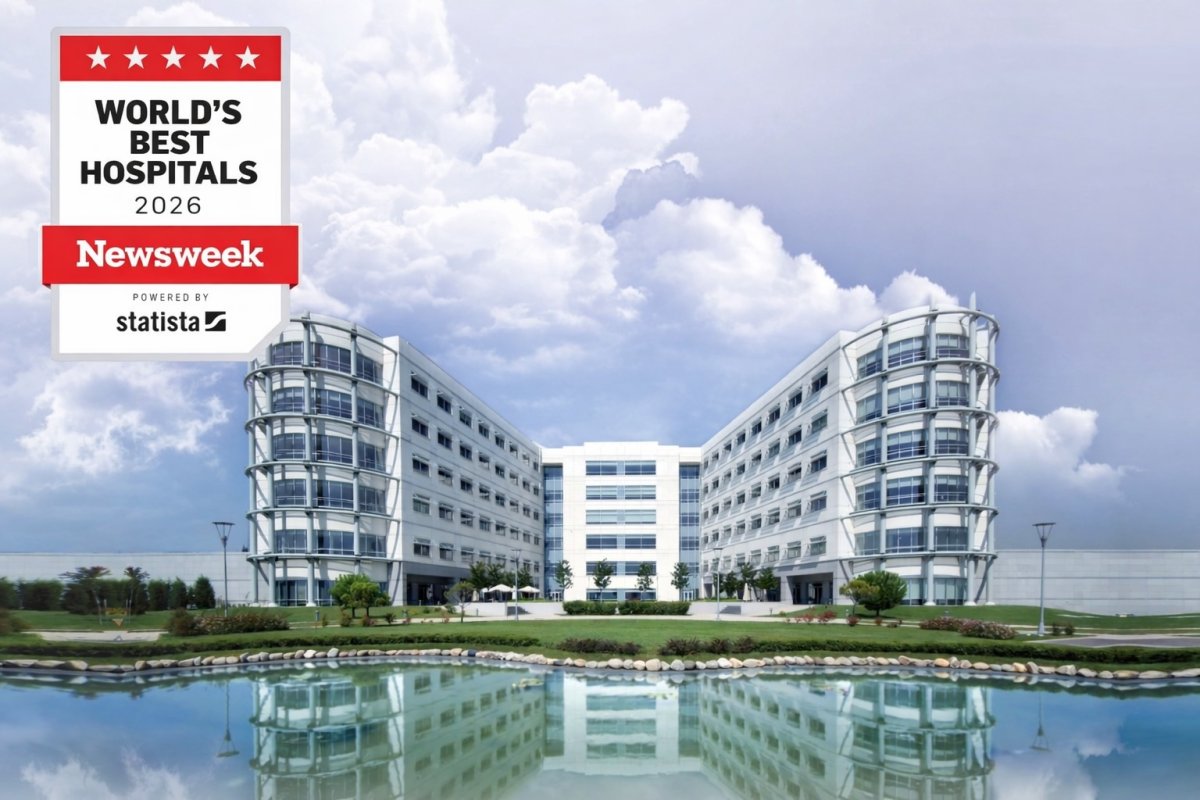
Centro médico Anadolu
Turquía, Estambul
Sinan Karaaslan
29 años de experiencia

acreditaciones : 

Clínica certificada por : 



Revisado médicamente por
Fahad Mawlood
¿Por qué elegir Turquía para la quimioterapia del cáncer de hígado?
Acceda a soluciones avanzadas de quimioterapia para el cáncer de hígado en clínicas de confianza de $2,400.
| España | Turquía | México | |
|---|---|---|---|
| Quimioterapia para el cáncer de hígado | de $2,300 | de $2,400 | ≈ $3,500 |
Bookimed no añade cargos adicionales a los precios de Quimioterapia para el cáncer de hígado. Las tarifas proceden de las listas de precios oficiales de las clínicas. Pagará directamente en la clínica por su Quimioterapia para el cáncer de hígado a su llegada al país.
Bookimed está comprometido con su seguridad. Solo trabajamos con las clínicas que mantienen altos estándares internacionales en Quimioterapia para el cáncer de hígado y tienen las licencias necesarias para atender a pacientes internacionales en todo el mundo.
Bookimed ofrece asistencia experta gratuita. Un coordinador médico personal le apoya antes, durante y después del tratamiento, resolviendo cualquier problema. Nunca estará solo en su viaje médico de Quimioterapia para el cáncer de hígado.

Día 1
Dia 2
Día 3
Día 4- Día 28
Semanas 5-8
Semana 9 en adelante
Tenga en cuenta que la experiencia de cada paciente con la quimioterapia puede variar. Consulta siempre a tu equipo sanitario para obtener el asesoramiento más personalizado.

El médico es un oncólogo médico turco altamente experimentado, especializado en sarcoma, linfoma, cáncer de páncreas, pulmón y mama. Con más de 20 años de experiencia, el médico se centra en la biología tumoral, la inmunología tumoral, la inmunoterapia del cáncer y las terapias dirigidas. Desde 2019, el médico ha estado sirviendo como oncólogo médico en el Centro Médico Anadolu y anteriormente ocupó roles de liderazgo en la Facultad de Medicina de la Universidad Okan de Estambul y en el Hospi

La Dra. Eda Tanrikulu se especializa en oncología médica y quimioterapia en el Centro Médico Anadolu, con un enfoque en el cáncer de hígado.
El doctor se especializa en el manejo del cáncer de mama, colorrectal y del sistema urogenital. Con amplia experiencia desde 2014 en el Centro Médico Anadolu, el doctor ha servido previamente en el Hospital Medical Park, el Hospital de Educación e Investigación Kocaeli Derince y el Hospital Regional de Educación e Investigación de Erzurum. El servicio militar del doctor incluyó un papel como especialista en Oncología Médica en la Academia Médica Militar de Gülhane.<\/p>
Los logros

El Dr. Solak se especializa en cánceres gastrointestinales, incluido el cáncer de hígado, con una subespecialización en el Instituto del Cáncer de la Universidad Hacettepe.
 Olena Sikoza

Consiste en el uso de potentes fármacos para destruir las células cancerosas del hígado, con el fin de reducir el tamaño de los tumores y prevenir la metástasis.
Los tratamientos para el cáncer de hígado primario en Turquía utilizan métodos de administración localizados como la quimioembolización transarterial (TACE) y la radioembolización transarterial (TARE). Los especialistas en centros acreditados por la JCI, como el Anadolu Medical Center, también emplean regímenes sistémicos que incluyen GEMOX y FOLFOX, a menudo combinados con terapias dirigidas como Sorafenib para mejorar los resultados.
Perspectiva del experto de Bookimed: Mientras que muchos centros de EE. UU. utilizan doxorrubicina estándar, las clínicas turcas como Memorial Şişli a menudo priorizan las formulaciones liposomales para la TACE. Esta elección refleja un enfoque en la reducción de los efectos secundarios sistémicos. Los pacientes pueden acceder a estos protocolos de estándar europeo a costos que comienzan desde $1,800, lo que representa un ahorro signifi
Las tasas de éxito de la quimioterapia para el cáncer de hígado en Turquía alcanzan el 70 % en el control tumoral cuando se utilizan métodos de administración dirigida como la quimioembolización transarterial (TACE). Si bien la respuesta a la quimioterapia sistémica suele mantenerse entre el 20 % y el 30 %, la combinación de fármacos con inmunoterapia aumenta las tasas de control de la enfermedad al 50 % en casos complejos.
Perspectiva de expertos de Bookimed: Los centros oncológicos turcos como el Anadolu Medical Center cierran la brecha entre la quimioterapia estándar y los resultados de alta gama mediante los protocolos de Johns Hopkins. Al utilizar la radioembolización con Y-90 en lugar de solo fármacos sistémicos, los hospitales universitarios aumentan las tasas de respuesta al 50 %. Este enfoque especializado supe
Los efectos secundarios comunes de la quimioterapia para el cáncer de hígado incluyen fatiga intensa, náuseas y vómitos, que a menudo ocurren a los pocos días del tratamiento. Los pacientes experimentan con frecuencia pérdida de cabello, llagas en la boca y un mayor riesgo de infección debido al bajo recuento de glóbulos blancos. También son posibles reacciones específicas del hígado, como ictericia o hinchazón abdominal.
Perspectiva de expertos de Bookimed: Los datos de centros turcos de primer nivel, como el Anadolu Medical Center, muestran una tendencia a combinar la quimioterapia sistémica con terapias dirigidas al hígado, como la TACE. Si bien este enfoque dual es altamente efectivo, a menudo amplifica las erupciones cutáneas y el dolor abdominal localizado en comparación con las infusiones estándar. Los pacientes debe
El Anadolu Medical Center, el Memorial Healthcare Group y el Medipol Mega University Hospital son instalaciones turcas de primer nivel para la quimioterapia del cáncer de hígado. Estos centros acreditados por la JCI utilizan juntas de tumores multidisciplinarias y protocolos sistémicos avanzados. Los oncólogos expertos a menudo integran terapias dirigidas con procedimientos intervencionistas como la TACE para mejorar los resultados de los pacientes.
Perspectiva del experto de Bookimed: Los datos muestran que el Anadolu Medical Center sigue siendo la instalación más solicitada, atendiendo a más de 65,000 pacientes al año. Su colaboración con Johns Hopkins permite a los pacientes acceder a protocolos de tratamiento de estándar estadounidense en Estambul. Esta conexión proporciona un puente clínico