Enucleación de tumor en páncreas en Turquía: las 11 mejores clínicas y sus precios


Revisado médicamente por
Fahad Mawlood
Cómo funciona
¿Cuál es el precio de Enucleación de tumor en páncreas en Turquía? Descubra ahora
| España | Turquía | México | |
|---|---|---|---|
| Enucleación de tumor en páncreas | ≈ $11,500 | de $15,000 | ≈ $9,500 |
Descubra las mejores clínicas de Enucleación de tumor en páncreas en Turquía: 11 opciones verificadas y Precios
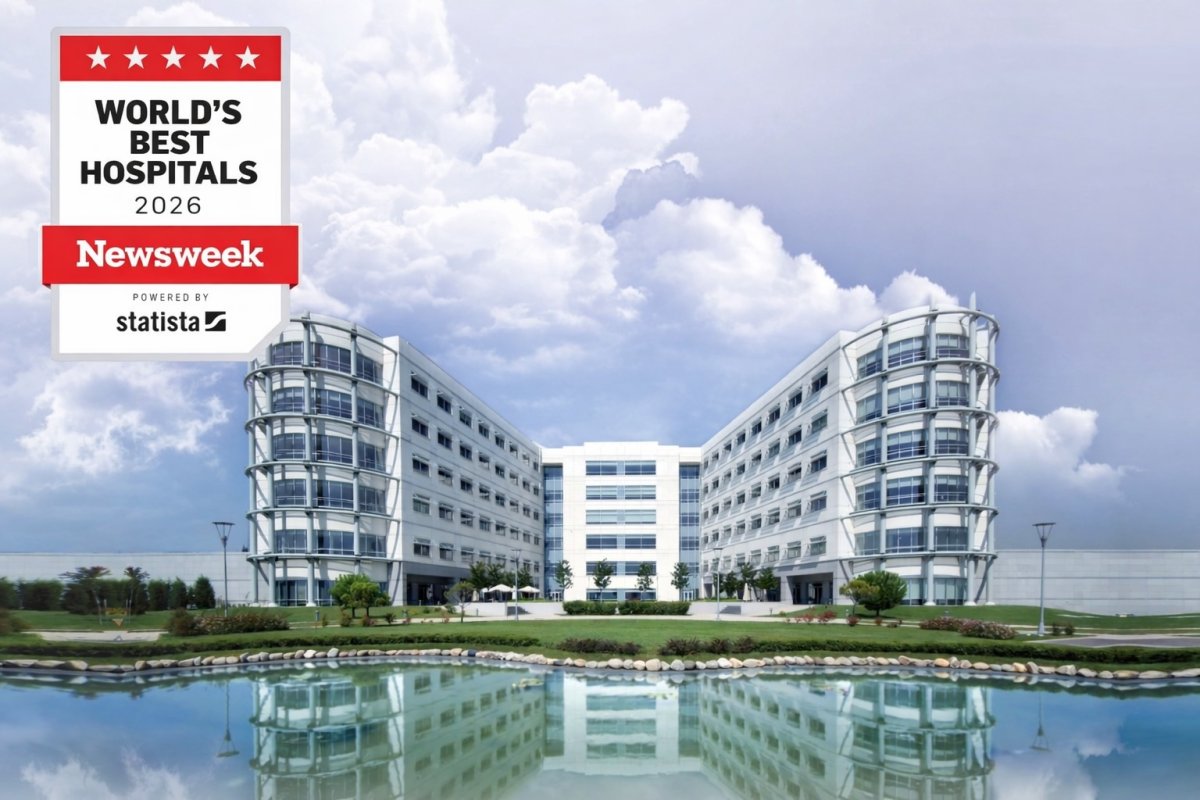










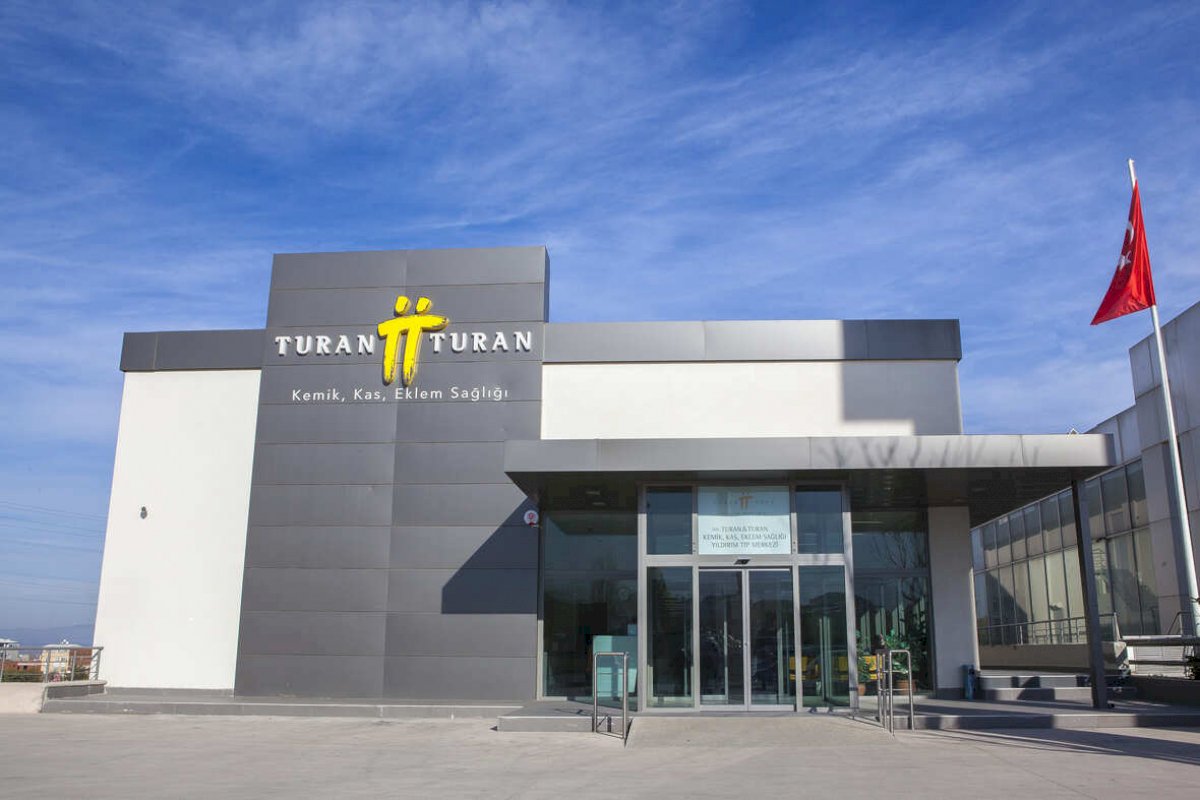
Turan Turan Health Group





Descripción general de Enucleación de tumor en páncreas en Turquía
- Cirugía de Whipple - de $15,900La operación extirpa partes del páncreas, el estómago y los conductos biliares para tratar el cáncer de páncreas.
- Pancreatectomía distal - de $14,800El procedimiento consiste en extirpar el extremo de la cola del páncreas para tratar enfermedades como el cáncer y evitar una mayor propagación.
- Enucleación de tumor en páncreas - de $15,000El procedimiento consiste en extirpar quirúrgicamente los bultos pancreáticos, preservar la función del órgano y ofrecer una recuperación más rápida.
- Cirugía de cáncer de páncreas - de $12,000El procedimiento elimina las células malignas, con el objetivo de aliviar los síntomas, mejorar la calidad de vida y aumentar las tasas de supervivencia.
Día 1
- Llegada al hospital y check in en recepción.
- Complete el papeleo necesario y el historial médico.
- Consulte con un especialista para discutir el procedimiento.
Dia 2
- Someterse a las pruebas médicas preoperatorias necesarias.
- Reúnase con el anestesiólogo para discutir las opciones de anestesia.
- Prepárese mental y físicamente para la operación.
Día 3
- Someterse a la enucleación del tumor en el páncreas.
- El procedimiento dura aproximadamente 2-3 horas.
- El proceso consiste en extirpar el tumor del páncreas.
- Después de la operación, permanezca en la sala de recuperación hasta que desaparezca el efecto de la anestesia.
Día 4-7
- Estancia en el hospital para seguimiento postoperatorio.
- Someterse a controles y pruebas de rutina por parte del equipo médico.
Semana 2
- Comience la rehabilitación en casa con visitas periódicas al hospital.
- Comience con ejercicio ligero bajo la supervisión de un profesional.
Semana 4
- Continúe con la rehabilitación y comience a regresar a sus actividades normales.
- Puede volver al trabajo, si no implica levantar objetos pesados.
Semana 6
- Puede volver gradualmente a los deportes y otras actividades extenuantes.
- Espere ver los resultados finales y la recuperación completa.
Tenga en cuenta que el tiempo de recuperación de cada paciente puede variar según las condiciones de salud individuales y la respuesta del cuerpo a la cirugía.
- Depósito de Bookimed: 200 $ o 200 €.
- Depósito de la clínica: Pague un porcentaje fijo por adelantado.
Obtenga una evaluación médica de Enucleación de tumor en páncreas en Turquía: haga una consulta con 17 médicos experimentados ahora
Ver todos los médicos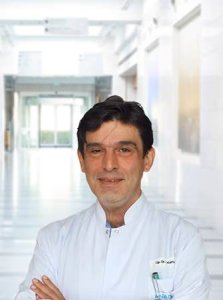
Kemal Rasa
El Dr. Kemal Rasa se especializa en la enucleación mínimamente invasiva de tumores pancreáticos, con más de 29 años de experiencia quirúrgica en hospitales de primer nivel.
- Presidente de la Sociedad Europea de Infecciones Quirúrgicas
- Autor de la Guía Nacional de Prevención de Infecciones Quirúrgicas
- Formado en la Universidad Hacettepe, una de las facultades de medicina líderes en Turquía
- Realiza cirugías complejas de cáncer de páncreas y tiroides

Samet Yardimci
El Prof. Dr. Samet Yardımcı es un destacado cirujano gastroenterólogo con formación especializada en el MD Anderson Cancer Center de Houston.
- Graduado en 2003 por la Facultad de Medicina de la Universidad de Ankara
- Formado en cirugía oncológica avanzada y trasplantes de órganos
- Especialista mejor clasificado en Turquía en los exámenes de cirugía gastroenterológica
- Fundador de unidades de cirugía de enfermedades inflamatorias intestinales
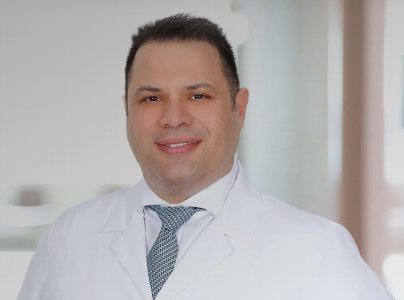
Soykan Barlas
El Dr. Soykan Barlas se especializa en la enucleación de tumores pancreáticos, cuenta con formación avanzada en laparoscopia en Escocia y más de _doctor_8244_ años de experiencia quirúrgica.
- Profesor asociado de cirugía general desde 2020
- Ha publicado más de 20 artículos sobre cirugía general y trasplantes de riñón
- Trabaja en el Hospital VM Medical Park Florya
- Formado en la Facultad de Medicina de Cerrahpaşa

Levent Kaptanoglu
El Dr. Levent Kaptanoglu aporta una amplia experiencia en la extirpación de tumores pancreáticos, tras haberse formado en el Centro de Trasplantes de la Universidad Northwestern.
- Más de _doctor_9579_ años de experiencia en cirugía general
- Especializado en procedimientos hepatobiliares y pancreáticos
- Miembro de varias asociaciones quirúrgicas prestigiosas, incluida la Sociedad Americana de Trasplantes
- Profesor asociado en instituciones médicas líderes de Turquía
Historias en video de pacientes de Bookimed
Reseñas
Todas las reseñasCompartir contenido
 Olena Sikoza
Preguntas frecuentes sobre Enucleación de tumor en páncreas en Turquía
¿Cuándo es el mejor momento para ir a Turquía?
La principal ventaja de los resorts turcos es una larga temporada de playa. En la costa mediterránea, comienza en abril y dura hasta noviembre. En los centros turísticos del mar Egeo, de mayo a octubre. El momento más cómodo para nadar es desde mediados de junio hasta finales de octubre. Una gran afluencia de turistas ocurre en julio-agosto, cuando la temperatura del aire es de + 38 ° C y el agua se calienta a + 27 ° C.
¿Cuál es el nivel de la medicina en Turquía?
El cuidado de la salud es un sector de desarrollo clave del gobierno turco. Las autoridades turcas están convencidas de que el cuidado de la salud de los ciudadanos debe ser una prioridad incondicional de la política estatal y gastan anualmente alrededor de 77 mil millones de liras en atención médica.
Como resultado, 28,000 instalaciones médicas brindan excelente atención médica en el país. Alrededor de 50 centros están certificados por JCI (Comisión Internacional Conjunta) , un organismo internacional para mejorar la calidad y seguridad de los servicios médicos en todo el mundo. El índice de certificados recibidos es el más grande. A modo de comparación, hay 20 instituciones acreditadas por la JCI en Israel y solo 10 clínicas de este tipo en Alemania.
¿Qué necesitas saber sobre Turquía antes de tu viaje?
| Moneda | lira (el pago de los servicios también es posible en dólares y euros) |
| Mejor época para viajar | mayo-octubre |
| Idioma | Turco (la mayoría del personal médico habla inglés con fluidez) |
| Visa | no se requiere para viajar al menos 30 días por visita |
| Diferencia horaria con Europa | 3 horas |
| Diferencia horaria de Estados Unidos | 8 en punto |
| Capital | Ankara |
| Centro de Turismo Médico | Estanbul |
| Estaciones populares | Alanya, Antalya, Kemer, Marmaris |
¿Necesito una visa?
Para 2020, la República de Turquía tiene acuerdos sin visa con 89 estados. Algunos extranjeros están exentos de obtener una visa de entrada, otros deben obtener una visa electrónica (e-Visa) y otros deben solicitar una visa en las representaciones turcas en el extranjero.
Qué estados necesitan una visa para el tratamiento en Turquía y qué países puede cruzar libremente la frontera fácil y simplemente lea aquí .
¿Qué documentos se requieren para solicitar una visa a Turquía para recibir tratamiento?
Las visas para viajar a Turquía requieren una serie de documentos . La documentación necesaria se puede presentar 90 días antes de la salida prevista. La lista de documentos incluye:
- tarjeta de identificación
- confirmación del registro en línea y llenado del cuestionario
- certificado de ingresos y disponibilidad de fondos ($ 50 por día por persona)
- póliza de seguro de estancia en Turquía (original y copia)
- 2 fotos (5x6)
- obtener una visa
- reserva de vuelos y hoteles
- opinión del médico sobre la necesidad de tratamiento.
¿Qué servicios hoteleros se brindan aquí?
En Turquía hay hoteles de diferentes rangos de precios y niveles de servicio. El nivel de los hoteles turcos es comparable al de los hoteles de Túnez, Marruecos o Egipto. La mayoría de los turistas eligen hoteles de 4 y 5 estrellas con comidas todo incluido. Dichos hoteles tienen todo para una estancia confortable: comida variada, amplio territorio bien cuidado, animación para niños y adultos. Algunos hoteles tienen su propio parque acuático, que los huéspedes pueden utilizar de forma gratuita. Los viajeros con poco presupuesto pueden permitirse reservar un hotel económico de 3 estrellas con media pensión o sin comidas.