Hemipelvectomía en Turquía: las 8 mejores clínicas y sus precios


Revisado médicamente por
Fahad Mawlood
¿Cuál es el precio de Hemipelvectomía en Turquía? Descubra ahora
La hemipelvectomía en Turquía suele costar entre $24,000 y $37,000. El precio final depende del tipo de cirugía, la acreditación del hospital y la duración necesaria de la recuperación. Los paquetes generalmente incluyen el procedimiento quirúrgico, las consultas preoperatorias y la hospitalización inicial en centros importantes como Estambul y Bursa.
- Interna frente a externa: La cirugía interna de preservación de extremidades es generalmente más compleja y costosa que la amputación externa.
- Cuidados intensivos: Los casos de alta complejidad que requieren de 5 a 7 días en la UCI aumentan significativamente el costo total.
- Necesidades de reconstrucción: Los costos aumentan cuando son necesarios implantes costosos o reconstrucciones pélvicas avanzadas para la movilidad.
- Estancia hospitalaria: La atención postoperatoria extensa de hasta 30 días puede duplicar el precio base.
Perspectiva del experto de Bookimed: Elegir centros acreditados por la JCI en Estambul proporciona seguridad de alto nivel a tarifas competitivas. El Hospital Memorial Şişli fue el primero en Turquía en obtener la acreditación de la Joint Commission International (JCI). El Hospital privado Medicabil en Bursa reporta una tasa de éxito del 99.9% en procedimientos ortopédicos complejos. Estos centros de alto volumen ofrecen el mejor valor para los pacientes que requieren equipos multidisciplinarios y tecnología quirúrgica avanzada.
| España | Turquía | México | |
|---|---|---|---|
| Hemipelvectomía | ≈ $38,000 | ≈ $24,000 | ≈ $22,000 |
Sus beneficios y garantías con Bookimed
Precios directos
Bookimed no añade cargos adicionales a los precios de Hemipelvectomía. Las tarifas proceden de las listas de precios oficiales de las clínicas. Pagará directamente en la clínica por su Hemipelvectomía a su llegada al país.
Sólo clínicas y médicos verificados
Bookimed está comprometido con su seguridad. Solo trabajamos con las clínicas que mantienen altos estándares internacionales en Hemipelvectomía y tienen las licencias necesarias para atender a pacientes internacionales en todo el mundo.
Asistencia 24/7 gratuita
Bookimed ofrece asistencia experta gratuita. Un coordinador médico personal le apoya antes, durante y después del tratamiento, resolviendo cualquier problema. Nunca estará solo en su viaje médico de Hemipelvectomía.

Su coordinador médico personal de Bookimed
- Le apoya en cada etapa
- Ayuda a elegir la clínica y el médico adecuados
- Asegura un acceso rápido y conveniente a la información
Descubra las mejores clínicas de Hemipelvectomía en Turquía: 8 opciones verificadas y Precios












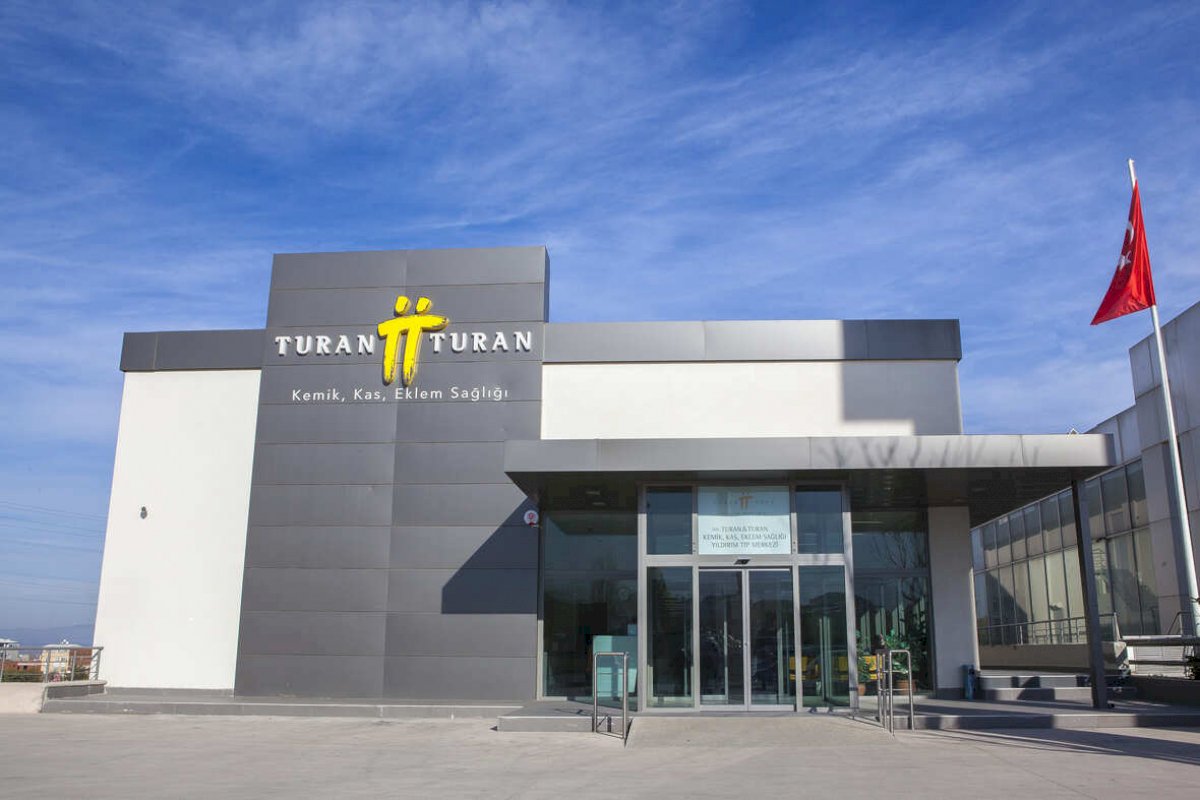
Turan Turan Health Group







Descripción general de Hemipelvectomía en Turquía
- Resección ósea - de $9,000El procedimiento consiste en extirpar quirúrgicamente el hueso dañado, ayuda a tratar enfermedades o lesiones y puede mejorar la función de las extremidades.
- Hemipelvectomía - de $24,000Esta operación extrae parte o todo el hueso pélvico de un paciente para erradicar el cáncer, aliviar el dolor y reducir las complicaciones.
Día 1 - Llegada
- Llegada al hospital y check-in en recepción.
- Reúnase con el equipo médico para una consulta inicial.
- Sométete a un examen físico.
Día 2 - Preoperatorio
- Consulte con un cirujano para discutir el procedimiento.
- Reúnase con un anestesiólogo para analizar las opciones de anestesia.
- Complete todas las pruebas médicas necesarias, incluidos análisis de sangre e imágenes.
Día 3 - Hemipelvectomía
- Llegada al hospital a primera hora de la mañana, en ayunas.
- Someterse al procedimiento de Hemipelvectomía, que dura varias horas.
- Recupérese de la anestesia en la sala de recuperación postoperatoria.
Día 4-7 - Postoperatorio
- Estancia en el hospital para control y manejo del dolor.
- Comience la fisioterapia inicial para promover la recuperación.
- Reúnase con el cirujano para la consulta postoperatoria.
Semana 1-4 - Rehabilitación
- Iniciar fisioterapia intensiva y terapia ocupacional.
- Controle el dolor y el cuidado de las heridas con la ayuda de profesionales médicos.
- Aumente gradualmente la actividad física bajo supervisión.
Semana 5-12 - Rehabilitación continua
- Continuar con las sesiones de fisioterapia.
- Comience a reanudar las actividades diarias según lo tolere.
- Regreso gradual al trabajo, según lo aconseje el equipo médico.
Semana 12 en adelante
- Continúe la rehabilitación en casa o en la clínica ambulatoria.
- Regreso gradual a los deportes y otras actividades.
- La recuperación completa y el resultado final pueden tardar varios meses.
La recuperación de cada paciente de una hemipelvectomía es individual y puede variar según varios factores. Consulta siempre a tu equipo médico para un asesoramiento personalizado.
- Depósito de Bookimed: 200 $ o 200 €.
- Depósito de la clínica: Pague un porcentaje fijo por adelantado.
Obtenga una evaluación médica para Hemipelvectomía en Turquía: Elija su especialista entre los mejores en el campo
Ver todos los médicos
Cem Yalcinkaya
El Dr. Cem Yalcinkaya es profesor asociado y ginecólogo oncólogo en el Centro Médico Anadolu. Se especializa en cirugías de preservación de la fertilidad y procedimientos robóticos para cánceres ginecológicos. El Dr. Yalcinkaya posee un certificado de cirujano robótico para el sistema DaVinci. En 2019, aprobó con éxito el examen de la Sociedad Europea de Oncología Ginecológica (ESGO).
- Cirujano robótico certificado para procedimientos de miomectomía e histerectomía.
- Completó

Mustafa Solak
El Dr. Solak se especializa en el tratamiento de cánceres complejos como el de mama, testicular y gastrointestinal en el Hospital Hisar Intercontinental.
- Completó su beca de especialización en el Instituto del Cáncer de la Universidad de Hacettepe
- Formado en instituciones líderes, incluido el MD Anderson Cancer Center
- Se especializa en una amplia gama de afecciones oncológicas

Mustafa Serkan Alemdar
El Dr. Alemdar se especializa en oncología médica con una amplia formación en la Universidad de Akdeniz, una de las instituciones médicas líderes de Turquía.
- Certificado por el consejo en oncología médica desde 2018
- Más de _doctor_9570_ años de experiencia en medicina interna y oncología
- Trabaja en el complejo hospitalario Medical Park Antalya, una instalación de primer nivel

Gul Alco
La Prof. Dra. Gül Alço es oncóloga radioterápica con unos 27 años de experiencia. Trata cánceres de mama, pulmón, próstata, gastrointestinales, ginecológicos, del sistema nervioso central, de cabeza y cuello, de tejidos blandos y óseos con radioterapia.
Su experiencia incluye radioterapia adaptativa y radiocirugía. Emplea técnicas avanzadas de radiación para ofrecer una atención personalizada y basada en la evidencia en un entorno multidisciplinario centrado en el paciente.
Historias en video de pacientes de Bookimed
Reseñas
Todas las reseñasCompartir contenido
 Olena Sikoza
Preguntas frecuentes sobre Hemipelvectomía en Turquía
¿Cuáles son las complicaciones comunes y las tasas de éxito de la hemipelvectomía?
La hemipelvectomía moderna logra una tasa de supervivencia a 5 años del 25% al 59%, con una mortalidad perioperatoria ahora inferior al 10%. El éxito depende del control local del tumor, aunque las tasas de complicaciones siguen siendo altas, entre el 30% y el 80%, principalmente relacionadas con infecciones del sitio quirúrgico, dehiscencia de la herida y necrosis del colgajo.
- Tasas de éxito: La supervivencia a 5 años promedia el 50% para sarcomas pélvicos sin enfermedad metastásica.
- Control local: Los cirujanos logran el control local del tumor en hasta el 100% de los casos.
- Complicaciones de la herida: Problemas como la necrosis del colgajo cutáneo ocurren en el 34% al 50% de los pacientes.
- Riesgo de infección: Las infecciones del sitio quirúrgico afectan del 10% al 70% de los casos quirúrgicos.
- Salvamento de extremidades: Los procedimientos internos muestran una mejor supervivencia que las amputaciones externas para los pacientes elegibles.
Opinión de expertos de Bookimed: La calidad de vida a menudo disminuye en un 50% durante el primer año, lo que hace que la elección del centro sea fundamental. Clínicas como el Hospital Memorial Şişli y el Hospital Hisar Intercontinental mantienen la acreditación JCI para la seguridad. Los pacientes deben priorizar a los cirujanos que hayan realizado al menos 20 hemipelv
¿Qué hospitales en Turquía se recomiendan para una hemipelvectomía?
Los hospitales turcos de primer nivel para la hemipelvectomía incluyen el Memorial Şişli Hospital, el Hisar Hospital Intercontinental y el Emsey Hospital. Estas instalaciones acreditadas por la JCI proporcionan los equipos multidisciplinarios necesarios, incluidos oncólogos ortopédicos y cirujanos cardiovasculares, esenciales para las resecciones y reconstrucciones complejas de huesos pélvicos en Estambul y Ankara.
- Memorial Şişli Hospital: Primera instalación turca acreditada por la JCI con 13 quirófanos especializados para oncología compleja.
- Hisar Hospital Intercontinental: Cuenta con equipos dedicados de cirugía ortopédica y cardiovascular para resecciones avanzadas de tumores pélvicos.
- Emsey Hospital: Ofrece un Centro de Cirugía de Columna Avanzada capaz de realizar reconstrucciones musculoesqueléticas de alta complejidad.
- Hacettepe University Hospital: Renombrado centro académico en Ankara especializado en reconstrucciones complejas con aloinjertos pélvicos.
Perspectiva de expertos de Bookimed: Aunque muchos buscan hospitales específicos, el factor más crítico para una hemipelvectomía es el volumen de casos personales del cirujano. El Hisar Hospital Intercontinental destaca porque sus especialistas a menudo colaboran entre 61 departamentos. Este trabajo en equipo es vital para gestionar la afectación de los vasos sanguíneos princip
¿Cuál es la diferencia entre una hemipelvectomía interna y externa?
La principal diferencia entre la hemipelvectomía interna y externa es la preservación de la extremidad. La hemipelvectomía interna es una cirugía de preservación de extremidades que elimina secciones del hueso pélvico mientras mantiene la pierna unida. La hemipelvectomía externa, o amputación interilioabdominal, elimina tanto la hemipelvis como toda la pierna para tratar tumores avanzados.
- Estado de la extremidad: La cirugía interna preserva la pierna, mientras que la cirugía externa implica una amputación de alto nivel.
- Objetivo quirúrgico: Los procedimientos internos se centran en el salvamento de la extremidad cuando las estructuras neurovasculares no se ven afectadas por los tumores.
- Resultados de movilidad: Los pacientes que recuperan entre el 50 y el 70 % de su movilidad suelen someterse a una cirugía interna, en comparación con el 20-30 % de la externa.
- Riesgos de recuperación: La hemipelvectomía externa conlleva mayores riesgos de dolor de miembro fantasma e infecciones en el sitio quirúrgico.
Perspectiva del experto de Bookimed: Los centros oncológicos turcos como el Hisar Hospital Intercontinental cuentan con cirujanos formados en las mejores instituciones mundiales, incluido el MD Anderson. Los datos muestran que estos especialistas priorizan la hemipelvectomía interna para los sarcomas con el fin de maximizar la calidad de v
¿Qué servicios de apoyo se proporcionan a los pacientes internacionales de hemipelvectomía en Turquía?
El apoyo internacional para pacientes de hemipelvectomía en Turquía incluye coordinadores personales dedicados que gestionan la logística médica, asistencia con visas y traducción de idiomas 24/7. Centros especializados como el Hospital Memorial Şişli y el Hospital Intercontinental Hisar ofrecen equipos de oncología multidisciplinarios, traslados del aeropuerto al hospital y seguimiento remoto para casos de recuperación complejos.
- Coordinadores personales: Gestionan citas hospitalarias, registros médicos y servicios de traducción profesional.
- Asistencia logística: Proporcionan apoyo con visas, reservas de vuelos y alojamiento local para familias.
- Servicios de llegada: Incluyen traslados gratuitos al aeropuerto y transporte en ambulancia médica cuando sea necesario.
- Equipos clínicos multidisciplinarios: Combinan oncólogos ortopédicos, cirujanos y expertos en rehabilitación para la atención.
Perspectiva del experto de Bookimed: Si bien las clínicas turcas destacan en cirugías complejas, el Hospital Intercontinental Hisar sobresale por sus premios al servicio general al paciente. Los datos muestran que algunos hospitales ofrecen hasta 30 días de estancia hospitalaria. Esto es crítico para casos de hemipelvectomía donde la monitorización postoperatoria inmediata es vital para la seguridad.
Consenso de los pacientes: