Liposucción del área suprapúbica en hombres en Turquía — encuentre las 3 mejores clínicas con costos


Revisado médicamente por
Fahad Mawlood
Cómo funciona
¿Cuál es el precio de Liposucción del área suprapúbica en hombres en Turquía? Descubra ahora
De $2,500. El precio depende de la clínica, la experiencia del cirujano y si se requiere liposucción o escisión quirúrgica. En Estados Unidos, el costo promedio es de $9,000 (según la ASPS). Esto significa que la eliminación de FUPA masculino en Turquía es aproximadamente un 72% menos costosa que en EE. UU.
Las clínicas turcas suelen incluir la consulta inicial, análisis de sangre preoperatorios, medicación postoperatoria, visitas de seguimiento y atención al paciente 24/7. También se cuenta con personal que habla inglés, comidas durante las visitas a la clínica y planes de atención personalizados. En EE. UU., muchos de estos servicios—como los seguimientos o la medicación postoperatoria—se facturan por separado. Siempre confirmar qué está incluido con la clínica elegida.
Beneficios clave
- Obtén la eliminación de FUPA masculina en Turquía a un 60% menos que en EE. UU.
- Opciones disponibles: liposucción asistida por láser, liposucción VASER®, y CoolSculpting®.
- Revisión gratuita de fotos por un médico experto para determinar la mejor opción de eliminación de grasa.
- 100% garantía de protección de datos y confidencialidad.
- Ofertas exclusivas de clínicas turcas de confianza de $2,500.
| Turquía | España | Estados Unidos | |
|---|---|---|---|
| Liposucción del área suprapúbica en hombres | de $2,500 | ≈ $4,300 | ≈ $6,500 |
Descubra las mejores clínicas de Liposucción del área suprapúbica en hombres en Turquía: 7 opciones verificadas y Precios




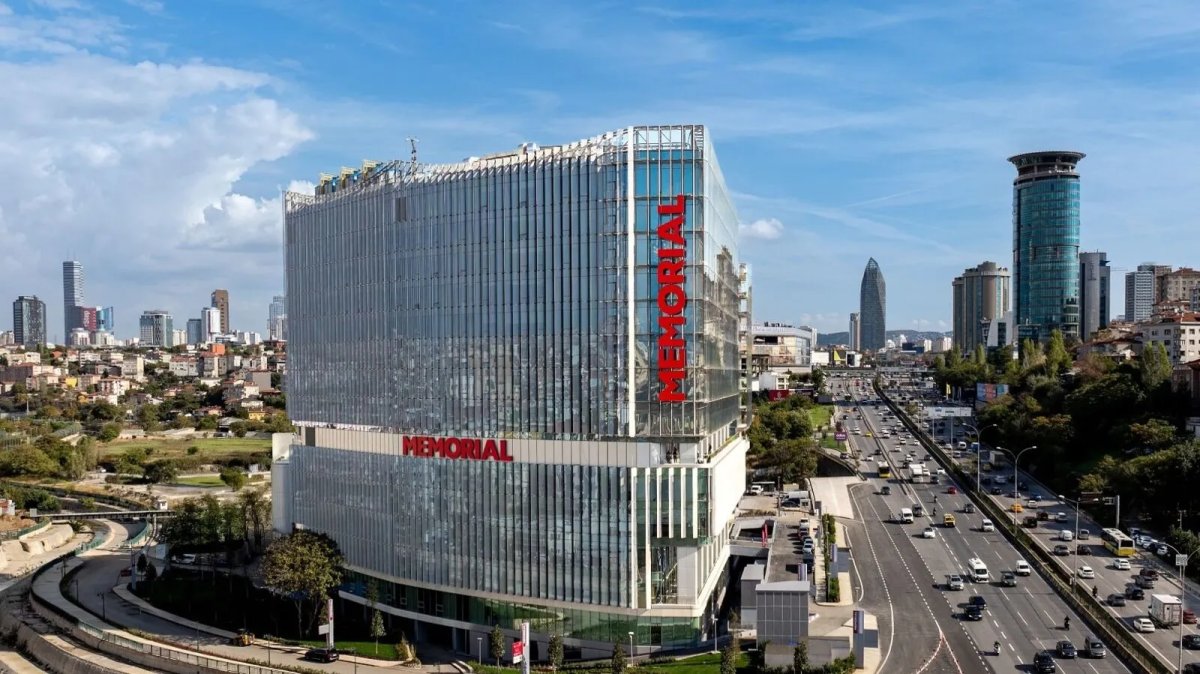
Memorial Göztepe Hospital

Istanbul Aesthetic Plastic Surgery Center




Descripción general de Liposucción del área suprapúbica en hombres en Turquía
- Reducción de grasa - de $2,000Esta terapia reduce el exceso de grasa corporal, mejorando la apariencia física y la salud a través de métodos no invasivos o quirúrgicos.
- Liposucción del área suprapúbica en hombres - de $2,500Este procedimiento quirúrgico elimina el exceso de grasa y piel de la zona púbica superior, mejorando el aspecto y la comodidad, a la vez que suele implicar un período de recuperación sencillo.
- Depósito de Bookimed: 200 $ o 200 €.
- Depósito de la clínica: Pague un porcentaje fijo por adelantado.
Obtenga una evaluación médica para Liposucción del área suprapúbica en hombres en Turquía: Elija su especialista entre los mejores en el campo
Ver todos los médicos
Aysel Pasazade
La Dra. Aysel Pasazade es cirujana plástica, reconstructiva y estética. Se graduó en la Facultad de Medicina Cerrahpaşa de la Universidad de Estambul y se especializó en la Facultad de Medicina de la Universidad de Bursa Uludağ. Posee la certificación de la Junta Europea de Cirugía Plástica, Reconstructiva y Estética (EBOPRAS).
Ha trabajado en hospitales universitarios y clínicas privadas. Asiste a congresos internacionales, cursos de cirugía en vivo y formación avanzada, lo que mantie

Cemal Firat
Profesor desde 2019, Cemal Firat se especializa en procedimientos reconstructivos y estéticos en Medical Park Antalya.
- Experto en microcirugía y reparación de lesiones nerviosas
- Realiza cirugías estéticas y reconstructivas avanzadas
- Tesis centrada en los resultados quirúrgicos a largo plazo
- Experiencia en el manejo de casos quirúrgicos complejos
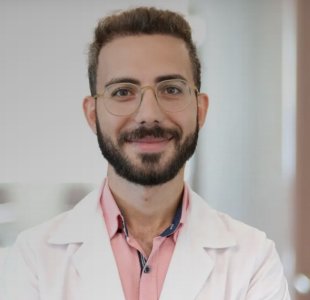
Emrah Koksal
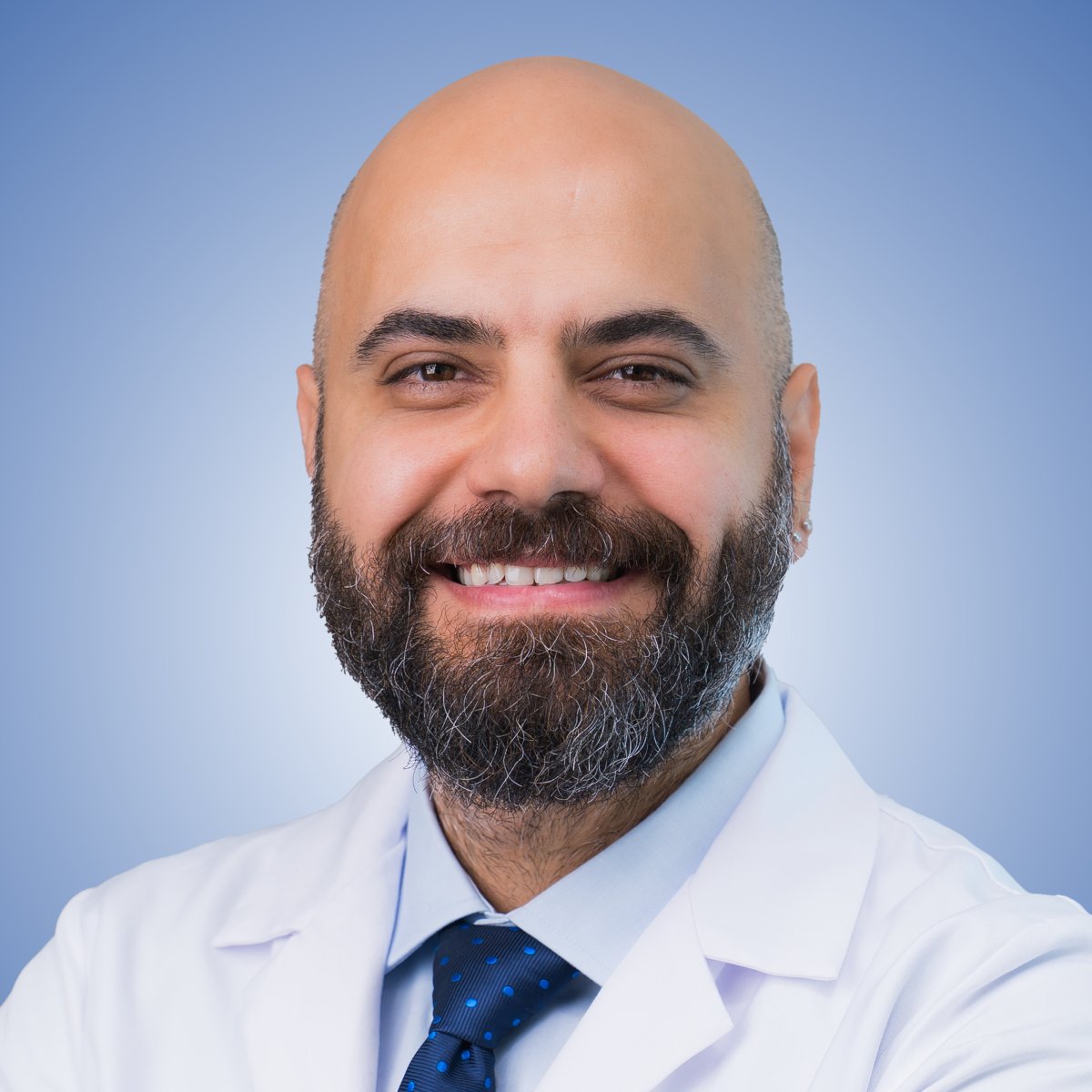
El Dr. Koksal se especializa en cirugía plástica estética y reconstructiva, con un enfoque en procedimientos de contorno corporal masculino en el Hospital MedicalPark Göztepe.
- _doctor_10694_años_ de formación en cirugía plástica en la Academia Médica Militar de Gülhane
- Miembro de la Sociedad Internacional de Cirugía Plástica Estética (ISAPS)
- Afiliado a la Asociación Turca de Cirugía Plástica, Reconstructiva y Estética
- Actualmente ejerce en el Hospital BAU MedicalPark Göztepe
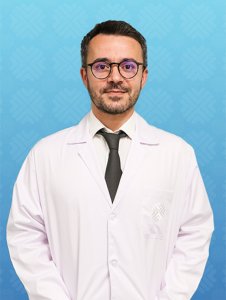
Aziz Parspanci
Especializado en estética corporal y cirugía reconstructiva en el Hospital Universitario Medipol Pendik.
- Formado en cirugía plástica, reconstructiva y estética
- Con experiencia en diversos procedimientos de contorno corporal
- Experto tanto en cirugías primarias como de revisión
Historias en video de pacientes de Bookimed
Reseñas
Todas las reseñas











Compartir contenido
 Olena Sikoza
Preguntas frecuentes sobre Liposucción del área suprapúbica en hombres en Turquía
¿Qué técnicas quirúrgicas se utilizan para la eliminación del FUPA masculino en Turquía?
Los cirujanos en Turquía utilizan principalmente la liposucción Vaser, la monsplastia y la lipectomía suprapúbica para eliminar el FUPA masculino. Estas técnicas se dirigen a la grasa persistente y a la piel flácida para restaurar los contornos masculinos. Las clínicas especializadas a menudo combinan la eliminación de grasa asistida por ultrasonido con el esculpido de alta definición para obtener resultados atléticos y un alargamiento peneano visible.
- Liposucción Vaser: Utiliza energía ultrasónica para licuar la grasa mientras preserva los tejidos conectivos y tensa la piel.
- Monsplastia (Lifting púbico): Elimina quirúrgicamente el exceso de piel y eleva el tejido restante a una posición más firme.
- HD-lipo (Alta definición): Emplea un grabado de precisión para crear una apariencia atlética en la región abdominal inferior.
- Mini-abdominoplastia: Aborda la laxitud cutánea localizada combinando el tensado abdominal inferior con la reducción de grasa púbica.
Perspectiva del experto de Bookimed: Aunque muchos buscan la eliminación de grasa por sí sola, los datos de los centros de Estambul muestran una tendencia a combinar la liposucción Vaser con la tecnología Renuvion. La Dra. Leyla Arvas del Quartz Hospital, instructora certificada de Vaser, utiliza a menudo esta combinación para evitar la necesidad de una escisión cutánea invasiva. Este en
¿Cuál es el cronograma típico de recuperación después de una cirugía de eliminación de FUPA en hombres?
La recuperación tras la eliminación de FUPA en hombres generalmente permite volver al trabajo de oficina en un plazo de 7 a 14 días. La mayoría de los pacientes retoman las caminatas ligeras a partir de la tercera semana, mientras que la actividad física completa y el ejercicio en el gimnasio requieren de 4 a 6 semanas. Los contornos estéticos finales suelen estabilizarse 6 meses después de la cirugía.
- Curación inicial: La hinchazón y los hematomas significativos alcanzan su punto máximo durante los días 3 a 5 después del procedimiento.
- Regreso al trabajo: La mayoría de los hombres retoman cómodamente sus tareas de oficina no extenuantes a partir de la segunda o tercera semana.
- Actividad física: El cardio ligero está permitido a las 4 semanas, pero levantar objetos pesados requiere 8 semanas.
- Terapia de compresión: El uso de prendas médicas especializadas durante 4 a 6 semanas es obligatorio para obtener resultados.
- Sensibilidad nerviosa: El entumecimiento temporal en la región púbica a menudo persiste durante 2 a 3 meses.
Perspectiva del experto de Bookimed: Los datos de clínicas de Estambul como el Hospital Quartz muestran que estar sentado causa más molestias que caminar. Los pacientes a menudo subestiman la presión que los cinturones de seguridad o las sillas de oficina ejercen sobre el lugar de la incisión
¿Quién se considera un candidato ideal para la eliminación de FUPA masculino?
Un candidato ideal para la eliminación de FUPA masculino es un hombre sano cerca de su peso objetivo con grasa púbica localizada resistente al ejercicio. Los candidatos adecuados mantienen la estabilidad de peso durante 6 meses y poseen suficiente elasticidad cutánea para un contorno suave. Este procedimiento a menudo aborda preocupaciones como el síndrome del pene enterrado para mejorar la estética íntima.
- Estabilidad de peso: Los candidatos deben permanecer dentro de las 20 libras (aprox. 9 kg) de su peso objetivo durante 6 meses.
- Calidad de la piel: Una buena elasticidad asegura que la piel se adhiera a los nuevos contornos después de la extracción de grasa.
- Estado de salud: Los no fumadores sin diabetes no controlada ni enfermedades cardíacas logran la curación más fiable.
- Enfoque anatómico: El procedimiento se dirige a la grasa subcutánea en lugar de la grasa abdominal visceral profunda.
Perspectiva del experto de Bookimed: Los datos de las mejores clínicas de Estambul, como el Quartz Hospital, muestran una preferencia por la liposucción Vaser en hombres más jóvenes. Esta tecnología preserva el tejido conectivo, lo cual es vital para la retracción de la piel en la zona púbica. Para los pacientes que han perdido más de 50 libras (aprox. 23 kg), los cirujanos a menudo recomiendan combinar la liposucción con un levantamiento púbico. E
¿Es seguro viajar a Turquía para esta cirugía?
Viajar a Turquía para la eliminación de FUPA en hombres es seguro si se limita a centros médicos establecidos como Estambul y Antalya. Estas ciudades cuentan con instalaciones acreditadas por la JCI y cirujanos certificados por la Sociedad Internacional de Cirugía Plástica Estética (ISAPS) que realizan un gran volumen de procedimientos de liposucción VASER anualmente.
- Seguridad regional: Los principales centros médicos permanecen estables y lejos de las zonas de conflicto de la frontera sureste.
- Estándares clínicos: Las clínicas turcas de primer nivel utilizan tecnología VASER avanzada para obtener resultados más planos y precisos.
- Experiencia del cirujano: Especialistas líderes como la Dra. Leyla Arvas son formadores de liposucción VASER reconocidos internacionalmente.
- Acreditación hospitalaria: Instalaciones como el Istanbul Aesthetic Plastic Surgery Center mantienen estrictos protocolos de seguridad de la JCI.
Perspectiva de expertos de Bookimed: Los datos sugieren que un diferenciador de seguridad importante es la formación especializada del cirujano en lugar de solo el tamaño de la clínica. Por ejemplo, el Quartz Hospital cuenta con un formador VASER certificado, lo que a menudo se correlaciona con tasas de revisión más bajas. Elegir a un cirujano de nivel formador garantiza que manejen las complejidades específicas del tejido fibr