Múltiples transecciones subpiales en Turquía: las 11 mejores clínicas y sus precios


Revisado médicamente por
Fahad Mawlood
Cómo funciona
¿Cuál es el precio de Múltiples transecciones subpiales en Turquía? Descubra ahora
Multiple subpial transections in Turkey typically cost from $12,500 to $18,500. The total price depends on the hospital tier, pre-surgical mapping complexity, and the duration of stay in the intensive care unit. Standard packages in Turkish JCI-accredited hospitals usually include surgical fees, diagnostic imaging, airport transfers, and hospital stay.
- Hospital tier: Prices at standard international-tier hospitals are lower than at premium facilities.
- Neuromapping: Advanced pre-operative brain mapping or intraoperative MRI increases the final cost.
- Medical hubs: Most procedures are performed in Istanbul, Ankara, and Izmir.
- ICU stay: The number of days spent in intensive care directly affects the total budget.
Bookimed Expert Insight: Turkish university hospitals offer high technical precision for complex epilepsy. Experts like Dr. Nejat Akalan utilize intraoperative MRI and O-arm systems. Memorial Sisli Hospital provides packages starting around $25,650. These typically include preoperative tests, neurosurgeon consultations, and a 5-day hospital stay. Choosing a LEED Platinum-certified facility like Memorial Bahcelievler ensures high-tech infrastructure near Istanbul Airport. The most successful approach combines advanced video-EEG monitoring with specialized interventional neuroradiology for seizure control.
| España | Turquía | México | |
|---|---|---|---|
| Múltiples transecciones subpiales | de $67,400 | ≈ $12,500 | ≈ $14,000 |
Descubra las mejores clínicas de Múltiples transecciones subpiales en Turquía: 11 opciones verificadas y Precios








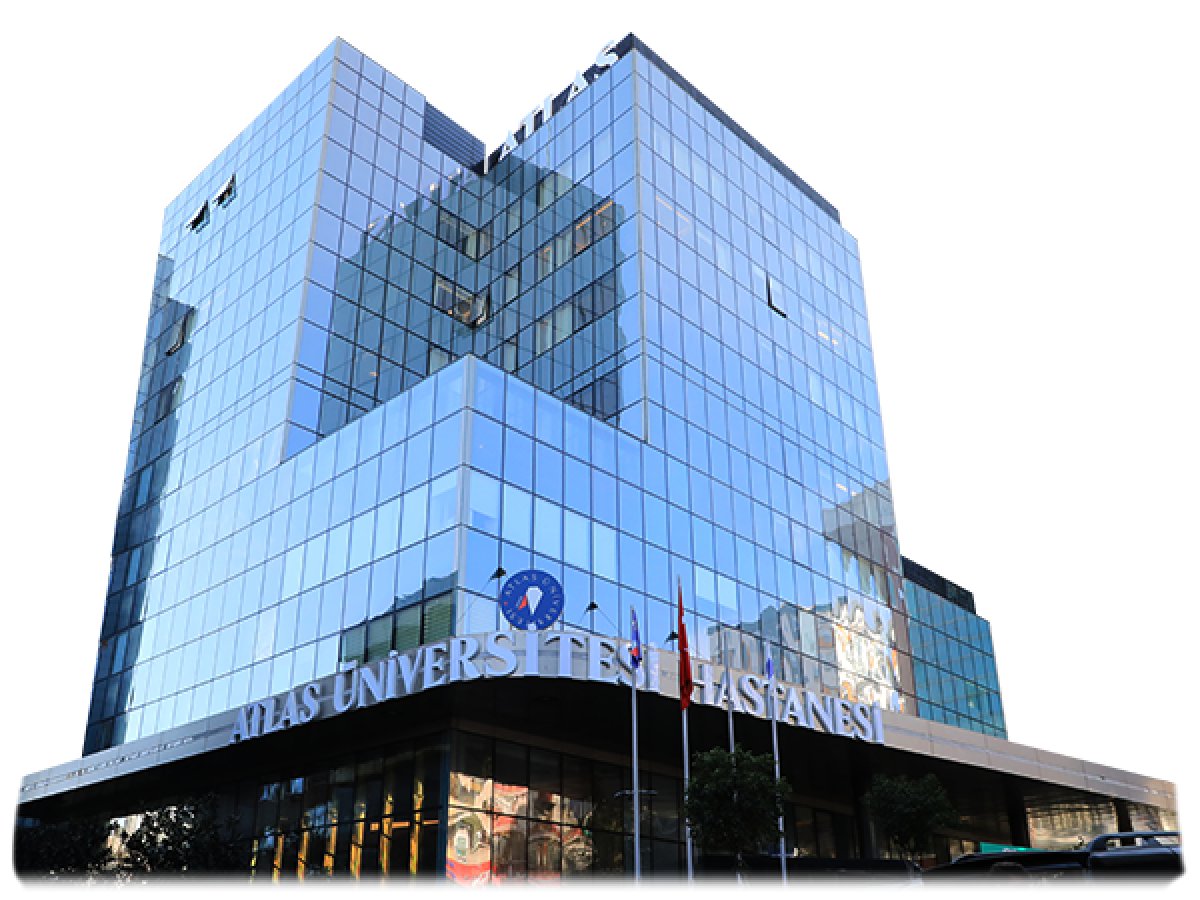








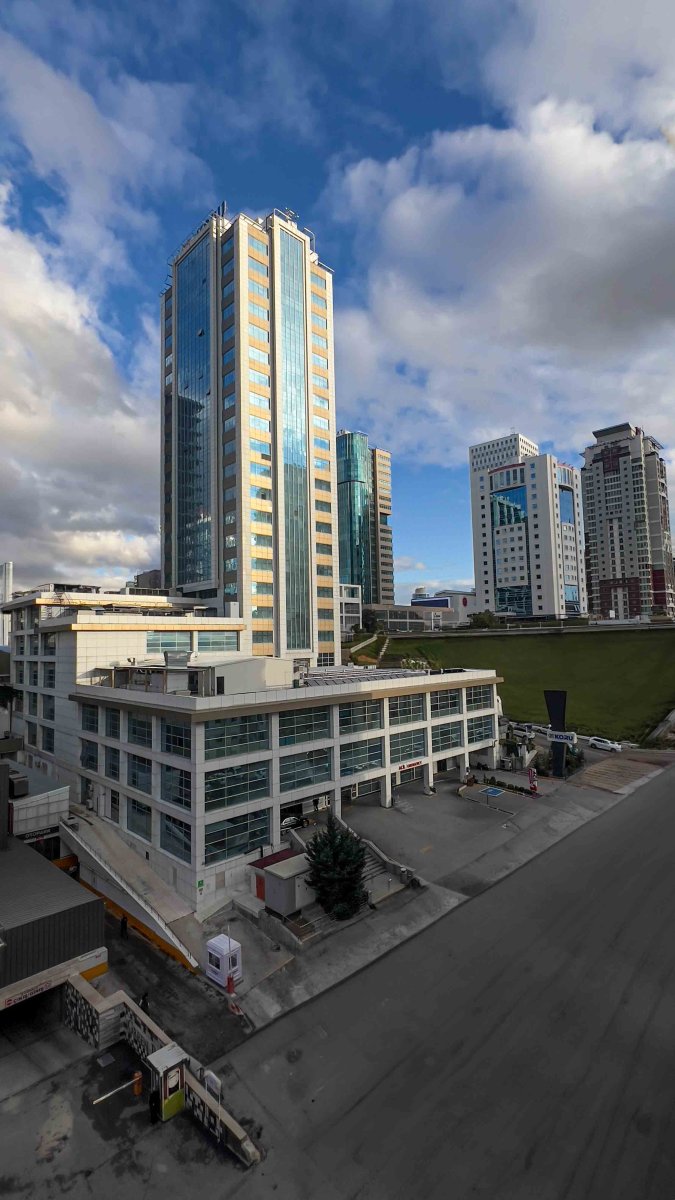


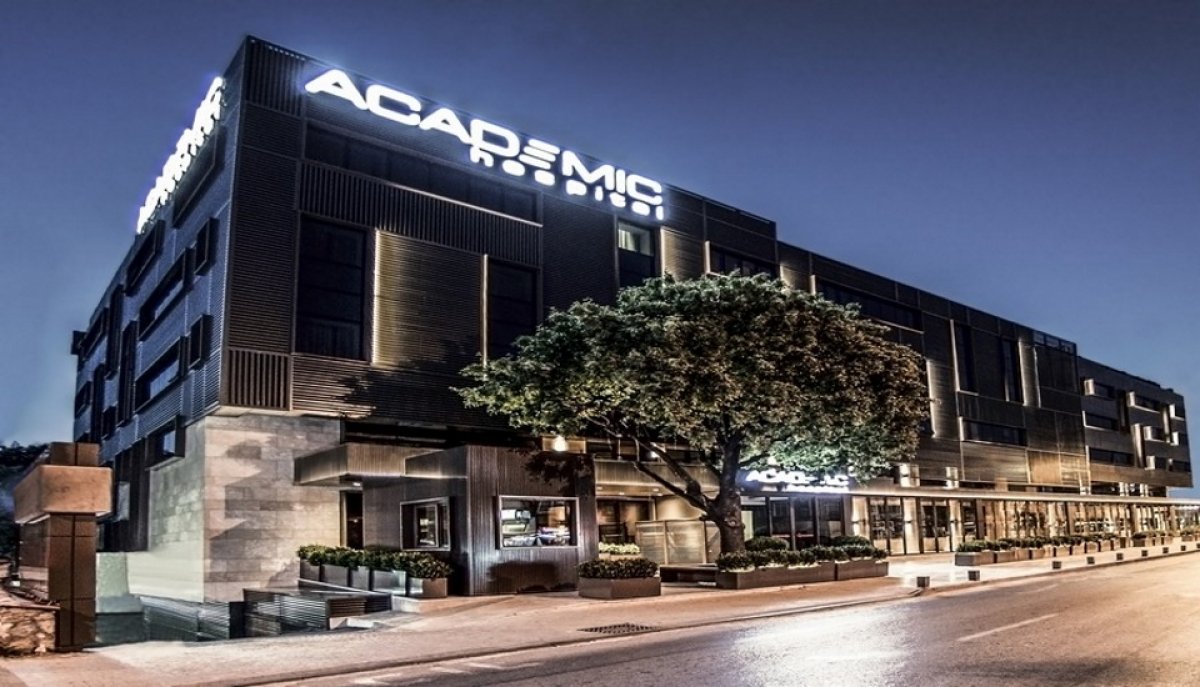
Descripción general de Múltiples transecciones subpiales en Turquía
- Múltiples transecciones subpiales - de $12,500Esta cirugía corta las fibras nerviosas del cerebro para detener la epilepsia grave sin extirpar tejido cerebral.
- Estimulación del nervio vago - de $20,000Esta terapia envía impulsos eléctricos al cerebro, controlando el estado de ánimo y la actividad convulsiva, beneficiosa para pacientes psiquiátricos y con epilepsia.
- Tratamiento quirúrgico de la epilepsia - de $13,500El procedimiento elimina el tejido cerebral que causa convulsiones, mejorando la calidad de vida de los pacientes y reduciendo los medicamentos.
- Tratamiento con medicamentos para la epilepsia - de $1,400Esta terapia utiliza medicamentos para controlar las convulsiones, lo que ayuda a los pacientes a llevar una vida normal y activa.
Día 1 - Llegada
- Llegue al hospital y complete el registro.
- Reúnase con su equipo de atención para analizar el procedimiento.
- Someterse a las pruebas preoperatorias necesarias, como EEG.
- Consultar con neurólogo y neurocirujano.
Día 2 - Preoperatorio
- Reúnase con el anestesiólogo para discutir el plan de anestesia.
- Someterse a un examen físico preoperatorio.
- Abstenerse de comer o beber después de la medianoche.
Día 3 - Operación
- Se realiza una cirugía de transecciones subpiales múltiples.
- La cirugía puede durar de 2 a 4 horas.
- Se utiliza anestesia general durante el procedimiento.
Día 4 - Postoperatorio
- Permanezca en la UCI para una estrecha vigilancia.
- Recuperación gradual con analgésicos y anticonvulsivos.
Día 5 a 7 - Estancia en el Hospital
- Continuar la recuperación en el hospital bajo supervisión.
- Iniciar fisioterapia si es necesario.
Semana 1 - Rehabilitación
- Alta hospitalaria con medicación y plan de cuidados.
- Cita de seguimiento con neurocirujano.
- Regresar gradualmente a las actividades diarias.
Semana 2 a 4 - Rehabilitación
- Continúe con la terapia física y ocupacional si es necesario.
- Regreso gradual al trabajo si lo aprueba el médico.
- Continúe con las citas de seguimiento.
Semana 8 - Resultado Final
- Recuperación total y regreso a las actividades normales.
- Cita de seguimiento final con el neurocirujano.
Tenga en cuenta que el cronograma anterior es una guía general; los tiempos de recuperación individuales pueden variar según los factores de salud personales.
- Depósito de Bookimed: 200 $ o 200 €.
- Depósito de la clínica: Pague un porcentaje fijo por adelantado.
Obtenga una evaluación médica de Múltiples transecciones subpiales en Turquía: haga una consulta con 22 médicos experimentados ahora
Ver todos los médicos
Mehmet Tonge
El Dr. Mehmet Tonge se especializa en neurocirugía estereotáctica y funcional, con una amplia experiencia investigadora y clínica en trastornos del movimiento y cirugía de la epilepsia.
- Más de _doctor_7408_ años de experiencia en neurocirugía funcional
- Ha publicado 32 artículos internacionales sobre técnicas estereotácticas
- Miembro de la junta directiva de la Sección de Neurocirugía Estereotáctica y Funcional de la Sociedad Turca de Neurocirugía
- Formación de fellowship en el Hospital Universitario de Zúrich y la Universidad de Maastricht
- Miembro activo de la WSSFN y la ESSFN

Hasan Ozgur Ozdemir
El Prof. Dr. Hasan Özgür Özdemir se especializa en procedimientos neuroquirúrgicos complejos, incluidas las transecciones subpiales múltiples, en el complejo hospitalario Medical Park Antalya.
- Más de _doctor_9311_años_ de experiencia en neurocirugía
- Experto en cirugía cerebral endoscópica y operaciones vasculares
- Primer lugar en el examen de competencia de la Sociedad Turca de Neurocirugía
- Miembro de la Sociedad Turca de Neurocirugía y de la Asociación Médica Turca

Ramazan Sari
Profesor asociado de neurocirugía con más de _doctor_8454_ años de experiencia, especializado en procedimientos neuroquirúrgicos complejos en el Hospital Istanbul Florence Nightingale.
- Especializado en neurocirugía en el Hospital de Formación e Investigación S.B. Göztepe
- Contribuyó al establecimiento del Departamento de Neurocirugía en la Universidad Medipol
- Dominio avanzado del inglés para consultas de pacientes internacionales
- Activo en la enseñanza académica y la gestión de neurocirugía desde 2012

Baris Topcular
El Dr. Baris Topcular se especializa en neurología con una amplia formación en Suiza y Turquía, centrándose en afecciones neurológicas complejas.
- Graduado de la Facultad de Medicina de la Universidad de Estambul Cerrahpaşa
- Formado en la Clínica de Neurología de la Universidad de Basilea
- Trabaja en el Hospital Florence Nightingale de Estambul
- Experto en demencia y trastornos del movimiento
Historias en video de pacientes de Bookimed
Reseñas
Todas las reseñas


Compartir contenido
 Olena Sikoza
Preguntas frecuentes sobre Múltiples transecciones subpiales en Turquía
¿Cuándo es el mejor momento para ir a Turquía?
La principal ventaja de los resorts turcos es una larga temporada de playa. En la costa mediterránea, comienza en abril y dura hasta noviembre. En los centros turísticos del mar Egeo, de mayo a octubre. El momento más cómodo para nadar es desde mediados de junio hasta finales de octubre. Una gran afluencia de turistas ocurre en julio-agosto, cuando la temperatura del aire es de + 38 ° C y el agua se calienta a + 27 ° C.
¿Cuál es el nivel de la medicina en Turquía?
El cuidado de la salud es un sector de desarrollo clave del gobierno turco. Las autoridades turcas están convencidas de que el cuidado de la salud de los ciudadanos debe ser una prioridad incondicional de la política estatal y gastan anualmente alrededor de 77 mil millones de liras en atención médica.
Como resultado, 28,000 instalaciones médicas brindan excelente atención médica en el país. Alrededor de 50 centros están certificados por JCI (Comisión Internacional Conjunta) , un organismo internacional para mejorar la calidad y seguridad de los servicios médicos en todo el mundo. El índice de certificados recibidos es el más grande. A modo de comparación, hay 20 instituciones acreditadas por la JCI en Israel y solo 10 clínicas de este tipo en Alemania.
¿Qué necesitas saber sobre Turquía antes de tu viaje?
| Moneda | lira (el pago de los servicios también es posible en dólares y euros) |
| Mejor época para viajar | mayo-octubre |
| Idioma | Turco (la mayoría del personal médico habla inglés con fluidez) |
| Visa | no se requiere para viajar al menos 30 días por visita |
| Diferencia horaria con Europa | 3 horas |
| Diferencia horaria de Estados Unidos | 8 en punto |
| Capital | Ankara |
| Centro de Turismo Médico | Estanbul |
| Estaciones populares | Alanya, Antalya, Kemer, Marmaris |
¿Necesito una visa?
Para 2020, la República de Turquía tiene acuerdos sin visa con 89 estados. Algunos extranjeros están exentos de obtener una visa de entrada, otros deben obtener una visa electrónica (e-Visa) y otros deben solicitar una visa en las representaciones turcas en el extranjero.
Qué estados necesitan una visa para el tratamiento en Turquía y qué países puede cruzar libremente la frontera fácil y simplemente lea aquí .
¿Qué documentos se requieren para solicitar una visa a Turquía para recibir tratamiento?
Las visas para viajar a Turquía requieren una serie de documentos . La documentación necesaria se puede presentar 90 días antes de la salida prevista. La lista de documentos incluye:
- tarjeta de identificación
- confirmación del registro en línea y llenado del cuestionario
- certificado de ingresos y disponibilidad de fondos ($ 50 por día por persona)
- póliza de seguro de estancia en Turquía (original y copia)
- 2 fotos (5x6)
- obtener una visa
- reserva de vuelos y hoteles
- opinión del médico sobre la necesidad de tratamiento.
¿Qué servicios hoteleros se brindan aquí?
En Turquía hay hoteles de diferentes rangos de precios y niveles de servicio. El nivel de los hoteles turcos es comparable al de los hoteles de Túnez, Marruecos o Egipto. La mayoría de los turistas eligen hoteles de 4 y 5 estrellas con comidas todo incluido. Dichos hoteles tienen todo para una estancia confortable: comida variada, amplio territorio bien cuidado, animación para niños y adultos. Algunos hoteles tienen su propio parque acuático, que los huéspedes pueden utilizar de forma gratuita. Los viajeros con poco presupuesto pueden permitirse reservar un hotel económico de 3 estrellas con media pensión o sin comidas.