Fotocoagulación en Turquía: las 14 mejores clínicas y sus precios


Revisado médicamente por
Fahad Mawlood
Cómo funciona
¿Cuál es el precio de Fotocoagulación en Turquía? Descubra ahora
De $400. Los precios pueden variar según la clínica, la experiencia del oftalmólogo, el tipo de láser utilizado (como argón o diodo) y si se trata uno o ambos ojos. UU.
Las clínicas turcas generalmente incluyen en el precio el examen ocular inicial, el procedimiento de fotocoagulación, la anestesia local, el uso de equipos láser avanzados y una visita de seguimiento. En EE. UU., las tarifas suelen cubrir solo el procedimiento, con cargos separados por los exámenes preoperatorios, la anestesia y el seguimiento. Se debe confirmar exactamente qué está incluido en cada clínica antes de reservar.
| España | Turquía | México | |
|---|---|---|---|
| Fotocoagulación | ≈ $280 | de $400 | ≈ $450 |
Descubra las mejores clínicas de Fotocoagulación en Turquía: 14 opciones verificadas y Precios
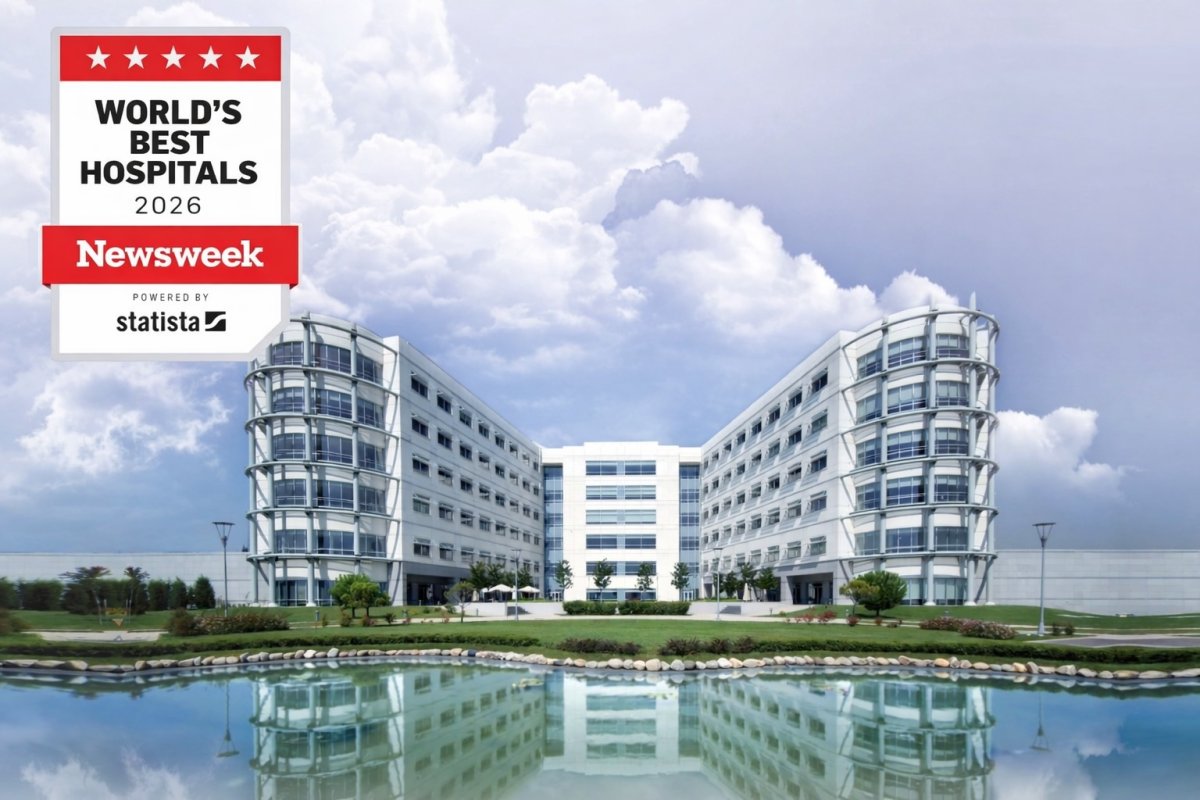










Dunyagoz Eye Hospital Istanbul Altunizade
Hamdi Er



Clínicas Oftalmológicas Veni Vidi (Veni Vidi Eye Clinics)


Ophthalmology Clinics Bati Goz



Descripción general de Fotocoagulación en Turquía
- Eliminación de cáncer de colon - de $7,500Esta operación elimina los crecimientos malignos del colon, mejorando la calidad de vida y previniendo la metástasis.
- Mesorrectectomía total robótica - de $9,500La operación es una extracción del recto asistida por robot, lo que mejora la precisión, reduce el trauma y acelera la recuperación del paciente.
- Fotocoagulación - de $400Esta terapia utiliza el calor de la luz para encoger o sellar los vasos sanguíneos, a menudo curando afecciones como el desprendimiento de retina.
- Colectomía (resección del intestino grueso) - de $5,000El procedimiento elimina parte o la totalidad del colon para tratar enfermedades, mejorar la digestión y la salud en general.
- Resección rectal - de $7,000El procedimiento elimina una parte del recto para tratar afecciones como el cáncer, lo que garantiza una mayor tasa de supervivencia.
- Mesorrectomia laparoscopica - de $37,900La operación implica una cirugía mínimamente invasiva para extirpar el recto, por lo general para el cáncer de recto; ofrece una recuperación rápida y menos dolor.
- Hemicolectomía - de $16,400Esta operación elimina la mitad del colon para tratar enfermedades colorrectales, lo que ayuda a la recuperación del paciente y minimiza los riesgos futuros.
Día 1 - Llegada
- Llegue al país y regístrese en el hospital designado.
- Complete cualquier papeleo necesario para registros médicos y seguros.
Día 2 - Preoperatorio
- Reúnase con el oftalmólogo para un examen ocular completo.
- Sométete a pruebas como la exploración OCT y la angiografía con fluoresceína del fondo de ojo.
- Discuta el procedimiento, los riesgos y los beneficios con el médico.
Día 3 - Procedimiento de fotocoagulación
- Llegar a la clínica en ayunas, según indicaciones del médico.
- Se administrará anestesia local para adormecer el área de los ojos.
- Comienza el procedimiento, que dura unos 30 minutos.
- Se usa un láser para sellar o destruir los vasos sanguíneos que gotean en el ojo.
Día 4 - Postoperatorio
- Permanezca en la clínica para observación y descanso.
- Recibir instrucciones para el cuidado postoperatorio y medicamentos.
Semana 1 - Rehabilitación
- Visitas regulares de seguimiento con el oftalmólogo para chequeos oculares.
- Evite las actividades extenuantes y la exposición directa a la luz solar.
Semana 2
- Reanudación gradual de las actividades diarias no extenuantes.
- Uso continuo de gotas para los ojos o medicamentos recetados.
Semana 4
- Control postoperatorio final con el oftalmólogo.
- Recuperación completa y reanudación de las actividades normales.
Tenga en cuenta: Esta es una línea de tiempo general. Los casos individuales pueden variar según las características específicas de la afección y la salud general del paciente.
- Depósito de Bookimed: 200 $ o 200 €.
- Depósito de la clínica: Pague un porcentaje fijo por adelantado.
Obtenga una evaluación médica de Fotocoagulación en Turquía: haga una consulta con 24 médicos experimentados ahora
Ver todos los médicosHamdi Er
El Prof. Dr. Hamdi Er es un distinguido especialista en enfermedades oculares con becas en instituciones de primer nivel como el Moorfields Eye Hospital y el Doheny Eye Institute.
- Especializado en tratamientos de retina, incluida la fotocoagulación
- Miembro de ASRS y EVRS, sociedades líderes en retina
- Amplia trayectoria investigadora en oftalmología
- Realiza procedimientos retinianos avanzados en el Dunyagoz Eye Hospital

Ahmet Satici
El Prof. Dr. Ahmet Satici ha realizado más de 20.000 cirugías oculares, especializándose en fotocoagulación en su consulta privada.
- _doctor_6097_años_ de experiencia clínica en oftalmología
- Profesor asociado desde 2002 y profesor titular en la Universidad de Harran
- Miembro de la Asociación Turca de Oftalmología
- Graduado de la Facultad de Medicina de la Universidad de Uludag

Muhammet Derda Ozer
El profesor asociado Ozer se especializa en fotocoagulación con formación avanzada en el Departamento de Oncología Ocular del Wills Eye Institute.
- Completó una prestigiosa beca quirúrgica ICO-STAAR en vítreo-retina
- Publicó investigaciones sobre los resultados de la fotocoagulación en congresos nacionales
- Certificado por el Consejo Internacional de Oftalmología tras superar exámenes avanzados
- Miembro activo de la Asociación Turca de Oftalmología

Yasar Dag
El Dr. Dag se especializa en fotocoagulación con una amplia formación en vitrectomía y enfermedades de la córnea en los principales hospitales turcos.
- 17 años de experiencia en oftalmología
- Formación en vitrectomía en el Hospital de Investigación y Formación Oftalmológica Ulucanlar
- Publicó múltiples estudios sobre fotodiagnóstico y terapia fotodinámica
- Miembro de la Asociación Turca de Oftalmología
Historias en video de pacientes de Bookimed
Reseñas
Todas las reseñas


Compartir contenido
 Olena Sikoza
Preguntas frecuentes sobre Fotocoagulación en Turquía
¿Es segura la fotocoagulación láser en Turquía?
La fotocoagulación láser es segura en Turquía debido a los estrictos estándares de la Joint Commission International (JCI) y a oftalmólogos altamente experimentados. Centros líderes como el Hospital Memorial Şişli y el Centro Médico Anadolu utilizan sistemas aprobados por la FDA, manteniendo tasas de éxito que igualan o superan los estándares médicos occidentales.
- Certificaciones de clínicas: Los hospitales de primer nivel cuentan con acreditaciones de la Joint Commission International (JCI) e ISO 9001.
- Experiencia del cirujano: Los médicos especializados suelen realizar más de 10.000 a 25.000 procedimientos vitreorretinianos exitosos a lo largo de sus carreras.
- Tecnología utilizada: Los centros emplean sistemas láser Pascal avanzados e imágenes de diagnóstico modernas para una alta precisión.
- Seguridad del paciente: Los rigurosos exámenes preoperatorios garantizan la idoneidad clínica y minimizan las posibles complicaciones o sensibilidades posteriores al láser.
Opinión de expertos de Bookimed: Los datos muestran una alta concentración de cirujanos con gran experiencia, especialmente en Estambul. Por ejemplo, el Dr. Muhammet Derda Ozer en su consulta privada y el Dr. Mehmet Sahin en el Hospital Koru Ankara han tratado cada uno más de 25.000 casos. Este enorme volumen quirúrgico a menudo conduce a tiempos de procedimiento más rápidos y
¿Qué afecciones se tratan con fotocoagulación en Turquía?
La fotocoagulación en Turquía trata eficazmente varias afecciones retinianas críticas, incluyendo la retinopatía diabética, los desgarros retinianos y el edema macular. Los centros de oftalmología especializados en Estambul e Esmirna utilizan láseres de alta precisión para sellar los vasos sanguíneos con fugas, prevenir el desprendimiento de retina y estabilizar la visión en pacientes con glaucoma o degeneración macular asociada a la edad (DMAE) húmeda.
- Retinopatía diabética: Sella los vasos con fugas o reduce el crecimiento anormal para evitar una mayor pérdida de visión.
- Desgarros retinianos: Crea pequeñas quemaduras para soldar la retina, evitando desprendimientos completos peligrosos.
- Edema macular: Se dirige a vasos específicos con fugas para reducir la hinchazón en la retina central.
- Manejo del glaucoma: Emplea la ciclofotocoagulación endoláser para reducir la presión intraocular en casos avanzados.
Perspectiva del experto de Bookimed: Aunque muchos hospitales generales ofrecen este servicio, elegir centros especializados como el Hospital Oftalmológico Dunyagoz, que atiende a 62.000 pacientes al año, es una opción más segura. Nuestros datos muestran que los mejores cirujanos turcos, como el Prof. Dr. Ahmet Satici, han realizado más de 20.000 cirugías oculares. Este volumen masivo a menudo conduce a una mayor precisión al tratar de
¿Puede la fotocoagulación restaurar la visión perdida?
La fotocoagulación con láser es un tratamiento preventivo diseñado para estabilizar la visión y detener daños mayores en lugar de restaurar la vista ya perdida. Sella eficazmente los desgarros retinianos y reduce la hinchazón causada por afecciones como la retinopatía diabética para preservar su campo visual actual y prevenir la ceguera total.
- Objetivo principal: Estabiliza la visión sellando vasos sanguíneos con fugas o reparando desgarros y desprendimientos de retina.
- Mejora de la visión: Pueden producirse pequeñas mejoras en la claridad solo si el edema macular o la hinchazón disminuyen después del tratamiento.
- Efectos secundarios: Las pequeñas cicatrices permanentes pueden causar puntos ciegos pequeños o una cobertura de visión periférica reducida.
- Resultados típicos: La mayoría de los pacientes mantienen los niveles de visión existentes en lugar de recuperar la agudeza visual perdida.
Perspectiva del experto de Bookimed: La estabilización es la verdadera victoria aquí. Si bien clínicas como el Hospital Oftalmológico Dunyagoz realizan más de 62,000 casos al año, los cirujanos más experimentados enfatizan que la fotocoagulación es a menudo un tratamiento puente. Los datos muestran que los pacientes combinan frecuentemente la terapia láser con inyecciones anti-VEGF para maximizar la estabilización a largo plazo, especialmente en centr
¿Qué debo esperar durante y después del procedimiento?
La fotocoagulación en Turquía es un procedimiento láser ambulatorio rápido que dura de 10 a 30 minutos. Los pacientes reciben gotas anestésicas tópicas en lugar de inyecciones, lo que garantiza una experiencia tolerable. Puede esperar el alta el mismo día, aunque la visión permanecerá borrosa durante 2 a 48 horas, lo que requiere un acompañante para el transporte.
- Método de anestesia: Las gotas oculares tópicas proporcionan entumecimiento sin necesidad de inyecciones invasivas con aguja.
- Duración del procedimiento: El tratamiento con láser suele durar de 10 a 30 minutos por ojo.
- Recuperación inmediata: Espere sensibilidad temporal a la luz, miodesopsias (moscas volantes) y visión borrosa durante varias horas.
- Restricciones de actividad: Los pacientes deben evitar conducir, usar pantallas y realizar ejercicio extenuante durante al menos 48 horas.
Perspectiva del experto de Bookimed: Aunque la fotocoagulación es un tratamiento ambulatorio estándar, el nivel de experiencia en los centros oftalmológicos turcos es excepcionalmente alto. Cirujanos como el Dr. Muhammet Derda Ozer han realizado más de 25.000 procedimientos, incluida la terapia especializada con láser de argón. Nuestros datos muestran que las mejores clínicas, como el Hospital Oftalmológico Dunyagoz, atienden a más de 62.000 pacientes al año. Este alto volumen a menudo se traduc
¿Cuáles son los diferentes tipos de fotocoagulación disponibles?
La fotocoagulación disponible en Turquía incluye tratamientos con láser focal, de rejilla y panretiniano (PRP), junto con modalidades avanzadas como el láser de escaneo de patrones (PASCAL) y la terapia de micropulsos. Estas técnicas especializadas se dirigen a los vasos sanguíneos con fugas o al crecimiento retiniano anormal utilizando energía térmica precisa para prevenir la pérdida de visión por retinopatía diabética y edema macular.
- Fotocoagulación panretiniana: Estándar para la retinopatía proliferativa, aplicando de 1,000 a 2,000 puntos láser en la retina.
- Fotocoagulación focal: Tratamiento dirigido a vasos específicos con fugas que causan directamente edema macular localizado.
- Fotocoagulación de rejilla: Aplicación de láser en un patrón de rejilla para tratar fugas difusas y falta de perfusión capilar.
- Láser de escaneo de patrones: Sistema semiautomatizado que entrega múltiples puntos rápidamente para reducir el tiempo de tratamiento y la incomodidad del paciente.
- Terapia láser de micropulsos: Técnica subumbral que utiliza pulsos cortos para minimizar el daño térmico y la cicatrización retiniana.
Perspectiva del experto de Bookimed: Clínicas como el Hospital Oftalmológico Dunyagoz y las clínicas Veni Vidi Eye atienden a más de 50,000 pacientes al año porque ofrecen suites láser especializadas. Si bien lo