Reconstrucción de articulaciones de pies y dedos de los pies. en Turquía: las 23 mejores clínicas y sus precios


Revisado médicamente por
Fahad Mawlood
¿Cuál es el precio de Reconstrucción de articulaciones de pies y dedos de los pies. en Turquía? Descubra ahora
De $5,300. Los precios varían según la clínica, la experiencia del cirujano, la complejidad de la reconstrucción articular y si se involucran varios dedos o articulaciones.
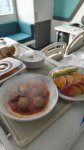
Los paquetes turcos suelen incluir la consulta inicial, análisis de sangre preoperatorios, medicamentos postoperatorios, consultas de seguimiento, personal que habla inglés, planes de tratamiento personalizados, instrucciones de cuidado postoperatorio, comidas durante la estancia en la clínica y atención al paciente las 24 horas. En Estados Unidos, muchos de estos servicios, como los seguimientos, los medicamentos y el soporte, se facturan por separado. Siempre confirmar qué está incluido en la clínica elegida.
| España | Turquía | México | |
|---|---|---|---|
| Reconstrucción de articulaciones de pies y dedos de los pies. | de $16,800 | de $5,300 | ≈ $4,200 |
Sus beneficios y garantías con Bookimed
Precios directos
Bookimed no añade cargos adicionales a los precios de Reconstrucción de articulaciones de pies y dedos de los pies.. Las tarifas proceden de las listas de precios oficiales de las clínicas. Pagará directamente en la clínica por su Reconstrucción de articulaciones de pies y dedos de los pies. a su llegada al país.
Sólo clínicas y médicos verificados
Bookimed está comprometido con su seguridad. Solo trabajamos con las clínicas que mantienen altos estándares internacionales en Reconstrucción de articulaciones de pies y dedos de los pies. y tienen las licencias necesarias para atender a pacientes internacionales en todo el mundo.
Asistencia 24/7 gratuita
Bookimed ofrece asistencia experta gratuita. Un coordinador médico personal le apoya antes, durante y después del tratamiento, resolviendo cualquier problema. Nunca estará solo en su viaje médico de Reconstrucción de articulaciones de pies y dedos de los pies..

Su coordinador médico personal de Bookimed
- Le apoya en cada etapa
- Ayuda a elegir la clínica y el médico adecuados
- Asegura un acceso rápido y conveniente a la información
Descubra las mejores clínicas de Reconstrucción de articulaciones de pies y dedos de los pies. en Turquía: 23 opciones verificadas y Precios



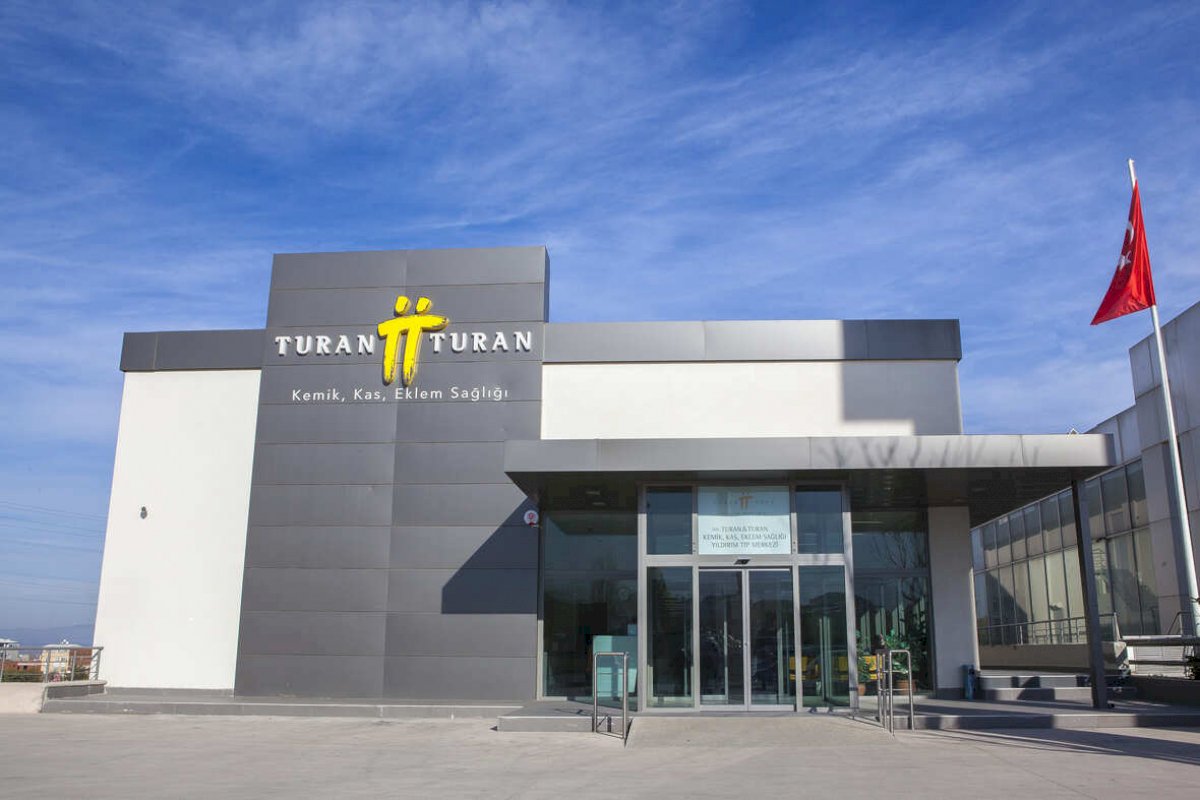
Turan Turan Health Group
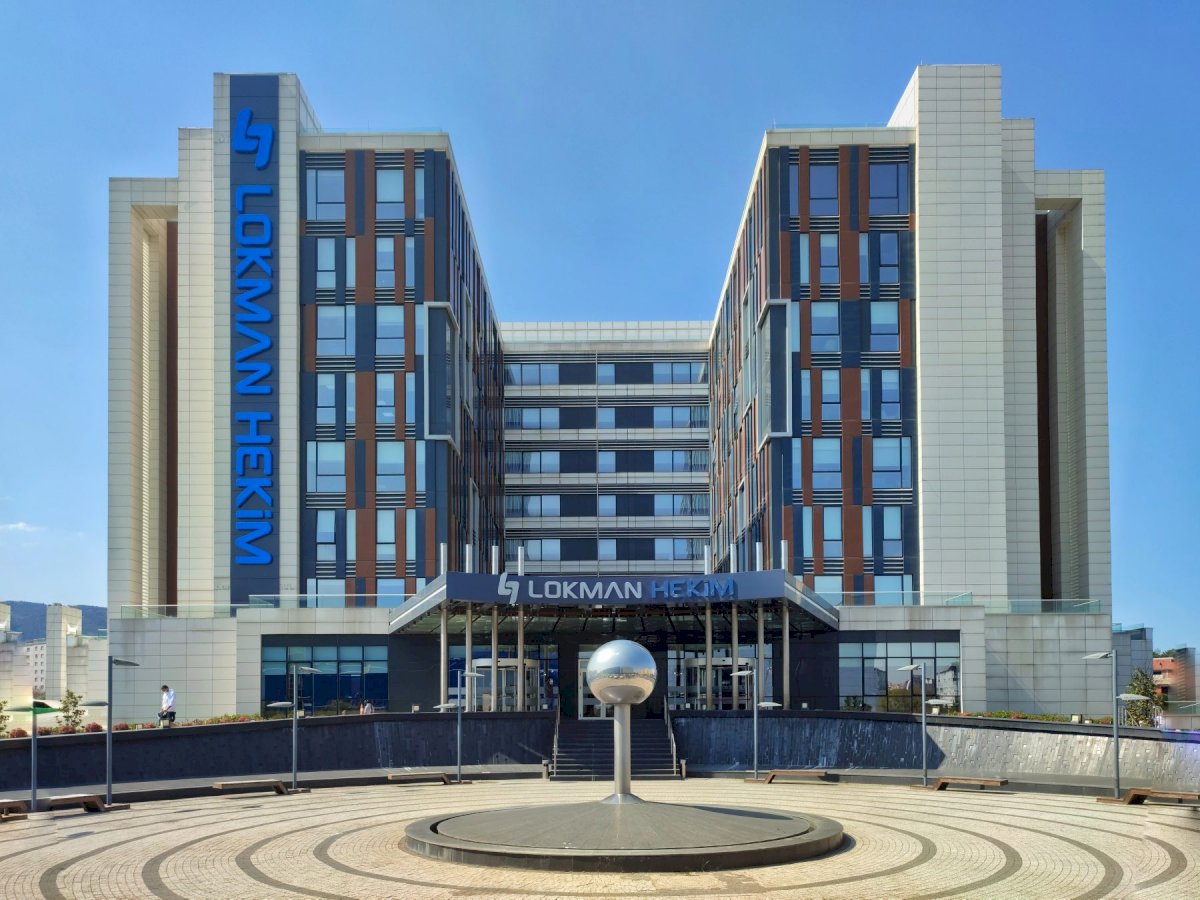
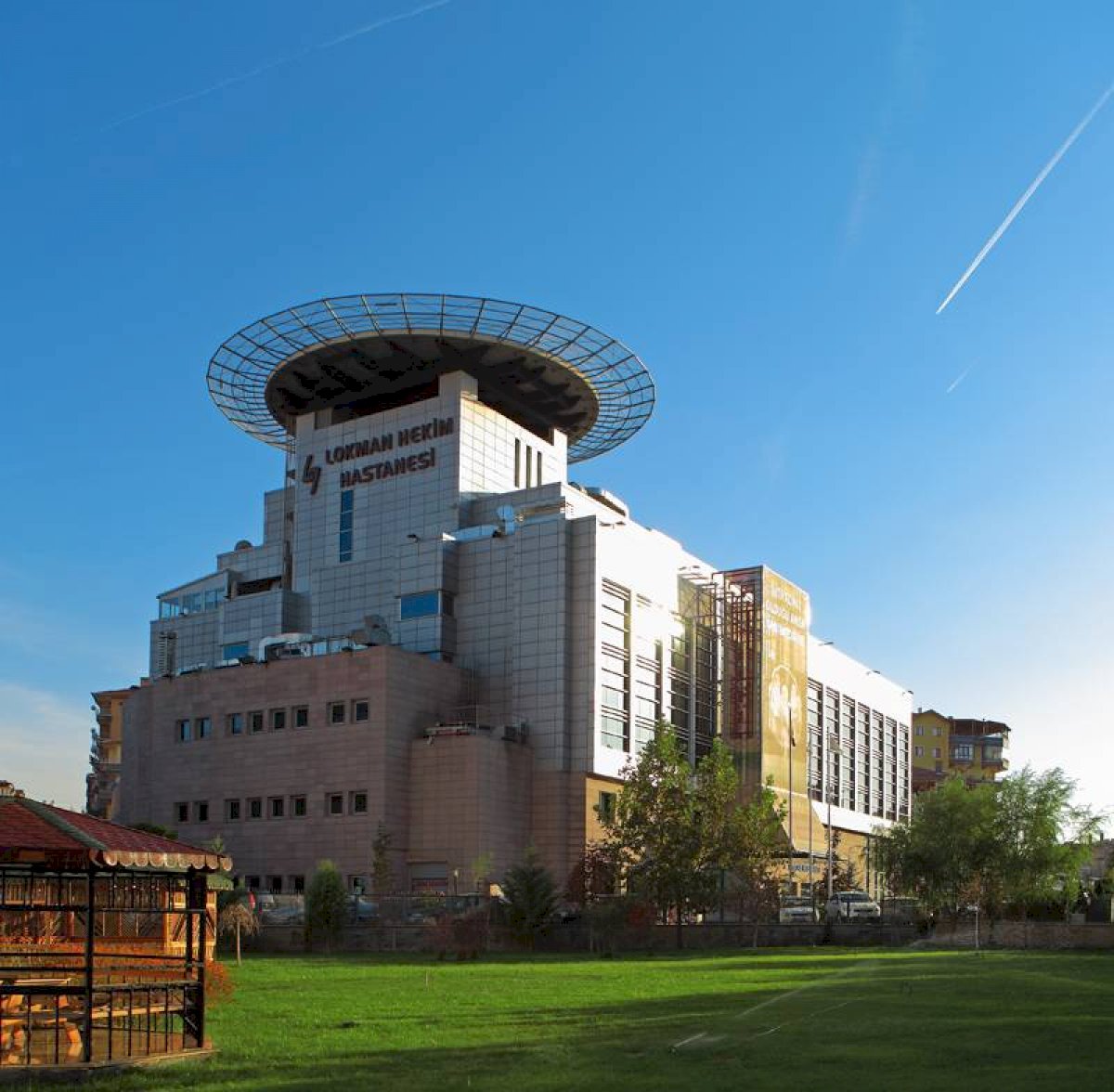
Hospital Lokman Hekim de Estambul (Lokman Hekim Istanbul Hospital)




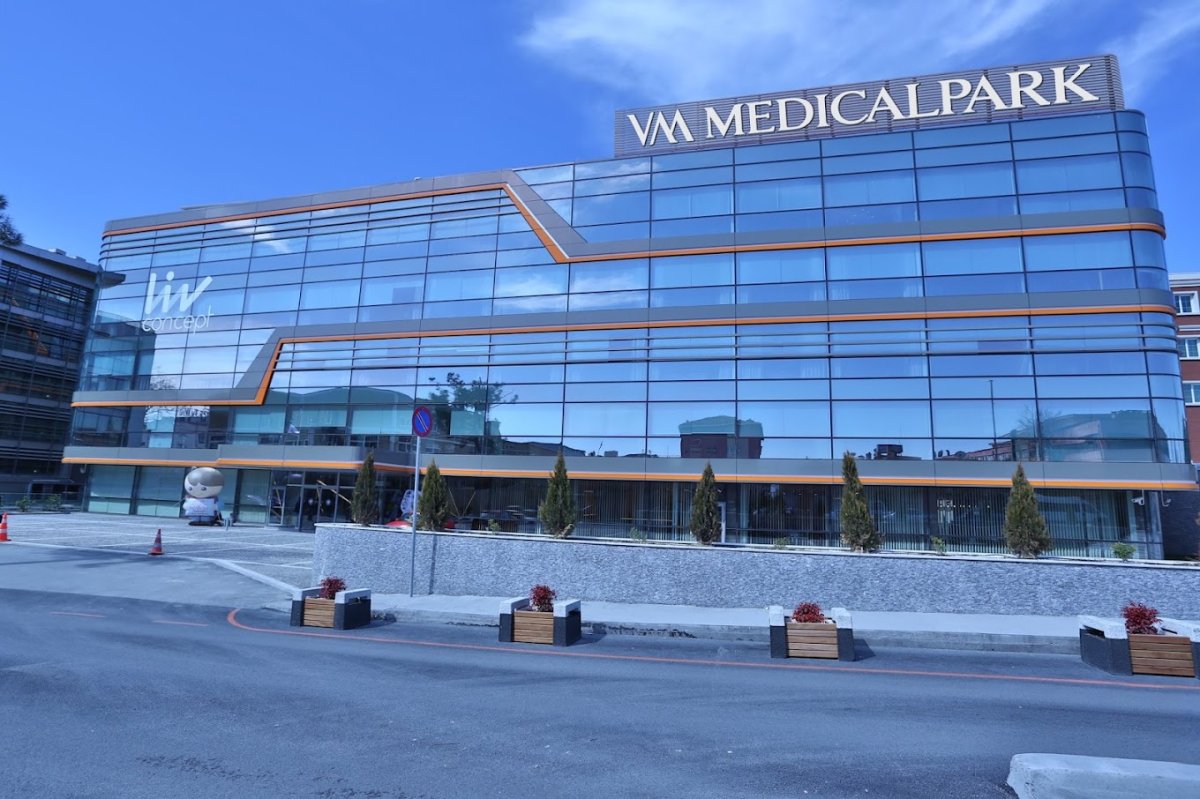





Descripción general de Reconstrucción de articulaciones de pies y dedos de los pies. en Turquía
- Cirugía de reconstrucción mamaria - de $4,000La operación restaura la forma del seno después de la mastectomía, utilizando implantes o tejido corporal. Aumenta la imagen corporal y la confianza.
- Reconstrucción de articulaciones de pies y dedos de los pies. - de $5,300Este procedimiento corrige las deformidades de las articulaciones de los pies y los dedos de los pies mejorando la movilidad, reduciendo el dolor y mejorando la salud general del pie.
- Cirugía reconstructiva - de $9,000Esta terapia recupera la función corporal, mejora la apariencia a través de la reparación quirúrgica y se beneficia enormemente de las técnicas de injerto.
- Reconstrucción mamaria prepectoral - de $10,000Esta cirugía rehace los senos después de la mastectomía, colocando implantes sobre los músculos del pecho para una apariencia más natural y acelerando la recuperación.
- Reconstrucción mamaria con colgajo DIEP - de $27,300**Reconstrucción con colgajo DIEP (cirugía con colgajo perforante epigástrico inferior profundo):** Esta cirugía reconstruye la mama utilizando piel y grasa de la parte inferior del abdomen, preservando el músculo para conseguir un aspecto natural y una recuperación más suave.
Día 1
- Llegada y traslado a su alojamiento.
- Consulta inicial con el cirujano ortopédico.
- Pruebas preoperatorias que incluyen radiografías y análisis de sangre.
Dia 2
- Cita con anestesiólogo para valoración preoperatoria.
- Discusión del plan quirúrgico y riesgos potenciales.
Día 3
- Traslado a la clínica para cirugía.
- Reconstrucción de articulaciones de pies y dedos bajo anestesia general.
- La cirugía dura aproximadamente 2-3 horas.
Día 4-7
- Atención postoperatoria en la clínica.
- Manejo del dolor y cuidado de heridas.
- Planificación del alta con el equipo sanitario.
Semana 1-2
- Descanso y recuperación en casa.
- Cuidados y revisiones periódicas de heridas.
Semana 3-6
- Iniciar fisioterapia para la movilidad del pie.
- Regreso paulatino a las actividades diarias ligeras.
Semana 7-12
- Continúe con la fisioterapia y los controles regulares.
- Regreso al trabajo y actividades normales en esta etapa.
Mes 6
- Se puede observar el resultado final de la reconstrucción.
Tenga en cuenta que la recuperación de cada paciente puede variar y el cronograma proporcionado es una guía general.
- Depósito de Bookimed: 200 $ o 200 €.
- Depósito de la clínica: Pague un porcentaje fijo por adelantado.
Obtenga una evaluación médica de Reconstrucción de articulaciones de pies y dedos de los pies. en Turquía: haga una consulta con 42 médicos experimentados ahora
Ver todos los médicos
Olcay Guler
El Dr. Olcay Guler es especialista en ortopedia y traumatología en el Hospital Memorial Şişli de Estambul. Gestiona afecciones óseas y articulares complejas dentro de un centro acreditado por la JCI. El Dr. Guler ocupó anteriormente cargos académicos en la Universidad Altınbaş y la Universidad Medipol. Trata a pacientes en uno de los centros médicos privados más activos de Turquía.
- Ejerce en Memorial Şişli, el primer hospital de Turquía en obtener la acreditación JCI.
- Se de

Mehmet Alp
El médico es un especialista de gran experiencia en cirugía de mano y microcirugía con una carrera que abarca más de tres décadas. Actualmente, trabajando en el Hospital Memorial Sisli desde 2011, el médico ha dedicado un extenso tiempo profesional a intervenciones quirúrgicas avanzadas y técnicas microquirúrgicas.
Anteriormente, el médico pasó dieciocho años en Manus Hand Surgery and Microsurgery, perfeccionando aún más su experiencia en procedimientos complejos de mano. Este historial

Gursel Saka
El Prof. Dr. Gursel Saka se especializa en procedimientos ortopédicos complejos, incluida la reconstrucción de articulaciones del pie y dedos en el Hospital Intercontinental Hisar.
- Experiencia en cirugía de columna, cirugía de trauma y artroplastia
- Finalista de los XI Premios de Tecnología TÜBİTAK en 2014
- Profesor asociado en la Universidad de Ciencias de la Salud
- Realiza operaciones exitosas en Ortopedia y Traumatología

Kayhan Turan
El Dr. Turan se formó en el Departamento de Cirugía Ortopédica de la Facultad de Medicina de la Universidad Northwestern, aportando experiencia internacional en la reconstrucción de las articulaciones del pie.
- Especializado en cirugía ortopédica con enfoque en procedimientos de pie y articulaciones
- Miembro de organizaciones prestigiosas, incluidas AAOS y AANA
- Completó formación avanzada en el Departamento de Ortopedia de la Universidad de Uludağ
- Ejerce en Turan Turan Health Group con servicios ortopédicos integrales
Reseñas
Todas las reseñas


Compartir contenido
Historias en video de pacientes de Bookimed
 Olena Sikoza
Preguntas frecuentes sobre Reconstrucción de articulaciones de pies y dedos de los pies. en Turquía
¿Qué afecciones comunes del pie se tratan con reconstrucción?
Las afecciones comunes del pie tratadas con reconstrucción incluyen deformidades estructurales como juanetes y dedos en martillo, lesiones traumáticas y enfermedades articulares degenerativas. Estos procedimientos restauran la función y alivian el dolor mediante la realineación de huesos, la fusión de articulaciones o la reparación de tejidos blandos como tendones y ligamentos en centros acreditados por la JCI.
- Deformidades estructurales: Corrige juanetes, dedos en martillo y dedos en garra mediante realineación ósea y fusión articular.
- Problemas de arco: Aborda los pies planos o los arcos altos mediante osteotomías calcáneas y transferencias de tendones.
- Lesiones traumáticas: Repara fracturas complejas, roturas del tendón de Aquiles y inestabilidad crónica o esguinces de tobillo.
- Afecciones degenerativas: Trata la artritis severa y el pie de Charcot, comunes en pacientes con diabetes avanzada.
Perspectiva del experto de Bookimed: Aunque muchos buscan la cirugía para una alineación cosmética, los datos muestran tasas de satisfacción del 70-80% para las reconstrucciones funcionales. Los centros de alto volumen como el Hospital Memorial Şişli priorizan la estabilidad biomecánica sobre la estética. Los pacientes deben planificar una estancia de 14 días en Turquía para garantizar una curación inicial adecuada antes de volar.
¿Cuáles son los objetivos principales y los resultados esperados de la cirugía de reconstrucción de las articulaciones del pie y los dedos?
Los objetivos principales de la cirugía de reconstrucción de las articulaciones del pie y los dedos en Turquía son eliminar el dolor crónico, restaurar la mecánica natural de la marcha y corregir deformidades estructurales como los juanetes o los dedos en martillo. Estos procedimientos buscan la restauración funcional, permitiendo a los pacientes soportar peso y volver a las actividades físicas después de que los tratamientos conservadores fallan.
- Reducción del dolor: El alivio significativo o total del dolor generalmente se logra dentro de los 3 meses posteriores a la operación.
- Corrección estructural: Realineación de huesos y tejidos para deformidades como pies planos o pie zambo.
- Técnicas quirúrgicas: Las opciones incluyen el reemplazo articular que preserva el movimiento o la fusión que limita el movimiento enfocada en la estabilidad.
- Cronograma de recuperación: La recuperación completa toma de 6 a 12 meses con fisioterapia obligatoria.
Perspectiva del experto de Bookimed: Los pacientes a menudo pasan por alto que la hinchazón puede persistir durante 1 a 2 años después de reconstrucciones complejas. Los datos sugieren que seleccionar cirujanos como el Dr. Erman Cekic, quien ha realizado más de 10,000 procedimientos articulares, mejora significativamente los resultados de estabilidad a largo plazo. Si bien Turquía ofrece ahorros de h
¿Qué suele incluir un paquete de cirugía en Turquía?
Los paquetes de cirugía turcos para la reconstrucción de pies y dedos suelen agrupar el procedimiento quirúrgico, la anestesia y los honorarios del cirujano con la logística esencial. Estos acuerdos con todo incluido suelen incluir de 1 a 3 noches de hospitalización en centros acreditados por la JCI, análisis de sangre preoperatorios, medicamentos y traslados VIP entre el aeropuerto, el hotel y la clínica.
- Componentes médicos: Incluye honorarios del cirujano, anestesiología y exámenes preoperatorios de rutina como electrocardiogramas.
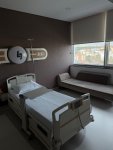
- Estancia hospitalaria: Suele cubrir de 1 a 3 noches en una habitación privada con atención de enfermería.
- Logística: Traslados VIP dedicados entre el aeropuerto, su hotel y el centro médico.
- Apoyo postoperatorio: Medicamentos básicos, consultas de seguimiento antes de la salida y, a menudo, atención remota a través de WhatsApp.
Perspectiva del experto de Bookimed: Los centros de gran volumen como el Hisar Hospital Intercontinental suelen incluir imágenes ortopédicas especializadas en sus tarifas estándar. Aunque el procedimiento cuesta en promedio $5,300 en Turquía, es vital verificar si se incluye la tecnología de imágenes EOS o asistencia robótica. Estas tecnologías pueden mejorar significativamente la precisión de la alineación, pero a veces requieren una tarifa adicional de 300 a 500 dólar
¿Cómo debo gestionar los cuidados postoperatorios en casa?
Una recuperación exitosa tras una reconstrucción de la articulación del pie en Turquía requiere una elevación estricta, control de heridas y gestión de la movilidad. Los pacientes deben mantener el pie por encima del nivel del corazón y seguir protocolos de no carga durante 6 a 8 semanas para evitar el fracaso quirúrgico. La coordinación con centros acreditados por la JCI, como el Hospital Memorial Sisli, garantiza altos estándares de seguridad clínica.
- Gestión de la hinchazón: Eleve el pie por encima del corazón las 24 horas del día, los 7 días de la semana, durante las primeras semanas.
- Reglas de carga: Evite estrictamente poner peso sobre el pie para prevenir riesgos de reoperación del 30%.
- Control de infecciones: Mantenga los vendajes secos y controle diariamente si hay enrojecimiento, calor o secreción.
- Ayudas para la movilidad: Utilice un scooter de rodilla o una silla de ruedas en lugar de muletas por seguridad.
Perspectiva de expertos de Bookimed: Aunque clínicas como el Centro Ortopédico Onvural brindan atención quirúrgica de élite, la logística de suministros postoperatorios varía. Los pacientes deben abastecerse de Betadine y gasas estériles antes de regresar a casa. Además, solicite una receta de gabapentina con anticipación. Muchos pacientes experimentan sensaciones nerviosas intensas alrededor de la tercera semana que los
¿Cuáles son los principales riesgos y posibles complicaciones?
Los principales riesgos de la reconstrucción de pie y dedos en Turquía incluyen infecciones en el sitio quirúrgico, trombosis venosa profunda (TVP) por inmovilidad postoperatoria y complicaciones con el hardware, como la migración de tornillos. Los pacientes con diabetes o IMC alto enfrentan mayores retrasos en la curación, mientras que los fumadores tienen mayores riesgos de falta de unión, donde los huesos no logran fusionarse correctamente.
- Control de infecciones: El riesgo aumenta en instalaciones no acreditadas por la JCI que carecen de protocolos estériles estrictos para la cirugía ósea.
- Falla del hardware: Posibilidad de rotura de tornillos o placas internas, lo que a veces requiere procedimientos de revisión especializados.
- Tromboembolismo: Los vuelos de larga distancia después de la cirugía aumentan significativamente los riesgos de coágulos sanguíneos y embolia pulmonar.
- Daño nervioso: Posible pérdida de sensibilidad o "pie caído" si los nervios locales se comprimen durante la reconstrucción.
Perspectiva del experto de Bookimed: Los datos de los principales centros de Estambul, como el Hisar Hospital Intercontinental, muestran que los cirujanos a menudo realizan más de 3,000 procedimientos robóticos. Elegir a un especialista con gran volumen de casos reduce la tasa de revisión del 20-30% que a veces se observa en clínicas de b
¿Cuánto dura el proceso de recuperación y cuáles son los hitos clave?
La recuperación de una reconstrucción de la articulación del pie y los dedos en Turquía suele requerir de 6 a 12 meses para una maduración completa. Los pacientes alcanzan hitos clave como la movilidad temprana en 2 semanas y la carga de peso funcional para el tercer mes. El éxito depende de seguir estrictos protocolos de no carga de peso y fisioterapia temprana.
- Fase aguda (0-72 horas): Enfoque en la elevación y aplicación de hielo para controlar el pico de inflamación y el dolor quirúrgico.
- Movilidad temprana (1-2 semanas): Se retiran los puntos y los pacientes pasan a dispositivos de asistencia más ligeros o botas.
- El punto de inflexión (2-6 semanas): La curación inicial permite volver al trabajo de escritorio y a las tareas diarias ligeras.
- Recuperación funcional (3-6 meses): Los pacientes reanudan actividades físicas moderadas y comienzan a desarrollar fuerza mediante terapia constante.
- Maduración completa (6-12 meses): Los tejidos recuperan su fuerza final y las cicatrices quirúrgicas se aplanan mientras la rigidez mejora gradualmente.
Perspectiva del experto de Bookimed: Aunque muchos eligen Turquía para la cirugía, la estancia postoperatoria de 10 a 14 días es el verdadero factor diferenciador. Este período permite a cirujanos especializados como el Dr. Burak Onvural monitorear la curación inicial antes
¿Qué técnicas quirúrgicas se utilizan para la reconstrucción de las articulaciones del pie y los dedos en Turquía?
Los cirujanos en Turquía realizan reconstrucciones de las articulaciones del pie y los dedos utilizando técnicas avanzadas como la fusión de Lapidus mínimamente invasiva, la osteogénesis por distracción con marcos tipo Ilizarov y las transferencias microvasculares de dedo a dedo. Los centros acreditados por la JCI en Estambul e Izmir utilizan tornillos percutáneos y clavos bioabsorbibles para corregir deformidades como el hallux valgus y los dedos en martillo.
- Fusión mínimamente invasiva: Los procedimientos de Lapidus que utilizan tornillos de fijación interna permiten cargar peso en un plazo de 4 semanas.
- Osteogénesis por distracción: Marcos especiales permiten el alargamiento de los dedos para la braquimetatarsia grave durante 3 a 6 meses.
- Corrección de dedos en martillo: La artroplastia que utiliza clavos bioabsorbibles elimina la necesidad de una extracción secundaria del implante.
- Reconstrucción compleja: La artrodesis triple con tornillos canulados estabiliza el retropié mientras minimiza las cicatrices quirúrgicas.
Perspectiva del experto de Bookimed: Si bien muchos pacientes internacionales se centran en la corrección de juanetes, los especialistas ortopédicos turcos como el Dr. Burak Onvural o el Prof. Dr. Cengiz Sen realizan con frecuencia reconstrucciones raras con colgajo libre microvascular para traumatismos. Un valor añadi
¿Cuánto dura la operación en sí?
La reconstrucción de las articulaciones del pie y los dedos en Turquía suele durar de 1 a 3 horas por pie. La duración depende de si el cirujano aborda deformidades de un solo dedo o reconstrucciones complejas del mediopié. Especialistas altamente experimentados en hospitales acreditados por la JCI en Estambul e Izmir a menudo completan estos procedimientos con gran eficiencia.
- Procedimientos simples: Los realineamientos menores de los dedos o las fijaciones articulares suelen requerir de 45 a 90 minutos por lado.
- Reconstrucciones complejas: Procedimientos como las reparaciones de Lisfranc o las reconstrucciones múltiples de la articulación MTP toman de 2 a 4 horas.
- Cirugía bilateral: Operar ambos pies simultáneamente aumenta significativamente el tiempo total en el quirófano.
- Preparación preoperatoria: La configuración de la anestesia y la esterilización añaden aproximadamente de 30 a 60 minutos al cronograma.
Perspectiva del experto de Bookimed: Los centros ortopédicos turcos como el Hospital Istanbul Florence Nightingale utilizan imágenes EOS para mapear la alineación de las articulaciones antes de la cirugía. Esta precisión a menudo reduce los ajustes intraoperatorios. Cirujanos como el Dr. Cengiz Sen, quien ha realizado más de 10,000 procedimientos, mantienen tiempos operatorios más cortos gracias a su experiencia de alto volumen s
¿Qué se incluye normalmente en un paquete de cirugía turco para la reconstrucción de la articulación del pie y los dedos?
Los paquetes de cirugía turcos para la reconstrucción de la articulación del pie y los dedos ofrecen una atención integral que cubre los honorarios quirúrgicos, la anestesia y los implantes médicos como las placas de titanio. Estos paquetes especializados suelen incluir de 3 a 7 noches de hospitalización, traslados VIP e imágenes de diagnóstico en centros acreditados por la Joint Commission International (JCI) en Estambul o Ankara.
- Esenciales médicos: Incluye honorarios del cirujano, anestesiología, atención de enfermería y todos los materiales de fijación ósea necesarios.
- Diagnóstico: Cubre análisis de sangre preoperatorios, exámenes físicos e imágenes avanzadas como radiografías o resonancias magnéticas.
- Estancia hospitalaria: Proporciona de 3 a 7 noches en una habitación privada con comidas para el paciente.
- Logística: Cuenta con traslados privados VIP entre el aeropuerto, el hotel y la clínica con traducción en varios idiomas.
Perspectiva del experto de Bookimed: Si bien los paquetes básicos que comienzan en $5,300 cubren lo esencial, las recuperaciones más exitosas a menudo ocurren en centros afiliados a universidades. Por ejemplo, clínicas como el Hospital Florence Nightingale de Estambul utilizan imágenes EOS para reducir la radiación durante la planificación de la alineación del pie. Elegir a un cirujano como el Dr.