Extirpación de la vejiga en Turquía — reciba 3 opciones de clínicas personalizadas


Revisado médicamente por
Fahad Mawlood
Cómo funciona
¿Cuál es el precio de Extirpación de la vejiga en Turquía? Descubra ahora
De $9,000. El precio depende de la clínica, la experiencia del cirujano y si el procedimiento es parcial o radical. UU.
Los paquetes turcos suelen incluir la consulta inicial, análisis de sangre preoperatorios, medicación postoperatoria, visitas de seguimiento y atención al paciente 24/7. El personal que habla inglés y los planes de atención personalizados son estándar. En EE. UU., el precio anunciado suele cubrir solo la cirugía, con cargos adicionales por anestesia, pruebas y cuidados posteriores. Siempre confirmar exactamente qué está incluido en cada clínica.
Beneficios clave
¿Por qué eligen los pacientes Turquía para la extracción de vejiga?
- Clínicas acreditadas: Los hospitales y centros en Turquía, como aquellos certificados por JCI y acreditados por el Ministerio de Salud, mantienen altos estándares de atención.
- Últimas tecnologías: La cistectomía radical asistida por robot, incluyendo el Sistema Quirúrgico Da Vinci, ofrece precisión y puede reducir el tiempo de recuperación. También están disponibles opciones como la reconstrucción de neovejiga.
- Altas tasas de éxito: Los procedimientos de extracción de vejiga en Turquía demuestran una eficacia del 90-95% en el tratamiento del cáncer de vejiga localizado, con bajas tasas de complicaciones.
- Cirujanos expertos: Reconocidos urólogos, como el Prof. Murat Binbay del Hospital Memorial Sisli, han realizado más de 500 cirugías de extracción de vejiga. Su amplia experiencia y pericia son bien reconocidas.
Acceda a soluciones avanzadas para la extracción de vejiga en clínicas de confianza de $9,000.
| España | Turquía | México | |
|---|---|---|---|
| Extirpación de la vejiga | de $28,000 | de $9,000 | de $30,000 |
| Resección transuretral de la vejiga | ≈ $4,200 | de $6,200 | ≈ $3,200 |
| Extirpación de vejiga con reconstrucción | ≈ $24,000 | de $18,400 | ≈ $21,000 |
Descubra las mejores clínicas de Extirpación de la vejiga en Turquía: 20 opciones verificadas y Precios


Memorial Bahçelievler Hospital
Abdulmuttalip Simsek




Hospital Hisar Intercontinental
Basri Cakiroglu











Hospital Lokman Hekim de Estambul (Lokman Hekim Istanbul Hospital)







Descripción general de Extirpación de la vejiga en Turquía
- Resección transuretral de la vejiga - de $6,200Esta cirugía extirpa los tumores de la vejiga utilizando una herramienta especial a través de la uretra, lo que ayuda al tratamiento y diagnóstico del cáncer.
- Extirpación de la vejiga - de $9,000El procedimiento implica la extirpación quirúrgica de una vejiga enferma, generalmente debido al cáncer, lo que mejora la salud del paciente.
- Extirpación de vejiga con reconstrucción - de $18,400Esta cirugía implica sacar la vejiga y formar una nueva para restaurar la función urinaria.
Día 1
- Llegada y registro en el hospital.
- Consulta con un urólogo.
- Análisis preoperatorios de sangre y orina realizados.
- Tomografía computarizada o ultrasonido si es necesario.
Dia 2
- Consulta con el anestesiólogo.
- Briefing preoperatorio final con el cirujano.
Día 3
- Someterse a una cirugía de extirpación de la vejiga, generalmente dura de 3 a 6 horas.
- Se administra anestesia general.
- Recuperación postoperatoria en la unidad de cuidados intensivos.
Día 4 - Día 10
- Seguimiento de la recuperación del paciente en el hospital.
- Inicio de actividad física ligera bajo supervisión.
- Implantación de una sonda para drenaje de orina.
Semana 2 - Semana 4
- Alta del hospital.
- Citas periódicas de seguimiento con el urólogo.
- Continuación de la actividad física ligera.
Semana 5 - Semana 8
- Regreso gradual a las actividades diarias, excluyendo el trabajo físico extenuante.
- Citas de seguimiento continuadas con el urólogo.
Semana 9 - Semana 12
- Regreso al trabajo, dependiendo de la naturaleza del trabajo.
- Reintroducción gradual de deportes y actividades extenuantes.
Después de 3 meses
- Vea el resultado final y el regreso completo a las actividades regulares.
Tenga en cuenta que el tiempo de recuperación puede variar según las circunstancias individuales y el estado general de salud.
Lo que les gusta a los pacientes:
- Precio. El costo de la extirpación de la vejiga en Turquía oscila entre $7000 y $10000. Este precio es más asequible en comparación con el costo promedio en los EE. UU., que ronda los $ 20000.
- Profesionalidad de los médicos. Los pacientes aprecian el alto nivel de profesionalismo de los médicos. A menudo son miembros de organizaciones médicas internacionales y tienen una gran experiencia en la realización de cirugías de extirpación de la vejiga.
- Nivel de servicio. Los pacientes están impresionados por el excelente nivel de servicio. El personal médico brinda atención compasiva y garantiza una estadía cómoda durante el período de recuperación.
- Eficacia de la eliminación de la vejiga. Los pacientes aprecian los procedimientos efectivos de extracción de la vejiga. Se utilizan técnicas y tecnología modernas para garantizar resultados exitosos.
- Logística. A los pacientes les gusta la logística eficiente. Los arreglos de viaje y el alojamiento a menudo se incluyen en el paquete médico, lo que hace que el proceso sea menos estresante.
Lo que no les gusta a los pacientes:
- Barrera del idioma. Algunos pacientes pueden tener dificultades con la comunicación, ya que no todo el personal médico habla inglés con fluidez.
- Tiempo de espera. Los pacientes pueden experimentar tiempos de espera más largos debido a la gran demanda de estos procedimientos en Turquía.
- Distancia. Los pacientes de países lejanos pueden encontrar inconveniente el viaje de larga distancia a Turquía.
- Depósito de Bookimed: 200 $ o 200 €.
- Depósito de la clínica: Pague un porcentaje fijo por adelantado.
Obtenga una evaluación médica de Extirpación de la vejiga en Turquía: haga una consulta con 38 médicos experimentados ahora
Ver todos los médicos
Baris Nuhoglu
Basri Cakiroglu
El médico se graduó de la Facultad de Medicina de la Universidad 19 Mayıs en 1994 y completó una residencia en el Hospital de Enseñanza e Investigación de Taksim en 2002. El médico ha contribuido a numerosas revistas internacionales y locales, mostrando experiencia en los campos de endourología, urología pediátrica, urooncología, andrología e infertilidad. El médico ha trabajado en varios centros de salud y hospitales, incluyendo el Centro de Salud Ayvacik del Ministerio de Salud de Turquía,
Abdulmuttalip Simsek
El Dr. Abdulmuttalip Simsek es cirujano urólogo en el Hospital Memorial Bahçelievler de Estambul. Se especializa en cirugía robótica y reconstructiva para afecciones urológicas complejas. El Dr. Simsek tiene el rango de profesor y completó su formación en urología reconstructiva en el Reino Unido. Trata una amplia gama de cánceres, incluidos los tumores malignos de riñón, próstata y vejiga.
- Realiza HoLEP para la hiperplasia prostática benigna y cirugía de prótesis de pene.
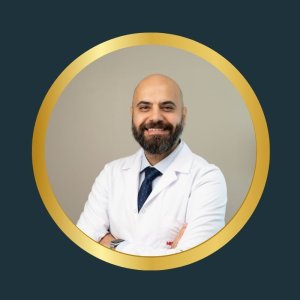
Dr Bugra Cetin
El Dr. Bugra Cetin se especializa en cirugías de extirpación de vejiga, realizando cistoprostatectomías radicales con un enfoque en técnicas mínimamente invasivas.
- Urólogo certificado con amplia formación en cirugía urooncológica
- Experto en linfadenectomía pélvica y derivación urinaria mediante conducto ileal
- Doctorado (PhD) en Medicina Molecular: aplica investigaciones avanzadas a la práctica clínica
- Miembro de la Asociación Europea de Urología y de la Asociación Turca de Urología
Historias en video de pacientes de Bookimed
Reseñas
Todas las reseñasCompartir contenido
 Olena Sikoza
Preguntas frecuentes sobre Extirpación de la vejiga en Turquía
¿Cuándo es el mejor momento para ir a Turquía?
La principal ventaja de los resorts turcos es una larga temporada de playa. En la costa mediterránea, comienza en abril y dura hasta noviembre. En los centros turísticos del mar Egeo, de mayo a octubre. El momento más cómodo para nadar es desde mediados de junio hasta finales de octubre. Una gran afluencia de turistas ocurre en julio-agosto, cuando la temperatura del aire es de + 38 ° C y el agua se calienta a + 27 ° C.
¿Cuál es el nivel de la medicina en Turquía?
El cuidado de la salud es un sector de desarrollo clave del gobierno turco. Las autoridades turcas están convencidas de que el cuidado de la salud de los ciudadanos debe ser una prioridad incondicional de la política estatal y gastan anualmente alrededor de 77 mil millones de liras en atención médica.
Como resultado, 28,000 instalaciones médicas brindan excelente atención médica en el país. Alrededor de 50 centros están certificados por JCI (Comisión Internacional Conjunta) , un organismo internacional para mejorar la calidad y seguridad de los servicios médicos en todo el mundo. El índice de certificados recibidos es el más grande. A modo de comparación, hay 20 instituciones acreditadas por la JCI en Israel y solo 10 clínicas de este tipo en Alemania.
¿Qué necesitas saber sobre Turquía antes de tu viaje?
| Moneda | lira (el pago de los servicios también es posible en dólares y euros) |
| Mejor época para viajar | mayo-octubre |
| Idioma | Turco (la mayoría del personal médico habla inglés con fluidez) |
| Visa | no se requiere para viajar al menos 30 días por visita |
| Diferencia horaria con Europa | 3 horas |
| Diferencia horaria de Estados Unidos | 8 en punto |
| Capital | Ankara |
| Centro de Turismo Médico | Estanbul |
| Estaciones populares | Alanya, Antalya, Kemer, Marmaris |
¿Necesito una visa?
Para 2020, la República de Turquía tiene acuerdos sin visa con 89 estados. Algunos extranjeros están exentos de obtener una visa de entrada, otros deben obtener una visa electrónica (e-Visa) y otros deben solicitar una visa en las representaciones turcas en el extranjero.
Qué estados necesitan una visa para el tratamiento en Turquía y qué países puede cruzar libremente la frontera fácil y simplemente lea aquí .
¿Qué documentos se requieren para solicitar una visa a Turquía para recibir tratamiento?
Las visas para viajar a Turquía requieren una serie de documentos . La documentación necesaria se puede presentar 90 días antes de la salida prevista. La lista de documentos incluye:
- tarjeta de identificación
- confirmación del registro en línea y llenado del cuestionario
- certificado de ingresos y disponibilidad de fondos ($ 50 por día por persona)
- póliza de seguro de estancia en Turquía (original y copia)
- 2 fotos (5x6)
- obtener una visa
- reserva de vuelos y hoteles
- opinión del médico sobre la necesidad de tratamiento.
¿Qué servicios hoteleros se brindan aquí?
En Turquía hay hoteles de diferentes rangos de precios y niveles de servicio. El nivel de los hoteles turcos es comparable al de los hoteles de Túnez, Marruecos o Egipto. La mayoría de los turistas eligen hoteles de 4 y 5 estrellas con comidas todo incluido. Dichos hoteles tienen todo para una estancia confortable: comida variada, amplio territorio bien cuidado, animación para niños y adultos. Algunos hoteles tienen su propio parque acuático, que los huéspedes pueden utilizar de forma gratuita. Los viajeros con poco presupuesto pueden permitirse reservar un hotel económico de 3 estrellas con media pensión o sin comidas.