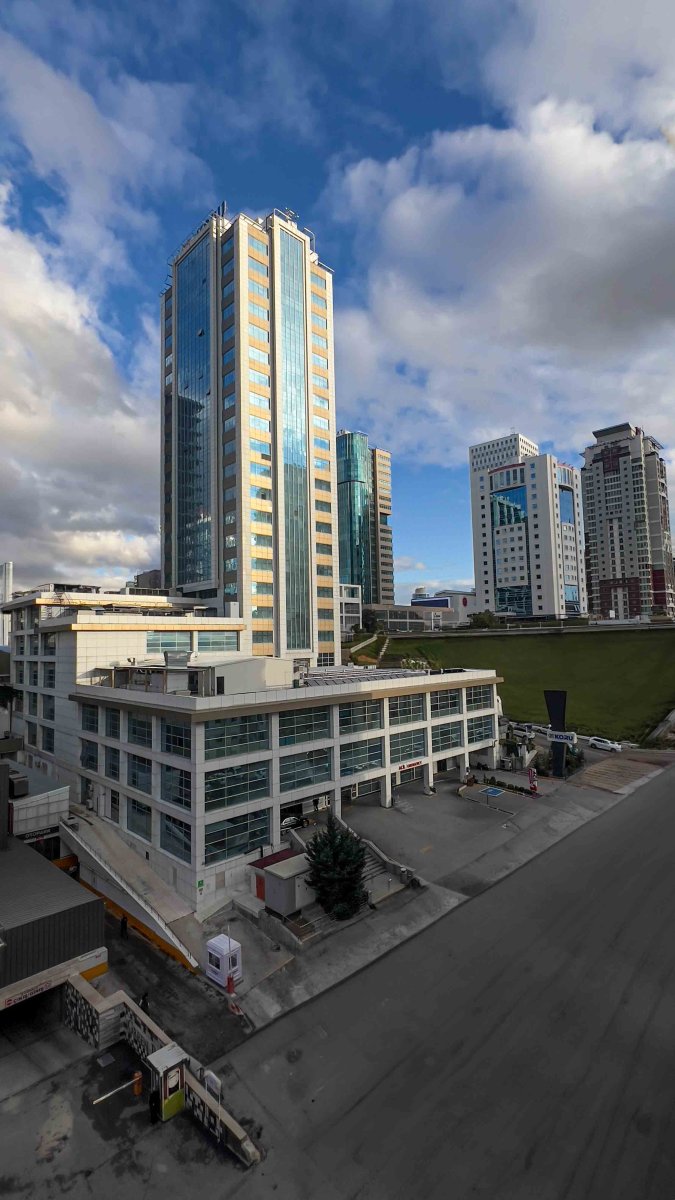
El Centro Médico de Rehabilitación y Terapia Física Fizyomer
Turquía, Eskişehir
Clínica certificada por : 


Revisado médicamente por
Fahad Mawlood
De $150. Los precios varían según la clínica, la cualificación del terapeuta, la duración de la sesión y si la terapia es individual o grupal. UU.
Las clínicas turcas suelen incluir en el precio una evaluación inicial, sesiones sensoriales personalizadas y todo el equipo necesario para la sala sensorial. En EE. UU., el precio base suele cubrir solo la sesión, cobrando aparte la evaluación y el uso del equipo. Se recomienda confirmar con cada proveedor la cantidad de sesiones y los servicios adicionales incluidos.
| España | Turquía | México | |
|---|---|---|---|
| Terapia de caricias | ≈ $380 | de $150 | ≈ $60 |
Día 1 - Llegada
Día 2 - Preoperatorio
Día 3 - Terapia Snoezelen
Día 4 - Postoperatorio
Semana 1 - Rehabilitación
Semana 2 en adelante
Tenga en cuenta que la experiencia y la respuesta de cada paciente a la terapia con Snoezelen pueden variar y son únicas para ellos.


El Dr. Baris Topcular se especializa en neurología con amplia experiencia en demencia y trastornos del movimiento, y actualmente ejerce en el Hospital Istanbul Florence Nightingale.
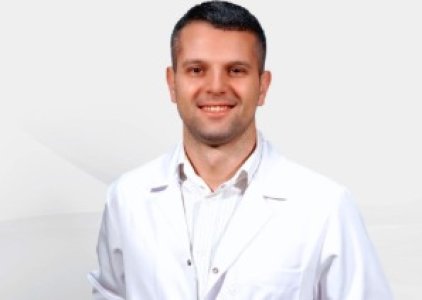
Especialista en trastornos neurológicos con enfoque en tratamientos avanzados como inyecciones de toxina botulínica y terapia IVIG en el Medicalpoint International Hospital.

 Olena Sikoza
La terapia Snoezelen es una intervención multisensorial no verbal que proporciona estimulación controlada a través de luz, sonido y texturas en un entorno especializado. En Turquía, beneficia principalmente a niños con autismo o parálisis cerebral y a adultos que gestionan demencia, recuperación de accidentes cerebrovasculares o ansiedad severa dentro de centros de rehabilitación acreditados por la JCI.
Perspectiva del experto de Bookimed: Los datos sugieren que elegir clínicas con equipos multidisciplinarios permite una mejor integración. En Fizyomer Terapia, los cirujanos y terapeutas combinan Snoezelen con fisioterapia intensiva. Este enfoque dual ayuda a maximizar la recuperación cognitiva y motora para pacientes pediátricos y víctimas de accidentes cerebrovasculares en comparación con las se
La terapia Snoezelen es efectiva para manejar las sensibilidades sensoriales y los patrones de comportamiento en niños autistas dentro de los entornos clínicos turcos. La evidencia indica un progreso significativo en la interacción social y la respuesta emocional después de sesiones constantes. Las clínicas turcas modernas utilizan estos entornos multisensoriales para reducir la agresividad y mejorar la calidad del sueño.
Perspectiva del experto de Bookimed: Aunque los paquetes integrales para el autismo en Turquía pueden alcanzar los 15.000 $, centros de rehabilitación especializados como Fizyomer Terapia ofrecen sesiones neurológicas dirigidas a partir de Precio a consultar. Los datos sugieren que los pacientes encuentran un mejor valor en estas clínicas de rehabilitación dedicadas en comparación con los hospitales generales de e
Turquía alberga los mejores centros de terapia Snoezelen en Estambul, Bursa y Eskişehir, principalmente dentro de hospitales acreditados por la JCI y clínicas de rehabilitación especializadas. Instalaciones como Memorial Şişli y Medipol Mega utilizan estos entornos multisensoriales para la neurorrehabilitación, el cuidado de la demencia y los trastornos del desarrollo pediátrico, incluidos el autismo y la parálisis cerebral.
Perspectiva del experto de Bookimed: Si bien los principales hospitales de la JCI ofrecen salas Snoezelen de alta tecnología, Fizyomer Terapia en Eskişehir destaca por su longevidad. Han operado programas de rehabilitación especializados durante 24 años. Su alto volumen de pacientes de más de 10,000 al año sugiere un protocolo profundamente refi