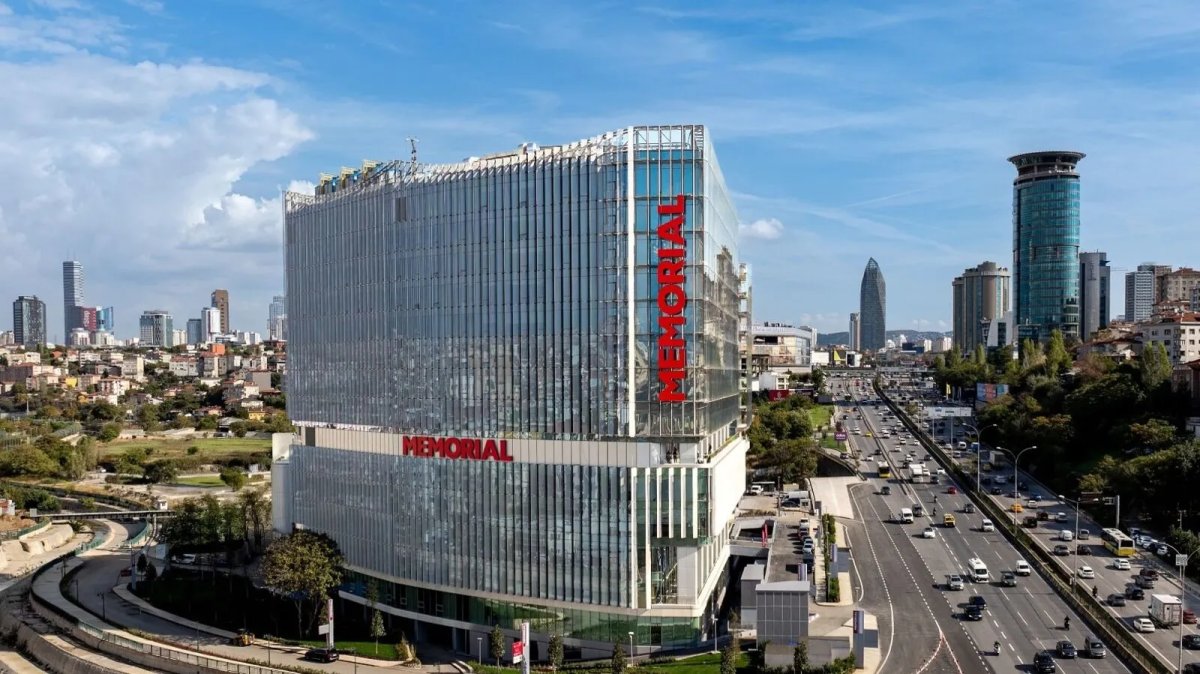
Memorial Göztepe Hospital
Turquía, Estambul


Revisado médicamente por
Fahad Mawlood
El costo de un trasplante de células madre para esclerodermia en Turquía suele oscilar desde _price_from_ hasta _price_to_. Los precios varían según el hospital, la experiencia del equipo de trasplante, el tipo de fuente de células madre (autóloga o alogénica) y la complejidad del caso. UU.
En Turquía, el precio suele incluir evaluaciones previas al trasplante, recolección de células madre, terapia de acondicionamiento, el procedimiento de trasplante, estancia hospitalaria, seguimiento posterior al trasplante y visitas de control. En EE. UU., los costos de hospitalización, medicamentos, análisis de laboratorio y atención posterior al alta suelen facturarse por separado. Siempre confirmar exactamente qué incluye cada clínica en su paquete.
Bookimed no añade cargos adicionales a los precios de Trasplante de células madre para la esclerodermia. Las tarifas proceden de las listas de precios oficiales de las clínicas. Pagará directamente en la clínica por su Trasplante de células madre para la esclerodermia a su llegada al país.
Bookimed está comprometido con su seguridad. Solo trabajamos con las clínicas que mantienen altos estándares internacionales en Trasplante de células madre para la esclerodermia y tienen las licencias necesarias para atender a pacientes internacionales en todo el mundo.
Bookimed ofrece asistencia experta gratuita. Un coordinador médico personal le apoya antes, durante y después del tratamiento, resolviendo cualquier problema. Nunca estará solo en su viaje médico de Trasplante de células madre para la esclerodermia.

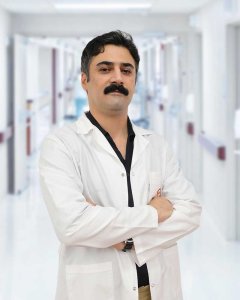
El Op. Dr. Semih Özçınar es cirujano plástico, reconstructivo y estético. Obtuvo el título de médico por la Universidad de Ankara y completó la residencia en cirugía plástica en la Universidad de İnönü. Es miembro de la Sociedad Internacional de Cirugía Plástica Estética (ISAPS).
Su trabajo científico incluye una presentación oral en el Congreso Nacional 2022 de la Sociedad Turca de Cirugía Plástica, Reconstructiva y Estética titulada "Análisis retrospectivo de colgajos regionales, lib

El profesor Firat se especializa en cirugía reconstructiva con una amplia formación en microcirugía y lesiones nerviosas en la Universidad Inonu.
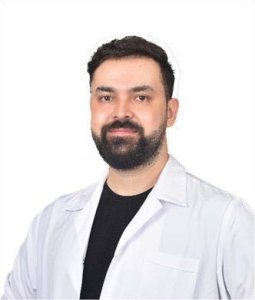
La Dra. Davarci se especializa en dermatología estética y cosmética en el complejo hospitalario Medical Park Antalya, con un enfoque en el rejuvenecimiento de la piel y tratamientos con láser.
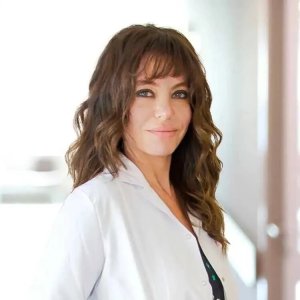
Especialista en dermatología y procedimientos cosméticos, con amplia formación en las universidades de Ege y Akdeniz.

 Olena Sikoza
Un trasplante de células madre técnicamente no es una cura para la esclerodermia, pero sigue siendo el tratamiento más eficaz para detener la progresión de la enfermedad. Este trasplante autólogo de células madre hematopoyéticas (AHSCT) reinicia el sistema inmunológico, induciendo una remisión a largo plazo y mejorando significativamente las tasas de supervivencia en comparación con las terapias farmacológicas inmunosupresoras tradicionales.
Perspectiva de expertos de Bookimed: Las instalaciones turcas como el Hospital Memorial Göztepe utilizan tecnologías avanzadas como la resonancia magnética de 3 Teslas asistida por IA para un control preciso. Los datos confirman que Turquía recibe el mayor volumen de solicitudes internacionales para estos procedimientos comp
Los trasplantes de células madre para la esclerodermia conllevan riesgos significativos, principalmente una mortalidad temprana relacionada con el tratamiento estimada entre el 3% y el 10%. Las complicaciones principales incluyen infecciones graves durante la fase de depleción inmunitaria, cardiotoxicidad aguda por quimioterapia de dosis alta y efectos a largo plazo como enfermedades autoinmunes secundarias o infertilidad permanente.
Perspectiva del experto de Bookimed: Si bien las clínicas turcas como el Hospital Memorial Göztepe ofrecen tecnologías avanzadas como la resonancia magnética asistida por IA para el cribado, el verdadero factor diferenciador es el período de aislamiento de 6 semanas. Los pacientes a menudo se centran en el costo Precio a consultar, pero la necesidad
La elegibilidad para un trasplante autólogo de células madre hematopoyéticas en la esclerodermia requiere un diagnóstico de esclerosis sistémica cutánea difusa. Los candidatos suelen mostrar una enfermedad temprana y de rápida progresión dentro de los 2 a 5 años posteriores al inicio. Los pacientes deben tener una función orgánica preservada para tolerar de forma segura la quimioterapia de alta dosis durante el acondicionamiento.
Perspectiva del experto de Bookimed: Mientras que los centros estadounidenses a menudo tienen límites de edad rígidos, las principales instalaciones turcas como el Hospital Memorial Göztepe pueden evaluar a pacientes de hasta 70 años. Estos centros se centran más en un Índice de Karnofsky del 70% o superior. Esto significa que su capacidad funcional para realizar tareas diarias importa más que su año de nacimiento.<
Un trasplante de células madre para la esclerodermia en Turquía requiere una estancia hospitalaria de 21 a 28 días en una habitación de aislamiento con filtro HEPA. El periodo total de seguimiento en Turquía se extiende de 6 a 12 semanas para garantizar un injerto seguro y la recuperación del sistema inmunológico antes de viajar.
Perspectiva del experto de Bookimed: Aunque los procedimientos generales en Turquía implican estancias breves, los trasplantes para esclerodermia requieren una supervisión clínica de alta intensidad. Los datos muestran que la fase ambulatoria es tan crítica como la hospitalización de 28 días. Los pacientes deben priorizar clínicas como Memorial Göztepe por sus alas de seguimiento estructuradas en hoteles durante estas 8 semanas de recuperación.
Consenso de los pacientes: Lo
Los principales hospitales turcos que realizan trasplantes autólogos de células madre hematopoyéticas para la esclerodermia incluyen el Anadolu Medical Center, el Acibadem Healthcare Group y el Memorial Shisli Hospital. Estas instalaciones acreditadas por la JCI utilizan protocolos de inmunoablación de alta dosis para reiniciar el sistema inmunológico, a menudo supervisados por equipos de hematología formados en Europa.
Perspectiva de expertos de Bookimed: Aunque muchas clínicas ofrecen terapia con células madre, los pacientes con esclerodermia deben priorizar los hospitales con unidades dedicadas de trasplante de médula ósea y acreditación de la Joint Commission International. Los datos muestran que los centros afiliados a universidades como Medipol o aquellos con asociaciones internacionales como Anadolu pro