Cirugía para la siringomielia en Turquía: las 21 mejores clínicas y sus precios


Revisado médicamente por
Fahad Mawlood
¿Cuál es el precio de Cirugía para la siringomielia en Turquía? Descubra ahora
De $8,500. El precio puede variar según el tipo de procedimiento (descompresión, colocación de derivación), el hospital, la experiencia del neurocirujano y la complejidad de la afección espinal. UU.
Los hospitales turcos suelen incluir en el precio la imagen preoperatoria (RM, TC), los honorarios neuroquirúrgicos, la anestesia, los cargos por sala de operaciones, los implantes estándar o sistemas de derivación, de 3 a 7 días de hospitalización, medicamentos y el seguimiento postoperatorio. En EE. UU., estos costos suelen facturarse por separado, y el precio indicado normalmente cubre solo los honorarios del cirujano o la estancia hospitalaria. Siempre confirmar qué servicios, imágenes o seguimientos están incluidos en cada clínica.
| España | Turquía | México | |
|---|---|---|---|
| Cirugía para la siringomielia | ≈ $17,000 | de $8,500 | ≈ $14,000 |
Sus beneficios y garantías con Bookimed
Precios directos
Bookimed no añade cargos adicionales a los precios de Cirugía para la siringomielia. Las tarifas proceden de las listas de precios oficiales de las clínicas. Pagará directamente en la clínica por su Cirugía para la siringomielia a su llegada al país.
Sólo clínicas y médicos verificados
Bookimed está comprometido con su seguridad. Solo trabajamos con las clínicas que mantienen altos estándares internacionales en Cirugía para la siringomielia y tienen las licencias necesarias para atender a pacientes internacionales en todo el mundo.
Asistencia 24/7 gratuita
Bookimed ofrece asistencia experta gratuita. Un coordinador médico personal le apoya antes, durante y después del tratamiento, resolviendo cualquier problema. Nunca estará solo en su viaje médico de Cirugía para la siringomielia.

Su coordinador médico personal de Bookimed
- Le apoya en cada etapa
- Ayuda a elegir la clínica y el médico adecuados
- Asegura un acceso rápido y conveniente a la información
Descubra las mejores clínicas de Cirugía para la siringomielia en Turquía: 21 opciones verificadas y Precios
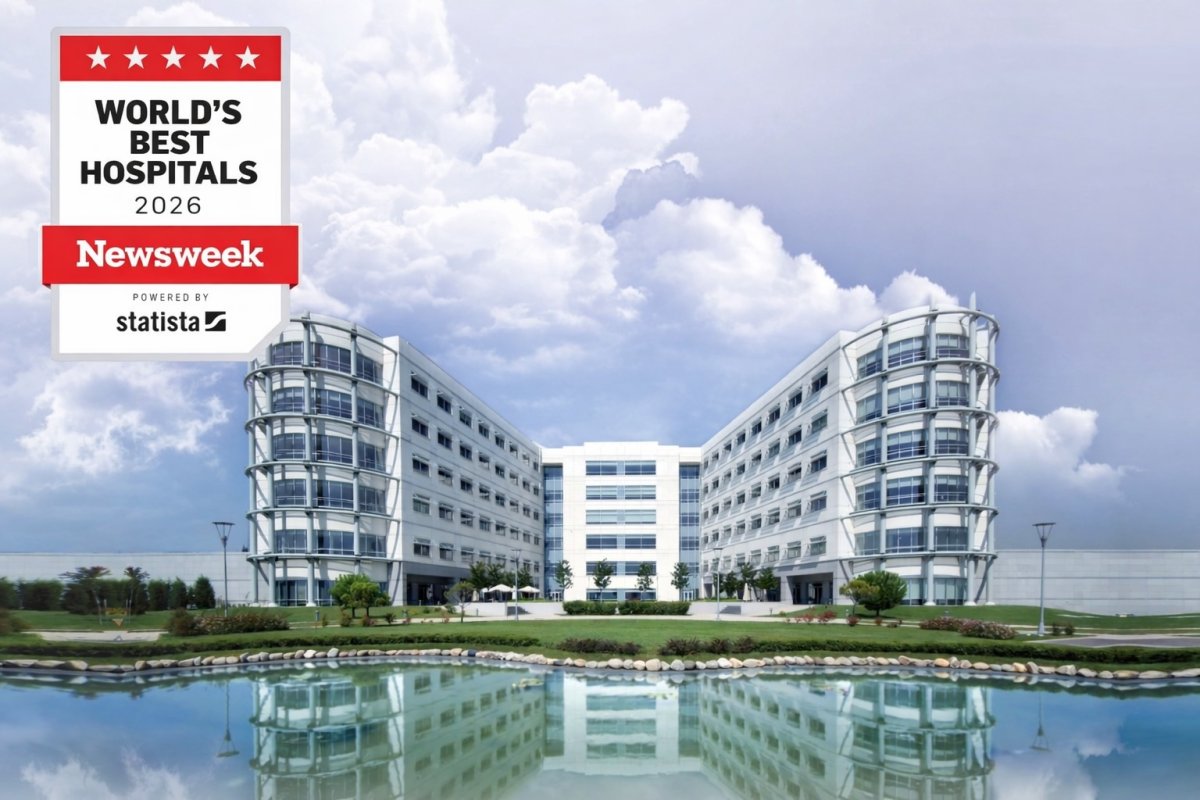









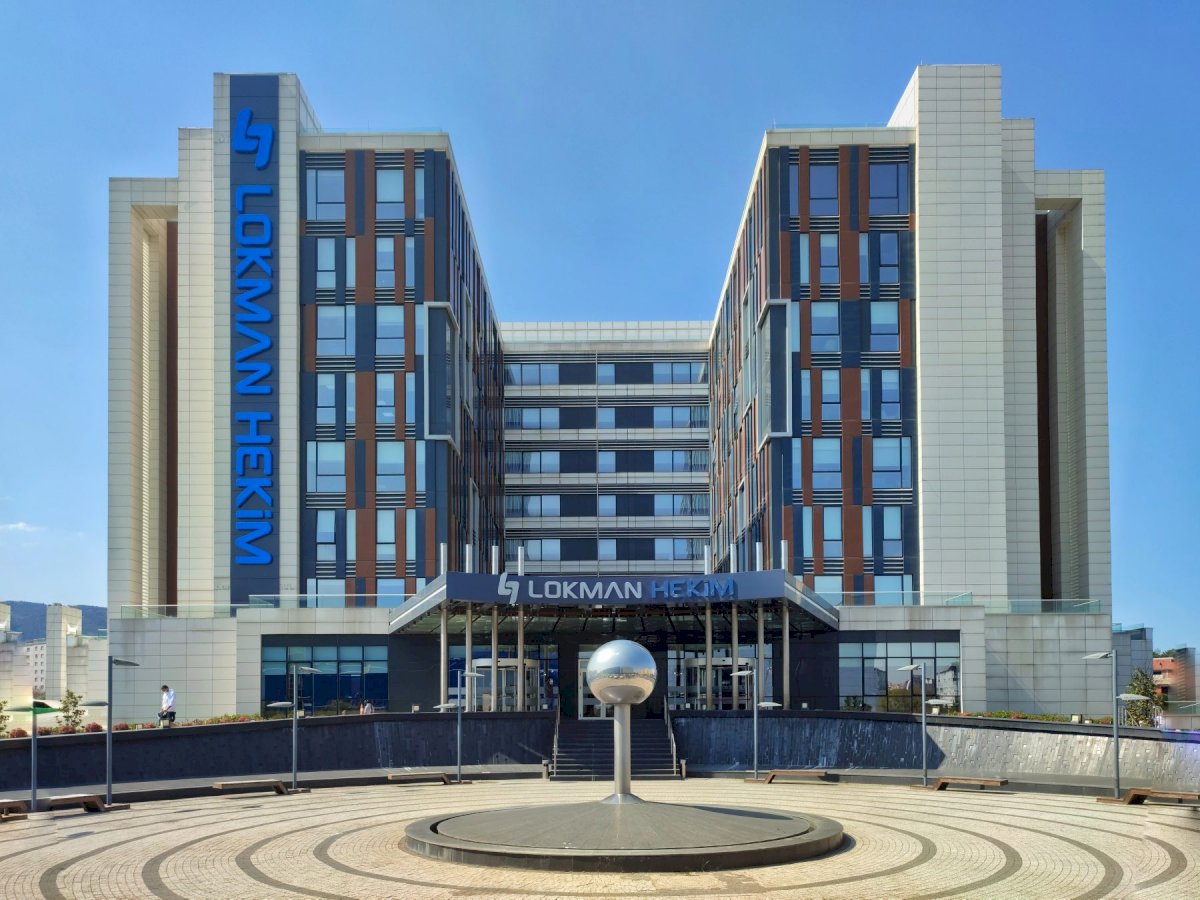
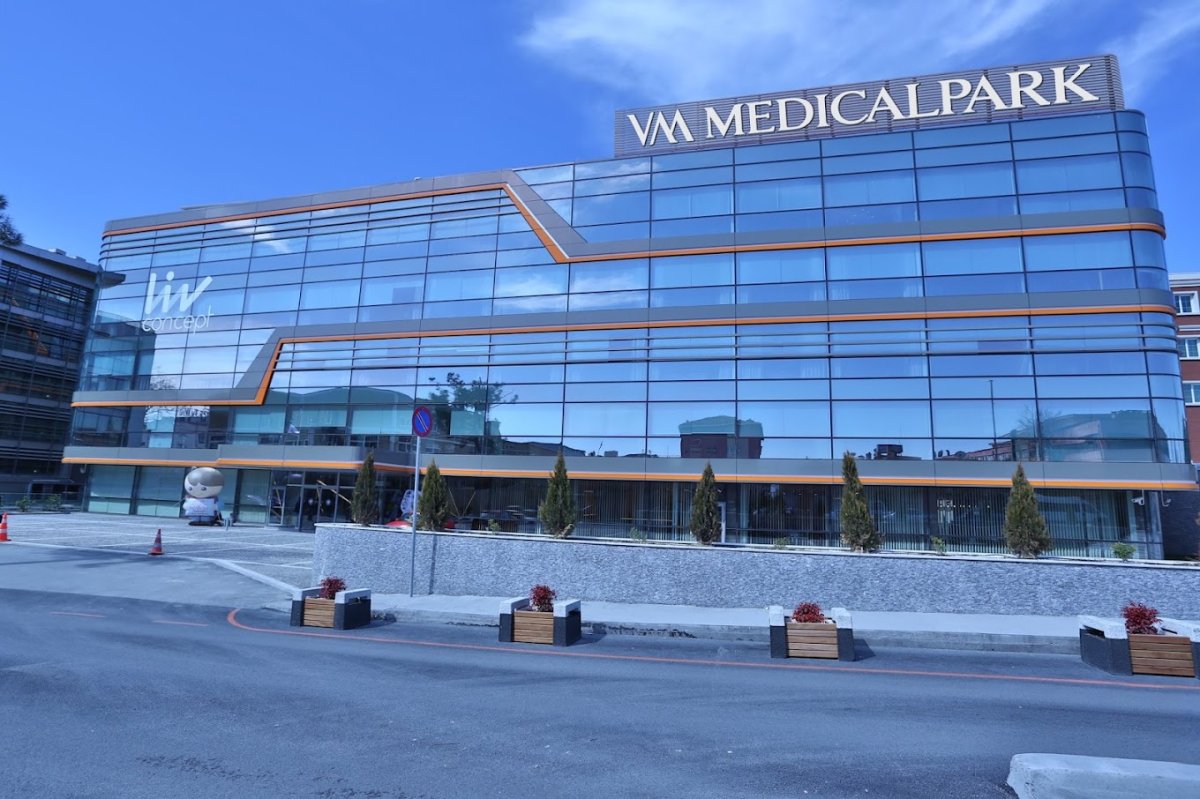
Hospital Lokman Hekim de Estambul (Lokman Hekim Istanbul Hospital)






Descripción general de Cirugía para la siringomielia en Turquía
- Cirugía para la siringomielia - de $8,500El procedimiento alivia la presión sobre la médula espinal, drenando la acumulación de líquido en su interior y mejorando los síntomas neurológicos.
Día 1: Llegada
- Llegue al hospital y complete el papeleo de admisión.
- Reúnase con el neurocirujano para la consulta quirúrgica.
- Someterse a pruebas preoperatorias, incluidos análisis de sangre y resonancia magnética.
Día 2: Preoperatorio
- Consulte con el anestesiólogo sobre el método de sedación.
- Reciba instrucciones sobre el ayuno y las restricciones de medicamentos.
- Someterse a un examen físico final.
Día 3: Cirugía
- Llegar al quirófano para la cirugía.
- Recibe anestesia general y comienza la cirugía.
- La cirugía dura unas 3-4 horas, dependiendo de la gravedad.
- El cirujano hace una incisión en la espalda para exponer la médula espinal.
- Se hace un pequeño orificio en la médula espinal para drenar la siringe.
Día 4-7: Postoperatorio
- Permanezca en el hospital para observación y control del dolor.
- Comenzar la terapia física para la recuperación de la fuerza y la movilidad.
- Recibir instrucciones para el cuidado de heridas y signos de infección para monitorear.
Semana 2-6: Rehabilitación
- Continúe con la fisioterapia para recuperar la fuerza y la función.
- Regreso gradual a las actividades diarias alrededor de la semana 4.
- Regrese al trabajo alrededor de la semana 6, dependiendo del progreso de la recuperación.
- Seguimiento regular con el cirujano para controlar la cicatrización.
Tenga en cuenta que el tiempo de recuperación puede variar según las circunstancias individuales y la gravedad de la siringomielia.
- Depósito de Bookimed: 200 $ o 200 €.
- Depósito de la clínica: Pague un porcentaje fijo por adelantado.
Obtenga una evaluación médica de Cirugía para la siringomielia en Turquía: haga una consulta con 35 médicos experimentados ahora
Ver todos los médicos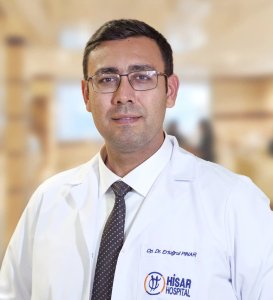
Ertugrul Pinar
El Dr. Ertugrul Pinar es neurocirujano en el Hisar Hospital Intercontinental de Estambul. Trata a pacientes adultos y pediátricos con enfermedades complejas del cerebro y la columna vertebral. El Dr. Pinar se centra en tumores cerebrales, aneurismas vasculares y patologías de la base del cráneo. Trabaja en un hospital acreditado por la JCI que atiende a más de 500.000 pacientes al año.
- Realiza procedimientos especializados, incluyendo la resección transnasal de tumores y la reparac
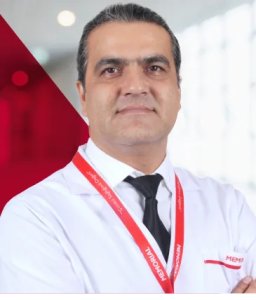
Mustafa Sakar
El Dr. Mustafa Sakar es especialista en neurocirugía en el Hospital Memorial Göztepe de Estambul (2025–presente). Anteriormente trabajó en el Hospital de Formación e Investigación de la Universidad de Marmara (Pendik) (2013–2025) y en el Hospital Estatal de Kahramanmaraş Elbistan (2011–2012).
Obtuvo el título de médico (MD) en la Facultad de Medicina de la Universidad Hacettepe, en Ankara (1997–2003). Completó allí la residencia en neurocirugía (2004–2010).
Afiliaciones profesio

Bahtiyar Demiralp
Especialista en oncología ortopédica compleja y cirugía de traumatismos – formado en la Clínica Mayo y en la Facultad de Medicina Militar GATA.
- Más de _doctor_8065_ años de experiencia en cirugía ortopédica
- Experto en cirugía de preservación de extremidades para tumores musculoesqueléticos
- Miembro de la Sociedad Turca de Tumores Musculoesqueléticos
- Profesor asociado en oncología ortopédica y traumatología
- Galardonado con múltiples premios de investigación en oncología ortopédica

Hasan Ozgur Ozdemir
El Prof. Dr. Hasan Özgür Özdemir se especializa en cirugía cerebral endoscópica y procedimientos de columna en el complejo hospitalario Medical Park Antalya.
- Más de _doctor_9311_años_ de experiencia en neurocirugía
- Experto en cirugías endoscópicas de disco lumbar y cervical
- Obtuvo el 1er lugar en el examen de competencia de la Sociedad Turca de Neurocirugía
- Miembro de la Sociedad Turca de Neurocirugía y de la Asociación Médica Turca
Historias en video de pacientes de Bookimed
Reseñas
Todas las reseñas






Compartir contenido
 Olena Sikoza
Preguntas frecuentes sobre Cirugía para la siringomielia en Turquía
¿Es segura la cirugía para la siringomielia y cuáles son los riesgos?
La cirugía para la siringomielia es generalmente segura cuando la realizan neurocirujanos certificados mediante descompresión microquirúrgica o duraplastia. Aunque detiene eficazmente la progresión de la enfermedad, los riesgos principales incluyen fugas de líquido cefalorraquídeo, infecciones y daño nervioso localizado. La mayoría de los procedimientos en instalaciones turcas acreditadas por la JCI se realizan sin complicaciones que pongan en peligro la vida.
- Objetivo de éxito: La cirugía tiene como objetivo principal detener el crecimiento de la siringe en lugar de revertir el daño existente.
- Riesgos principales: Las complicaciones potenciales incluyen meningitis, recurrencia de la siringe o déficit neurológico temporal.
- Monitoreo avanzado: Las mejores clínicas utilizan neuromonitoreo intraoperatorio para proteger la función de la médula espinal durante la cirugía.
- Tiempo de recuperación: Los pacientes generalmente requieren de 6 a 12 meses para una recuperación completa con resonancias magnéticas de seguimiento programadas.
Perspectiva del experto de Bookimed: Los datos de los principales centros de Estambul, como el Anadolu Medical Center, que está afiliado a Johns Hopkins, muestran un enfoque en el tratamiento de la causa subyacente, como la malformación de Chiari, en lugar de solo la siringe. La estabilidad neurológica es el objet
¿Cómo sé si soy un buen candidato para una cirugía de siringomielia en Turquía?
Usted es candidato para una cirugía de siringomielia en Turquía si presenta síntomas neurológicos progresivos, como un empeoramiento de la debilidad muscular o pérdida de la sensibilidad al dolor, junto con evidencia en la resonancia magnética (IRM) de una siringe que supera los 5 mm. Los neurocirujanos turcos priorizan la cirugía cuando los quistes llenos de líquido interfieren con la vida diaria o indican malformaciones de Chiari subyacentes.
- Progresión neurológica: Atrofia muscular que empeora rápidamente, dificultades motoras o pérdida de la sensibilidad a la temperatura en las extremidades.
- Criterios radiológicos: Hallazgos de IRM que muestran una siringe grande o un crecimiento superior a 5 mm con el tiempo.
- Tratamiento conservador fallido: Dolor crónico o escoliosis que permanece sin control después de fisioterapia y medicación.
- Causas subyacentes: Identificación clara de malformación de Chiari, tumores espinales o tejido cicatricial que bloquea el líquido cefalorraquídeo.
Perspectiva del experto de Bookimed: Aunque una siringe típica aparece en una IRM, los especialistas turcos como el profesor Ilhan Elmaci a menudo rechazan la cirugía si no hay un deterioro funcional. Los datos muestran que los resultados más exitosos ocurren al tratar la causa raíz, como la malformación de Chiari, en lugar de solo derivar el quiste. Clínicas c
¿Qué técnicas quirúrgicas se utilizan y cuánto dura la operación?
Los neurocirujanos en Turquía utilizan principalmente la descompresión de la fosa posterior para tratar la siringomielia, a menudo combinada con una duraplastia para expandir el espacio del líquido cefalorraquídeo. Estos procedimientos espinales especializados suelen durar de 2 a 4 horas bajo anestesia general, dependiendo de si el cirujano realiza técnicas adicionales como mielotomía o laminectomía.
- Técnicas quirúrgicas: Los especialistas realizan descompresión de la fosa posterior, duraplastia y laminectomía C1 para casos relacionados con Chiari.
- Duración de la operación: La descompresión estándar toma 2 horas, extendiéndose hasta 4 horas para derivaciones (shunts) de siringe complejas.
- Enfoques avanzados: En centros especializados existen métodos mínimamente invasivos asistidos por endoscopia para reducir el trauma tisular.
- Monitoreo del paciente: Las clínicas líderes utilizan neuromonitoreo intraoperatorio para proteger la función nerviosa durante todo el procedimiento.
Opinión de expertos de Bookimed: Aunque muchos asumen que la derivación es el estándar, los datos de los principales centros de Estambul, como el Hospital Istanbul Florence Nightingale, muestran una preferencia por la descompresión. Profesores como Ilhan Elmaci a menudo logran un colapso del 90% de la siringe mediante microcirugía, que aborda la causa raíz en lugar d
¿Cuál es el proceso de recuperación esperado y los resultados después de la cirugía de siringomielia?
Los pacientes suelen lograr la detención de la progresión de la siringomielia y una mejora del 50–70% en el dolor o el entumecimiento. La recuperación implica de 5 a 7 días en el hospital, seguidos de 4 a 6 semanas para la cicatrización de la herida. Las ganancias neurológicas completas a menudo continúan durante 12–18 meses mediante fisioterapia intensiva.
- Estancia hospitalaria: Espere de 5 a 7 días en unidades de cuidados agudos, o más tiempo en cuidados intensivos neurológicos.
- Regreso al trabajo: La mayoría de los pacientes regresan a actividades ligeras y al trabajo en un plazo de 3 a 6 meses.
- Mejora máxima: La recuperación sensorial y motora máxima ocurre generalmente entre los 12 y 18 meses.
- Atención de seguimiento: Programe exámenes de resonancia magnética obligatorios a las 6 semanas, 6 meses y 12 meses.
Perspectiva del experto de Bookimed: La intervención temprana es el predictor más fuerte del éxito a largo plazo. Los datos muestran que clínicas como el Hospital Istanbul Florence Nightingale utilizan neuromonitoreo intraoperatorio para proteger la función nerviosa. Cirujanos como el Dr. Ilhan Elmaci enfatizan que operar cuando los síntomas son leves conduce a mejores resultados a los 12 meses.
Consenso de los pacientes: Muchos notan un alivio inmediato de la presión, pero algunos experimentan dolor tem
¿Cuál es el tamaño de la cicatriz después de una cirugía de siringomielia en Turquía?
La cirugía de siringomielia en Turquía suele implicar una cicatriz lineal de 4 a 8 cm a lo largo de la línea media de la parte superior del cuello o la espalda. Aunque inicialmente son visibles, estas cicatrices se ocultan fácilmente con el cabello largo o ropa de cuello alto. Las técnicas endoscópicas mínimamente invasivas pueden reducir aún más el tamaño de la cicatriz a 2–3 cm.
- Longitud de la incisión: La descompresión estándar de la fosa posterior deja una cicatriz vertical en la línea media de 4 a 8 cm.
- Ventaja endoscópica: Los enfoques mínimamente invasivos utilizados en las clínicas de Estambul reducen las cicatrices a 2–3 cm.
- Ocultación de cicatrices: La mayoría de las incisiones se sitúan en la línea del cabello o quedan cubiertas por el cuello de la camisa.
- Tiempo de recuperación: Las cicatrices quirúrgicas suelen tardar de 1 a 2 años en desvanecerse hasta convertirse en líneas finas y pálidas.
Perspectiva del experto de Bookimed: Los pacientes pueden solicitar una incisión paramediana a cirujanos como el Dr. Ilhan Elmaci. Esta técnica curva ligeramente la cicatriz fuera del centro. Esta colocación evita que la cicatriz tire durante el movimiento del cuello. Esto da como resultado una línea más delgada que es más difícil de notar a largo plazo.
Consenso de los pacientes: Muchos pacientes encuentran que
¿Cuánto tiempo debo planificar para mi estancia en Turquía?
Los pacientes deben planificar una estancia de 14 a 21 días en Turquía para una cirugía de siringomielia. Este plazo permite de 2 a 3 noches de hospitalización y de 10 a 14 días de recuperación local. Extender la estancia garantiza la estabilidad de la herida y un viaje aéreo seguro después de la neurocirugía.
- Periodo de hospitalización: La mayoría de los centros de neurocirugía requieren de 2 a 3 noches para la monitorización inicial.
- Ventana de recuperación: Planifique de 7 a 10 días en un hotel para los controles esenciales de la herida.
- Restricciones de viaje: Los cirujanos desaconsejan volar antes del día 10 para evitar complicaciones por presión.
- Duración total: Presupuestar 21 días permite una posible fisioterapia o una observación postoperatoria prolongada.
Perspectiva del experto de Bookimed: Mientras que los turistas generales se quedan 10 días, los pacientes de neurocirugía en centros de primer nivel como el Hospital Istanbul Florence Nightingale a menudo necesitan una autorización de 14 días. Los datos muestran que las clínicas con acreditación JCI aplican estrictamente este plazo. Este tiempo de espera es vital para los pacientes sometidos a laminectomía o derivación para garantizar que la presión espinal se estabilice antes de los vuelos de larga distancia.
Consenso de los pacientes: Muchos enfatiza
¿Hay personal médico y traductores de habla inglesa disponibles para la cirugía de siringomielia en Turquía?
Los hospitales turcos acreditados por la JCI ofrecen departamentos dedicados a pacientes internacionales con coordinadores de habla inglesa y traductores médicos para neurocirugías complejas como la cirugía de siringomielia. Los centros de primer nivel en Estambul garantizan asistencia 24/7, cubriendo desde consultas preoperatorias hasta el seguimiento de la recuperación postoperatoria y asistencia logística.
- Departamentos internacionales: Equipos especializados gestionan la logística, la traducción y la comunicación para pacientes extranjeros.
- Apoyo lingüístico: Intérpretes personales cierran las brechas de comunicación entre los pacientes y el personal de enfermería que no habla inglés.
- Seguimiento postoperatorio: Las clínicas de alta gama proporcionan coordinadores dedicados para asistencia 24/7 tras el alta durante la recuperación.
- Competencia del personal: Los cirujanos en los principales centros suelen mantener un alto dominio del inglés para discusiones técnicas.
Perspectiva del experto de Bookimed: Los datos muestran que el Hospital Florence Nightingale de Estambul y el Centro Médico Anadolu mantienen mayores ratios de personal de habla inglesa debido a sus afiliaciones internacionales. El vínculo de Anadolu con el Hospital Johns Hopkins garantiza que los protocolos cumplan con los estándares de comunicación de EE. UU. Para la s