Terapia diana para el cáncer de pulmón en Turquía: las 8 mejores clínicas y sus precios


Revisado médicamente por
Fahad Mawlood
¿Cuál es el precio de Terapia diana para el cáncer de pulmón en Turquía? Descubra ahora
| España | Turquía | México | |
|---|---|---|---|
| Terapia diana para el cáncer de pulmón | ≈ $6,500 | de $5,000 | ≈ $6,500 |
Sus beneficios y garantías con Bookimed
Precios directos
Bookimed no añade cargos adicionales a los precios de Terapia diana para el cáncer de pulmón. Las tarifas proceden de las listas de precios oficiales de las clínicas. Pagará directamente en la clínica por su Terapia diana para el cáncer de pulmón a su llegada al país.
Sólo clínicas y médicos verificados
Bookimed está comprometido con su seguridad. Solo trabajamos con las clínicas que mantienen altos estándares internacionales en Terapia diana para el cáncer de pulmón y tienen las licencias necesarias para atender a pacientes internacionales en todo el mundo.
Asistencia 24/7 gratuita
Bookimed ofrece asistencia experta gratuita. Un coordinador médico personal le apoya antes, durante y después del tratamiento, resolviendo cualquier problema. Nunca estará solo en su viaje médico de Terapia diana para el cáncer de pulmón.

Su coordinador médico personal de Bookimed
- Le apoya en cada etapa
- Ayuda a elegir la clínica y el médico adecuados
- Asegura un acceso rápido y conveniente a la información
Descubra las mejores clínicas de Terapia diana para el cáncer de pulmón en Turquía: 8 opciones verificadas y Precios












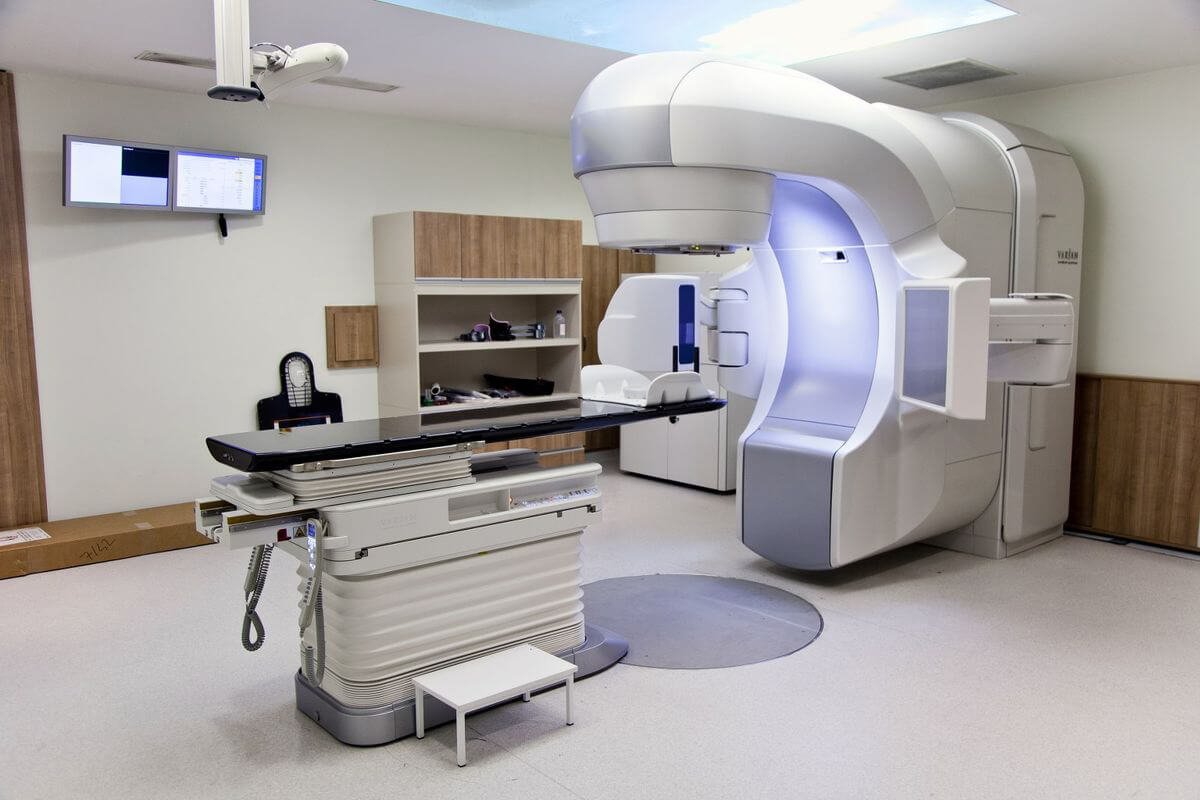
Descripción general de Terapia diana para el cáncer de pulmón en Turquía
- Lobectomía - de $9,000El procedimiento consiste en extirpar un lóbulo pulmonar, generalmente para tratar afecciones como el cáncer de pulmón, lo que mejora la salud del paciente.
- Cirugía de cáncer de pulmón - de $8,500El procedimiento elimina tumores en los pulmones, ayuda con el diagnóstico y, en general, alivia los síntomas y prolonga la vida.
- Resección en cuña - de $11,100Esta cirugía extrae una pequeña parte del tejido pulmonar en forma de cuña, principalmente para tratar el cáncer de pulmón localizado.
- Segmentectomía pulmonar - de $9,300Esta cirugía extrae segmentos de pulmón que albergan células cancerosas. Protege el tejido sano, ofreciendo mínimas molestias y una rápida recuperación.
- Terapia diana para el cáncer de pulmón - de $5,000Esta terapia ataca específicamente las células cancerosas, reduciendo el daño a las sanas. Es menos grave con una eficacia notable.
Día 1 - Llegada
- Llegada al centro médico.
- Complete el papeleo necesario y los procedimientos de registro.
Día 2 - Preoperatorio
- Consulta con un oncólogo y un neumólogo.
- Sométete a un examen físico y pruebas de laboratorio.
- Realizar estudios de imagen como CT o MRI.
Día 3: preparación para la terapia dirigida
- Revisión de la historia clínica y los resultados de las pruebas.
- Explicación del procedimiento de terapia diana y sus riesgos.
- Firma de formularios de consentimiento.
Día 4 - Terapia de destino
- Administración de fármacos de terapia diana por vía oral o intravenosa.
- El proceso dura unas pocas horas, no requiere anestesia.
- La terapia se dirige a genes y proteínas específicos de las células cancerosas.
Día 5 - Postoperatorio
- Control regular de signos vitales y efectos secundarios.
- Permanezca en la clínica para observación durante un día.
Semana 1 - Rehabilitación
- Consulta de seguimiento con el oncólogo.
- Exámenes de sangre regulares y estudios de imágenes para monitorear el progreso.
Semana 2-4 - Rehabilitación
- Continuación de la terapia diana en casa si así lo aconseja el médico.
- Regreso gradual al trabajo y actividades diarias.
Mes 2-3 - Resultado final
- Recuperación completa y regreso al estilo de vida regular.
- Revisiones periódicas para controlar el estado del cáncer.
Tenga en cuenta que el proceso de recuperación puede variar según las condiciones de salud individuales y cómo responde el cuerpo al tratamiento.
- Depósito de Bookimed: 200 $ o 200 €.
- Depósito de la clínica: Pague un porcentaje fijo por adelantado.
Obtenga una evaluación médica de Terapia diana para el cáncer de pulmón en Turquía: haga una consulta con 12 médicos experimentados ahora
Ver todos los médicos
Mustafa Solak
El Dr. Solak se especializa en el tratamiento del cáncer de pulmón y cuenta con una formación de subespecialización en el Instituto del Cáncer de la Universidad de Hacettepe, uno de los centros oncológicos líderes en Turquía.
- Formado en el MD Anderson Cancer Center de la Universidad de Texas
- Experiencia en terapias dirigidas para diversos tipos de cáncer, incluido el cáncer de pulmón
- Especializado también en cáncer de mama, ovario y gastrointestinal
- Graduado de la Universidad de Hacettepe, la mejor facultad de medicina de Turquía

Eda Tanrıkulu Şimşek
El médico es un oncólogo muy respetado en el Centro Médico Anadolu, especializado en oncología médica y quimioterapia. Después de obtener un título médico de la Universidad de Ankara en 2005, el médico completó la formación especializada en medicina interna en la Universidad de Estambul y se especializó aún más en oncología médica en la Universidad de Marmara para 2017. El médico ha liderado la unidad de oncología médica en el Hospital de Formación e Investigación Haydarpaşa Numune y ha parti

Mustafa Serkan Alemdar
Especialista en terapia dirigida para el cáncer de pulmón: el Dr. Alemdar combina el rigor académico con una amplia experiencia clínica en el complejo hospitalario Medical Park Antalya.
- Formación en oncología médica en la Facultad de Medicina de la Universidad de Akdeniz
- 20 años en medicina interna y oncología
- Trabaja con equipos interdisciplinarios para el tratamiento integral del cáncer de pulmón
Historias en video de pacientes de Bookimed
Reseñas
Todas las reseñasCompartir contenido
 Olena Sikoza
Preguntas frecuentes sobre Terapia diana para el cáncer de pulmón en Turquía
¿Cómo se administra la terapia dirigida para el cáncer de pulmón en Turquía?
La terapia dirigida para el cáncer de pulmón en Turquía se administra como un régimen personalizado basado en pruebas moleculares para mutaciones como EGFR o ALK. Los pacientes reciben tabletas orales diarias en casa o infusiones intravenosas durante sesiones ambulatorias de tres horas en hospitales acreditados por la JCI en Estambul y Ankara.
- Cribado molecular: Los médicos realizan una secuenciación genética para identificar biomarcadores antes de comenzar con medicamentos dirigidos específicos.
- Administración oral: Los pacientes toman inhibidores de moléculas pequeñas como el Crizotinib en cápsulas diarias en casa.
- Infusión intravenosa: Los equipos médicos administran anticuerpos monoclonales por vía intravenosa cada 2 a 3 semanas.
- Seguimiento clínico: Comités multidisciplinarios de tumores en centros como el Anadolu Medical Center revisan los escaneos de progreso.
Perspectiva del experto de Bookimed: El tiempo de respuesta de las pruebas genéticas es un diferenciador importante para los pacientes internacionales en Turquía. Mientras que algunos centros globales tardan semanas, los laboratorios privados especializados en Estambul a menudo entregan resultados de NGS en 7 días. Esta velocidad permite a los cirujanos, como los del Hospital Memorial Şişli, iniciar protocolos de terapia precisos casi inmediatamente después del diagnóstico.
¿Qué es exactamente la terapia dirigida para el cáncer de pulmón?
La terapia dirigida es un tratamiento oncológico de precisión que utiliza fármacos para bloquear mutaciones genéticas específicas, como EGFR o ALK, que impulsan el crecimiento tumoral. A diferencia de la quimioterapia, estos medicamentos atacan principalmente a las células cancerosas con errores moleculares, preservando el tejido sano y reduciendo significativamente los efectos secundarios sistémicos.
- Mecanismo de tratamiento: Los fármacos actúan como una llave y una cerradura para bloquear las proteínas que señalan el crecimiento.
- Objetivos comunes: Los médicos realizan pruebas de mutaciones EGFR, ALK, KRAS y ROS1 antes de prescribir el tratamiento.
- Método de administración: Muchos pacientes toman pastillas orales diarias en casa en lugar de infusiones intravenosas.
- Naturaleza ambulatoria: La terapia suele ser ambulatoria y requiere pruebas de imagen periódicas cada 6 a 8 semanas.
Perspectiva del experto de Bookimed: Los centros oncológicos turcos, como el Anadolu Medical Center, suelen ofrecer un acceso más rápido a la secuenciación genómica de nueva generación. Mientras que los sistemas públicos pueden sufrir retrasos, las clínicas privadas acreditadas por la JCI suelen entregar paneles completos de biomarcadores en 2 semanas. Esta rapidez es fundamental para asignar a los pacientes inhibidores específicos como Osimertinib o Alectini
¿Es segura la terapia dirigida y cuáles son los principales riesgos?
La terapia dirigida es generalmente segura y más precisa que la quimioterapia, ya que se centra en proteínas específicas de las células cancerosas. Sin embargo, puede afectar a las células sanas, provocando efectos secundarios manejables como erupciones cutáneas y diarrea, o complicaciones raras pero graves que involucran la salud cardiovascular, toxicidad hepática y hemorragias internas.
- Monitoreo cardiovascular: Los médicos controlan la presión arterial y el ritmo cardíaco para prevenir la hipertensión o la insuficiencia cardíaca.
- Toxicidad orgánica: Los análisis de sangre regulares monitorean las enzimas hepáticas y la función tiroidea para detectar posibles daños inducidos por medicamentos.
- Cambios en la piel: Las erupciones similares al acné o la sequedad extrema ocurren con frecuencia, pero se tratan con cremas especializadas.
- Cuidado gastrointestinal: La diarrea crónica requiere hidratación proactiva y probióticos para mantener la salud intestinal durante el tratamiento.
Perspectiva del experto de Bookimed: Los principales centros turcos como el Anadolu Medical Center y Memorial Bahçelievler mantienen la seguridad a través de afiliaciones de élite, como con Johns Hopkins Medicine. Los datos muestran que estas clínicas priorizan la estabilidad a largo plazo integrando un monitoreo molecular mensual. Esto ayuda a especialistas como
¿Quién es elegible para una terapia dirigida en Turquía?
La elegibilidad para una terapia dirigida en Turquía depende del perfil molecular del tumor más que solo del estadio del cáncer. Los pacientes deben someterse a pruebas genéticas especializadas, como la secuenciación de próxima generación (NGS), para identificar mutaciones específicas como EGFR, ALK o ROS1 antes de comenzar el tratamiento.
- Requisito de pruebas genéticas: El diagnóstico moderno debe confirmar marcadores específicos como las mutaciones HER2, KRAS o BRAF.
- Estadio de la enfermedad: A menudo se prescribe para cánceres avanzados en estadio 4 o metastásicos que se han propagado.
- Historial de tratamiento: Los pacientes que no respondieron a la quimioterapia estándar son los candidatos principales.
- Estado de salud clínico: Los pacientes necesitan un estado funcional estable para manejar los posibles efectos secundarios de la terapia.
Perspectiva del experto de Bookimed: Si bien muchas clínicas locales ofrecen oncología básica, los principales centros como el Anadolu Medical Center proporcionan paneles de mutación integrales a través de afiliaciones con líderes mundiales como Johns Hopkins. Elegir un centro acreditado por la JCI en Estambul garantiza el acceso a aproximadamente el 62% de todos los medicamentos dirigidos aprobados por la FDA, lo que a menudo ahorra a los pacientes _price_percent_discount_% en comparación con los c
¿Cuánto tiempo me quedaré en Turquía para una terapia dirigida?
Los pacientes suelen permanecer en Turquía de 7 a 28 días para recibir terapia dirigida contra el cáncer de pulmón. Una visita de corta duración de 3 a 7 días cubre los estudios diagnósticos iniciales y el inicio de la medicación oral. Las infusiones intravenosas o las pruebas genéticas exhaustivas para detectar mutaciones de EGFR o ALK suelen requerir de 2 a 4 semanas.
- Estudio inicial: El diagnóstico, las tomografías por emisión de positrones (PET) y la confirmación mediante biopsia suelen llevar de 3 a 7 días.
- Pruebas de mutación: La confirmación de marcadores genéticos para fármacos dirigidos a menudo extiende las estancias a 14 días.
- Ciclos de infusión: Las terapias intravenosas suelen seguir ciclos de 21 a 28 días para controlar la respuesta inmunitaria.
- Periodo de observación: Las clínicas de primer nivel priorizan 7 días de observación para controlar posibles efectos secundarios como la fatiga.
Opinión del experto de Bookimed: Los datos de centros de gran volumen como el Anadolu Medical Center, afiliado a Johns Hopkins, muestran que las pruebas de mutación son el principal factor que prolonga la estancia. A menudo puede reducir su estancia de 3 semanas a 1 semana compartiendo los bloques de patología existentes para su revisión antes de su llegada. Esto permite a oncólogos como la Dra. Eda Tanrikulu finalizar el protocolo antes d
¿Qué medicamentos están disponibles en Turquía para cada alteración genética?
Los centros oncológicos turcos brindan acceso a aproximadamente el 62,7% de las terapias dirigidas aprobadas por la FDA para el cáncer de pulmón. Los medicamentos principales para las mutaciones EGFR, ALK y ROS1 están ampliamente disponibles en instituciones acreditadas por la JCI. El acceso se gestiona a través de licencias locales o el programa de importación del Anexo 4-C de la Agencia Turca de Medicamentos y Dispositivos Médicos.
- Medicamentos para EGFR: Osimertinib, Gefitinib y Erlotinib están disponibles para mutaciones en el exón 19del o L858R.
- Medicamentos para ALK/ROS1: Alectinib y Crizotinib son estándar; Entrectinib puede requerir protocolos de importación especializados.
- Medicamentos para BRAF/MET: Las combinaciones de Dabrafenib y Trametinib se importan esporádicamente para casos de pulmón positivos para V600E.
- Inhibidores de KRAS: El acceso a Sotorasib sigue siendo limitado, principalmente a través de ensayos privados o importaciones específicas.
Opinión de expertos de Bookimed: El Anadolu Medical Center mantiene una afiliación con Johns Hopkins, lo que otorga a los pacientes acceso a protocolos internacionales que a menudo superan las brechas de licencia. Los datos muestran que centros como el Hospital Hisar priorizan las pruebas NGS integrales por alrededor de $1,000. Este es un primer paso crítico porque el sistema turco
¿Cómo mediremos el éxito y qué resultados puedo esperar?
El éxito de la terapia dirigida para el cáncer de pulmón se mide principalmente por la reducción del tumor y el alivio de los síntomas. Los pacientes suelen observar una reducción de la falta de aire y un aumento de la energía en un plazo de 2 a 6 semanas. El éxito clínico se confirma mediante tomografías computarizadas o PET cada 8 a 12 semanas utilizando los criterios RECIST.
- Respuesta tumoral: Los médicos buscan una reducción del 30% o más durante las exploraciones de diagnóstico por imagen trimestrales.
- Control de la enfermedad: Los inhibidores de nueva generación como el osimertinib a menudo proporcionan 24 meses o más de estabilidad.
- Monitoreo de resistencia: Las biopsias líquidas o la secuenciación de nueva generación (NGS) detectan nuevas mutaciones si se produce progresión.
- Monitoreo clínico: Los análisis de sangre mensuales y las consultas con especialistas rastrean la tolerancia al tratamiento y la función orgánica.
Perspectiva del experto de Bookimed: Aunque muchos se centran en las exploraciones, el verdadero factor diferenciador en centros turcos como el Anadolu Medical Center es el acceso a ensayos clínicos internacionales. Su afiliación con Johns Hopkins permite a los pacientes pasar inmediatamente a terapias experimentales cuando los medicamentos dirigidos estándar dejan de funcionar. Este cambio fluido entre inhibidore
¿Qué plan de seguimiento post-tratamiento debo seguir después de regresar a casa?
El seguimiento post-tratamiento para la terapia dirigida contra el cáncer de pulmón en Turquía requiere análisis de sangre mensuales e imágenes diagnósticas cada 3 a 6 meses. Su plan debe incluir un monitoreo específico de patrones de resistencia, seguimiento de la adherencia a la medicación y educación sobre síntomas para inhibidores de la tirosina quinasa orales o combinaciones de inmunoterapia intravenosa.
- Calendario de imágenes: Realice tomografías computarizadas o PET-CT cada 3 meses inicialmente para detectar la resistencia a tiempo.
- Monitoreo diagnóstico: Realice análisis de sangre mensuales y rastree marcadores tumorales como el CEA para detectar signos de estabilidad.
- Diario de síntomas: Registre diariamente la fatiga, el peso y los niveles de O2 para identificar una progresión sutil de la enfermedad.
- Alertas de peligro: Contacte a su oncólogo inmediatamente ante una nueva tos, dolor óseo o empeoramiento de la dificultad para respirar.
Perspectiva del experto de Bookimed: Clínicas como el Anadolu Medical Center ofrecen planes de supervivencia afiliados a los estándares de Johns Hopkins. Los datos muestran que los pacientes que utilizan centros de alto nivel en Estambul a menudo reciben ciclos de imágenes más frecuentes de 3 meses. Este monitoreo agresivo es vital para terapias dirigidas como Osimertinib, donde la resistencia pu