Otorrinolaringología/Oído, Nariz y Garganta (ENT) en Estados Unidos — Costos 2026


Revisado médicamente por
Fahad Mawlood
¿Cuál es el precio de procedimientos de Otorrinolaringología/Oído, Nariz y Garganta (ENT) en Estados Unidos? Descubra ahora
El tratamiento de oído, nariz y garganta (ORL) en los Estados Unidos suele costar entre $8,400 y $42,800. Los costos finales dependen de su cobertura de seguro, la complejidad del procedimiento y si la cirugía se realiza en un consultorio o en un hospital. Los precios fluctúan según el entorno clínico específico y el lugar de la cirugía.
Costos típicos de ORL en Estados Unidos
- Consulta con un otorrinolaringólogo: $350 – $550
- Audiometría: $140 – $250
- Laringoscopia: $550 – $1,200
- Septoplastia (cirugía de tabique desviado): de $4,500
- Colocación de implante coclear: $55,000 – $88,000
- Extirpación de adenoides: $4,500 – $8,500
- Amigdalectomía: $6,500 – $9,800
- Reparación de labio leporino o paladar hendido: de $10,000
- Cirugía de pólipos nasales: Precio a consultar
- Timpanoplastia: $6,500 – $10,500
Los servicios especializados de ORL están ampliamente disponibles en ciudades como Nueva York, Los Ángeles, Miami y Houston. Si bien los centros principales como Nueva York a menudo tienen tarifas más altas, estados como Texas o Florida pueden ofrecer precios promedio en efectivo entre un 10% y un 20% más bajos. Consulte con un especialista para obtener precios precisos para su caso.
| Estados Unidos | España | Turquía | |
|---|---|---|---|
| Timpanoplastia | ≈ $6,500 | de $5,100 | de $3,600 |
| Septoplastia | de $4,500 | de $5,600 | de $1,800 |
| Reparación de labio leporino o paladar hendido | de $10,000 | de $13,400 | de $2,600 |
| Intervención de pólipos laríngeos con microcirugía endolaríngea | ≈ $6,500 | ≈ $3,800 | de $2,500 |
| Estapedectomía | ≈ $9,000 | ≈ $3,200 | de $6,200 |
Todas las enfermedades de Otorrinolaringología/Oído, Nariz y Garganta (ENT)
Sus beneficios y garantías con Bookimed
Precios directos
Bookimed no añade cargos extra a los precios de los tratamientos de Otorrinolaringología/Oído, Nariz y Garganta (ENT). Las tarifas proceden de las listas de precios oficiales de las clínicas. Pagará directamente en la clínica por su tratamiento a su llegada al país.
Sólo clínicas y médicos verificados
Bookimed está comprometido con su seguridad. Solo trabajamos con las clínicas que mantienen altos estándares internacionales en el tratamiento de Otorrinolaringología/Oído, Nariz y Garganta (ENT) y tienen las licencias necesarias para atender a pacientes internacionales en todo el mundo.
Asistencia 24/7 gratuita
Bookimed ofrece asistencia experta gratuita. Un coordinador médico personal le apoya antes, durante y después del tratamiento, resolviendo cualquier problema. Nunca estará solo en su viaje médico de procedimientos de Otorrinolaringología/Oído, Nariz y Garganta (ENT).

Su coordinador médico personal de Bookimed
- Le apoya en cada etapa
- Ayuda a elegir la clínica y el médico adecuados
- Asegura un acceso rápido y conveniente a la información
Descubra las mejores clínicas de Otorrinolaringología/Oído, Nariz y Garganta (ENT) en Estados Unidos: 18 opciones verificadas y Precios






Johns Hopkins Hospital


The Dental Clinic-Kedzie

The Aesthetic Institute of Chicago - Brian M. Braithwaite

International Dental Center

UIC Plastic Surgery

Plastic Surgery Chicago
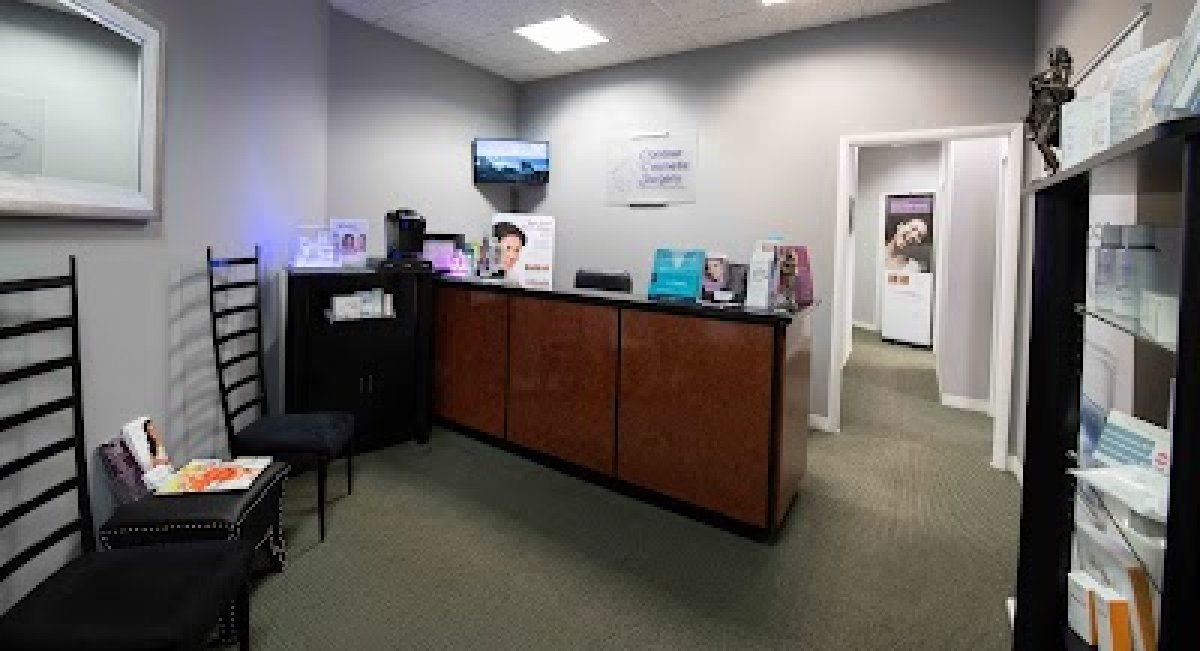
Cosmetic Surgery of Chicago & Medical Spa Dr. Cynthia Buono

North Park Dental Clinic
Los mejores centros médicos de Otorrinolaringología/Oído, Nariz y Garganta (ENT) en Estados Unidos
- Cleveland Clinic, Estados Unidos
- Johns Hopkins Hospital, Estados Unidos
- Center for Plastic and Reconstructive Surgery, Estados Unidos
- The Dental Clinic-Kedzie, Estados Unidos
- The Aesthetic Institute of Chicago - Brian M. Braithwaite, Estados Unidos
- International Dental Center, Estados Unidos
- UIC Plastic Surgery, Estados Unidos
- Plastic Surgery Chicago, Estados Unidos
- Cosmetic Surgery of Chicago & Medical Spa Dr. Cynthia Buono, Estados Unidos
- North Park Dental Clinic, Estados Unidos
Artículos relacionados

¿Cuál es el precio de una septoplastia en 2025?
Escrito por Olena Sikoza

¿Septoplastia qué es y cuándo es necesaria?
Escrito por Olena Sikoza
Compartir contenido
Historias en video de pacientes de Bookimed
 Olena Sikoza
Preguntas frecuentes sobre Otorrinolaringología/Oído, Nariz y Garganta (ENT) en Estados Unidos
¿Cuándo debo consultar a un especialista en otorrinolaringología en lugar de a mi médico de cabecera?
Consulte a un otorrinolaringólogo si los síntomas crónicos persisten durante más de 3 meses o si sufre infecciones recurrentes. La pérdida auditiva repentina, la ronquera persistente o la dificultad para tragar requieren tratamiento inmediato. Los especialistas tratan problemas estructurales, como el tabique nasal desviado, que los médicos generales no pueden resolver con medicamentos convencionales.
- Infecciones crónicas: Sinusitis que se repite de 3 a 4 veces al año o que dura más de 12 semanas.
- Problemas auditivos: Pérdida auditiva repentina, tinnitus persistente o problemas crónicos de equilibrio y mareos.
- Problemas estructurales: Dificultad para respirar causada por pólipos nasales o desviación del tabique nasal.
- Síntomas en la garganta: Cambios en la voz que duran más de 2 semanas o hinchazón inexplicable en el cuello.
Opinión experta de Bookimed: Los pacientes que acuden a centros multidisciplinarios como el Hospital Johns Hopkins suelen encontrar que las herramientas de atención primaria son insuficientes para diagnósticos complejos. Mientras que los médicos de atención primaria utilizan exploraciones básicas, los especialistas en otorrinolaringología emplean herramientas avanzadas como la laringoscopia y la tomografía 3D. Este equipo especializado permite identificar pólipos ocultos o infecciones fúngicas resistentes a los antibió
¿Cómo puedo obtener la titulación de médico otorrinolaringólogo en Estados Unidos?
Verifique las cualificaciones de su otorrinolaringólogo consultando su certificación a través de la Junta Estadounidense de Otorrinolaringología y Cirugía de Cabeza y Cuello (ABOHNS). Utilice la herramienta Certification Matters para confirmar su estatus. Asimismo, verifique su licencia médica estatal vigente a través de la Federación de Juntas Médicas Estatales (FSMB).
- Certificación profesional: Consulte la base de datos de ABOHNS para verificar la formación especializada y el estado actual de la certificación.
- Licencia estatal: Utilice DocInfo.org para consultar las licencias vigentes y cualquier antecedente disciplinario.
- Privilegios hospitalarios: Confirme que el médico tenga privilegios quirúrgicos en instituciones como el Hospital Johns Hopkins.
- Formación especializada: Busque programas de formación de subespecialidad en rinología u oncología de cabeza y cuello.
Opinión de los expertos de Bookimed: Los datos muestran que las principales instituciones estadounidenses, como el Hospital Johns Hopkins, atienden anualmente a pacientes de 49 estados. Un volumen tan elevado de pacientes suele indicar una mayor concentración de especialistas certificados. Al elegir un médico, opte por aquellos afiliados a hospitales universitarios. Estos médicos suelen participar en los ensayos clínicos más recientes y en protocolos quirúrgicos revisados po
¿Qué ocurre durante mi primera cita con el otorrinolaringólogo y qué preguntas clave debo hacer?
La primera consulta con un otorrinolaringólogo incluye un examen físico completo de la cabeza y el cuello. Los especialistas utilizan instrumentos como otoscopios y espéculos nasales para detectar infecciones u obstrucciones. La mayoría de las primeras consultas duran entre 30 y 45 minutos. Los médicos revisan su historial clínico y pueden realizar una laringoscopia o audiometría diagnóstica.
- Exploración física: Los médicos examinan los oídos, la nariz y la garganta para detectar problemas estructurales, como un tabique nasal desviado.
- Herramientas de diagnóstico: Los especialistas pueden utilizar la endoscopia nasal o la otoscopia para examinar los conductos de los tejidos profundos.
- Planificación del tratamiento: Su médico le explicará las opciones disponibles, desde la septoplastia hasta la colocación de un implante coclear.
- Preguntas clave: Pregunte sobre las alternativas no quirúrgicas y la experiencia del especialista en el tratamiento de su afección específica.
Opinión de expertos de Bookimed: Las clínicas de otorrinolaringología en EE. UU. suelen incluir pruebas de audición y de imagen diagnósticas durante la primera consulta. Esta eficiencia permite a los cirujanos planificar con mayor rapidez procedimientos como la amigdalectomía o la septoplastia. Los pacientes deben llevar los resultados de su resonancia magnética o tomografía
¿Es reversible la pérdida auditiva y con qué urgencia se necesitan las pruebas?
La recuperación auditiva puede ser posible según la causa y el tipo de pérdida auditiva. La hipoacusia conductiva causada por cerumen o líquido suele resolverse con tratamiento. La hipoacusia neurosensorial súbita (HNSS) es una emergencia médica. Una evaluación inmediata dentro de las 72 horas es fundamental para una posible recuperación con terapia con esteroides.
- Nivel de urgencia: La pérdida repentina de audición en un oído requiere evaluación en un plazo de 48 a 72 horas.
- Causas reversibles: Las obstrucciones causadas por cerumen o infecciones a menudo desaparecen por completo con una limpieza profesional.
- Tipos permanentes: El daño nervioso causado por la edad o el ruido generalmente se corrige con implantes cocleares.
- Periodo de tiempo para el tratamiento: Las probabilidades de recuperación tras una pérdida repentina se reducen significativamente después de 14 días sin intervención.
Opinión de expertos de Bookimed: El costo de las pruebas de diagnóstico auditivo en Estados Unidos varía significativamente según el tipo de centro. Una audiometría simple cuesta entre $23 y $23, mientras que las pruebas especializadas de potenciales evocados auditivos del tronco encefálico en centros como Johns Hopkins pueden costar hasta $392. Programar una prueba auditiva básica a tiempo ayuda a controlar la progresión de la enfermedad antes de que se
¿Se puede curar mi sinusitis crónica sin cirugía y cuándo es apropiada la cirugía?
La sinusitis crónica puede tratarse sin cirugía mediante un tratamiento médico estructurado, que incluye irrigación con solución salina y corticosteroides nasales. La cirugía solo es necesaria si los síntomas persisten durante 12 semanas a pesar de la medicación regular. Las obstrucciones físicas, como un tabique desviado o pólipos nasales grandes, también requieren cirugía para restablecer el drenaje normal.
- Métodos no quirúrgicos: Las irrigaciones diarias con solución salina y los esteroides tópicos suelen proporcionar una mejoría de los síntomas del 80% al 90%.
- Evaluación clínica: Los especialistas utilizan la otoscopia y la laringoscopia para evaluar la inflamación de los senos paranasales y las obstrucciones estructurales.
- Indicaciones para la cirugía: Se recomienda la cirugía si la tomografía computarizada confirma la obstrucción persistente del complejo osteomeatal.
- Procedimientos modernos: La sinuplastia con balón constituye una alternativa menos invasiva a la cirugía de senos paranasales tradicional.
Opinión experta de Bookimed: Datos de importantes instituciones estadounidenses, como el Hospital Johns Hopkins, demuestran que el tratamiento multidisciplinario es fundamental. Los pacientes suelen pasar por alto la posibilidad de que los problemas crónicos de sinusitis se deban a infecciones dentales ocultas o a la exposición al mo
¿Qué cambios en el estilo de vida pueden ayudar a aliviar los síntomas otorrinolaringológicos antes o después del tratamiento?
Los cambios en el estilo de vida reducen eficazmente la inflamación de los órganos otorrinolaringológicos y la pérdida de líquidos. Los pacientes deben mantenerse bien hidratados y usar purificadores de aire con filtros HEPA. Elevar la cabeza entre 30 y 45 grados al dormir mejora el drenaje de líquidos. Evitar irritantes como el tabaco y ciertos alimentos acelera aún más la recuperación tras una cirugía de senos paranasales o garganta.
- Nivel de hidratación: Beba más de 10 vasos de agua al día para fluidificar la mucosidad y mejorar el drenaje de líquidos.
- Posición para dormir: Eleve la cabeza entre 30 y 45 grados para reducir la congestión y el reflujo ácido nocturno.
- Control ambiental: Utilice humidificadores junto a la cama y filtros HEPA para evitar que el aire seco empeore los síntomas.
- Cambios en la dieta: Limite el consumo de lácteos, azúcar y alimentos que desencadenan el reflujo, como la cafeína, durante 2 semanas antes de iniciar cualquier tratamiento médico.
Opinión experta de Bookimed: Datos de instituciones líderes como el Hospital Johns Hopkins demuestran que un enfoque multidisciplinario es esencial para el tratamiento exitoso de afecciones otorrinolaringológicas. Los pacientes en 49 estados suelen beneficiarse más de una gestión ambiental individualizada. Por ejemplo, el uso de tecnología de escaneo 3D en centros como el de
¿Sigue siendo frecuente la amigdalectomía en adultos? ¿Cuáles son las indicaciones y el proceso de recuperación?
La amigdalectomía sigue siendo un procedimiento común en Estados Unidos, con aproximadamente 300 000 adultos sometidos a ella anualmente. Los cirujanos la recomiendan para infecciones crónicas, apnea obstructiva del sueño o sospecha de malignidad. La recuperación en adultos suele durar 14 días y a menudo es más intensa que en niños debido a la formación de tejido cicatricial.
- Criterios de infección: Las guías sugieren cirugía después de 7 episodios en 1 año o 5 episodios anuales durante 2 años.
- Apnea del sueño: El agrandamiento de las amígdalas que obstruye las vías respiratorias durante el sueño es la principal indicación para la extirpación de las mismas.
- Tiempo de recuperación: La mayoría de los adultos necesitan entre 10 y 14 días antes de poder volver al trabajo o a realizar actividades diarias ligeras.
- Dolor máximo: Los pacientes suelen referir dolor intenso de garganta y oído entre el cuarto y el séptimo día.
Opinión de expertos de Bookimed: Instituciones médicas estadounidenses como el Hospital Johns Hopkins brindan atención multidisciplinaria para casos complejos de otorrinolaringología. Los datos muestran que las clínicas en centros importantes como Chicago y San Diego enfatizan la importancia de las consultas de diagnóstico temprano, con precios que oscilan entre $339 y $339. Los pacientes deben confirmar si su médico utiliza t