Reproductología en Estados Unidos — Costos 2026


Revisado médicamente por
Fahad Mawlood
¿Cuál es el precio de procedimientos de Reproductología en Estados Unidos? Descubra ahora
Los pacientes que buscan servicios de reproductología en los EE. UU. pueden esperar costos promedio de entre $10,200 y $24,800. El monto final está influenciado por el procedimiento elegido, la estructura de precios de la clínica y los costos auxiliares como medicamentos para la fertilidad, pruebas genéticas y evaluaciones diagnósticas.
Costos típicos de reproductología en Estados Unidos
- Consulta con creación de plan de tratamiento: $450 – $900
- Fecundación in vitro (FIV): $17,500 – $26,000
Los centros de reproductología en los Estados Unidos se concentran en ciudades importantes como Nueva York, Los Ángeles, Chicago y Boston. El precio puede variar según las instalaciones y la ubicación de la clínica, por lo que es recomendable consultar con un especialista para determinar el costo exacto.
| Estados Unidos | España | Turquía | |
|---|---|---|---|
| Inseminación artificial | ≈ $1,100 | de $700 | de $770 |
| ICSI (inyección intracitoplasmática de espermatozoides) | ≈ $17,500 | ≈ $4,300 | de $1,600 |
| Fecundación In Vitro (FIV) | ≈ $17,500 | de $6,000 | de $3,000 |
| FIV con selección de género | ≈ $20,000 | ≈ $7,800 | de $4,700 |
| Extracción testicular de espermatozoides (TESE) | ≈ $6,500 | de $1,500 | de $1,500 |
Todas las enfermedades de Reproductología
Sus beneficios y garantías con Bookimed
Precios directos
Bookimed no añade cargos extra a los precios de los tratamientos de Reproductología. Las tarifas proceden de las listas de precios oficiales de las clínicas. Pagará directamente en la clínica por su tratamiento a su llegada al país.
Sólo clínicas y médicos verificados
Bookimed está comprometido con su seguridad. Solo trabajamos con las clínicas que mantienen altos estándares internacionales en el tratamiento de Reproductología y tienen las licencias necesarias para atender a pacientes internacionales en todo el mundo.
Asistencia 24/7 gratuita
Bookimed ofrece asistencia experta gratuita. Un coordinador médico personal le apoya antes, durante y después del tratamiento, resolviendo cualquier problema. Nunca estará solo en su viaje médico de procedimientos de Reproductología.

Su coordinador médico personal de Bookimed
- Le apoya en cada etapa
- Ayuda a elegir la clínica y el médico adecuados
- Asegura un acceso rápido y conveniente a la información
Descubra las mejores clínicas de Reproductología en Estados Unidos: 15 opciones verificadas y Precios
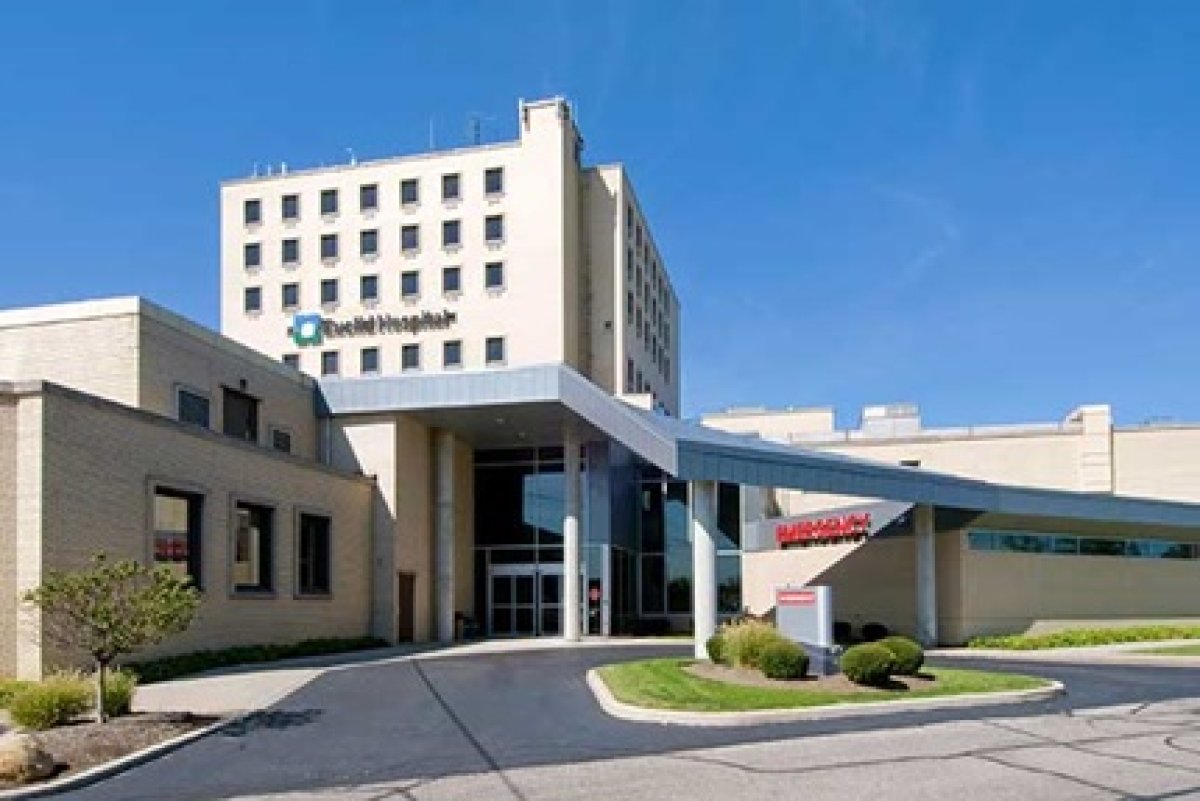





Princeton Hospital at Plainsboro

Johns Hopkins Hospital

The Dental Clinic-Kedzie

The Aesthetic Institute of Chicago - Brian M. Braithwaite

International Dental Center

UIC Plastic Surgery

Cosmetic Surgery of Chicago & Medical Spa Dr. Cynthia Buono

North Park Dental Clinic

Blue Illusion Beauty Facial Plastic Surgery Center
Los mejores centros médicos de Reproductología en Estados Unidos
- Cleveland Clinic, Estados Unidos
- Princeton Hospital at Plainsboro, Estados Unidos
- Johns Hopkins Hospital, Estados Unidos
- The Dental Clinic-Kedzie, Estados Unidos
- The Aesthetic Institute of Chicago - Brian M. Braithwaite, Estados Unidos
- International Dental Center, Estados Unidos
- UIC Plastic Surgery, Estados Unidos
- Cosmetic Surgery of Chicago & Medical Spa Dr. Cynthia Buono, Estados Unidos
- North Park Dental Clinic, Estados Unidos
- Blue Illusion Beauty Facial Plastic Surgery Center, Estados Unidos
Obtenga una evaluación médica para en Estados Unidos: Elija su especialista entre los mejores en el campo
Ver todos los médicos
Devon Peart
Compartir contenido
Historias en video de pacientes de Bookimed
 Olena Sikoza
Preguntas frecuentes sobre Reproductología en Estados Unidos
¿Cuándo debo consultar a un especialista en fertilidad en Estados Unidos?
En Estados Unidos, si no se produce el embarazo tras 12 meses de relaciones sexuales regulares, las personas menores de 35 años deben consultar a un especialista en fertilidad. Las pacientes de entre 35 y 39 años deben buscar ayuda después de 6 meses. Las mayores de 40 años deben consultar a un especialista de inmediato o en un plazo de 3 meses.
- Historial médico: Busque atención médica de inmediato si tiene síndrome de ovario poliquístico (SOP), endometriosis o fibromas uterinos.
- Irregularidades del ciclo menstrual: Consulte con un médico si su menstruación está ausente, es irregular o dura menos de 25 días.
- Factores masculinos: Consulte a un especialista si tiene un recuento bajo de espermatozoides o problemas de motilidad.
- Pérdida del embarazo: Se recomienda una evaluación después de haber sufrido dos o más abortos espontáneos.
Opinión experta de Bookimed: Los datos clínicos suelen mostrar que los factores masculinos contribuyen a aproximadamente el 40 % de los casos de infertilidad. Bookimed señala que los especialistas de centros como el Hospital Johns Hopkins atienden a pacientes de 49 estados. Su enfoque multidisciplinario garantiza pruebas diagnósticas simultáneas para ambos miembros de la pareja, lo que evita retrasos frecuentes en el tratamiento.
Consentimiento del paciente: Los pacientes suelen lamentar h
¿Cuáles son las tasas de éxito de la FIV (fecundación in vitro) reportadas por los CDC (Centros para el Control y la Prevención de Enfermedades) para diferentes grupos de edad en los Estados Unidos?
Los datos de los CDC indican que las tasas de éxito de la FIV en Estados Unidos están altamente correlacionadas con la edad materna. Para pacientes menores de 35 años, las tasas de nacimientos vivos oscilan entre el 49,7 % y el 51,1 % por intento de extracción de óvulos. Estas tasas se reducen a aproximadamente el 3,6 % para pacientes mayores de 42 años que utilizan sus propios óvulos.
- Menores de 35 años: Las tasas de éxito alcanzan el 51,1% para cada intento de extracción y el 54% para cada transferencia de embriones.
- Entre los 35 y los 37 años: Las tasas de nacimientos vivos oscilan entre el 36,3 % y el 40 % por ciclo de recolección.
- Entre los 38 y los 40 años: Las tasas de éxito suelen descender al 23,1 %-26 % por cada ciclo de FIV iniciado.
- A partir de los 42 años: La tasa de nacimientos vivos al utilizar óvulos propios disminuye significativamente, situándose en torno al 3,6%-5%.
- Éxito con óvulos de donante: La edad tiene un impacto menor, con una tasa media de nacimientos vivos que oscila entre el 42,2% y el 52%.
Opinión experta de Bookimed: Los promedios nacionales a menudo ocultan las capacidades especializadas de los grandes centros. Por ejemplo, el Hospital Johns Hopkins atiende a pacientes de 49 estados cada año. Esta cifra suele indicar una mayor experiencia en casos complejos de infertilidad, algo qu
¿Los tratamientos de FIV suelen estar cubiertos por los planes de seguro médico en Estados Unidos?
La mayoría de los planes de seguro médico en Estados Unidos no ofrecen una cobertura integral para el tratamiento de FIV. Solo alrededor del 25 % de los estadounidenses cuentan con pólizas que cubren específicamente los beneficios de la FIV. Si bien muchos planes cubren el diagnóstico inicial de infertilidad, los procedimientos de fertilización en sí suelen ser un gasto que las pacientes deben asumir de su propio bolsillo.
- Requisitos estatales: Solo 22 estados y el Distrito de Columbia exigen algún nivel de cobertura de fertilidad.
- Tipos de cobertura: La obligación de cubrir requiere la inclusión, mientras que la obligación de ofrecer es opcional.
- Límites generales: Los planes suelen establecer límites de gasto total de entre 15.000 y 25.000 dólares por paciente.
- Planes autofinanciados: Los planes de las grandes empresas suelen estar exentos de los requisitos estatales de cobertura de FIV.
Opinión experta de Bookimed: Los pacientes en centros médicos importantes como el Hospital Johns Hopkins o el Hospital Princeton en Plainsboro suelen tener una mejor cobertura diagnóstica. Estas instituciones multidisciplinarias incluyen análisis de sangre y ecografías como parte de los procedimientos médicos estándar. Esta estrategia ayuda a los pacientes a ahorrar en el costo de las pruebas iniciales antes de comenzar ciclos de FIV autofinanciados.
¿Cómo influye el estilo de vida en el éxito de la FIV en los EE. UU.?
En las clínicas estadounidenses se ha demostrado que los cambios en el estilo de vida mejoran el éxito de la FIV, principalmente mediante la optimización del IMC, una nutrición estandarizada y la ingesta de suplementos especiales. Mantener un IMC entre 18,5 y 30 mejora la respuesta ovárica. Clínicas como el Johns Hopkins Hospital enfatizan la dieta mediterránea y la abstinencia total de alcohol durante la estimulación para mejorar la calidad de los ovocitos.
- Control de peso: Mantener un IMC por debajo de 30 aumenta la probabilidad de fecundación y mejora la calidad de los ovocitos.
- Recomendaciones dietéticas: La dieta mediterránea, que prioriza los alimentos integrales y una ingesta diaria de 2 a 3 litros de líquidos, reduce el riesgo de síndrome de hiperestimulación ovárica.
- Nivel de actividad: El ejercicio moderado, como 30 minutos de caminata diaria, es preferible al ejercicio de alta intensidad durante el período de estimulación.
- Suplementación: Los datos disponibles confirman que la vitamina D y la coenzima Q10 mejoran los resultados del tratamiento, especialmente en pacientes mayores de 35 años.
Opinión de los expertos de Bookimed: Los datos de centros académicos líderes, como el Hospital Princeton en Plainsboro, muestran que un enfoque multidisciplinario del tratamiento es un factor clave de éxito. Las pacientes que combinan la FIV
¿Cuáles son las opciones para los embriones excedentes en EE. UU.?
En EE. UU., los pacientes pueden elegir entre cuatro opciones principales para la eliminación de embriones sobrantes. Estas incluyen la crioconservación para uso futuro, la transferencia a otra persona o pareja, la donación para investigación médica o la eliminación humana. Cada opción implica ciertos aspectos legales y financieros.
- Crioconservación: El almacenamiento a largo plazo permite un embarazo futuro a un costo de entre Precio a consultar y Precio a consultar.
- Donación de embriones: La transferencia de material genético a otras personas suele costar entre $4,500 y $9,000.
- Investigación médica: Los embriones contribuyen al progreso científico, pero no pueden utilizarse para lograr un embarazo.
- Eliminación humana: Las clínicas descongelan y eliminan de forma segura los embriones siguiendo protocolos éticos especiales.
Opinión del experto de Bookimed: En las clínicas de EE. UU., a menudo no existen límites estrictos en cuanto a la duración del almacenamiento, lo que puede provocar un estado emocional incierto para las familias. Nuestros datos muestran que se deben verificar con antelación los costos de mantenimiento anual, ya que los gastos de almacenamiento, que varían entre Precio a consultar y Precio a consultar, a menudo se convierten en el último impulso para que los pacientes tomen una decisión definitiv