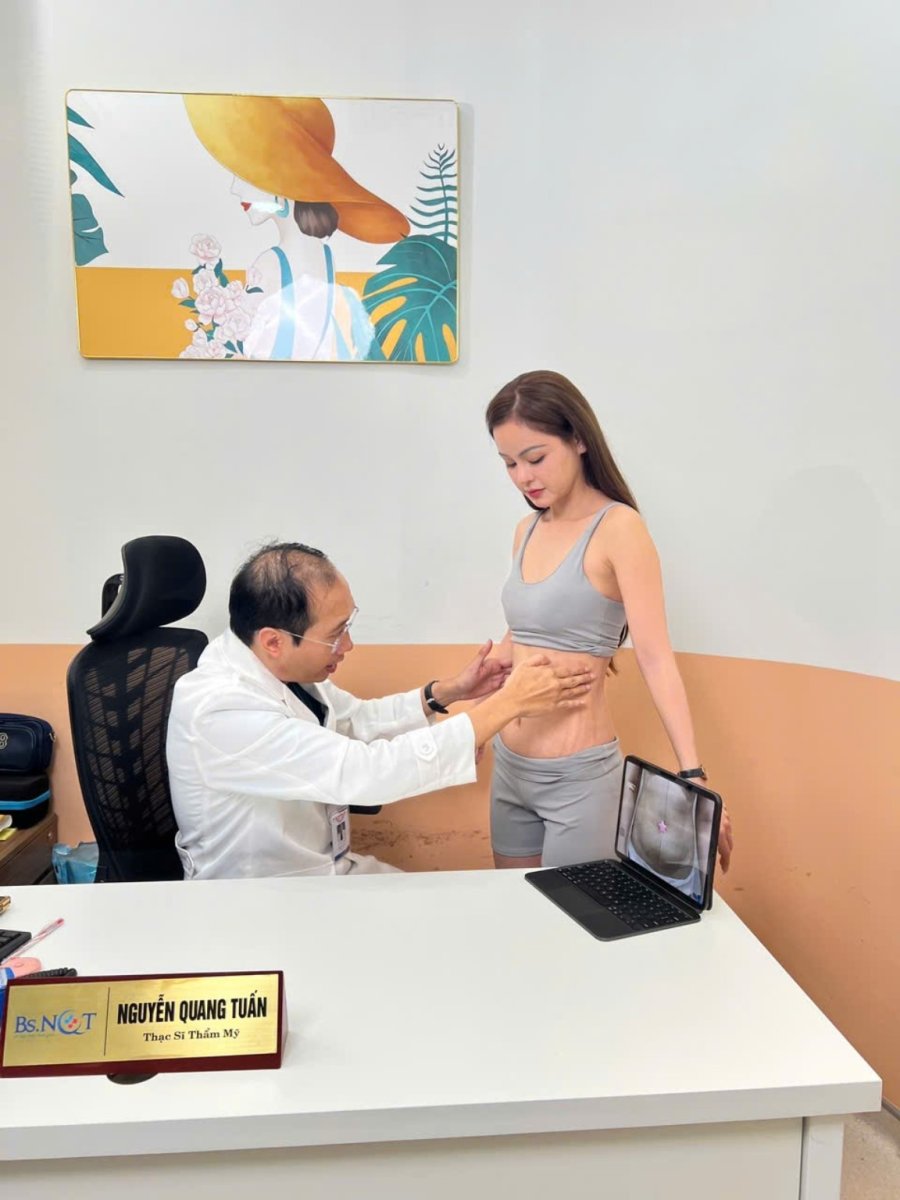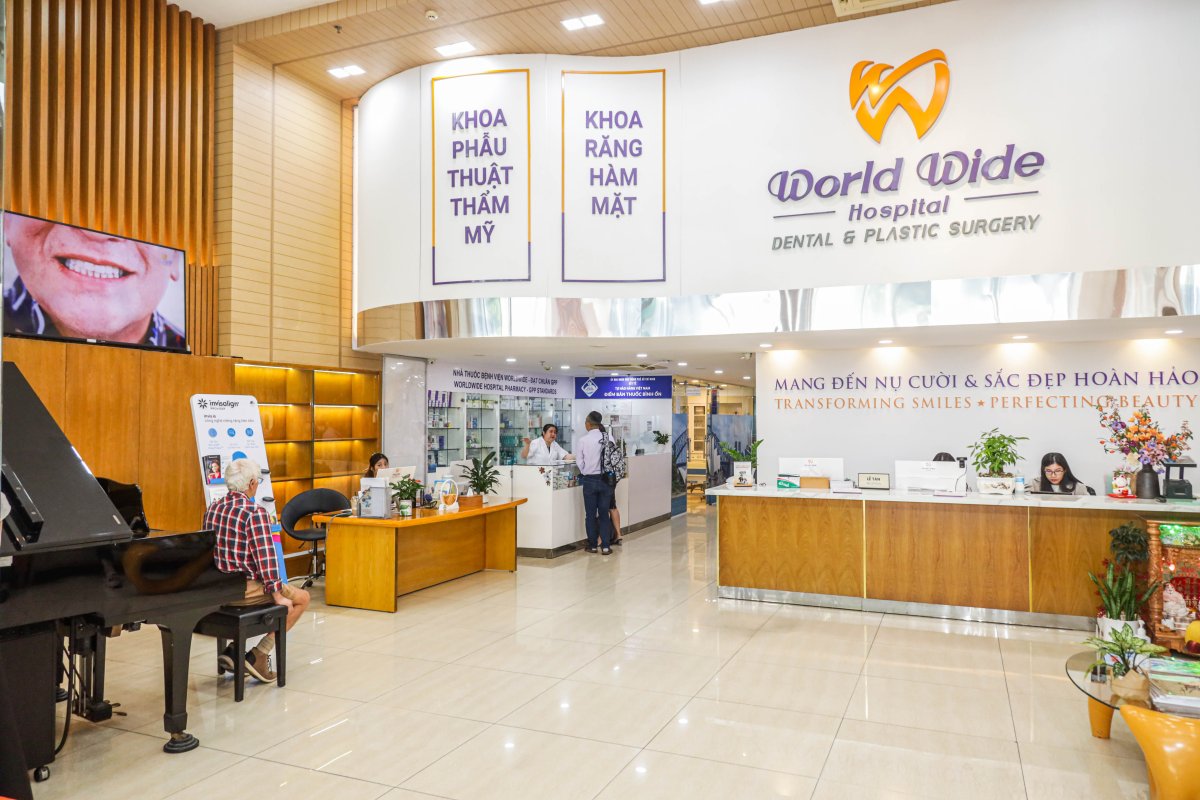
Worldwide Dental & Plastic Surgery Hospital
Vietnam, Ciudad de Ho Chi Minh
Ngoc Anh Lam
11 años de experiencia

Clínica certificada por : 





Revisado médicamente por
Fahad Mawlood
| Vietnam | España | Estados Unidos | |
|---|---|---|---|
| Rinoplastia | de $1,000 | de $3,500 | de $6,000 |
| Rinoplastia de revisión | ≈ $3,500 | de $11,300 | de $8,000 |
| Rinoplastia de la punta nasal | ≈ $2,200 | de $9,000 | de $5,000 |
| Rinoplastia cerrada | ≈ $2,300 | de $11,300 | de $6,000 |
| Rinoplastia asiática | ≈ $2,300 | ≈ $5,300 | ≈ $8,500 |
Bookimed no añade cargos adicionales a los precios de Rinoplastia. Las tarifas proceden de las listas de precios oficiales de las clínicas. Pagará directamente en la clínica por su Rinoplastia a su llegada al país.
Bookimed está comprometido con su seguridad. Solo trabajamos con las clínicas que mantienen altos estándares internacionales en Rinoplastia y tienen las licencias necesarias para atender a pacientes internacionales en todo el mundo.
Bookimed ofrece asistencia experta gratuita. Un coordinador médico personal le apoya antes, durante y después del tratamiento, resolviendo cualquier problema. Nunca estará solo en su viaje médico de Rinoplastia.

Día 1 - Llegada
Día 2 - Preoperatorio
Día 3 - Rinoplastia
Día 4 - Postoperatorio
Semana 1 - Rehabilitación
Semana 2
Semana 4
Semana 6
Tenga en cuenta que el proceso de recuperación de cada paciente puede variar según los factores individuales y la complejidad del procedimiento.



Más de _doctor_10986_años_ de especialización en cirugía plástica – El Dr. Ngoc Anh se formó con los mejores profesores en Francia, incluido el profesor Pierre F. Fournier.

Escrito por Kateryna Zamkovska

Escrito por Olena Sikoza

Escrito por Anna Leonova

Escrito por Veronika Kazina
 Olena Sikoza
La rinoplastia en Vietnam es segura cuando la realizan cirujanos certificados en hospitales especializados con licencia. Las mejores instalaciones en Ciudad Ho Chi Minh y Hanói siguen las regulaciones del Ministerio de Salud y los protocolos internacionales de higiene. Las técnicas especializadas como la línea S asiática y el injerto autólogo son fortalezas médicas locales.
Perspectiva del experto de Bookimed: Aunque Vietnam se especializa en rinoplastia asiática, la seguridad depende del entorno quirúrgico específico. Los centros de alto volumen como el Worldwide Dental & Plastic Surgery Hospital tratan a 5,000 pacientes al año y utilizan diagnósticos en el lugar. Elegir un hospital con sus propias instalaciones de rayos X y laboratorio garantiza el manejo inmediato de complicaciones.
Consenso de los paciente
Los cirujanos plásticos cualificados en Vietnam completan un título de medicina de 6 años seguido de una residencia especializada o un máster en cirugía plástica. Muchos especialistas destacados poseen becas internacionales de Francia o Corea del Sur y mantienen licencias válidas del Ministerio de Salud para procedimientos hospitalarios.
Perspectiva de expertos de Bookimed: Vietnam es una joya oculta para trabajos complejos de vías respiratorias y estructura. Algunas clínicas como el Worldwide Dental & Plastic Surgery Hospital integran la experiencia maxilofacial con la cirugía estética. Este doble enfoque es perfecto para pacientes que necesitan mejoras funcionales en la respiración junto con una rinoplastia estética.
Consenso de los pacientes: Los pacientes enfatizan la elección de cirujano
Los cirujanos en Vietnam están ampliamente especializados en rinoplastia asiática y étnica, centrándose en el aumento estructural en lugar de la reducción. Los expertos abordan rasgos comunes del sudeste asiático, como puentes nasales bajos y piel gruesa. Utilizan injertos autólogos y técnicas híbridas para garantizar una armonía facial natural y duradera.
Perspectiva del experto de Bookimed: Si bien muchas clínicas ofrecen implantes de bajo costo, los cirujanos vietnamitas de alto nivel como el Dr. Ngoc Anh Lam priorizan los métodos estructurales de influencia francesa. Los datos muestran que estos especialistas de primer nivel se centran en el soporte de la punta en lugar de solo en la altura. Este enfoque evita problemas comunes a largo plazo, como el adelgazamiento de la piel o e
Los cirujanos vietnamitas prefieren un enfoque híbrido que utiliza implantes sintéticos para el puente nasal y cartílago natural para la punta. Este método asegura una elevación estructural para los perfiles nasales asiáticos, mientras utiliza tejidos autólogos para proteger la punta del adelgazamiento de la piel o la extrusión del implante.
Perspectiva del experto de Bookimed: El Worldwide Dental & Plastic Surgery Hospital en Ciudad Ho Chi Minh trata a 5,000 pacientes anualmente. Sus cirujanos, como el Dr. Ngoc Anh Lam, a menudo utilizan técnicas refinadas al estilo francés. Este alto volumen sugiere un dominio estandarizado de la combinación de implantes sintéticos en el puente con injertos naturales en la punta para obtener resultados duraderos.
Consenso de los pacientes: Muchos pacientes destacan
La mayoría de los pacientes internacionales deben permanecer en Vietnam de 10 a 14 días después de un procedimiento de rinoplastia. Este periodo permite un seguimiento postoperatorio crítico, incluida la retirada de férulas nasales y suturas, al tiempo que garantiza que usted cumpla con los requisitos de seguridad para vuelos de larga distancia.
Perspectiva del experto de Bookimed: Vietnam atrae a muchos pacientes de EE. UU. y Australia, donde los vuelos suelen superar las 10 horas. Aunque la cicatrización básica ocurre para el día 7, la estancia de 14 días es vital porque los cambios en la presión de la cabina afectan significativamente la inflamación nasal. Algunos centros especializados, como el Worldwide Dental & Plastic Surgery Hospital, ofrecen atención hospitalaria 24/7 inmediatamente después de la cirugía para gestionar estos riesgos iniciales de manera efectiva.
Consenso de los pacientes: Mu