Rinoplastia en Italia: las 11 mejores clínicas y sus precios


Revisado médicamente por
Fahad Mawlood
Cómo funciona
¿Cuál es el precio de Rinoplastia en Italia? Descubra ahora
De $6,000. El precio final depende de la técnica quirúrgica, la ubicación de la clínica y la experiencia del cirujano. En los EE. UU., procedimientos similares cuestan alrededor de $9,900 en promedio. Los pacientes ahorran alrededor de 39% en comparación con los precios de EE. UU. El costo generalmente incluye los honorarios del cirujano, la anestesia, la estancia hospitalaria y las revisiones de seguimiento.
- Rinoplastia de revisión: $6,200 a $9,800 para corregir cirugías nasales previas.
- Rinoplastia de punta: $3,900 a $5,600 para remodelar solo el ápice nasal.
- Rinoplastia abierta: $5,600 a $8,800 para una remodelación nasal estructural compleja.
- Rinoplastia cerrada: $4,900 a $8,200 para procedimientos realizados a través de incisiones internas.
- Variaciones regionales: Los costos en Milán o Turín suelen ser entre un 15 y un 20% más altos que en Bari.
Perspectiva de expertos de Bookimed: Elegir una clínica en Milán ofrece acceso a instituciones de renombre mundial como San Raffaele. Los precios más altos en la Clínica La Madonnina reflejan un pago premium por la privacidad y un servicio de nivel de celebridades. Los pacientes expertos buscan en Bolonia, donde expertos como el Dr. Fabio Meneghini son pioneros en la rinoplastia ultrasónica. Esta técnica avanzada utiliza vibración para dar forma al hueso con precisión y potencialmente reduce la hinchazón posoperatoria. Italia sigue siendo una de las mejores opciones que combina la excelencia funcional y estética con altos estándares.
| Italia | España | Estados Unidos | |
|---|---|---|---|
| Rinoplastia | de $6,000 | de $3,500 | ≈ $8,000 |
| Rinoplastia de revisión | ≈ $6,200 | de $11,200 | ≈ $18,000 |
| Rinoplastia de la punta nasal | ≈ $3,900 | ≈ $3,900 | ≈ $5,500 |
| Rinoplastia cerrada | ≈ $4,900 | ≈ $4,900 | ≈ $7,200 |
| Rinoplastia asiática | ≈ $5,600 | ≈ $5,300 | ≈ $8,500 |
Descubra las mejores clínicas de Rinoplastia en Italia: 11 opciones verificadas y Precios




La Madonnina Clinic





Ospedale San Carlo di Nancy
Domenico Riitano



Maria Cecilia Hospital
Fabio Meneghini





Doctor’s Equipe Microfat Clinical Centers




Santa Caterina da Siena
Nicola Vione





Rinoplastia en Italia: cronología día a día
Día 1: Llegada a Italia
- Al aterrizar en Italia, debe tener preparados todos los documentos necesarios, incluido el pasaporte y cualquier historial médico que solicite la clínica.
- Póngase en contacto con la Oficina Internacional de la clínica para confirmar su llegada y organizar el transporte hasta su alojamiento.
- Descanse y aclimátese a la zona horaria local para estar bien descansado para la consulta preoperatoria y las pruebas.
Día 2: Consulta y pruebas preoperatorias
- Asista a la consulta programada con su cirujano. Por ejemplo, si consulta con el Dr. Dino Zilio, revise su perfil y prepare sus preguntas.
- Sométase a las pruebas preoperatorias necesarias. Éstas pueden incluir análisis de sangre, endoscopia nasal o pruebas de imagen como la tomografía computarizada para evaluar la estructura nasal.
- Comente los detalles de su intervención, como si se someterá a una rinoplastia tradicional o a técnicas avanzadas como la rinoplastia ultrasónica, que utiliza ondas ultrasónicas de alta frecuencia para mayor precisión.
- Confirme el plan quirúrgico y comente con su cirujano los posibles riesgos o complicaciones.
Día 3: Día de la cirugía
- Llegue a la clínica a la hora indicada. Asegúrese de estar en ayunas si así se le indica.
- La intervención puede incluir técnicas como la rinoplastia ultrasónica, que minimiza el traumatismo y ofrece un resultado más suave.
- Después de la intervención, se le controlará en una sala de recuperación antes de trasladarle a su habitación privada para pasar la noche en observación.
- Asegúrese de que alguien le acompañe en el postoperatorio, ya que puede sentirse aturdido o incómodo.
Día 4: Cuidados postoperatorios y alta hospitalaria
- Recibirá instrucciones sobre los cuidados postoperatorios, incluido cómo tratar la hinchazón y las molestias. Esto puede implicar medicamentos prescritos y compresas frías.
- Hable de las citas de seguimiento y de los ajustes necesarios en el estilo de vida, como evitar actividades extenuantes y llevar gafas.
- Alta de la clínica con instrucciones detalladas de cuidados e información de contacto de emergencia para la clínica.
Día 5-7: Periodo de recuperación inicial
- Descanse en su alojamiento, siguiendo estrictamente las instrucciones de cuidados postoperatorios.
- Esté atento a cualquier signo de complicación, como sangrado excesivo o infección, y póngase en contacto con la clínica inmediatamente si se producen.
- Reanude gradualmente las actividades ligeras que le aconseje su cirujano, evitando cualquier presión sobre la nariz.
Día 8-14: Seguimiento y recuperación continuada
- Acuda a una cita de seguimiento con su cirujano para evaluar la cicatrización y retirar las suturas o férulas, si procede.
- Comente cualquier duda o pregunta con su cirujano, incluido el plazo previsto para los resultados finales.
- Comience a observar una reducción de la inflamación y los hematomas, y siga las instrucciones de cuidados.
Día 15: Preparación para la salida
- Asegúrese de que dispone de toda la documentación necesaria para su viaje de regreso, incluida la autorización médica si así lo requiere su compañía aérea.
- Confirme las citas de seguimiento pendientes, que pueden ser virtuales si regresa a casa.
- Empaque todos los medicamentos o suministros necesarios para continuar la recuperación en casa.
Día 16: Regreso a casa
- Viaje de vuelta a casa, asegurándose de seguir todas las restricciones de viaje o directrices relacionadas con los cuidados posquirúrgicos.
- Continúe controlando su recuperación y manténgase en contacto con su cirujano para cualquier duda o seguimiento.
- Siga todas las instrucciones de cuidados postoperatorios para garantizar una cicatrización y unos resultados óptimos.
Bookimed, una plataforma líder mundial en turismo médico, se compromete a ayudar a los clientes que buscan una rinoplastia (cirugía de nariz) en Italia ofreciéndoles asistencia experta y soluciones médicas confiables para cada situación. Se utiliza un sistema de clasificación automático inteligente para elaborar listas de clínicas transparentes, mantenidas meticulosamente por un científico de datos que utiliza IA para mayor precisión. La plataforma garantiza la autenticidad al publicar reseñas de pacientes reales después de sus tratamientos. Bookimed ofrece soluciones médicas integrales, con actualizaciones de las clínicas para garantizar la confiabilidad. El contenido sobre la rinoplastia (cirugía de nariz) en Italia, elaborado por autores médicos experimentados y revisado por especialistas, cumple con las pautas editoriales de Bookimed , lo que refleja el compromiso de la plataforma de brindar información de salud clara y de alta calidad. Para obtener más detalles o consultas, no dude en contactarnos en marketing@bookimed.com o obtenga más información sobre nosotros y nuestra misión Acerca de Bookimed .
Obtenga una evaluación médica para Rinoplastia en Italia: Elija su especialista entre los mejores en el campo
Ver todos los médicosFabio Meneghini
El Dr. Fabio Meneghini se especializa en rinoplastia ultrasónica, una técnica de vanguardia que minimiza los hematomas y la hinchazón para una recuperación más rápida.
- Más de _doctor_9595_ años de experiencia en rinoplastia estética y reconstructiva
- Codirector de Cirugía Maxilofacial en el Hospital Villa Maria Cecilia
- Profesor en la Universidad de Padua con un Máster en Cirugía Plástica Estética
- Miembro de la Sociedad Europea de Rinoplastia y de la Academia Europea de Cirugía Plástica Facial
Nicola Vione
Ha realizado miles de rinoplastias con excelentes resultados; el Dr. Vione se especializa tanto en cirugía nasal funcional como estética.
- _doctor_7226_años_ de experiencia en otorrinolaringología
- Experto en rinoplastia de preservación para resultados naturales
- Profesor en el Centro de Estudios 'Micheli-Pellegrini', una escuela italiana líder en cirugía facial
- Miembro de múltiples sociedades nacionales de ORL, incluida AICEFF
Domenico Riitano
El Dr. Riitano perfeccionó su técnica de rinoplastia en Brasil en clínicas de renombre como la Fluminense Clinic of Plastic Surgery 'Niteroi' en Río de Janeiro.
- Especializado en cirugía plástica reconstructiva y estética en la Universidad de Messina
- También posee una especialización en Ortopedia y Traumatología
- Graduado en Medicina y Cirugía en 1989
Historias en video de pacientes de Bookimed
Reseñas
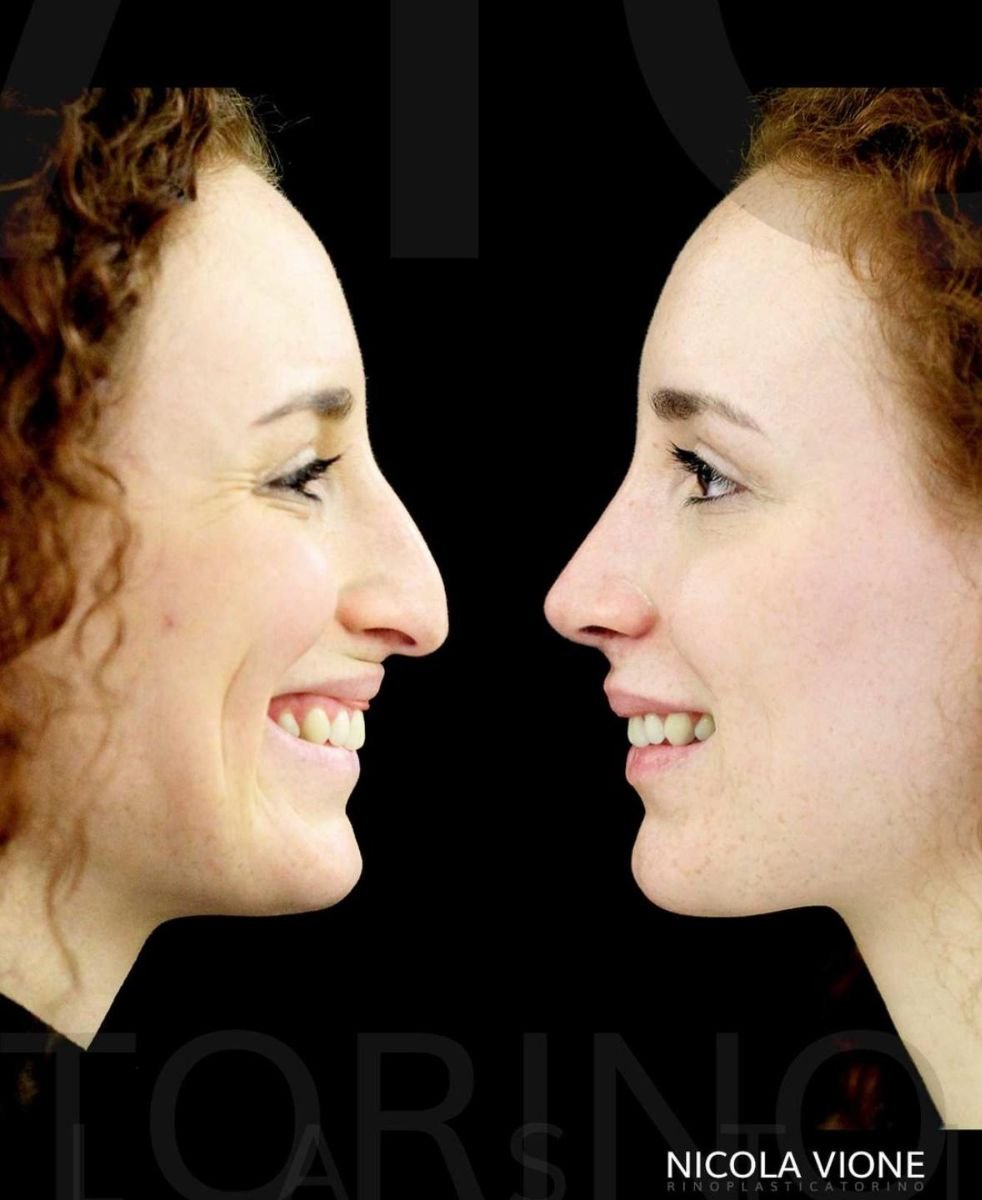
Todas las reseñasRinoplastia: Fotos de antes y después
Ver todos los Antes y Después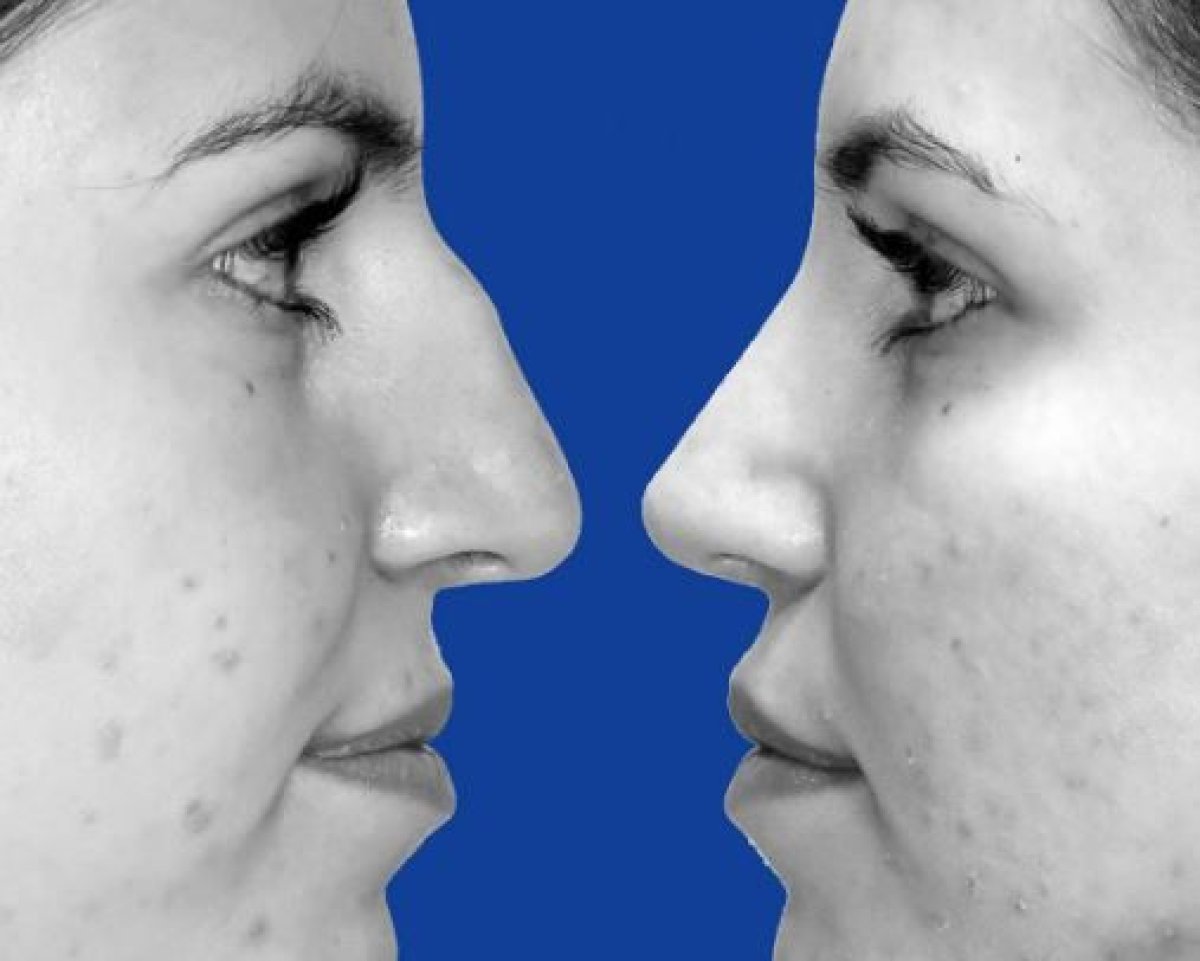
Artículos relacionados

Blog de la rinoplastia de Elissa: Del sueño a la realidad
Escrito por Kateryna Zamkovska

¿Cuánto cuesta una rinoplastia en 2025? Todo sobre el precio de la cirugía
Escrito por Olena Sikoza

Top 5: Países más económicos para su rinoplastia
Escrito por Anna Leonova

Preguntas frecuentes sobre rinoplastia
Escrito por Veronika Kazina
Compartir contenido
 Olena Sikoza
Preguntas frecuentes sobre Rinoplastia en Italia
¿Cuál es la diferencia entre la rinoplastia abierta y cerrada?
La diferencia entre la rinoplastia abierta y cerrada radica en la ubicación de la incisión y la visibilidad quirúrgica. La rinoplastia abierta utiliza un pequeño corte externo a través de la columela para obtener el máximo acceso estructural. La rinoplastia cerrada mantiene todas las incisiones dentro de las fosas nasales, lo que resulta en cero cicatrices visibles y una recuperación inicial más rápida.
- Enfoque abierto: Presenta una pequeña incisión en la columela para levantar la piel nasal y permitir una visualización estructural directa.
- Enfoque cerrado: Se realiza completamente a través de incisiones internas en las fosas nasales sin cicatrices externas visibles.
- Precisión del procedimiento: La cirugía abierta es preferida para revisiones complejas, injertos estructurales o una remodelación significativa de la punta.
- Cronología de curación: La rinoplastia cerrada generalmente implica menos hinchazón, ya que los tejidos internos permanecen en gran medida sin alteraciones.
Perspectiva del experto de Bookimed: Aunque los pacientes a menudo prefieren la técnica cerrada para evitar cicatrices, la complejidad anatómica dicta la elección. Los datos muestran que cirujanos como el Dr. Fabio Meneghini en el Hospital Maria Cecilia utilizan cada vez más instrumentos ultrasónicos con el enfoque abierto. Esta combinación equilibra una alta visibi
¿Puede la rinoplastia solucionar mis problemas respiratorios?
La rinoplastia puede solucionar problemas respiratorios cuando se combina con procedimientos funcionales como la septoplastia o la reparación de la válvula nasal. Los cirujanos en Italia a menudo realizan rinoplastias funcionales para corregir un tabique desviado, cornetes agrandados o válvulas colapsadas mientras abordan simultáneamente las preocupaciones estéticas.
- Correcciones funcionales: Los cirujanos realizan una septoplastia para enderezar el hueso y el cartílago internos que bloquean las vías respiratorias.
- Técnicas avanzadas: La rinoplastia ultrasónica en el Hospital Maria Cecilia remodela el hueso con precisión sin dañar los tejidos blandos.
- Especialistas expertos: El Dr. Nicola Vione en Turín se especializa tanto en otorrinolaringología como en patología nasal.
- Tiempo de recuperación: El flujo de aire nasal generalmente mejora durante varias semanas a medida que disminuyen la hinchazón interna y las costras.
Perspectiva de expertos de Bookimed: Aunque muchos buscan cambios cosméticos, es vital elegir un cirujano con doble certificación en ORL y cirugía plástica. El Dr. Fabio Meneghini en Bolonia utiliza herramientas ultrasónicas para evitar los martillos y cinceles tradicionales. Esta precisión ayuda a preservar las estructuras internas delicadas, asegurando que la reducción estética no comprometa el volumen de sus vías respi
¿Qué es la rinoplastia ultrasónica y está disponible en Italia?
La rinoplastia ultrasónica es una cirugía de alta precisión que utiliza vibraciones piezoeléctricas para remodelar el hueso sin dañar los tejidos blandos. Italia es líder mundial en esta técnica, ya que la tecnología fue iniciada por el cirujano italiano Dr. Massimo Robiony en 2004 para procedimientos nasales.
- Esculpido óseo: Las herramientas piezoeléctricas vibran a 3.000 Hz para cortar selectivamente el hueso mientras se preserva la piel.
- Trauma reducido: Las ondas ultrasónicas precisas minimizan significativamente los hematomas postoperatorios y los clásicos ojos morados.
- Tiempo de recuperación: La mayoría de los pacientes retoman sus actividades sociales entre 7 y 10 días después de la cirugía.
- Disponibilidad: Clínicas especializadas en Milán, Roma y Bolonia ofrecen este método avanzado de modelado óseo.
Perspectiva del experto de Bookimed: Cirujanos italianos como el Dr. Fabio Meneghini en el Hospital Maria Cecilia fueron pioneros en estos instrumentos antes de que se convirtieran en una tendencia mundial. Aunque la tecnología es excelente para la eliminación de gibas, recuerde que el refinamiento de la punta todavía requiere técnicas tradicionales de cartílago. Los centros de alto volumen en Milán a menudo combinan esta tecnología con modelos 3D de resultados para una mejor previsibilidad.
Consenso de los pacientes:
¿Cuál es el cronograma general de recuperación después de una rinoplastia?
La mayoría de los pacientes de rinoplastia logran una recuperación social en un plazo de 10 a 14 días, aunque la curación interna continúa durante 1 año. Los hematomas visibles suelen desaparecer después de 2 semanas, mientras que la estabilización estructural importante requiere 6 semanas. El refinamiento final de la punta nasal a menudo requiere 12 meses para asentarse por completo.
- Primera semana: Las férulas y los puntos se retiran entre el día 5 y el día 10 después de la cirugía.
- Regreso a la vida social: Los pacientes suelen volver al trabajo o a la escuela después de 7 a 14 días.
- Actividad física: El ejercicio ligero se reanuda a las 3 semanas, mientras que levantar objetos pesados requiere 6 semanas.
- Contorno final: La hinchazón residual en la punta nasal desaparece por completo después de 12 meses.
Perspectiva del experto de Bookimed: Especialistas italianos como el Dr. Fabio Meneghini en el Maria Cecilia Hospital utilizan cada vez más la rinoplastia ultrasónica. Esta técnica utiliza vibración de precisión en lugar de herramientas quirúrgicas tradicionales. Los datos indican que este enfoque reduce significativamente el trauma en los vasos sanguíneos. Elegir este método a menudo resulta en menos hematomas y un período de recuperación inicial notablemente más rápido.
Consenso de los pacientes: Los primero
¿Cuánto tiempo debo permanecer en Italia después de una rinoplastia?
Debe planificar permanecer en Italia de 7 a 10 días después de una rinoplastia. Esta duración garantiza que usted esté presente para la retirada crítica de la férula y el yeso, que generalmente ocurre entre el día 5 y el día 10, mientras permite que los tejidos nasales se estabilicen antes de viajar en avión.
- Retirada del yeso: Los cirujanos suelen retirar la férula nasal externa alrededor del día 5 al 7 después de la operación.
- Autorización para volar: La mayoría de los especialistas italianos requieren una visita de seguimiento física antes de autorizarle a volar.
- Margen de seguridad: Permanecer de 10 a 14 días protege contra complicaciones como infecciones o hinchazón inducida por la altitud.
- Presión de cabina: Volar antes del día 7 puede causar dolor intenso o hemorragias nasales debido a los cambios de presión.
Perspectiva del experto de Bookimed: Aunque muchas clínicas de lujo en Milán, como La Madonnina, tratan a pacientes de alto perfil con estancias más cortas, los cirujanos italianos más experimentados, como el Dr. Domenico Riitano, quien ha realizado 10,000 operaciones, a menudo abogan por una ventana completa de 10 días. Esta estancia más larga es particularmente vital si se somete a una rinoplastia ultrasónica en centros como el Hospital Maria Cecilia, ya que se deben cumplir hitos de curación específicos antes de soportar