Dan Mirelman
- 4.5 Bueno • 171 reseñas
- 21 años de experiencia
- Israel, Tel Aviv, Centro médico Sourasky
Inmunoterapia
$4,000 - $9,500
Mastectomía
$1,350 - $1,640
Quimioterapia
$1,200 - $1,200
El profesor Joseph Klauzner es el Jefe de Cirugía en el Centro Médico Sourasky. Aporta una experiencia quirúrgica de alto nivel a cada diagnóstico integral de patología colorrectal.
La Dra. Arzu Guliyeva es gastroenteróloga en el Centro de Medicina Integrativa de Medicina Biológica en Bakú. Se especializa en el manejo de afecciones inflamatorias crónicas como la enfermedad de Crohn y la colitis ulcerosa. La Dra. Guliyeva completó su formación especializada en la Universidad Ege y el Hospital Sisli Etfal en Turquía.
El Dr. Viktor Alexander Krol es jefe de Gastroenterología y Medicina Interna en el St. Martinus-Krankenhaus de Düsseldorf. También dirige un centro certificado de tratamiento de la obesidad. El Dr. Krol trata enfermedades complejas del tracto digestivo, el metabolismo y el sistema respiratorio. Trabaja en una de las dos únicas clínicas alemanas acreditadas por la Federación Internacional de Cirugía de la Obesidad.
El Dr. Peter Schenker es cirujano jefe en el Centro Médico de Solingen. Se especializa en oncología gastrointestinal y cirugía de páncreas. Anteriormente se desempeñó como cirujano jefe en el primer centro certificado de cáncer colorrectal de Alemania. El Dr. Schenker se centra en métodos quirúrgicos robóticos y mínimamente invasivos. Trata afecciones complejas como el esófago de Barrett y la enfermedad de Crohn.
La profesora Selin Kapan es profesora de Cirugía General desde 2017. Actualmente trabaja en la Universidad Aydın de Estambul, Facultad de Medicina, Departamento de Cirugía General (2022–actualidad). Anteriormente trabajó en el Hospital de Formación e Investigación Bakırköy Dr. Sadi Konuk como especialista y profesora asociada. También se desempeñó como supervisora de docencia y administración en el Hospital de Formación e Investigación Kanuni Sultan Süleyman. Además, fue coordinadora médica y cirujana general en el Hospital de Cirugía de Estambul.
Es autora o coautora de más de 50 artículos revisados por pares. Su investigación abarca la reparación de hernias, la fístula perianal, la enfermedad pilonidal, la hidatidosis hepática, la cirugía laparoscópica y la cirugía gastrointestinal. Sus trabajos se han publicado en revistas como Digestive Surgery, Hernia, Techniques in Coloproctology y Journal of Gastrointestinal Surgery. Es miembro de la Asociación Turca de Cirugía, la Asociación Nacional de Trauma y Cirugía de Urgencias, la Sociedad de Hernia, la Asociación Turca de Cirugía Hepatopancreatobiliar (HPB), la Asociación de Células Madre y Terapias Celulares y la Asociación de Reflujo Gastroesofágico.
El Dr. Omer Burcak Binicier es un especialista en gastroenterología con sólida formación médica. Obtuvo su título en la Universidad de Ege y se especializó en medicina interna y gastroenterología en la Facultad de Medicina de la Universidad Dokuz Eylül. Cuenta con más de diez años de experiencia clínica y ha ocupado cargos clave en el Hospital de Formación e Investigación SBÜ Tepecik y en el Hospital de la Ciudad de İzmir Bayraklı. Además, adquirió experiencia internacional en la Universidad de Corea.
El Dr. Binicier diagnostica y trata una amplia variedad de enfermedades gastrointestinales. Su experiencia abarca cánceres tempranos de colon y estómago, enfermedades inflamatorias intestinales, trastornos hepáticos y pancreáticos, y cánceres del sistema digestivo. Utiliza técnicas endoscópicas avanzadas como EMR, ESD, ERCP y ultrasonido endoscópico. También es experto en tratamientos de obesidad mínimamente invasivos. Sus habilidades clínicas se basan en años de trabajo práctico en centros médicos de primer nivel.
El Dr. Ercan Ozden es especialista en medicina interna y oncología médica. Obtuvo su título de médico y realizó su residencia en la Facultad de Medicina Cerrahpaşa de la Universidad de Estambul. Posteriormente, se especializó en oncología médica en la Facultad de Medicina de la Universidad de Kocaeli entre 2016 y 2020.
El Dr. Ozden ha trabajado en oncología médica en el Hospital Estatal de Şırnak. También se ha desempeñado como especialista en medicina interna en el Hospital Privado Safa de Bağcılar y en el Hospital Batı Bahat de Küçükçekmece. Posee amplia experiencia clínica en medicina interna y oncología.
El Dr. Muhammed Mustafa Atci es Profesor Asociado de Oncología Médica en İstinye University, Liv Hospital Topkapı (2025–presente). Anteriormente fue Profesor Asociado y Coordinador de Docencia en el Hospital de la Ciudad Prof. Dr. Cemil Taşcıoğlu (2023–2025). También fue oncólogo médico allí (2018–2021).
Es miembro de ASCO y de la Sociedad Turca de Oncología Médica desde 2018. Es autor o coautor de 19 artículos internacionales revisados por pares sobre cáncer de colon, mama, estómago, páncreas, pulmón y tiroides, así como sobre sarcomas y cáncer colorrectal.
Entre sus trabajos destacados figuran un estudio multicéntrico sobre la supervivencia en cáncer de colon en estadio IIB (Journal of Chemotherapy). También investigó el cociente de De Ritis para metástasis pulmonares en cáncer testicular (Current Urology). Sus estudios pronósticos utilizaron PET/TC, MSI, la relación ganglionar y el volumen tumoral metabólico.
El Dr. Seymur Aslanov es especialista en medicina interna y gastroenterología. Recibió formación avanzada en el Hospital de la Facultad de Medicina de la Universidad de Ege. El Dr. Aslanov diagnostica y trata diversas enfermedades gastrointestinales, incluyendo enfermedades inflamatorias intestinales, cánceres del aparato digestivo, enfermedades hepáticas y pancreáticas, y hemorragias gastrointestinales.
Es experto en procedimientos endoscópicos avanzados como ERCP, colonoscopia, polipectomía endoscópica y colocación de stents para estenosis gastrointestinales. El Dr. Aslanov ha trabajado como asistente de investigación y subespecialista en la Universidad de Ege, y como especialista en medicina interna en Izmir Medical Point.
Es miembro de la Cámara Médica de Izmir.
El Dr. Irfan Cicin es profesor de Oncología Médica en el Hospital Liv de la Universidad İstinye en Topkapı. Se especializa en el tratamiento de cánceres complejos, incluyendo glioblastoma, cáncer de pulmón y tumores pancreáticos. Es profesor en la Facultad de Medicina de la Universidad de Trakya. El Dr. Cicin sirvió anteriormente como médico en la Fuerza Aérea Turca.
El Dr. Yahya Ozel es cirujano general en la Clínica Estexper de Estambul. Ha realizado más de 12,000 procedimientos durante su carrera. El Dr. Ozel se especializa en cirugía bariátrica, metabólica y oncológica. Completó su formación en el Hospital Universitario de Tokio en Japón, centrándose en cirugías complejas de hígado y páncreas.
El Dr. José Miguel Esteban López-Jamar es gastroenterólogo. Desde 2007 dirige las Unidades de Endoscopia Digestiva y Enfermedades Digestivas del Hospital Ruber Internacional. Cuenta con más de 20 años de experiencia. Es pionero en España en ecoendoscopia (EUS). Su trabajo abarca la endoscopia diagnóstica e intervencionista. Emplea técnicas innovadoras y mínimamente invasivas para enfermedades gastrointestinales complejas.
Fue jefe de Endoscopia (2008–2012) y de Innovación Endoscópica (2012–2014) en el Hospital Clínico San Carlos. Completó formación internacional en el AMC de Ámsterdam, el Institut Paoli-Calmettes de Marsella y el Hospital Zhongshan de Shanghái. Es médico y doctor por la Universidad Complutense de Madrid. Es especialista en gastroenterología. Participa en estudios multicéntricos europeos y ensayos clínicos. Es miembro de la SEPD, la SEED y la ESGE.
El Dr. Sánchez Yagüe es gastroenterólogo en Quirónsalud Marbella, España. Fue el primer profesional a nivel mundial en utilizar el stent AXIOS de 15 mm. Este dispositivo drena colecciones de líquido pancreático. Fue pionero en la disección submucosa endoscópica en España. El Dr. Sánchez Yagüe también introdujo la gastroenterostomía con stents de aposición luminal en Andalucía.
El Dr. Cheon Wonseok es Jefe de Gastroenterología en el Hospital Na-Eun. Trata trastornos gastrointestinales. Realiza endoscopia digestiva alta, colonoscopia, polipectomía y disección endoscópica submucosa (ESD). Maneja el cáncer gástrico y esofágico y la infección por Helicobacter pylori. También trata enfermedades hepáticas y enfermedad inflamatoria intestinal, incluidas la enfermedad de Crohn y la colitis ulcerosa. Ofrece endoscopia por cápsula del intestino delgado.
Acreditaciones: Especialista certificado en endoscopia gastrointestinal. Miembro vitalicio de la Sociedad Coreana de Endoscopia Gastrointestinal. Miembro titular de la Asociación Coreana de Medicina Interna.
Formación: Facultad de Medicina de la Universidad Kyung Hee. Internado en el Centro Médico de la Universidad Kyung Hee. Residencia en medicina interna en el Hospital Sacred Heart de la Universidad Hallym. Fellowship clínico en gastroenterología en el Hospital de la Universidad Chung-Ang.
El Dr. Yaacov Lawrence, MA, MBBS, MRCP, es jefe del Departamento de Oncología Radioterápica del Centro Médico Sheba. Cuenta con casi 30 años de experiencia en radioterapia de precisión y neurooncología.
Es experto en radioterapia avanzada y radiocirugía. Realiza radiocirugía estereotáctica para tumores cerebrales. Dirige el Programa de Cáncer Gastrointestinal de Sheba. También ofrece tratamiento de precisión para los cánceres de pulmón y próstata. Fue pionero en la radiocirugía del plexo celíaco para el dolor intenso por cáncer de páncreas.
Formación y credenciales: MA y MBBS (Cambridge y UCLH); MRCP (RCP); beca en Oncología Radioterápica (Thomas Jefferson University). Entre sus honores figuran el ASCO Young Investigator Award y ser Miembro de ASTRO (FASTRO). Ha publicado más de 280 trabajos. Es director del Centro de Oncología Radioterápica Traslacional y profesor asociado en la Universidad de Tel Aviv.
El profesor Beni Boursi dirige la investigación sobre cáncer gastrointestinal en el Centro Médico Sheba. Se especializa en la detección temprana y modelos predictivos para el diagnóstico de patologías colorrectales.
Zhang Jinshan, male, China’s First M.D. in the Radiation Medicine, CCI (Chinese College of Interventionalists) Master Interventionalist, Director of the Department of Former Radiological Diagnosis at Chinese PLA General Hospital(No.3 in China) Ph.D. of Medicine, Nagasaki University, Japan.
1980–1985: Completed doctoral studies at Nagasaki University, Japan
1968–present: Department of Radiology, Chinese PLA General Hospital
1988: Third Prize of the Military Science and Technology Progress Award
1989–present: Member of Radiological Society of North America(RSNA)
1990–2009: Standing Committee Member of the Radiology and Therapeutic Radiology Committee of the PLA
1991: Second Prize of the Military Science and Technology Progress Award
1992–2008: Group Leader of the Group of Intervention of Chinese Journal of Radiology
1992–2015: Standing Editorial Board Member and Editorial Board Member of Journal of Interventional Radiology
1993: Granted the Lifetime Special Government Allowance of the State Council
1993–2012: Deputy Chief Editor of Chinese Journal of Medical Image Technology
1994: Third Prize of the Military Science and Technology Progress Award
1997: Second Prize of the Military Science and Technology Progress Award
1997–2009: Standing Member of Chinese Society of Radiology
1999: Third Prize of the Military Science and Technology Progress Award
1999–2010: Deputy Director Member of Chinese Society of Interventional Oncology
2002: Second Prize of the Military Science and Technology Progress Award
2005: Third Prize of the Military Science and Technology Progress Award
Member of Radiological Society of North America(RSNA)
Standing Member of Chinese Society of Radiology
Group Leader of the Group of Intervention of Chinese Journal of Radiology
Deputy Director Member of Chinese Society of Interventional Oncology
Director Member of Beijing Medical Association Society of Interventional Radiology
Deputy Chief Editor of Chinese Journal of Medical Image Technology
Standing Member of Professional Committee of Radiological Medicine of the Chinese People’s Liberation Army
Standing Editorial Board Member and Editorial Board Member of Journal of Interventional Radiology
Awarded the Special Government Allowance of the State Council
Awarded three Second Prizes and four Third Prizes for Military Science and Technology Progress.
Awarded the honorary title of “Chinese College of Interventionalists(CCI) Master Interventionalist”
Led multiple national and provincial/ministerial scientific research projects, including two projects funded by the National Natural Science Foundation of China and two projects funded by the Department of Science and Technology of Sichuan Province.
In the pioneering development of interventional medicine in China, Zhang Jinshan has been an indispensable founder and leading figure. As China’s first overseas-trained doctoral graduate in radiological medicine, he returned to China in the 1980s after completing his studies abroad and introduced cutting-edge international interventional technologies to the country. Over more than four decades of dedicated practice and research, he has helped propel Chinese interventional medicine from its infancy to a position at the forefront of the global field through his exceptional clinical expertise and profound academic accomplishments.
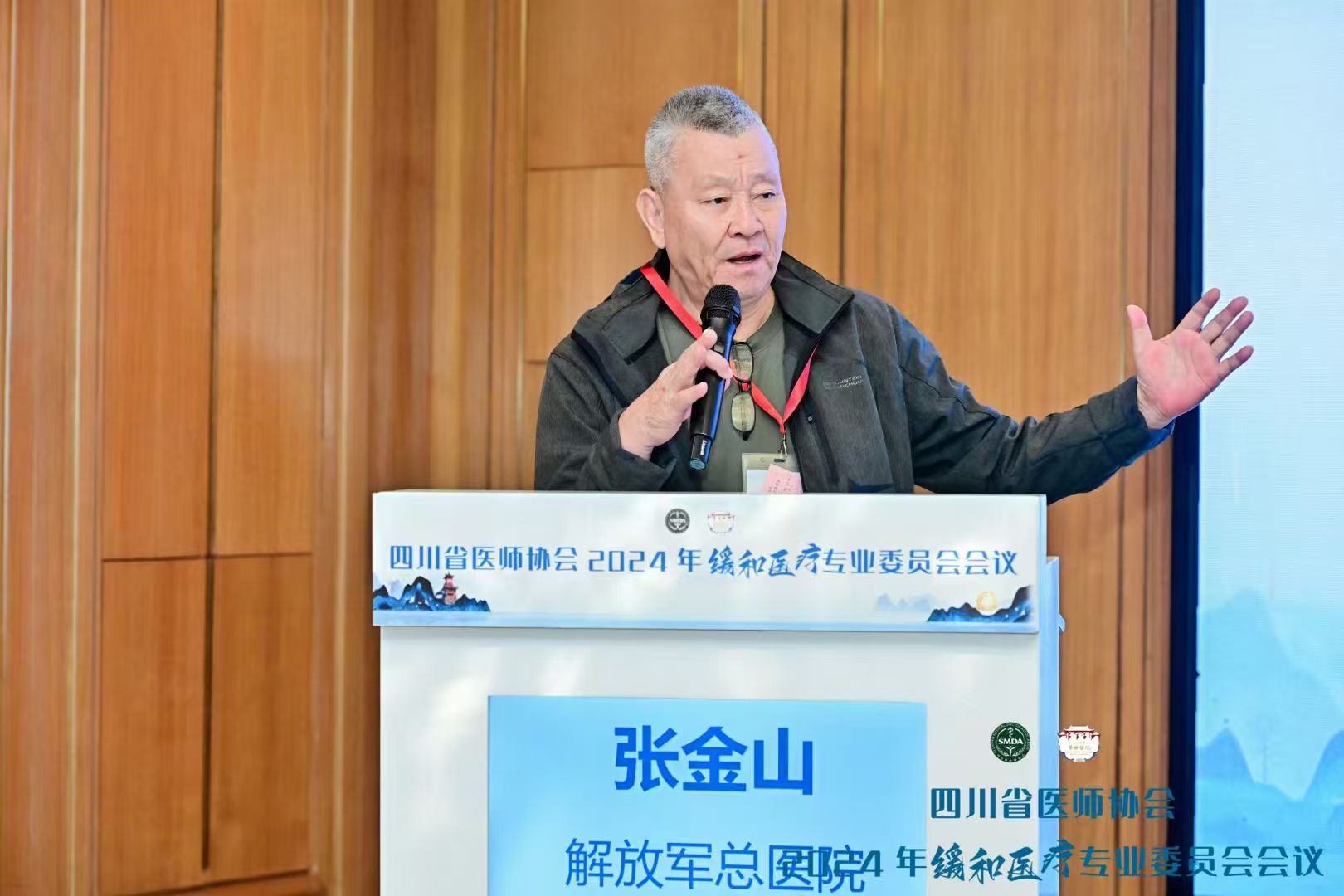
Professor Zhang Jinshan has long been dedicated to the field of medical imaging and has developed distinctive expertise in selective and superselective interventional diagnosis and treatment for solid tumors such as liver cancer, demonstrating exceptional technical proficiency and profound academic accomplishment. Beginning in the 1990s, he led his team in pioneering the clinical application and research of TIPSS and B-ORTO in China, filling major gaps in the domestic field and opening new paths for the interventional management of gastrointestinal bleeding caused by portal hypertension secondary to liver cirrhosis. In addition, he has made groundbreaking contributions to the interventional diagnosis and treatment of peripheral vascular diseases, as well as to preoperative embolization for spinal tumors.
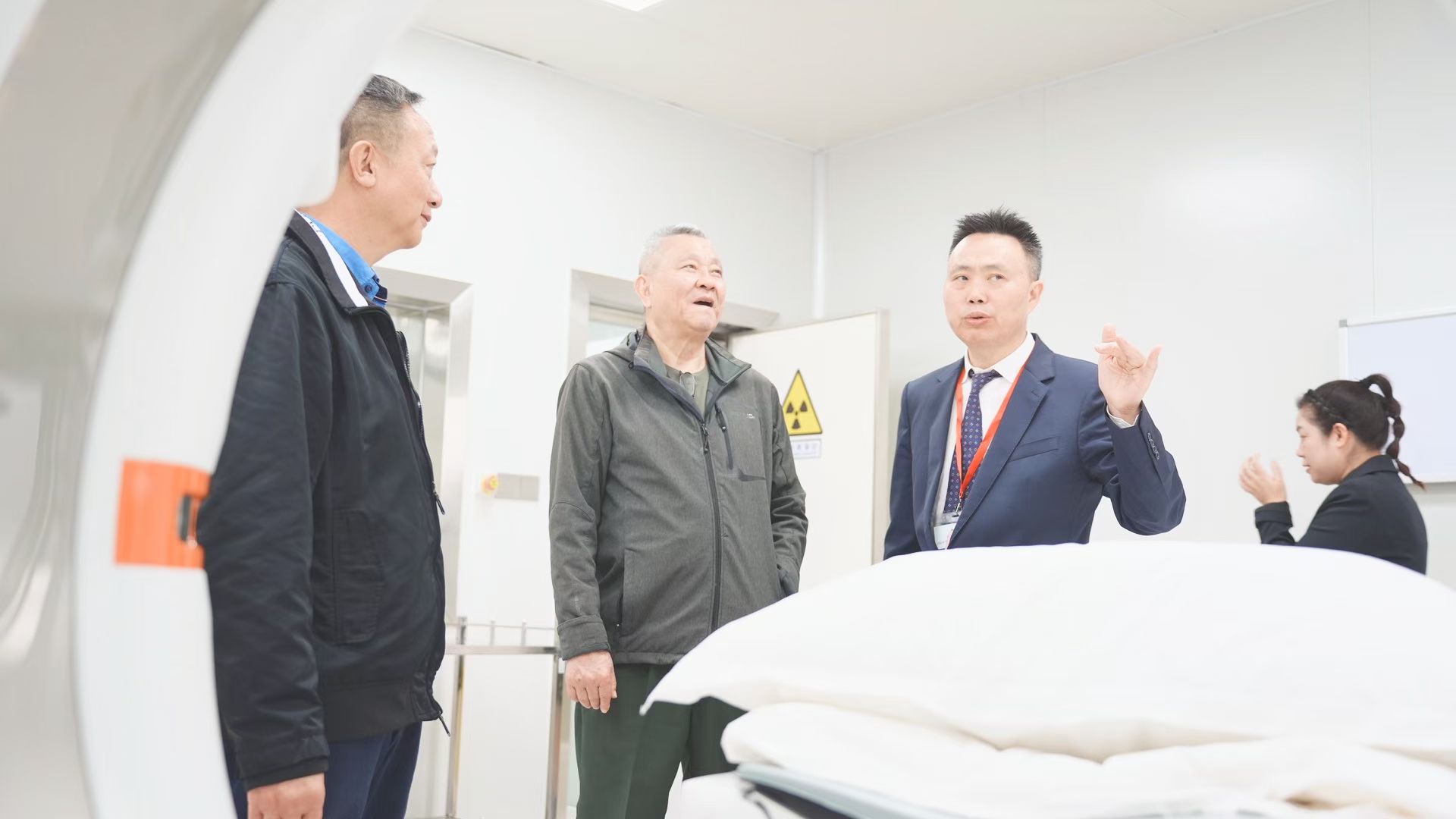
In the field of liver cancer treatment, Professor Zhang Jinshan not only led the development of standardized treatment protocols for liver cancer but also pioneered Transcatheter Arterial Chemoembolization with temporary Hepatic Vein Thrombosis (TACE-THVO) for primary liver cancer, bringing the efficacy of interventional therapy to a new level. In recognition of his outstanding clinical and scientific contributions, he was awarded the honorary title of “Chinese Master of Interventional Radiology” at the 2019 annual conference of the Chinese College of Interventionalists.
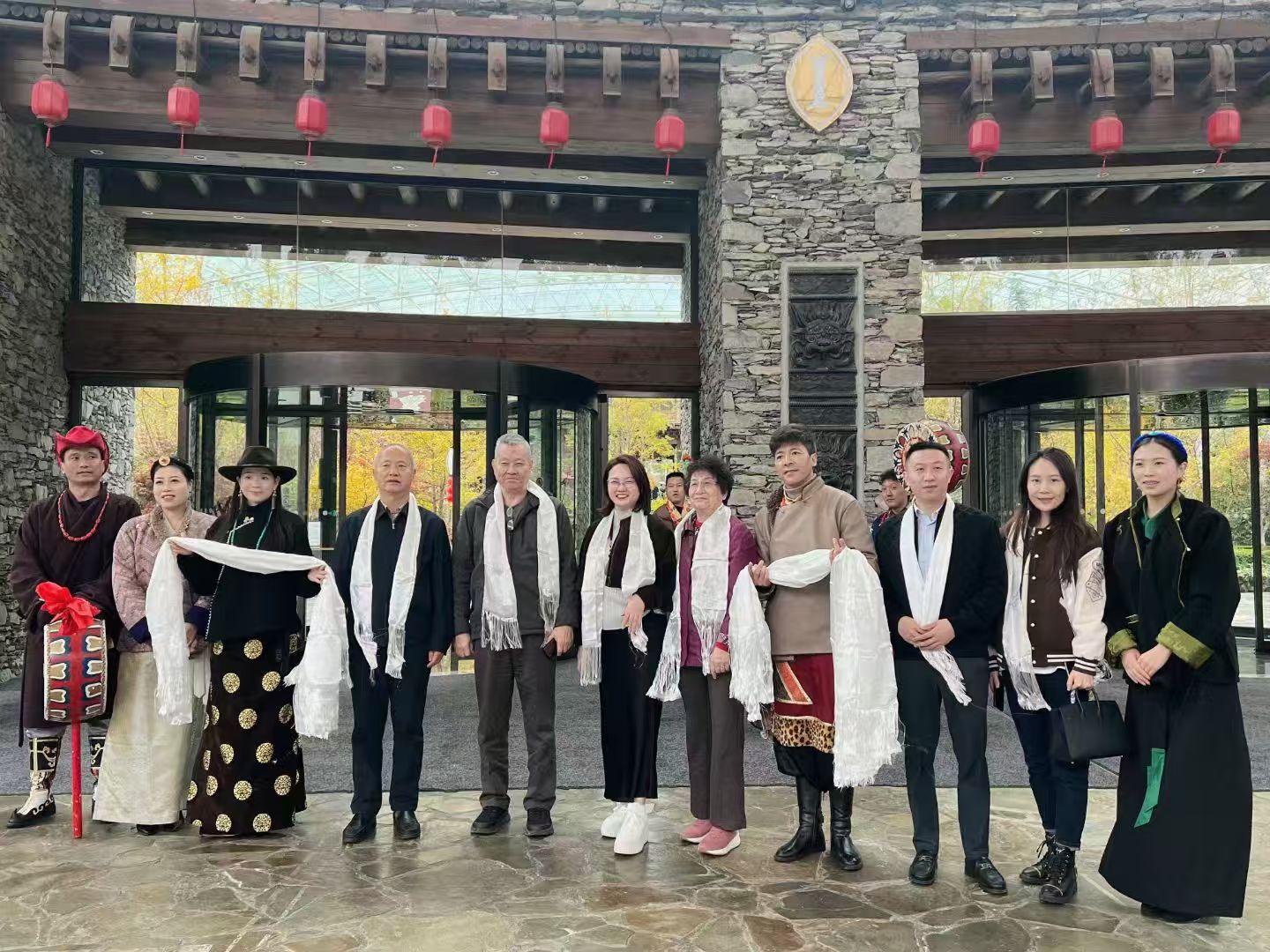
Professor Zhang Jinshan is not only a master clinician but also a driving force in the development of the discipline and a dedicated mentor in talent cultivation. He led his team in establishing one of China’s premier interventional therapy centers. As a doctoral supervisor, he has trained a large number of outstanding specialists and future leaders in interventional medicine, with many of his students and protégés now serving across the country. Academically, he has led multiple key national and military research projects, published more than 300 academic papers, and served as chief editor of three monographs, making remarkable contributions to the establishment of China’s academic framework for interventional medicine and the nationwide dissemination of its technologies.
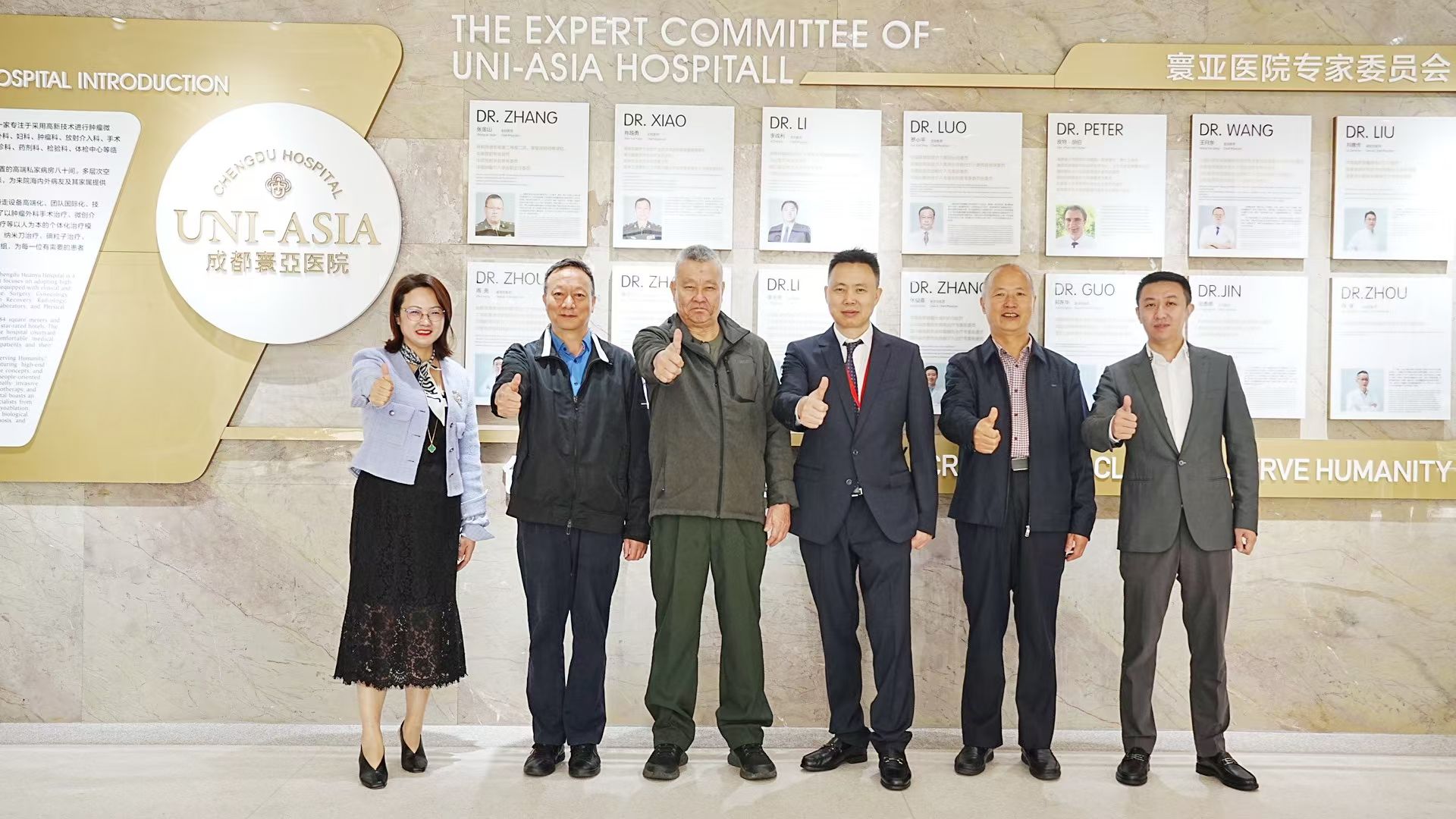
From the laboratory to the operating room, and from academic podiums to grassroots hospitals, Professor Zhang Jinshan has consistently upheld the principles of “pioneering, innovation, pragmatism, and compassion". He has devoted his life to fulfilling the mission of a physician—relieving patients’ suffering through minimally invasive techniques and advancing the discipline through academic excellence—thereby establishing himself as a truly towering figure and one of the foremost authorities in the field of interventional medicine in China.
Professor Zhang Jinshan has achieved prolific academic accomplishments, having published over 300 academic papers covering areas such as interventional therapy for liver cancer, minimally invasive treatment of portal hypertension, interventional treatment of vascular diseases, and tumor ablation.
1. Zhang Jinshan, Wang Maoqiang. Experiments and Clinical Studies of transjugular intrahepatic portosystemic stent shunt (TIPSS). Chinese Journal of Radiology, 1993,27(6):361-365.
Professor Zhang Jinshan is the first author. This is one of the early research papers in China that systematically elaborates on the TIPSS technique. Through animal experiments and clinical case analysis, it confirmed that TIPSS is a safe and effective minimally invasive method for treating portal hypertension and its complications, laying an important foundation for the promotion and application of this technique in China.
2.Zhang Jinshan, Li Huai. Clinical study on transcatheter arterial embolization with temporary hepatic vein occlusion for the treatment of primary liver cancer.Chinese Journal of Radiology, 1996,30(8):521-524.
Professor Zhang Jinshan is the first author. He innovatively proposed the technique of "transcatheter arterial embolization with temporary hepatic vein occlusion." Clinical results demonstrated that this method can significantly increase the drug concentration within liver cancer lesions, reduce damage to normal liver tissue, and effectively improve the therapeutic outcomes for intermediate and advanced liver cancer, providing a novel strategy for the interventional treatment of liver cancer.
3. Zhang Jinshan, Wang Maoqiang, Li Huai. Interventional treatment of Budd-Chiari syndrome. Chinese Journal of Medical Imaging Technology, 1998,14(3):189-191.
Professor Zhang Jinshan is the first author. This paper systematically summarizes the early experience in interventional treatment of Budd-Chiari syndrome in China, elaborating in detail on the key operational points and therapeutic efficacy of techniques such as percutaneous transluminal angioplasty and stent placement. It confirms that interventional therapy is the preferred minimally invasive method for Budd-Chiari syndrome, promoting the standardized development of treatment for this disease.
4.Zhang Jinshan, Li Huai, Wang Maoqiang. Clinical value of superselective hepatic arterial chemoembolization in the treatment of hypovascular liver cancer. Chinese Journal of Radiology, 2000,34(5):335-337.
Professor Zhang Jinshan is the first author. Addressing the challenges in interventional treatment of hypovascular liver cancer, this paper explores the clinical efficacy of superselective hepatic arterial chemoembolization. The results indicate that this technique can precisely target the lesions and improve the treatment response rate, providing an important clinical basis for the interventional treatment of hypovascular liver cancer.
5. Zhang Jinshan, Li Huai, Wang Maoqiang. Interventional treatment of peripheral vascular stenosis and occlusion.Chinese Journal of Radiology, 2002,36(7):612-614.
Professor Zhang Jinshan is the first author. This paper summarizes the interventional treatment experience of over 400 patients with peripheral vascular stenosis and occlusion, analyzing the indications and efficacy of techniques such as balloon angioplasty and stent placement. It confirms that interventional therapy is a safe and effective approach for peripheral vascular diseases, providing practical support for its clinical promotion.
6.Zhang Jinshan, Li Huai, Wang Maoqiang. Clinical application of CT-guided percutaneous puncture ablation in the treatment of abdominal tumors. Chinese Journal of Medical Imaging Technology, 2004,20(9):1395-1397.
Professor Zhang Jinshan is the first author. This paper explores the application value of CT-guided percutaneous puncture techniques such as radiofrequency ablation and chemical ablation in the treatment of abdominal tumors. The clinical results show that this method is minimally invasive with reliable efficacy, offering a minimally invasive treatment option for patients with inoperable abdominal tumors.
7.Zhang Jinshan, Wang Maoqiang, Li Huai. Advances in the application of interventional therapy for benign prostatic hyperplasia. Chinese Journal of Radiology, 2006,40(8):876-878.
Professor Zhang Jinshan is the corresponding author. This paper systematically reviews the cutting-edge advances in interventional therapy for benign prostatic hyperplasia, including the principles, procedures, and efficacy of techniques such as prostatic artery embolization and stent placement, providing new insights for the minimally invasive treatment of benign prostatic hyperplasia.
8.Zhang Jinshan, Li Huai, Wang Maoqiang. Discussion on the standardization of interventional therapy for liver cancer. Chinese Journal of Practical Surgery, 2008,28(10):856-858.
Professor Zhang Jinshan is the corresponding author. Drawing on years of clinical experience and research findings, he led the discussion on standardized protocols for interventional therapy of liver cancer, covering key aspects such as preoperative assessment, treatment modality selection, and postoperative management, providing important references for the formulation of clinical guidelines for interventional therapy of liver cancer in China.
1. Interventional Radiology (People's Military Medical Press, 1995): The first monograph in China to systematically discuss the theories and techniques of interventional radiology. It comprehensively elaborates on the interventional diagnosis and treatment system for tumors, vascular diseases, and non-vascular diseases, becoming a classic essential textbook for interventional physicians in China.
2.Interventional Therapy for Liver Cancer (People's Health Press, 2001): Focusing on minimally invasive interventions for liver cancer, this book systematically summarizes techniques such as TACE, ablation, and vascular intervention, refines operational standards and the prevention and management of complications, and promotes the standardization of interventional therapy for liver cancer.
3.Interventional Treatment of Portal Hypertension (Science Press, 2005): This book systematically elaborates on minimally invasive techniques for portal hypertension, such as TIPSS and B-ORTO, covering experimental research, clinical procedures, long-term follow-up, and efficacy evaluation, filling the gap in monographs on interventional treatment of portal hypertension in China.
1.The National "Eighth Five-Year Plan" Scientific and Technological Key Project—Clinical and Basic Research on Comprehensive Interventional Therapy for Liver Cancer (Project Leader): This project systematically explored multimodal interventional strategies for liver cancer, established the core regimen of superselective TACE combined with local ablation, and significantly improved the therapeutic outcomes for intermediate and advanced liver cancer.
2.The Military "Ninth Five-Year Plan" Key Medical Scientific Research Project—Standardized Research on TIPSS for the Treatment of Portal Hypertension (Project Leader): This project formulated China's first operational standards and postoperative management guidelines for TIPSS, reduced the incidence of complications, and promoted the popularization of this technique throughout the military and across the country.
3.National Natural Science Foundation of China Project — Research on the Mechanism of Targeted Therapy for Liver Cancer Using Hepatic Vein Occlusion Combined with Chemoembolization (Project Leader): This project revealed the synergistic enhancement mechanisms of the innovative technique at the levels of hemodynamics, drug metabolism, and the tumor microenvironment, providing theoretical support for precision interventional therapy of liver cancer.
4.Military Clinical High-Tech Major Project-Establishment and Clinical Application of the Interventional Treatment Technology System for Complex Vascular Diseases (Project Leader): This project overcame interventional challenges in complex lesions such as Budd-Chiari syndrome, peripheral vascular occlusion, and vascular malformations, forming a complete technical system that has been promoted and applied widely.
El doctor es un profesional médico altamente experimentado con más de 20 años de experiencia en el Centro Médico Hadassah. Graduado de la Facultad de Medicina de la Universidad Hebrea de Jerusalén en 1996, el doctor se especializa en el diagnóstico y tratamiento de trastornos de la articulación temporomandibular. El doctor domina el inglés, el hebreo y el ruso, mejorando la comunicación con una población diversa de pacientes.<\/p>