Cirugía estética y cosmetología en Austria: las 8 mejores clínicas con opiniones de pacientes


Revisado médicamente por
Bulent Cihantimur
¿Cuál es el precio de procedimientos de Cirugía estética y cosmetología en Austria? Descubra ahora
La medicina estética y la cosmetología en Austria suelen costar entre $1,200 y $5,500. Los precios finales dependen de la experiencia médica del proveedor, la complejidad específica del tratamiento y el número de sesiones necesarias para obtener resultados óptimos. Aunque Austria es un destino de primer nivel, los pacientes a menudo encuentran tarifas competitivas en comparación con los Estados Unidos.
Costos típicos de medicina estética y cosmetología en Austria
- Terapia con células madre: Precio a consultar
- Inyecciones de Botox: $280 – $500
- Eliminación de cicatrices con láser: $450 – $1,300
- Eliminación de lunares: Precio a consultar
- Depilación láser: Precio a consultar
- Relleno de pene: Precio a consultar
- Inyección de rellenos: Precio a consultar
- Revisión de cicatrices: $1,600 – $4,000
- Rejuvenecimiento cutáneo con láser: Precio a consultar
- Tratamiento de cicatrices de acné: Precio a consultar
La mayoría de las clínicas especializadas se encuentran en Viena, Salzburgo y Graz. Los precios en la capital, Viena, pueden ser ligeramente más altos debido a la concentración de especialistas de renombre mundial. Debe consultar con un especialista para obtener precios precisos para sus problemas específicos de la piel.
| Austria | España | Estados Unidos | |
|---|---|---|---|
| Tratamiento Láser Acné (por sesión) | ≈ $220 | ≈ $150 | ≈ $350 |
| Terapia con medicamentos para el acné. | ≈ $350 | ≈ $280 | ≈ $350 |
| Revisión de cicatriz | ≈ $1,600 | de $1,100 | ≈ $1,800 |
| Rejuvenecimiento con células madre propias | ≈ $2,800 | ≈ $1,400 | ≈ $3,500 |
| Levantamiento de cejas | ≈ $4,800 | de $2,100 | ≈ $5,500 |
Todas las enfermedades de Cirugía estética y cosmetología
Sus beneficios y garantías con Bookimed
Precios directos
Bookimed no añade cargos extra a los precios de los tratamientos de Cirugía estética y cosmetología. Las tarifas proceden de las listas de precios oficiales de las clínicas. Pagará directamente en la clínica por su tratamiento a su llegada al país.
Sólo clínicas y médicos verificados
Bookimed está comprometido con su seguridad. Solo trabajamos con las clínicas que mantienen altos estándares internacionales en el tratamiento de Cirugía estética y cosmetología y tienen las licencias necesarias para atender a pacientes internacionales en todo el mundo.
Asistencia 24/7 gratuita
Bookimed ofrece asistencia experta gratuita. Un coordinador médico personal le apoya antes, durante y después del tratamiento, resolviendo cualquier problema. Nunca estará solo en su viaje médico de procedimientos de Cirugía estética y cosmetología.

Su coordinador médico personal de Bookimed
- Le apoya en cada etapa
- Ayuda a elegir la clínica y el médico adecuados
- Asegura un acceso rápido y conveniente a la información
Descubra las mejores clínicas de Cirugía estética y cosmetología en Austria: 8 opciones verificadas y Precios
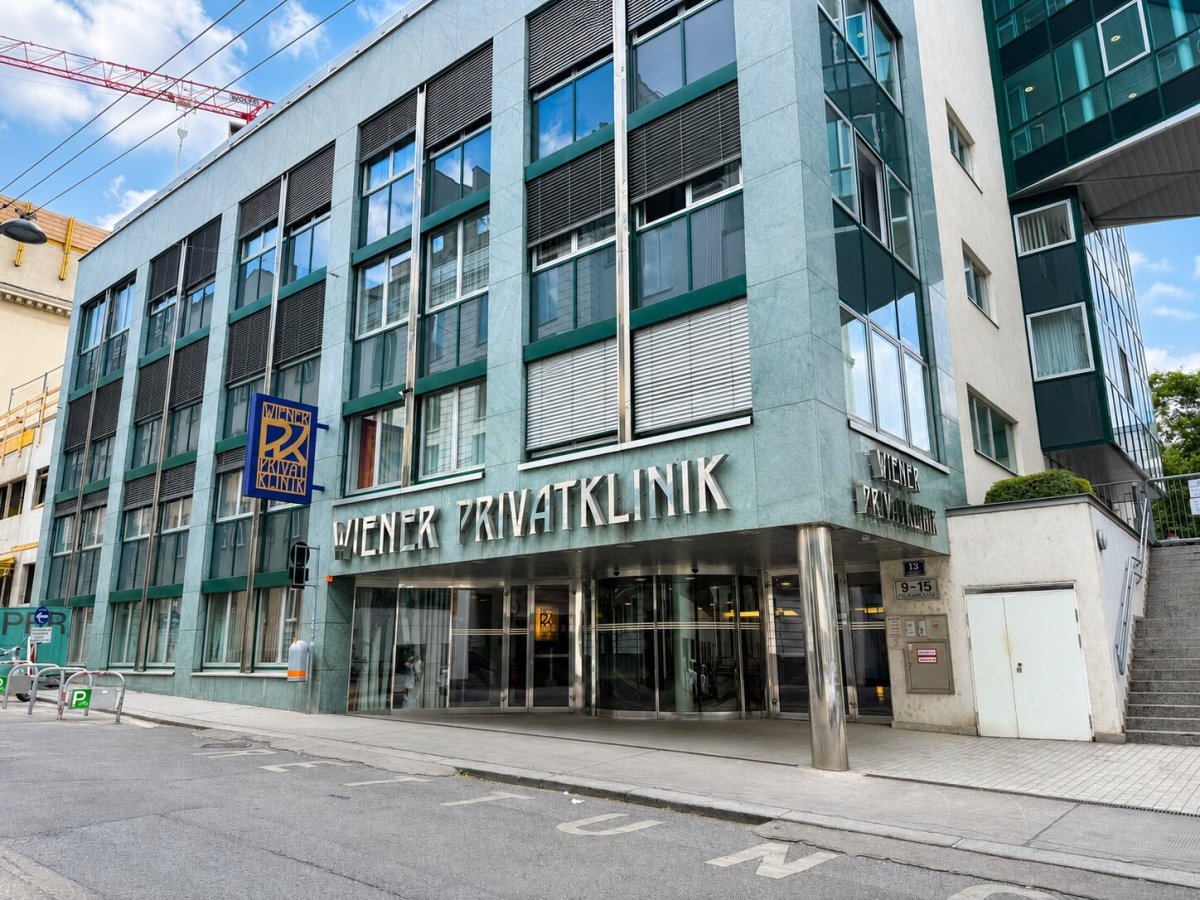



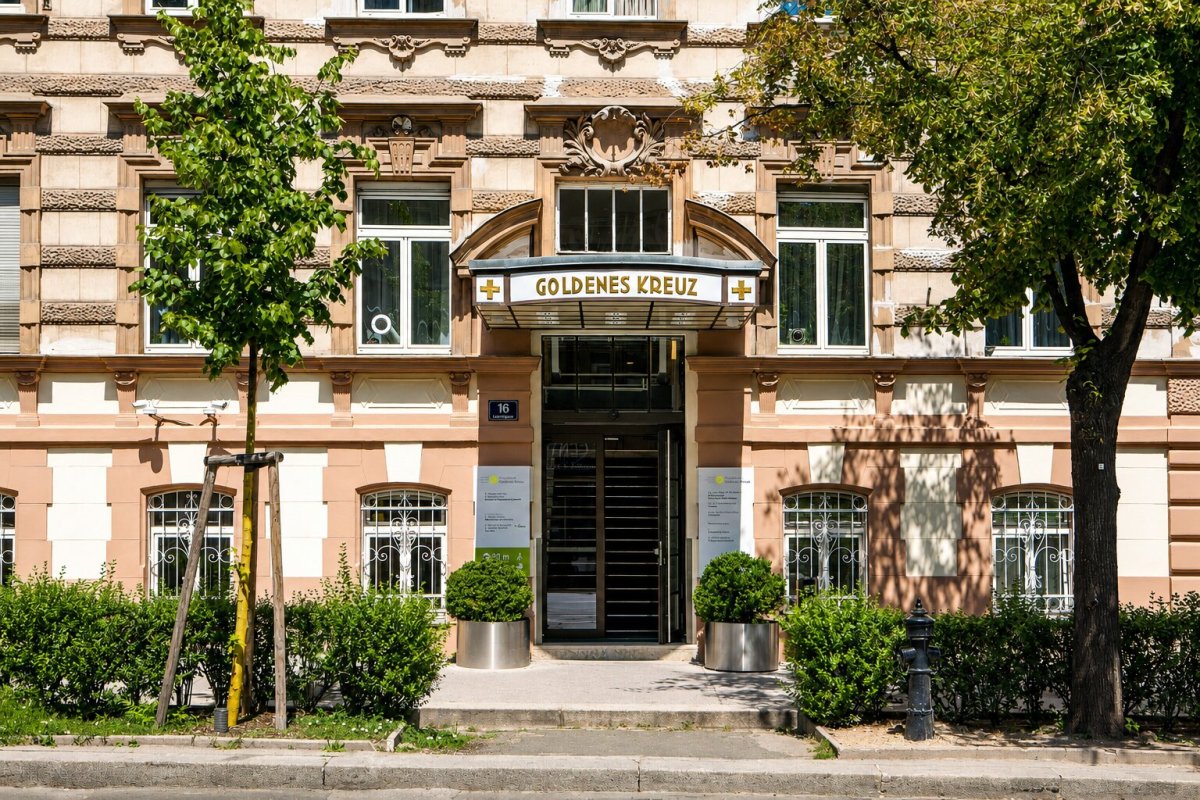
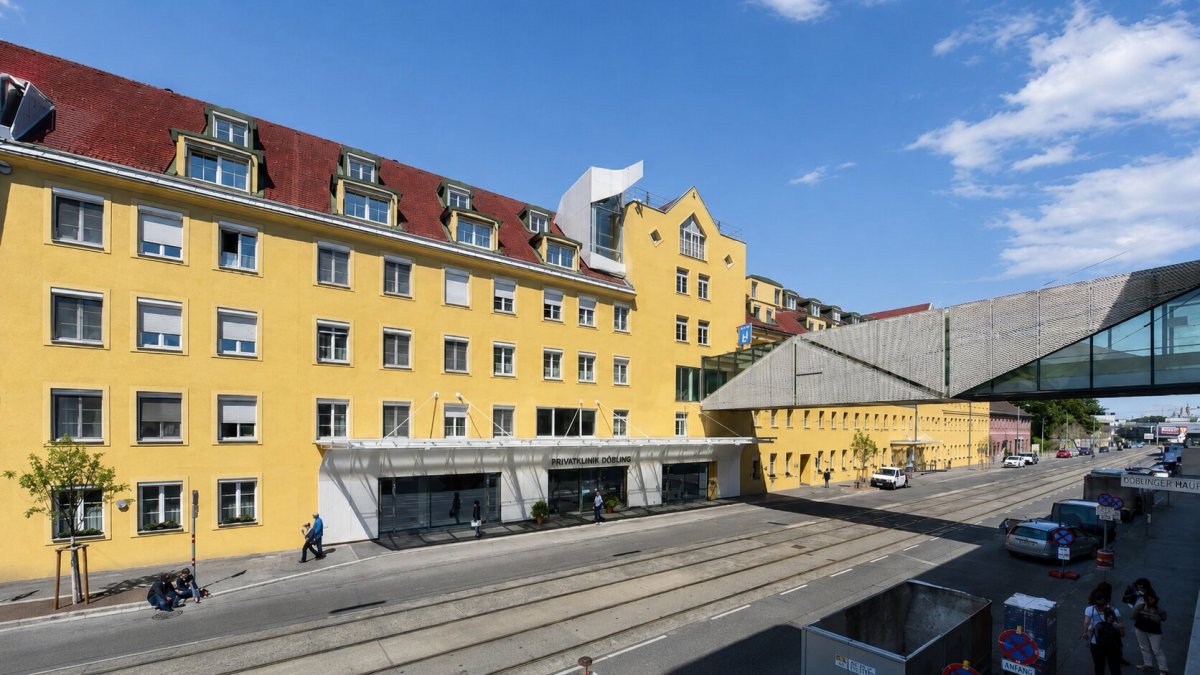
Confraternitaet & Goldenes Kreuz Private Hospital




Clínica Privada Leech
JUVENIS
Los mejores centros médicos de Cirugía estética y cosmetología en Austria
- Clínica privada Wiener (Wiener Privatklinik), Austria
- Confraternitaet & Goldenes Kreuz Private Hospital, Austria
- Döbling Private Clinic, Austria
- Vienna General Hospital, Austria
- Clínica Privada Leech, Austria
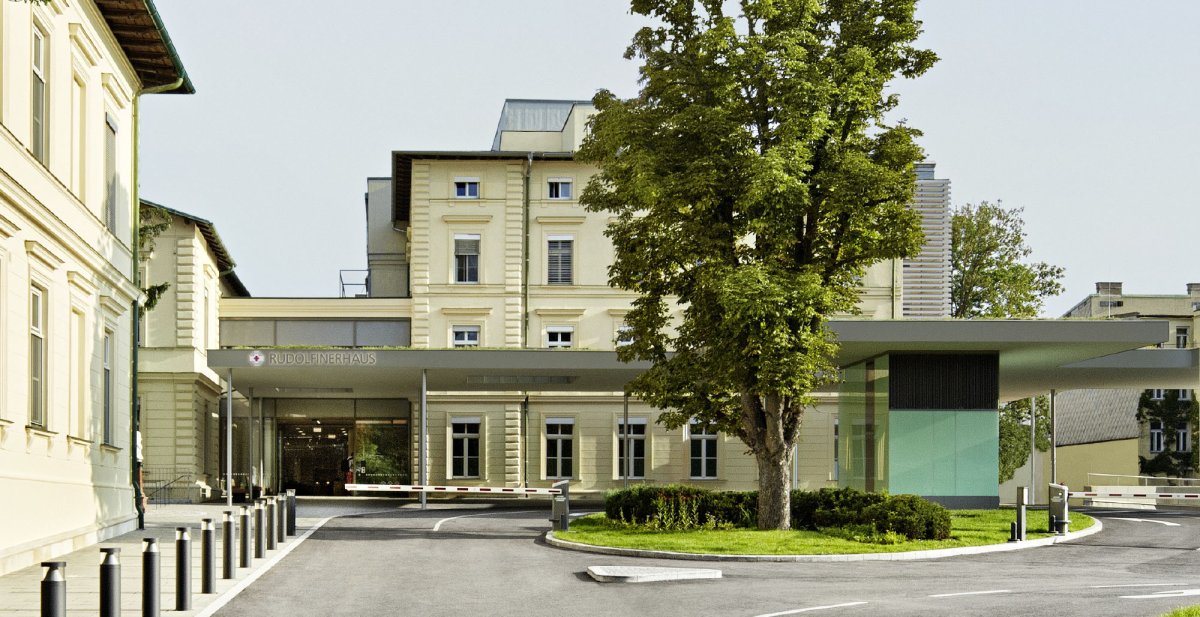
- Rudolfinerhaus, Austria
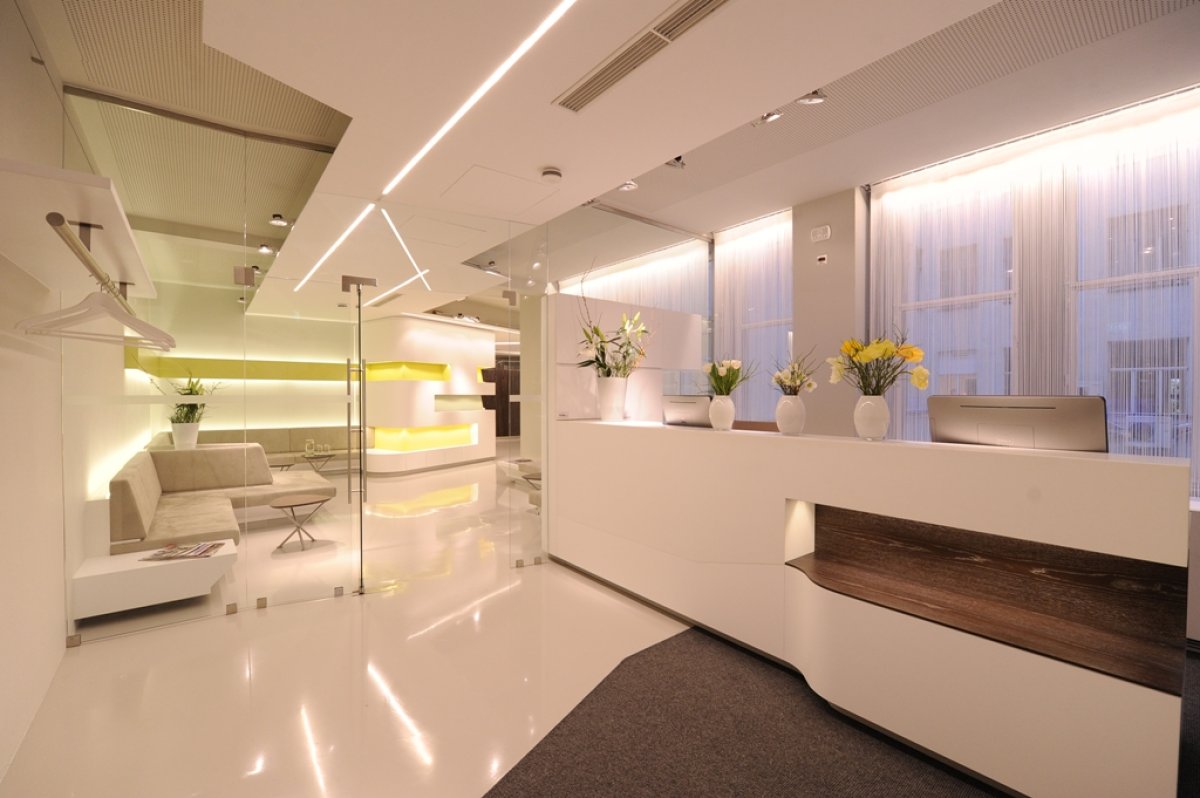
- JUVENIS, Austria
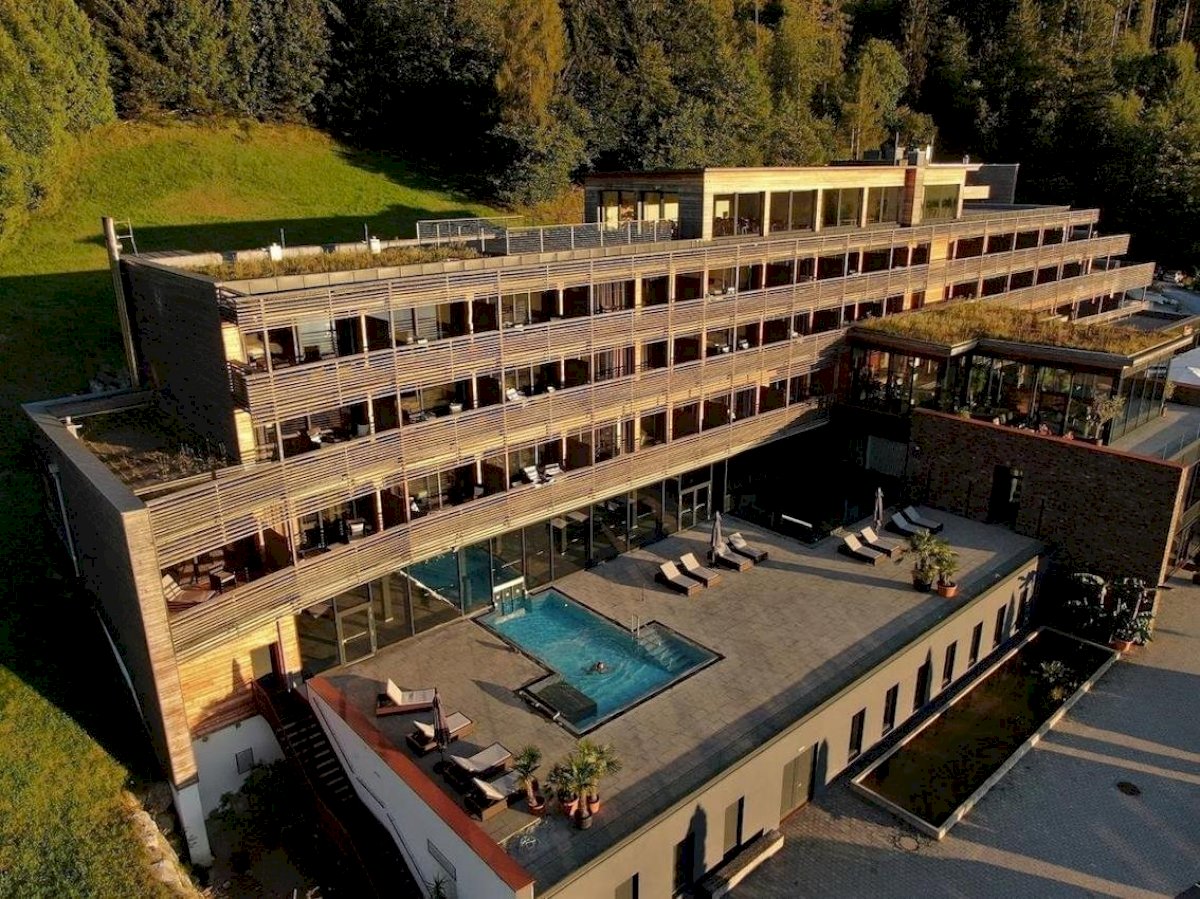
- Armona Medical Alpinresort, Austria
Obtenga una evaluación médica de Cirugía estética y cosmetología en Austria: haga una consulta con 8 médicos experimentados ahora
Ver todos los médicos
Tamara Kopp
La Dra. Tamara Kopp combina la ciencia dermatológica con la precisión estética, especializándose en la salud cutánea personalizada en la Wiener Privatklinik.
- Formada en la Universidad Médica de Viena y el Hospital General de Viena
- Experta en terapia láser, inyectables y rejuvenecimiento cutáneo
- Se centra tanto en tratamientos médicos de la piel como en procedimientos estéticos
- Especializada en la detección precoz y extirpación de tumores cutáneos
Elli Katherina Greisenegger
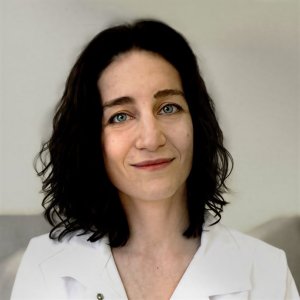
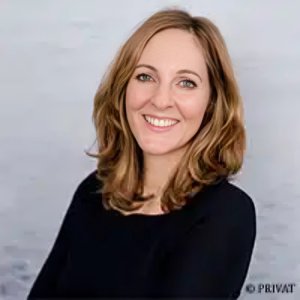
La Dra. med. Elli Katherina Greisenegger, médica adjunta (OÄ), es dermatóloga y venereóloga en el Centro Médico JUVENIS de Viena. Asimismo, es médica sénior en la Clínica Universitaria de Dermatología del Hospital Universitario de St. Pölten, donde dirige la consulta ambulatoria de alergología. Atiende consultas en alemán, inglés, francés y griego.
Formación académica: Universidad de Medicina de Viena. Estudios realizados entre 1997 y 2004. Doctorado obtenido en 2006. Residencia en los
Christine Bangert
La Dra. Christine Bangert es dermatóloga y venereóloga en JUVENIS en Viena y médica adjunta en el Departamento de Dermatología de la Universidad Médica de Viena. Dirige la consulta externa de dermatitis atópica. Desde 2011, lidera el laboratorio de inmunopatología para enfermedades ampollosas de la piel en el AKH de Viena. Cuenta con más de 25 años de experiencia en medicina. Su especialidad incluye el eccema grave, las enfermedades autoinmunes ampollosas y las alergias complejas.
Form
Bernhard Moser
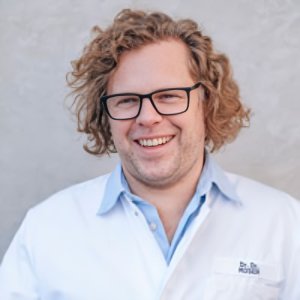
El Dr. med. Bernhard Moser es un cirujano con doble certificación de la junta médica en el Centro Médico JUVENIS de Viena. Es especialista en cirugía plástica y estética, así como en cirugía oral, maxilofacial y facial. Posee además cualificaciones adicionales en cirugía de la mano, cirugía plástica y microcirugía, y cuenta con un certificado de ecografía diagnóstica de nivel 1 de la DEGUM.
Completó su formación como residente en el UKSH Kiel de 2014 a 2016. Obtuvo la especialidad en c
Historias en video de pacientes de Bookimed
Artículos relacionados
Ver más
Especialista en trasplante capilar Oya Şişman responde a las preguntas frecuentes sobre el trasplante capilar
Escrito por Вероника Казина

El Dr. Mehmet Erdogan habla sobre los trasplantes de cabello DHI, FUE y Sapphire FUE en Smile Hair Clinic
Escrito por Вероника Казина

Injerto capilar: fotos de antes y después
Escrito por Anna Leonova

Los precios de trasplante capilar: las mejores ofertas en todo el mundo
Escrito por Anna Leonova

Terapia antienvejecimiento con células madre: Un gran avance para revertir los signos del paso del tiempo
Escrito por Mariia Mytrofankina
Compartir contenido
 Olena Sikoza
Preguntas frecuentes sobre Cirugía estética y cosmetología en Austria
¿Quiénes tienen autorización legal para recibir inyecciones estéticas como Botox y rellenos dérmicos en Austria?
En Austria, solo los médicos colegiados están legalmente autorizados para realizar inyecciones estéticas. Esto incluye a médicos generales, dermatólogos y cirujanos plásticos. Según la Ley Federal de Procedimientos Estéticos, estos procedimientos se consideran servicios médicos. El personal de enfermería y los cosmetólogos tienen estrictamente prohibido realizar inyecciones.
- Formación médica: Los médicos deben poseer una titulación médica válida y reconocida en Austria.
- Consulta obligatoria: Es necesaria una consulta médica oficial antes de cualquier procedimiento estético.
- Periodo de espera: Los pacientes deben esperar 48 horas entre la consulta y la inyección propiamente dicha.
- Restricciones de edad: Está prohibido tratar a personas menores de 16 años sin consultar previamente con un médico.
Opinión de expertos de Bookimed: Si bien muchos países europeos permiten que las enfermeras administren inyecciones bajo supervisión, Austria tiene una política estricta de no delegación. Especialistas como la Dra. Tamara Kopp de la Clínica Privada Wiener supervisan personalmente cada paso del proceso. Precisamente gracias a la participación directa de los médicos en clínicas como el Hospital Privado Döbling, las tasas de complicaciones se mantienen por debajo de lo esperado.
Opinión de los pacientes: Los pacientes destacan l
¿Está permitido que los cosmetólogos sin formación médica utilicen láseres estéticos de alta potencia o realicen peelings químicos profundos?
En Austria, los cosmetólogos no médicos no están autorizados a utilizar láseres estéticos de alta potencia ni a realizar peelings químicos profundos. Estos procedimientos solo pueden ser realizados por profesionales médicos titulados, como la Dra. Tamara Kopp. La legislación austriaca clasifica los procedimientos que involucran tejido vivo como procedimientos médicos que requieren supervisión clínica especializada.
- Ajustes del tratamiento láser: El rejuvenecimiento cutáneo con láser de alta potencia solo lo realizan médicos o enfermeras cualificadas.
- Peeling químico: Los cosmetólogos realizan una exfoliación superficial utilizando únicamente ácido glicólico suave.
- Tratamientos intensivos: Se requiere licencia médica para realizar tratamientos como el ácido tricloroacético (TCA) o las exfoliaciones con fenol.
- Control clínico: Instituciones como la Wiener Privatklinik se adhieren estrictamente a las normas internacionales ISO.
Opinión de los expertos de Bookimed: Las clínicas con un alto volumen de pacientes, como el Hospital General de Viena (AKH), que atiende a más de 595 000 pacientes, suelen implementar protocolos de seguridad basados en investigaciones científicas. Elegir un hospital en lugar de un salón de belleza garantiza el acceso a dermatólogos que tratan más de 10 000 casos. Estos especialistas son más eficaces en el tratamiento
¿Cuántas sesiones de tratamiento suelen ser necesarias para los procedimientos no quirúrgicos?
En Austria, los tratamientos no quirúrgicos suelen requerir entre 1 y 8 sesiones, según la tecnología utilizada. Los inyectables como el bótox o los rellenos generalmente ofrecen resultados en una sola sesión. El rejuvenecimiento cutáneo y la terapia láser suelen requerir de 3 a 6 sesiones, con un intervalo de 4 a 8 semanas entre cada una, para obtener resultados óptimos.
- Inyectables: El Botox y los rellenos dérmicos generalmente requieren 1 sesión y mantenimiento cada 4-12 meses.
- Depilación láser: Para obtener resultados óptimos en la depilación o la reducción de cicatrices, generalmente se requieren entre 6 y 8 sesiones.
- Rejuvenecimiento de la piel: Los peelings químicos y la microaguja suelen requerir de 3 a 6 tratamientos con intervalos de 4 a 6 semanas.
- Remodelación corporal: La reducción de grasa o el modelado muscular no invasivos generalmente requieren de 1 a 6 sesiones por zona.
Opinión de los expertos de Bookimed: Los datos de los principales centros vieneses, como la Vienna Privatklinik, indican una tendencia hacia el uso de protocolos combinados. Los pacientes suelen reportar mejores resultados al combinar el mapeo diagnóstico de lunares con la terapia láser en una sola visita. Este enfoque reduce el número total de consultas médicas necesarias para afecciones cutáneas complejas.
Comentarios de los pacientes:
¿Cuál es el tiempo de recuperación y el tiempo de inactividad previstos para los procedimientos estéticos más comunes?
En Austria, los periodos de recuperación tras los procedimientos estéticos varían desde la ausencia total de recuperación después de las inyecciones hasta 14 días después de un rejuvenecimiento cutáneo intensivo. La mayoría de los pacientes retoman sus actividades sociales en 72 horas. Los resultados completos suelen ser visibles entre 2 y 4 semanas después del procedimiento, a medida que el tejido cicatriza.
- Inyectables: Las inyecciones de Botox y rellenos requieren de 0 a 3 días de tiempo de recuperación debido a una leve hinchazón.
- Rejuvenecimiento con láser: Los tratamientos más profundos, como el rejuvenecimiento con láser de CO2, requieren de 1 a 2 semanas de tiempo de recuperación.
- Peeling químico: Un peeling suave dura 3 días. Un peeling de intensidad media requiere de 7 a 14 días.
- Microneedling: El enrojecimiento y la sensibilidad suelen desaparecer en 2-5 días.
Opinión de expertos de Bookimed: Las clínicas vienesas, como Wiener Privatklinik, suelen combinar diagnósticos, como el mapeo digital de lunares, con procedimientos estéticos. Esto garantiza una piel sana antes del rejuvenecimiento. Los pacientes que eligen centros universitarios se benefician de protocolos que mantienen las tasas de complicaciones por debajo del estándar. Compruebe siempre si la clínica utiliza equipos de terapia láser con certificación ISO.
¿Los resultados del procedimiento estético son permanentes o requieren cuidados de mantenimiento a largo plazo?
La mayoría de los tratamientos estéticos en Austria ofrecen resultados temporales debido al envejecimiento natural y al metabolismo. Es necesario un tratamiento de mantenimiento para conservar los resultados. El bótox suele durar de 3 a 6 meses. Los rellenos dérmicos suelen durar de 6 a 18 meses. Los tratamientos láser especializados pueden requerir sesiones de seguimiento anuales para compensar el daño solar.
- Duración del efecto de los inyectables: El Botox dura de 3 a 6 meses; los rellenos, de 6 a 18 meses.
- Tratamientos láser: Los resultados del rejuvenecimiento cutáneo se desvanecen en un plazo de 1 a 5 años sin corrección.
- Fijación quirúrgica: Un lifting facial proporciona una mejoría que dura 10 años o más antes de que comience el proceso natural de envejecimiento.
- Planificación de costes: Los pacientes suelen presupuestar entre el 20% y el 50% de sus costes anuales iniciales de atención médica.
Opinión de expertos de Bookimed: Los datos de clínicas vienesas líderes, como Wiener Privatklinik, muestran una tendencia hacia los tratamientos en varias etapas. Especialistas destacados, como la Dra. Tamara Kopp, suelen combinar inyecciones de ácido hialurónico con peelings químicos. Este enfoque multietapa en centros de alto volumen ayuda a prolongar el intervalo entre las visitas de mantenimiento en comparación con la monoterapia.
¿Qué normativa garantiza la seguridad de los productos cosméticos utilizados en las clínicas de estética austriacas?
Las clínicas de estética austriacas cumplen con el Reglamento UE 1223/2009 y la Ley Austriaca de Procedimientos Estéticos. Estas leyes exigen evaluaciones de seguridad rigurosas y que los procedimientos sean realizados exclusivamente por profesionales cualificados. Los inyectables, como los rellenos, están regulados como dispositivos médicos. Requieren el marcado CE y la supervisión de la Autoridad Austriaca de Salud y Seguridad Alimentaria.
- Supervisión médica: La mayoría de los procedimientos que implican medicamentos o rellenos deben ser realizados por profesionales médicos.
- Periodo de espera obligatorio: Los pacientes deben esperar un tiempo determinado entre la consulta inicial y el tratamiento.
- Restricciones de edad: En Austria, los procedimientos estéticos están prohibidos para menores de 16 años sin excepción.
- Seguridad del producto: Todos los productos cosméticos requieren un informe de seguridad elaborado por un toxicólogo cualificado.
Opinión experta de Bookimed: Los datos de clínicas líderes, como el Hospital Privado Döbling, demuestran que el cumplimiento de los objetivos internacionales de seguridad del paciente de la JCI se correlaciona con tasas de complicaciones significativamente inferiores al promedio nacional. En Viena, las clínicas que atienden a más de 15 000 pacientes al año suelen contar con profesores universitario
¿Se aceptan los seguros médicos extranjeros para los procedimientos estéticos planificados en Austria?
En Austria, los seguros médicos extranjeros generalmente no cubren procedimientos estéticos electivos. Los pacientes deben prever el pago total por adelantado. La mayoría de las pólizas de seguro internacionales excluyen los procedimientos cosméticos, ya que no se consideran médicamente necesarios. Las exclusiones solo se aplican cuando procedimientos como la rinoplastia se realizan para tratar problemas respiratorios documentados.
- Procedimiento de pago: Las clínicas requieren el pago completo por adelantado en efectivo o con tarjeta de crédito.
- Precios típicos: Los precios de los servicios estéticos en Austria suelen oscilar entre _precio_desde_ y _precio_hasta_.
- Situación profesional: Muchos cirujanos destacados son médicos especializados en cirugía electiva y no tienen contratos directos con las compañías de seguros.
- Reembolso: Los residentes de la UE pueden obtener un pequeño reembolso de las compañías de seguros de hogar, previa aprobación.
Opinión experta de Bookimed: Los datos muestran que clínicas líderes como la Vienna Private Clinic y el Vienna General Hospital (AKH) atraen a más de 16 000 pacientes internacionales anualmente, ofreciendo atención de alta calidad. En medicina estética, elegir un profesor afiliado a la Universidad Médica de Viena suele garantizar el acceso a tratamientos láser y celulares de vanguardia que quizás
¿Quién está legalmente autorizado para realizar procedimientos de inyección en Austria?
En Austria, los procedimientos estéticos inyectables solo están permitidos para médicos colegiados. Los especialistas en dermatología o cirugía plástica, así como los médicos generales cualificados, están legalmente autorizados para realizar estos procedimientos. Los dentistas también están autorizados a realizar inyecciones dentro de su especialidad, como en la mandíbula o la cavidad bucal.
- Base legal: La Ley Federal de Procedimientos Estéticos (ÄsthOpG) regula estrictamente todos los procedimientos de inyección.
- Para especialistas con restricciones: Los cosmetólogos y esteticistas tienen prohibido por ley realizar inyecciones que dañen la piel.
- Directrices para enfermeras: Las enfermeras solo pueden administrar medicamentos inyectables bajo la supervisión directa de un médico con licencia.
- Nota importante: Los pacientes deben esperar 48 horas después de su consulta inicial antes de recibir cualquier tratamiento.
Opinión de expertos de Bookimed: Si bien Viena cuenta con numerosas clínicas, las instituciones con vínculos académicos consolidados, como la Wiener Privatklinik o el Hospital General de Viena (AKH), suelen emplear a profesores con formación internacional. Elegir especialistas afiliados a una universidad, como la Dra. Tamara Kopp, garantiza que su médico cumpla con los altos estándares educativos establecidos por la Cámara Médic
¿Existen restricciones de edad para los procedimientos estéticos en Austria?
En Austria, los procedimientos estéticos están regulados por la Ley de Cirugía Estética. Estos procedimientos están generalmente prohibidos para menores de 16 años. Los pacientes de entre 16 y 18 años requieren el consentimiento por escrito de un tutor legal y deben demostrar que comprenden plenamente los riesgos médicos. Los adultos mayores de 18 años pueden dar su consentimiento de forma independiente para cualquier procedimiento cosmético.
- Menores de 16 años: Las cirugías y procedimientos estéticos están estrictamente prohibidos para este grupo de edad.
- Para las personas de entre 16 y 18 años, se requiere el consentimiento por escrito de un tutor y una evaluación de madurez psicológica.
- Adultos mayores de 18 años: Las personas pueden reservar por su cuenta procedimientos como inyecciones de Botox, rellenos o terapia láser.
- Necesidad médica: Los tratamientos por razones médicas, como la corrección de cicatrices de acné, se rigen por diversas guías clínicas.
Opinión de expertos de Bookimed: Los datos clínicos revelan una brecha entre las restricciones legales y la práctica real en Viena. Si bien la ley permite ciertos tratamientos con el consentimiento de personas mayores de 16 años, muchas clínicas de renombre, como Wiener Privatklinik o Döbling Private Hospital, suelen aplicar una norma voluntaria de "mayores de 21 años" para
¿Qué preguntas debo hacer durante la consulta?
Al consultar sobre procedimientos estéticos en Austria, es importante prestar mucha atención a la cualificación del especialista y a los pasos específicos que conlleva. Pregunte sobre la experiencia del médico realizando el procedimiento elegido y solicite fotografías del antes y el después, que no suelen estar incluidas en el catálogo estándar. Pregunte también por el coste total de las sesiones iniciales y de cualquier retoque o visita de seguimiento posterior.
- Requisitos de especialización: Asegúrese de que el médico sea miembro de sociedades profesionales oficiales austriacas.
- Experiencia clínica: Pregunte cuántas veces el cirujano ha realizado el procedimiento estético específico que usted necesita.
- Detalles del producto: Pregunte a su médico por qué eligió este relleno o procedimiento láser en particular en lugar de otros.
- Protocolos de tratamiento de complicaciones: Conozca cómo la clínica gestiona las complicaciones poco frecuentes y el tiempo de recuperación.
- Transparencia de costos: Solicite un desglose por escrito de los costos, incluyendo el costo de la anestesia, los servicios clínicos y cualquier ajuste necesario.
Opinión experta de Bookimed: Los datos de centros vieneses como la Vienna Privatklinik demuestran que los especialistas altamente cualificados suelen ser profesores universitarios. Elegir