Tratamiento de cicatrices de acné en Turquía — encuentre las 3 mejores clínicas con costos


Revisado médicamente por
Fahad Mawlood
Cómo funciona
¿Cuál es el precio de Tratamiento de cicatrices de acné en Turquía? Descubra ahora
El costo del tratamiento de cicatrices de acné en Turquía suele oscilar entre $250 y $400. Los precios varían según el tipo de tratamiento (láser CO2 fraccionado, microneedling con PRP, subcisión), la clínica y la cantidad de sesiones necesarias. En Estados Unidos, el precio promedio es $5,000 (según ASDS). Esto significa que el tratamiento de cicatrices de acné en Turquía cuesta aproximadamente un 93% menos que en EE. UU.
Las clínicas turcas suelen incluir en el precio la consulta inicial, la sesión de tratamiento elegida, anestesia tópica, productos para el cuidado posterior y visitas de seguimiento. En EE. UU., los precios a menudo solo cubren el procedimiento en sí, con cargos adicionales por anestesia, cuidado posterior y seguimiento. Siempre confirmar exactamente qué está incluido en la clínica elegida.
Beneficios clave
- Obtén tratamiento de cicatrices de acné en Turquía con un ahorro del 60% en comparación con los EE.UU.
- Opciones populares: láser fraccionado, microdermoabrasión, tratamiento con ácido hialurónico.
- Revisión gratuita de fotos por un médico para determinar la mejor opción de tratamiento para ti.
- 100% de protección de datos y garantía de confidencialidad.
- Ofertas exclusivas de clínicas turcas de confianza de $250.
| Turquía | España | Estados Unidos | |
|---|---|---|---|
| Tratamiento de cicatrices de acné | de $250 | de $3,400 | ≈ $3,500 |
| Tratamiento de la piel con luz pulsada intensa (IPL) | ≈ $90 | ≈ $190 | ≈ $900 |
| Tratamiento Láser Acné (por sesión) | de $500 | ≈ $150 | ≈ $350 |
| Terapia de luz roja | de $190 | ≈ $60 | ≈ $250 |
| Terapia con medicamentos para el acné. | de $200 | ≈ $280 | ≈ $350 |
Descubra las mejores clínicas de Tratamiento de cicatrices de acné en Turquía: 43 opciones verificadas y Precios











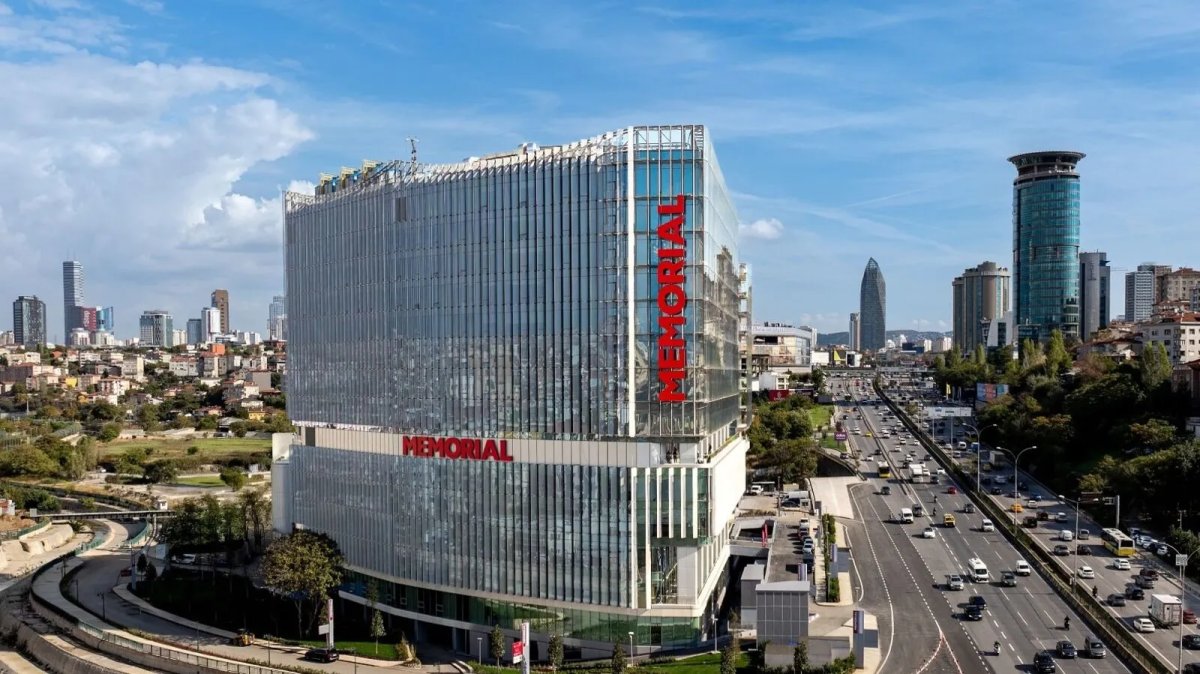
Memorial Göztepe Hospital
Tratamiento de cicatrices de acné en Turquía: cronología día a día
Día 1: Llegada a Turquía
- Al aterrizar en Turquía, asegúrese de tener todos los documentos de viaje necesarios y los datos de su cita confirmada para el tratamiento de las cicatrices del acné.
- Deberá contratar un servicio de traslado VIP desde el aeropuerto hasta su hotel para que su llegada sea cómoda y sin estrés.
- Regístrese en el alojamiento reservado, preferiblemente un hotel de 4 ó 5 estrellas, que ofrezca una estancia cómoda y esté cerca de la clínica.
- Descanse y aclimátese a la zona horaria local para estar bien preparado para las próximas sesiones de consulta y tratamiento.
- Póngase en contacto con la clínica para confirmar la hora de su cita y cualquier otra instrucción previa al tratamiento.
Día 2: Consulta inicial y primera sesión de tratamiento
- Asista a una consulta inicial con un dermatólogo para comentar su plan de tratamiento. Esto puede incluir procedimientos como la radiofrecuencia fraccional Fractora y la terapia PRP (plasma rico en plaquetas).
- Someterse a una evaluación de la piel para determinar la idoneidad de procedimientos como el láser de CO2 fraccionado o la terapia con láser de aguja de oro en función de su tipo y tono de piel.
- Comience la primera sesión de su tratamiento de cicatrices de acné, que puede incluir láser de CO2 fraccionado o RF-lifting Fractora. Se espera una mejora de alrededor del 30% tras la primera sesión.
- Siga las instrucciones de cuidado postratamiento, que pueden incluir evitar la exposición al sol y utilizar productos específicos de cuidado de la piel para ayudar a la recuperación.
- Póngase en contacto con la clínica si experimenta alguna molestia o tiene preguntas sobre los cuidados posteriores al tratamiento.
Día 3: Descanso y recuperación
- Tómese este día para descansar y permitir que su piel comience el proceso de curación tras la sesión inicial de tratamiento.
- Evite las actividades extenuantes y siga las recomendaciones dietéticas o de estilo de vida que le haya dado su dermatólogo.
- Siga utilizando los productos de cuidado de la piel que le hayan recetado, como cremas o lociones medicinales, para favorecer la recuperación de la piel.
- Si es necesario, póngase en contacto con la clínica para cualquier pregunta o duda sobre el tratamiento o el proceso de recuperación.
Día 4: Exploración y relajación
- Aproveche este día para explorar las atracciones locales o disfrutar de actividades de ocio. Protéjase la piel de la luz solar directa con un sombrero o protector solar.
- Mantenga la hidratación y una dieta sana para favorecer el proceso de cicatrización de la piel.
- Manténgase en contacto con la clínica para recibir información actualizada o instrucciones adicionales sobre su plan de tratamiento.
Día 5: Cita de seguimiento
- Acuda a una cita de seguimiento en la clínica para evaluar los resultados iniciales de su tratamiento y comentar los siguientes pasos de su plan de tratamiento.
- Comente la posibilidad de tratamientos adicionales, como la mesoterapia con colágeno o el relleno inteligente, para mejorar los resultados.
- Programar su próxima sesión de tratamiento, si procede, garantizando un intervalo de un mes entre sesiones para obtener resultados óptimos.
- Reciba las instrucciones o recomendaciones actualizadas de su dermatólogo para el postratamiento.
Día 6: Último día en Turquía
- Prepare su partida confirmando su traslado al aeropuerto y asegurándose de que todos sus efectos personales están empaquetados.
- Reflexione sobre su experiencia de tratamiento y asegúrese de que dispone de toda la documentación necesaria y de las instrucciones posteriores para continuar con el tratamiento en casa.
- Póngase en contacto con la clínica para cualquier duda o aclaración final antes de su partida.
- Abandone el hotel y diríjase al aeropuerto para tomar el vuelo de regreso a casa.
Después de volver a casa: Cuidados continuados
- Siga con la rutina de cuidado de la piel y los tratamientos adicionales recomendados por su dermatólogo.
- Manténgase en contacto con la clínica para cualquier consulta de seguimiento o para programar futuras sesiones de tratamiento si fuera necesario.
- Vigile la evolución de su piel y observe cualquier cambio o mejora en el aspecto de las cicatrices.
- Mantenga un estilo de vida saludable, que incluya una dieta equilibrada e hidratación, para mantener la salud de la piel.
Obtenga una evaluación médica de Tratamiento de cicatrices de acné en Turquía: haga una consulta con 32 médicos experimentados ahora
Ver todos los médicos
Nur Afsar
La Dra. Nur Afsar combina la precisión científica con la sensibilidad estética, especializándose en tratamientos no quirúrgicos para cicatrices de acné en el Hospital Quartz.
- _doctor_10137_años_ de experiencia en medicina estética
- Formación avanzada en Ultherapy, Radiesse y lifting con hilos
- Enfoque personalizado para resultados naturales y armoniosos
- Dominio de las tecnologías y tendencias estéticas actuales

Kadriye Ipek Uzunoglu
La Dra. Kadriye Ipek Uzunoglu es cirujana plástica en el Hospital Memorial Şişli de Estambul. Es una experta reconocida en rinoplastia de revisión y cirugía estética facial. La Dra. Uzunoglu completó una estancia de observación en la Universidad de Alabama en Birmingham. Trata a pacientes en un centro médico acreditado por la JCI. Este hospital es el primero en Turquía en obtener este estándar de calidad de seguridad quirúrgica de EE. UU.
- Especializada en cirugías nasales complejas

Leyla Arvas
Formado en tratamientos láser para cicatrices de acné en el prestigioso Hospital TWMU de Tokio, el Dr. Arvas aporta técnicas especializadas al Hospital Quartz.
- Estudió microcirugía en el Hospital Conmemorativo Chang Gung de Taiwán
- Especializado en tratamientos láser y procedimientos mínimamente invasivos
- Realiza cirugías estéticas en el Hospital Taksim Acibadem
- Experto en procedimientos de contorno facial y corporal

Cemal Firat
El profesor Cemal Firat se especializa en cirugía estética en el complejo hospitalario Medical Park Antalya, con un enfoque en técnicas reconstructivas.
- Experto en microcirugía y tratamientos de lesiones nerviosas
- Investigación publicada sobre la curación de heridas por quemaduras y regeneración de tejidos
- Certificado en cirugía plástica y reconstructiva
- Sus roles académicos incluyen ser profesor en la Universidad İnönü
Historias en video de pacientes de Bookimed
Reseñas
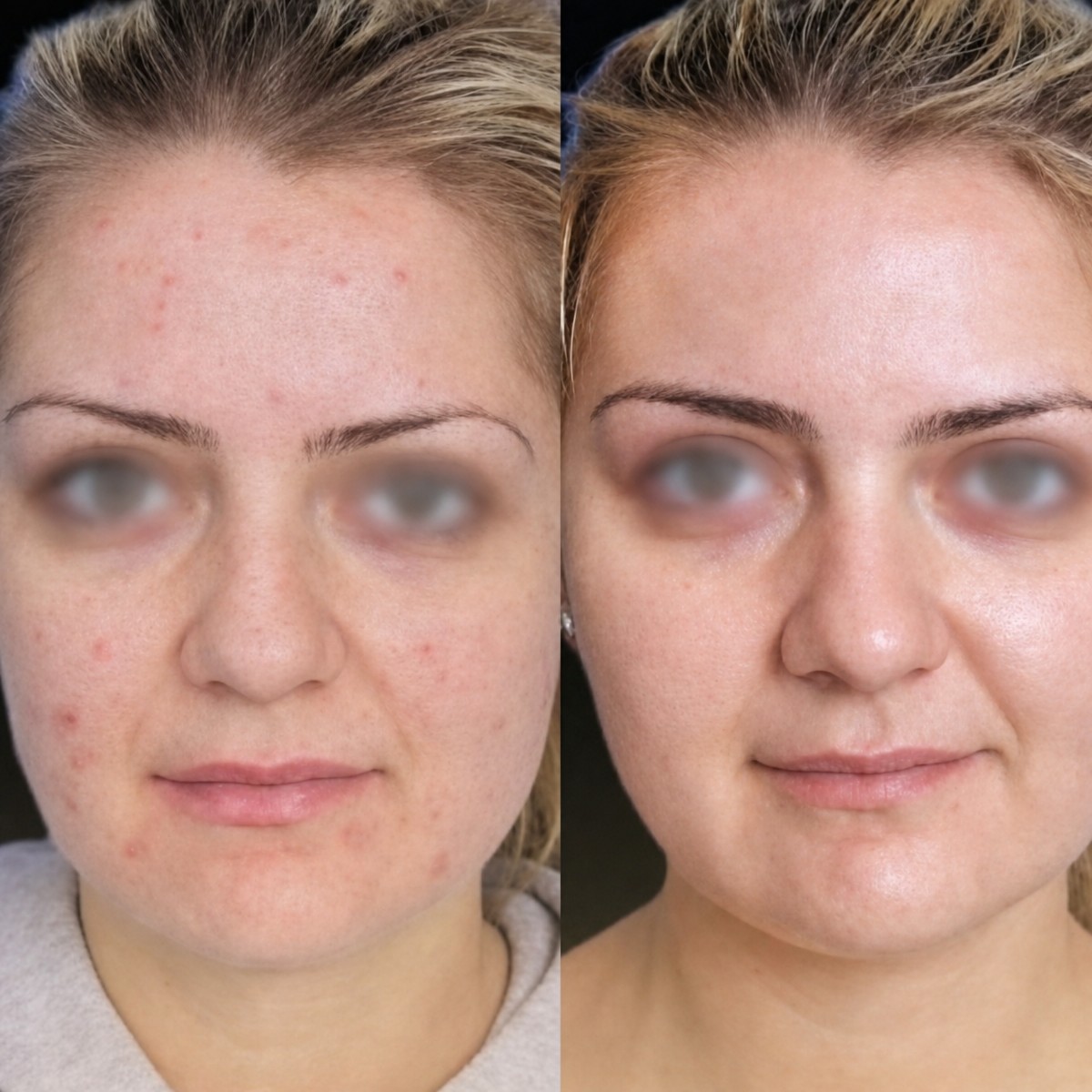
Todas las reseñasTratamiento de cicatrices de acné: Fotos de antes y después
Ver todos los Antes y Después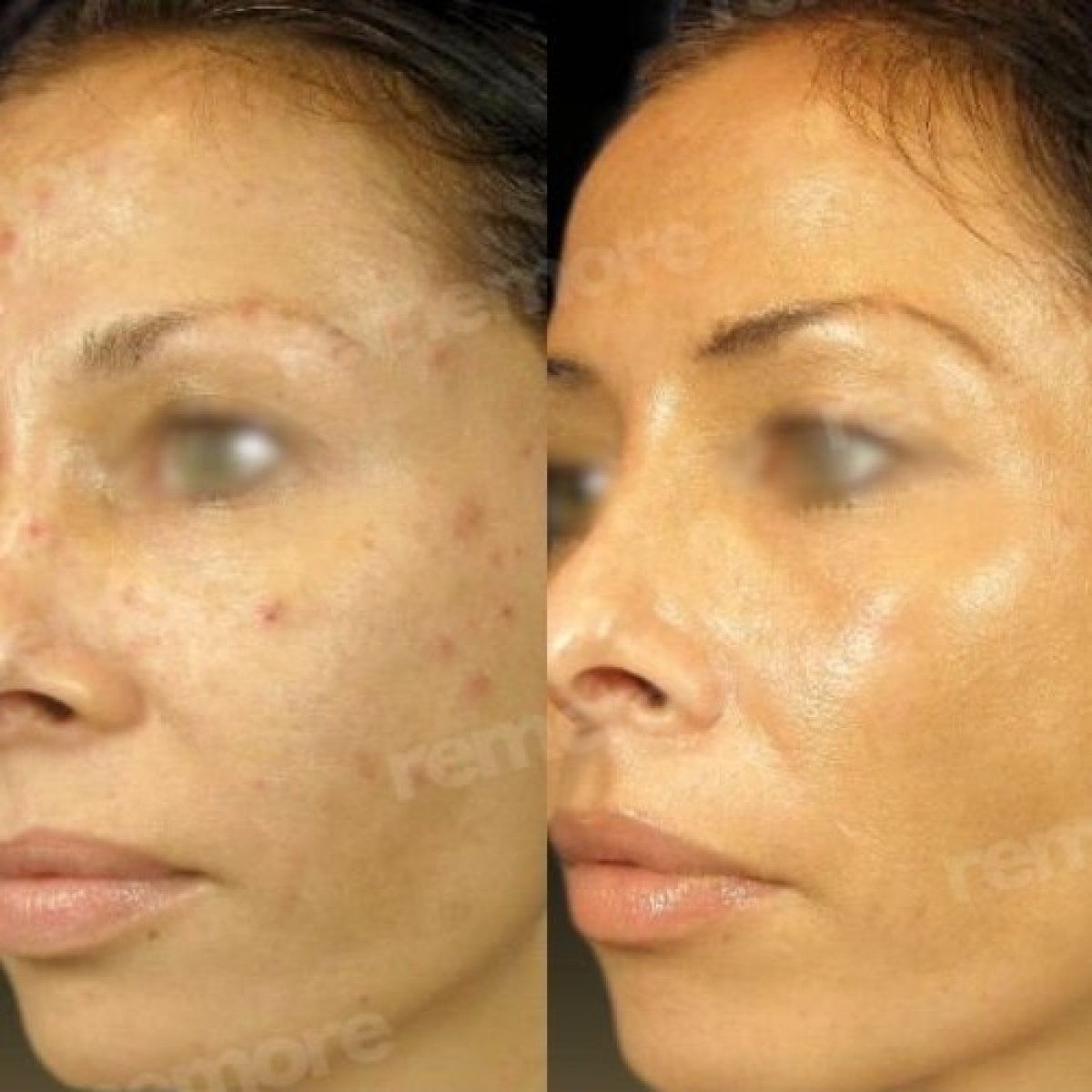
Compartir contenido
 Olena Sikoza
Preguntas frecuentes sobre Tratamiento de cicatrices de acné en Turquía
¿Es seguro el tratamiento de cicatrices de acné en Turquía y qué estándares médicos se siguen?
El tratamiento de cicatrices de acné en Turquía es seguro cuando se realiza en centros médicos autorizados por el Ministerio de Salud de Turquía. Las instalaciones de primer nivel mantienen la seguridad siguiendo los estándares de la Joint Commission International (JCI) y empleando dermatólogos o cirujanos certificados, capacitados en rejuvenecimiento láser avanzado y productos biológicos inyectables.
- Supervisión regulatoria: El Ministerio de Salud realiza inspecciones obligatorias en todas las clínicas médicas autorizadas.
- Cualificaciones de los especialistas: Los dermatólogos deben completar una residencia de 4 años y poseer certificación nacional.
- Acreditación de instalaciones: Hospitales premium como Memorial Sisli y Hisar Intercontinental poseen el prestigioso sello de oro de la JCI.
- Seguridad global: Cirujanos como la Dra. Leyla Arvas mantienen membresías en la International Society of Aesthetic Plastic Surgery.
Perspectiva del experto de Bookimed: Aunque muchos centros estéticos ofrecen terapia láser, la verdadera seguridad radica en elegir un hospital multidisciplinario. Los grandes centros como el Hospital Hisar o Memorial Bahcelievler integran la dermatología con departamentos quirúrgicos avanzados. Estas instalaciones tratan a más de 250,000 pacientes al año y brindan un respaldo de emergencia superior en comparación con los
¿Qué cicatrices pueden mejorarse realmente y qué resultados debo esperar?
La mayoría de las irregularidades de la piel, incluidas las cicatrices atróficas de acné, las cicatrices hipertróficas elevadas y los queloides, pueden mejorar significativamente en textura y color. Los pacientes suelen ver una reducción visible del 50% al 70% en las cicatrices atróficas después de 3 a 6 sesiones de rejuvenecimiento láser avanzado o microneedling en Turquía.
- Cicatrices atróficas: Los hoyos hundidos mejoran entre un 31% y un 84% utilizando láser CO2 o rellenos.
- Cicatrices elevadas: Los tipos hipertróficos y queloides se aplanan entre un 50% y un 100% con inyecciones de esteroides.
- Cronograma de tratamiento: Los resultados completos suelen aparecer después de 3 a 6 sesiones con semanas de diferencia.
- Período de recuperación: El enrojecimiento puede persistir durante 2 meses mientras los niveles de colágeno se reconstruyen gradualmente.
Perspectiva del experto de Bookimed: Los departamentos de dermatología turcos como los de Medipol Acıbadem a menudo utilizan protocolos multimodales porque los tratamientos de un solo método rara vez son suficientes para cicatrices complejas. Los datos muestran que combinar la subcisión mecánica con PRP autólogo o peelings de TCA genera una mayor satisfacción del paciente que el láser solo, especialmente para cicatrices profundas tipo boxcar o picahielo. Con costos que oscilan entre _op_875
¿Cuánto dura la recuperación y cuándo puedo volver a volar?
La recuperación tras un tratamiento de cicatrices de acné en Turquía suele implicar de 7 a 14 días de curación inicial, aunque la remodelación completa de la piel lleva de 4 a 8 semanas. La mayoría de los pacientes pueden volar a casa en un plazo de 10 a 14 días para minimizar los riesgos derivados de la presión en cabina y la posible formación de coágulos.
- Curación inicial: La mayor parte del enrojecimiento y la descamación disminuyen en un plazo de 7 a 14 días.
- Plazo para volar: Espere de 10 a 14 días después de un láser CO2 invasivo o una subcisión.
- Nivel de actividad: El regreso a un trabajo no extenuante suele ser posible en un plazo de 3 a 7 días.
- Remodelación completa: La piel continúa mejorando durante 4 a 8 semanas después del tratamiento.
Perspectiva de expertos de Bookimed: El rejuvenecimiento con láser y los peelings químicos profundos conllevan mayores riesgos durante los viajes aéreos en comparación con el microneedling. El aire reciclado de la cabina es extremadamente seco, lo que puede comprometer la barrera de humedad de la piel recién tratada y causar brotes dolorosos. Si se somete a un láser CO2 fraccionado en centros como Quartz Hospital o Medipol, asegúrese de tener un margen de 14 días antes de volar para permitir que la piel se selle correctamente.
Consenso de los pacientes: Los pacientes d
¿Soy un buen candidato y qué pruebas preoperatorias son necesarias?
Los candidatos ideales para el tratamiento de cicatrices de acné en Turquía son personas con buena salud general, expectativas realistas y condiciones médicas estables. Los requisitos clave incluyen no consumir nicotina para asegurar la cicatrización de la piel y haber eliminado cualquier infección cutánea activa antes de comenzar terapias de láser, subcisión o microneedling.
- Estabilidad médica: El control de la diabetes y la presión arterial es necesario para una regeneración cutánea segura.
- Estado de la piel: Los pacientes no deben tener acné quístico activo ni infecciones durante el tratamiento.
- Análisis de sangre requeridos: Un hemograma completo (CBC) detecta riesgos de infecciones subyacentes o anemia.
- Examen de salud: Los médicos pueden solicitar paneles metabólicos para evaluar la función renal y hepática.
Perspectiva del experto de Bookimed: Aunque muchas clínicas ofrecen tratamientos con láser, buscar un centro como el Hospital Quartz con especialistas certificados por la ISAPS garantiza experiencia en la combinación de tecnologías. La Dra. Leyla Arvas, por ejemplo, integra protocolos láser japoneses con técnicas VASER. Este enfoque especializado a menudo conduce a mejores resultados en la textura que los tratamientos de un solo método.
Consenso de los pacientes: Los pacientes destacan con frecuencia el
¿Qué restricciones de cuidados posteriores y tiempo de inactividad se aplican?
El cuidado posterior para el tratamiento de cicatrices de acné en Turquía generalmente requiere de 3 a 10 días de tiempo de inactividad social, dependiendo de la técnica utilizada. Los pacientes deben evitar la luz solar directa, usar humectantes de grado médico y evitar el ejercicio extenuante durante 2 semanas para garantizar una curación y regeneración de la piel óptimas.
- Cronograma de recuperación: El tiempo de inactividad visible dura de 5 a 10 días para peelings químicos profundos o láseres.
- Protección solar: Aplique FPS 50+ cada 2 horas durante 3 meses para prevenir la hiperpigmentación.
- Límites de actividad: Evite gimnasios, saunas y baños turcos durante 14 días para reducir el enrojecimiento.
- Rutina de cuidado de la piel: Evite el maquillaje durante 1 semana y utilice los kits de epitelización proporcionados por la clínica.
- Seguridad en viajes: Retrase los vuelos hasta 3 a 5 días después de la subcisión para evitar hematomas relacionados con la presión.
Perspectiva de expertos de Bookimed: Los especialistas turcos a menudo integran la terapia de luz LED o PRP en los paquetes estándar. Los datos muestran que estos complementos pueden reducir el tiempo de inactividad social a solo 3 a 7 días. Elegir un centro acreditado por la JCI como el Hospital Memorial Sisli garantiza que estos protocolos de recupera
¿Cuántas sesiones se requieren habitualmente y con qué frecuencia?
El tratamiento de cicatrices de acné en Turquía requiere normalmente de 3 a 5 sesiones para lograr resultados significativos. Los pacientes generalmente dejan pasar 6 semanas entre estas citas para permitir una correcta remodelación del tejido. Este cronograma evita complicaciones como la hiperpigmentación y asegura que la piel sane entre aplicaciones agresivas de láser o tratamientos químicos.
- Frecuencia de las sesiones: La mayoría de los protocolos sugieren esperar de 4 a 8 semanas entre tratamientos.
- Total de sesiones: La mayoría de los pacientes necesitan de 3 a 5 visitas para una reducción óptima de las cicatrices.
- Periodos de inactividad: Espere de 2 a 14 días de enrojecimiento dependiendo de la técnica.
- Combinaciones de tratamientos: Las clínicas a menudo realizan subcisión y láser juntos para reducir el número total de visitas.
Perspectiva del experto de Bookimed: Los dermatólogos turcos suelen utilizar protocolos combinados más agresivos en comparación con las clínicas de EE. UU. Al realizar la subcisión y el láser de CO2 en una sola visita, pueden lograr en 2 sesiones resultados que normalmente requieren 4 en otros lugares. Este enfoque es altamente eficiente para viajeros internacionales, pero requiere una ventana de recuperación completa de 14 días.
Consenso de los pacientes: Muchos pacientes consider
¿Tendré cicatrices visibles o cambios de pigmentación después del procedimiento?
Los tratamientos para cicatrices de acné en Turquía suelen dejar marcas permanentes mínimas, ya que los médicos utilizan técnicas avanzadas de rejuvenecimiento con láser y subcisión para suavizar la textura de la piel. Los pacientes experimentan un enrojecimiento temporal durante 2 semanas, mientras que los cambios leves de pigmentación generalmente se estabilizan hacia un tono de piel claro y uniforme en un plazo de 3 a 6 meses.
- Cronograma de curación: El enrojecimiento inicial desaparece en 14 días; el tono final de la piel se estabiliza a los 6 meses.
- Riesgo de pigmentación: La hiperpigmentación alcanza su punto máximo a los 3 meses, pero generalmente se resuelve con una protección solar estricta.
- Selección de técnica: Especialistas como la Dra. Leyla Arvas en el Quartz Hospital utilizan láseres específicos para minimizar el trauma.
- Seguridad del tratamiento: Las instalaciones acreditadas por la JCI en Estambul mantienen altos estándares de seguridad para prevenir infecciones post-tratamiento.
Perspectiva del experto de Bookimed: Las clínicas en Turquía, como el Anadolu Medical Center o el Quartz Hospital, a menudo combinan múltiples modalidades, como el láser CO2 fraccionado y PRP, en una sola visita. Los datos muestran que estos protocolos combinados logran una estabilización de la piel más rápida en comparación con los tratamiento