Neurología en Austria: las 9 mejores clínicas con opiniones de pacientes


Revisado médicamente por
Fahad Mawlood
¿Cuál es el precio de procedimientos de Neurología en Austria? Descubra ahora
La neurología en Austria suele costar entre $5,100 y $42,300. El gasto total depende de la afección neurológica específica, la necesidad de neurocirugía compleja o rehabilitación, y de si elige centros privados o públicos. Los pacientes que visitan desde EE. UU. a menudo pueden encontrar ahorros del 40-60% en procedimientos importantes.
Costos típicos de neurología en Austria
- Electromiografía: de $180
- Cirugía de estimulación cerebral profunda (DBS): $38,000 – $54,000
- Gamma Knife: $32,000 – $45,000
- Terapia con células madre: Precio a consultar
- Plasmaféresis: Precio a consultar
- Tratamiento quirúrgico de la epilepsia: Precio a consultar
- Tratamiento farmacológico para la epilepsia: Precio a consultar
- Ocrevus (ocrelizumab): Precio a consultar
- Terapia con células madre para el autismo: Precio a consultar
- Terapia con células madre para la parálisis cerebral: Precio a consultar
Viena, Graz e Innsbruck son los principales centros de atención neurológica en Austria. Si bien los estándares de atención siguen siendo altos en todo el país, las instalaciones en ciudades más pequeñas a veces pueden ser entre un 10 y un 20% más asequibles que las de la capital. Consulte con un especialista para obtener precios precisos para su caso específico.
| Austria | España | Turquía | |
|---|---|---|---|
| Terapia de caricias | ≈ $450 | ≈ $380 | de $150 |
| Terapia Vojta | ≈ $800 | ≈ $600 | de $230 |
| Rehabilitación en la cinta de correr Anti Gravity | ≈ $750 | ≈ $500 | ≈ $900 |
| Rehabilitación con traje espacial TheraSuit | ≈ $3,800 | ≈ $2,800 | ≈ $1,500 |
| Rehabilitación con Exoesqueleto | ≈ $4,200 | ≈ $1,800 | ≈ $1,800 |
Todas las enfermedades de Neurología
Sus beneficios y garantías con Bookimed
Precios directos
Bookimed no añade cargos extra a los precios de los tratamientos de Neurología. Las tarifas proceden de las listas de precios oficiales de las clínicas. Pagará directamente en la clínica por su tratamiento a su llegada al país.
Sólo clínicas y médicos verificados
Bookimed está comprometido con su seguridad. Solo trabajamos con las clínicas que mantienen altos estándares internacionales en el tratamiento de Neurología y tienen las licencias necesarias para atender a pacientes internacionales en todo el mundo.
Asistencia 24/7 gratuita
Bookimed ofrece asistencia experta gratuita. Un coordinador médico personal le apoya antes, durante y después del tratamiento, resolviendo cualquier problema. Nunca estará solo en su viaje médico de procedimientos de Neurología.

Su coordinador médico personal de Bookimed
- Le apoya en cada etapa
- Ayuda a elegir la clínica y el médico adecuados
- Asegura un acceso rápido y conveniente a la información
Descubra las mejores clínicas de Neurología en Austria: 9 opciones verificadas y Precios
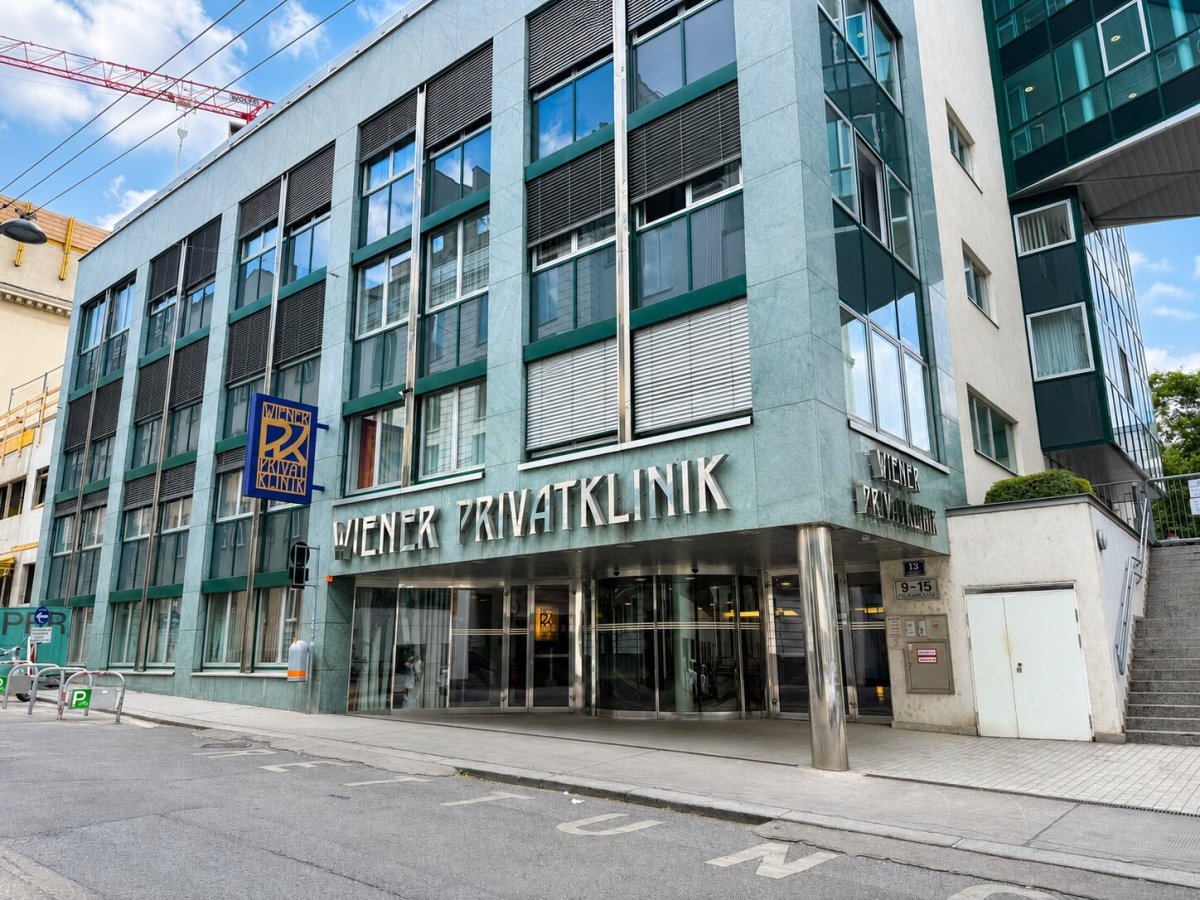






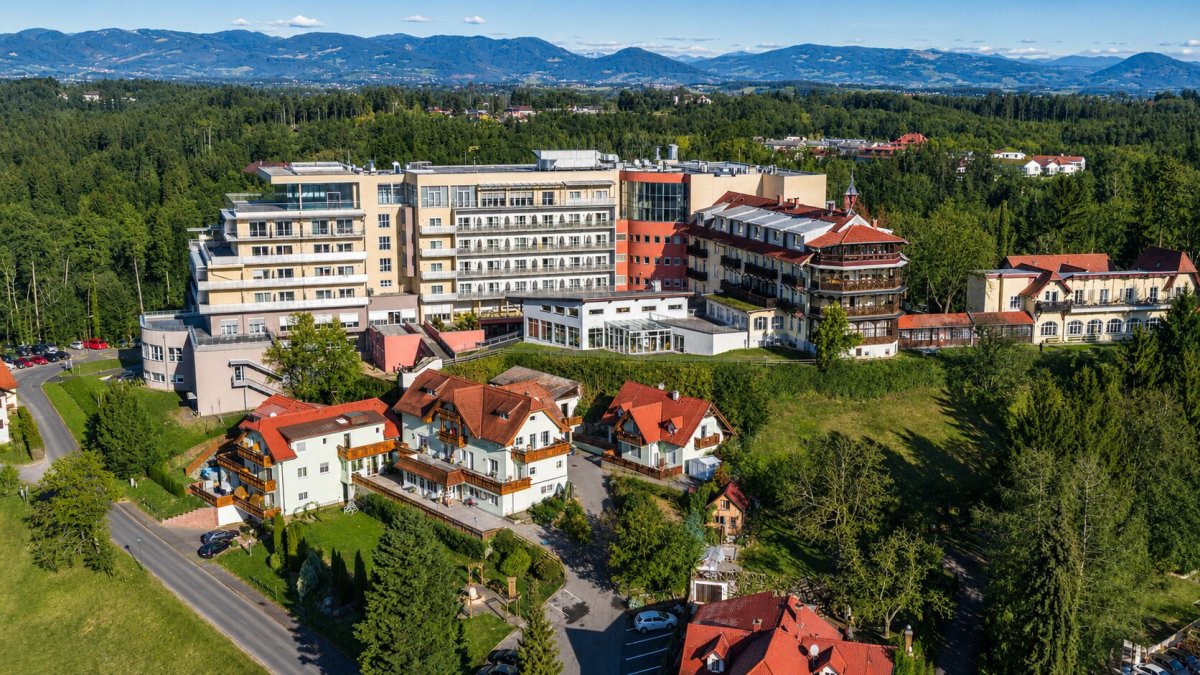
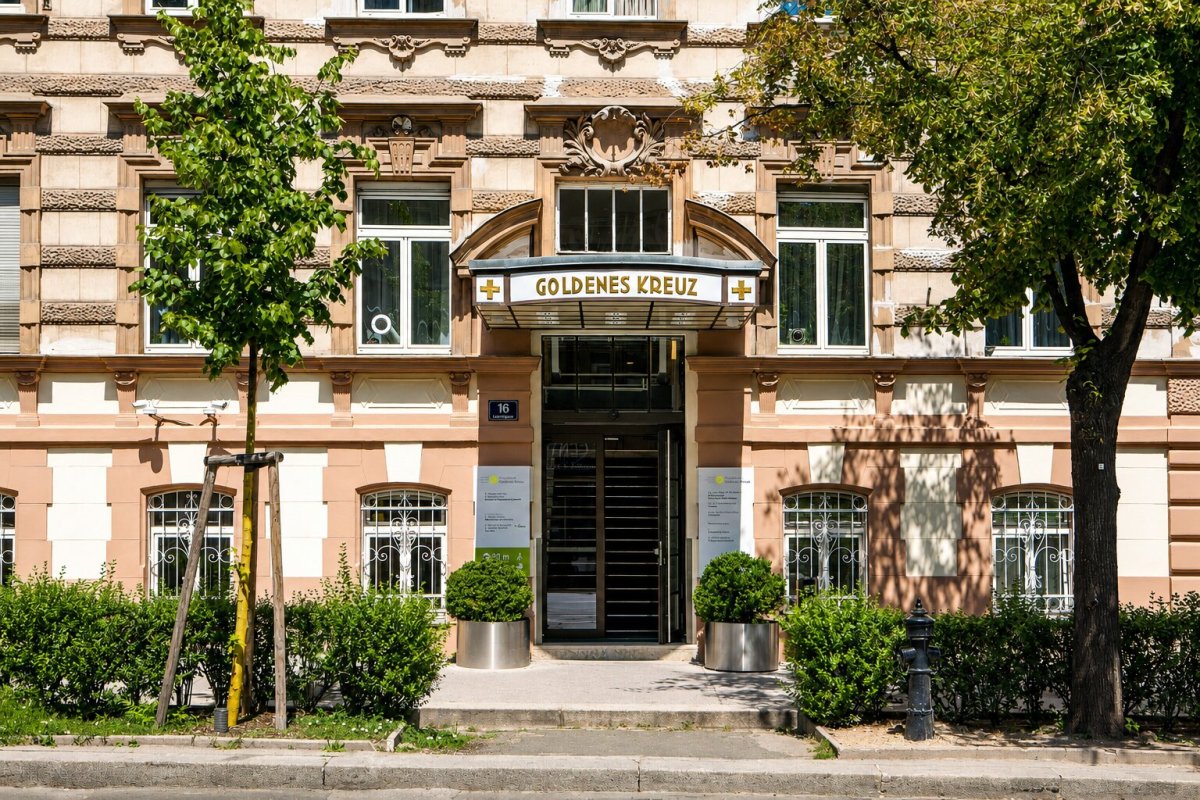
Confraternitaet & Goldenes Kreuz Private Hospital

Clínica Privada Leech
Los mejores centros médicos de Neurología en Austria
- Clínica privada Wiener (Wiener Privatklinik), Austria
- Vienna General Hospital, Austria
- Hospital Privado Lassnitzhöhe, Austria
- Confraternitaet & Goldenes Kreuz Private Hospital, Austria
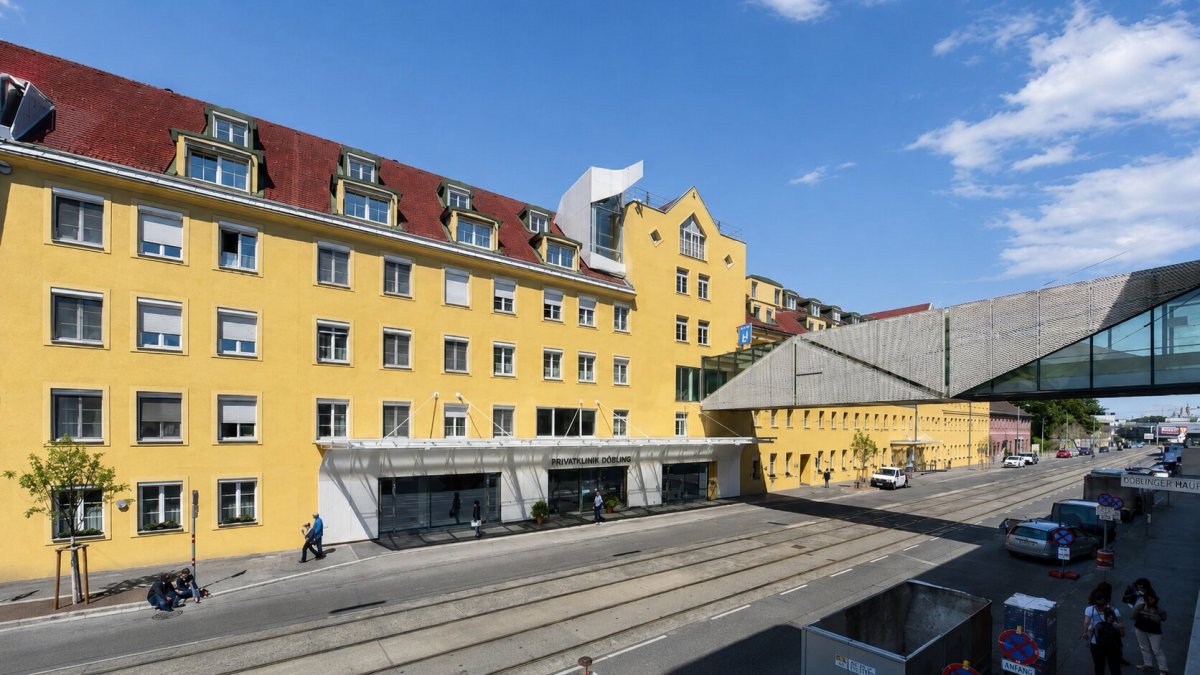
- Döbling Private Clinic, Austria
- Clínica Privada Leech, Austria
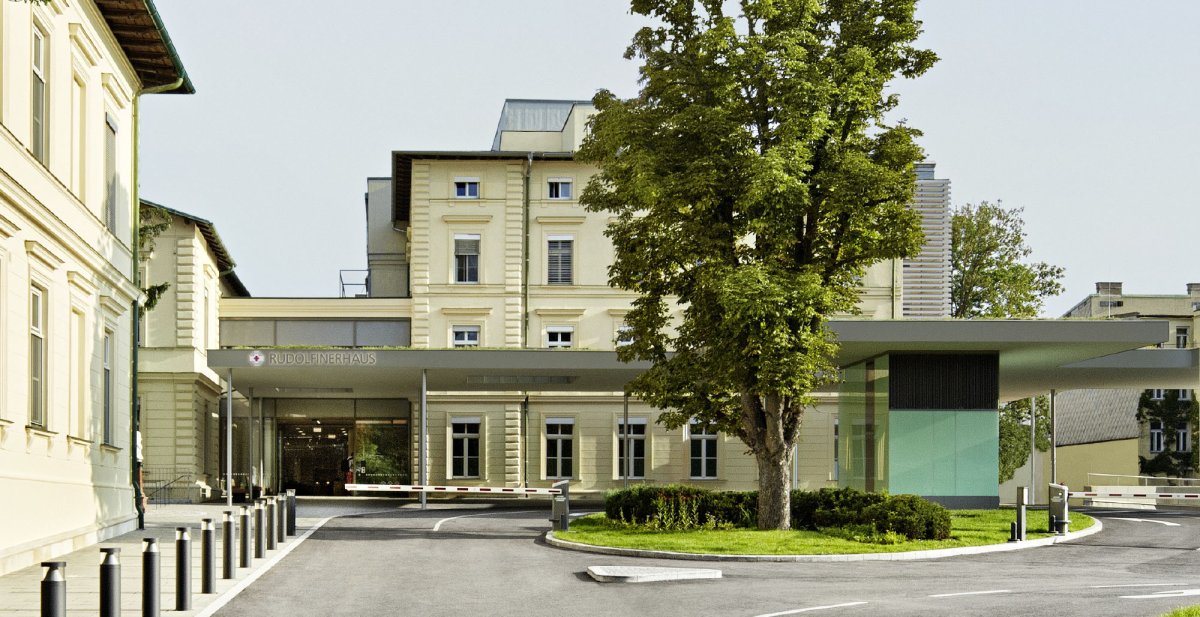
- Rudolfinerhaus, Austria
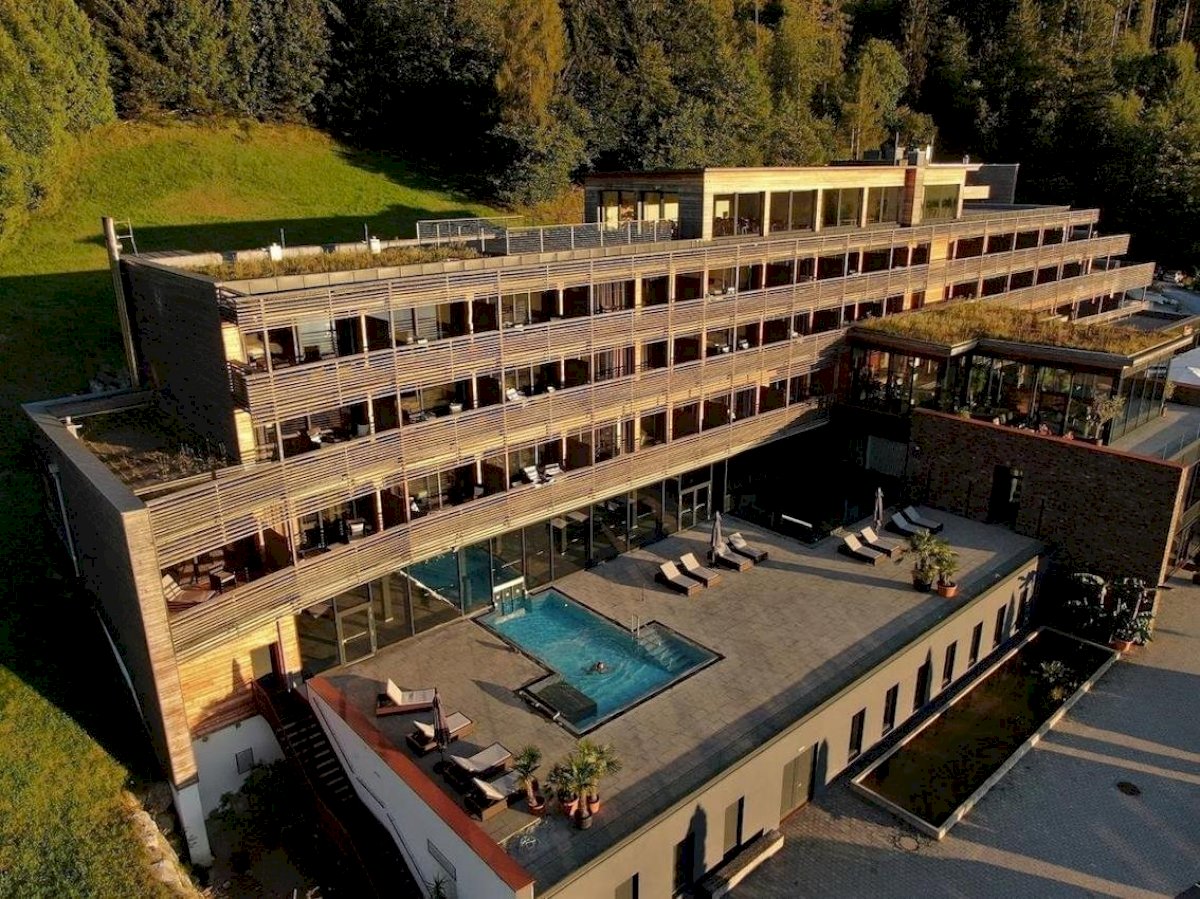
- Armona Medical Alpinresort, Austria
- Univ. Prof. Dr. Fahmy Aboulenein-Djamshidian, Facharzt für Neurologie, Austria
Obtenga una evaluación médica para en Austria: Elija su especialista entre los mejores en el campo
Ver todos los médicos
Fritz Leutmezer
El profesor Fritz Leutmezer ha participado en la elaboración de las guías de tratamiento de la EM en Europa y ha dirigido ensayos clínicos en el Hospital General de Viena, un centro de neurología líder.
- Especialista en afecciones neurológicas complejas como la EM y la epilepsia
- Profesor asociado en la Universidad de Medicina de Viena
- Investigador principal en ensayos clínicos internacionales
- Enfoque centrado en el paciente con explicaciones claras y empatía

Wilfried Lang
El Prof. Wilfried Lang es un neurólogo líder especializado en medicina del accidente cerebrovascular y enfermedades neurodegenerativas, con más de 30 años de labor pionera en Austria.
- Exjefe de Neurología del Hospital Barmherzige Brüder
- Experto en prevención de accidentes cerebrovasculares y neurodiagnóstico
- Profesor de la Universidad Médica de Viena
- Autor de numerosas publicaciones sobre el manejo del accidente cerebrovascular y la isquemia cerebral

Fritz Leutmezer
El Dr. Fritz Leutmezer dirige la Sociedad Austriaca de Esclerosis Múltiple y ha publicado más de 60 artículos de neurología, combinando tratamientos tradicionales con acupuntura para el dolor neuropático.
- Presidente de la Sociedad Austriaca de Esclerosis Múltiple
- Especialista en EM, epilepsia y trastornos del movimiento
- Integra la acupuntura para la neuralgia del trigémino y la parálisis del nervio facial
- Autor de un libro sobre EM, donando las ganancias a la investigación

Natalia Hauser
La Dra. Natalia Hauser se especializa en el diagnóstico y tratamiento de la esclerosis múltiple en el Hospital Privado Döbling.
- Neuróloga centrada exclusivamente en trastornos neurológicos
- Trabaja en un hospital privado líder en Viena
- Proporciona consulta experta y manejo para pacientes con EM
Reseñas
Todas las reseñasArtículos relacionados
Ver más
Los 10 mejores hospitales de neurología del mundo: Ranking de pacientes Bookimed
Escrito por Вероника Казина

Enfermedad de Alzheimer: avances terapéuticos, centros especializados y costos del tratamiento mundial
Escrito por Olena Sikoza

Terapia con células madre para el autismo: Todo lo que hay que saber
Escrito por Mariia Mytrofankina

Tasa de éxito de la terapia con células madre para la enfermedad de Parkinson: Resumen del procedimiento, resultados de la investigación y opiniones de los pacientes
Escrito por Mariia Mytrofankina

¿Cuánto cuesta la cirugía de epilepsia?
Escrito por Ana Hurevska
Compartir contenido
Historias en video de pacientes de Bookimed
 Olena Sikoza
Preguntas frecuentes sobre Neurología en Austria
¿Qué ciudades y hospitales austriacos se consideran los principales centros de atención neurológica avanzada?
Viena, Innsbruck y Graz son los principales centros neurológicos de Austria. Estas ciudades albergan importantes centros académicos, como el Hospital General de Viena (AKH), e instituciones privadas especializadas. Ofrecen tratamientos de vanguardia, como estimulación cerebral profunda, radiocirugía con bisturí gamma y neurorrehabilitación sofisticada para afecciones complejas.
- Viena (Centro principal): Incluye el AKH y el Hospital Privado de Viena, especializado en la enfermedad de Parkinson y la esclerosis múltiple.
- Innsbruck: El Hospital Universitario LKH Innsbruck es un centro de referencia reconocido para el estudio de enfermedades neurológicas raras.
- Graz: Incluye intervenciones académicas en el Hospital Universitario de Graz y diagnósticos especializados en la Clínica Privada Leech.
- Salzburgo: El Hospital Universitario de Salzburgo (PMU) destaca en el tratamiento quirúrgico de tumores cerebrales y de médula espinal.
Opinión experta de Bookimed: Los datos muestran una clara distinción entre los grandes centros académicos de Viena y sus clínicas privadas especializadas. Mientras que el AKH atiende a casi 600 000 pacientes al año y cuenta con un enorme potencial de investigación, instituciones privadas como la Wiener Privatklinik ofrecen un acceso más rápido a expertos de renombre como el Dr. Fritz Leutmeser. Los pacientes que buscan
¿Se reconoce a los centros neurológicos austriacos por su trato personalizado a los pacientes extranjeros?
Los centros neurológicos austriacos gozan de reconocimiento internacional por brindar atención multidisciplinaria e individualizada. Instituciones como la Wiener Privatklinik y el Hospital Privado Döbling van más allá de lo convencional, creando planes de tratamiento centrados en el paciente para afecciones complejas. Los especialistas suelen ocupar puestos académicos importantes en la Universidad Médica de Viena.
- Cualificaciones clínicas: Wiener Privatklinik y Döbling Private Hospital cuentan con las certificaciones ISO y JCI.
- Rehabilitación especializada: El hospital privado Lassnitzhöhe desarrolla programas individuales de rehabilitación tras un ictus o una lesión medular.
- Amplia experiencia: El Dr. Fritz Leutmeiser y el Dr. Wilfried Lang son reconocidos por sus investigaciones en el campo de las enfermedades neurodegenerativas.
- Apoyo internacional: Los hospitales vieneses ofrecen un entorno multilingüe y departamentos médicos internacionales especializados.
Opinión de expertos de Bookimed: Nuestros datos muestran que los hospitales privados austriacos, como Wiener Privatklinik, mantienen una alta proporción de médicos por paciente. Con más de 400 médicos y 130 camas, estas instituciones ofrecen un tiempo de consulta significativamente mayor que los principales centros europeos. Esto permite a los especialistas revisar el historial clí
¿Cómo se comparan los precios de los procedimientos neurológicos básicos en Austria y Estados Unidos?
Los procedimientos neurológicos mayores en Austria suelen costar entre un 30 % y un 60 % menos que en Estados Unidos. Las clínicas austriacas ofrecen atención médica de alta calidad a precios más bajos para pacientes privados. Los centros de Viena y Graz ofrecen precios transparentes y con todo incluido para pacientes internacionales. Estos paquetes suelen incluir los honorarios del cirujano, la anestesia y los gastos médicos.
- Rango de tratamiento: Los procedimientos neurológicos en Austria suelen oscilar entre _precio_desde_ y _precio_hasta_.
- Cirugía de la epilepsia: Los costos de la cirugía de la epilepsia oscilan entre Precio a consultar y Precio a consultar.
- Cirugía DBS: El costo de la cirugía de estimulación cerebral profunda (DBS) varía desde $38,000 hasta $54,000.
- Atención especializada: La Clínica Privada de Viena y el Hospital General de Viena (AKH) ofrecen servicios neuroquirúrgicos avanzados.
Opinión experta de Bookimed: Los datos muestran que los grandes centros académicos, como el Hospital General de Viena (AKH), atienden a más de 595.000 pacientes al año. Este alto volumen les permite mantener costes bajos gracias a la eficiencia institucional. Las clínicas privadas más pequeñas, como la Wiener Privatklinik, suelen centrarse en la atención personalizada con departamentos altamente especializados. La ele
¿Qué componentes se incluyen en un examen neurológico estándar para pacientes que ingresan?
Un examen neurológico estándar en Austria incluye una entrevista clínica, un examen físico detallado y pruebas diagnósticas. Especialistas como el Dr. Fritz Leutmeser evalúan los síntomas, el historial médico y los antecedentes familiares. Este proceso permite identificar problemas de coordinación, reflejos y función cognitiva mediante técnicas avanzadas de neuroimagen y diagnósticos basados en electroencefalograma (EEG).
- Entrevista clínica: La consulta incluye una revisión detallada del inicio de los síntomas y del historial médico.
- Examen físico: Los neurólogos comprueban los reflejos, la fuerza muscular, la marcha y los 12 nervios craneales.
- Imágenes diagnósticas: La resonancia magnética del cerebro o la columna vertebral cuesta desde Precio a consultar hasta Precio a consultar para la evaluación estructural.
- Estudios electrofisiológicos: El EEG evalúa la actividad cerebral y los costos varían desde $190 hasta $340 por sesión.
- Evaluación del ictus: Los grandes centros, como el Hospital General de Viena (VGH), utilizan protocolos especializados de evaluación del ictus según la escala NIHSS.
Opinión experta de Bookimed: Las clínicas con un alto compromiso académico, como la Vienna Privatklinik, ofrecen un acceso más rápido a diagnósticos complejos. Dado que muchos de sus más d
¿Es necesario dominar el alemán para recibir atención neurológica en las clínicas austriacas?
En Austria, no se requiere fluidez en alemán para recibir atención neurológica. La mayoría de los especialistas en clínicas privadas hablan inglés con fluidez. El personal de centros como la Wiener Privatklinik ofrece atención personalizada para eliminar las barreras lingüísticas. Muchos médicos también cuentan con cualificaciones internacionales o desempeñan funciones académicas en universidades de habla inglesa.
- Competencia lingüística de los especialistas: El profesor Dr. Fritz Leutmeiser y otros neurólogos destacados se comunican con fluidez en inglés.
- Asistencia clínica: La Clínica Privada de Viena y el Hospital Privado de Döbling ofrecen servicios especiales para pacientes internacionales.
- Estándares académicos: Los investigadores del Hospital General de Viena (AKH) publican con frecuencia sus investigaciones en revistas en inglés.
- Asistencia en traducción: Las instituciones privadas suelen coordinar la interpretación médica profesional para consultas de diagnóstico complejas.
Opinión experta de Bookimed: Los datos muestran una clara brecha entre la comunicación médica y la administrativa en Austria. Si bien el 100 % de los neurólogos más destacados, como el Dr. Wilfried Lang, son bilingües, el personal de apoyo en grandes instituciones como el Hospital General de Viena (AKH) utiliza principalmente el alemán para completar formulari
¿Cuál es la duración típica de la estancia hospitalaria para los procedimientos neurológicos estándar?
En Austria, los procedimientos neurológicos rutinarios suelen requerir una hospitalización de 1 a 7 días. Las evaluaciones diagnósticas a menudo se completan en 24 horas. Las intervenciones neurovasculares mínimamente invasivas generalmente requieren de 1 a 3 días de observación. Las cirugías mayores, como la extirpación de tumores o los procedimientos para la epilepsia, suelen requerir de 3 a 7 días.
- Procedimientos de diagnóstico: Los estudios de EEG y resonancia magnética (RM) suelen completarse el mismo día o al día siguiente.
- Cirugía neurovascular: La embolización endovascular y la colocación de stents generalmente requieren una estancia de 1 a 3 días.
- Neurocirugía compleja: La extirpación de tumores y la cirugía de la epilepsia suelen requerir de 3 a 7 días.
- Radiocirugía: Los procedimientos con bisturí gamma en centros como la Wiener Privatklinik suelen ser procedimientos ambulatorios.
Opinión de expertos de Bookimed: El volumen de pacientes influye significativamente en la eficiencia del alta en Viena. Los grandes centros, como el Hospital General de Viena (AKH), atienden a más de 595 000 pacientes al año. Este elevado volumen suele conllevar protocolos simplificados. Los pacientes de estos centros tienden a recibir el alta más rápidamente que en instituciones más pequeñas con menor volumen de pacientes.
Comentarios d
¿Qué requisitos logísticos se exigen a los turistas médicos que se someten a un tratamiento neurológico en Austria?
La atención neurológica en Austria requiere documentación médica especializada, seguro de viaje especializado y periodos de recuperación prolongados tras la cirugía. Los pacientes deben proporcionar informes de diagnóstico digitales, como resonancias magnéticas o tomografías computarizadas. La mayoría de los protocolos neurológicos en Austria recomiendan una estancia de 4 a 6 semanas para fisioterapia obligatoria y el seguimiento necesario.
- Historial médico: Proporcionar resonancias magnéticas, tomografías computarizadas y estudios de conducción nerviosa actualizados.
- Accesibilidad lingüística: Utilice clínicas como Wiener Privatklinik, que ofrecen un entorno multilingüe.
- Requisitos legales: Los ciudadanos de fuera de la UE generalmente necesitan un visado médico del espacio Schengen (visado C).
- Periodo de recuperación: Prepárese para permanecer de 4 a 6 semanas después de la cirugía para recibir fisioterapia intensiva.
- Contactos de emergencia: Utilice el 144 para solicitar una ambulancia o el 112 para emergencias generales.
Opinión experta de Bookimed: Los datos clínicos demuestran que las instituciones con gran número de camas, como el Hospital General de Viena (AKH) con 2200 camas, suelen funcionar como una ciudad dentro de la ciudad. Estos centros incluyen bancos y tiendas en sus instalaciones. Esta infraestr