Tratamiento de Tumor suprarrenal en Austria — obtenga 3 coincidencias personalizadas de clínicas


Revisado médicamente por
Fahad Mawlood
Cómo funciona
¿Cuál es el precio del diagnóstico y los tratamientos de Tumor suprarrenal en Austria? Descubra ahora
| Austria | España | Turquía | |
|---|---|---|---|
| Nefrectomía con Robot Da Vinci | ≈ $17,500 | de $24,700 | de $18,500 |
Descubra las mejores clínicas de tratamiento de Tumor suprarrenal en Austria: 2 opciones verificadas y Precios
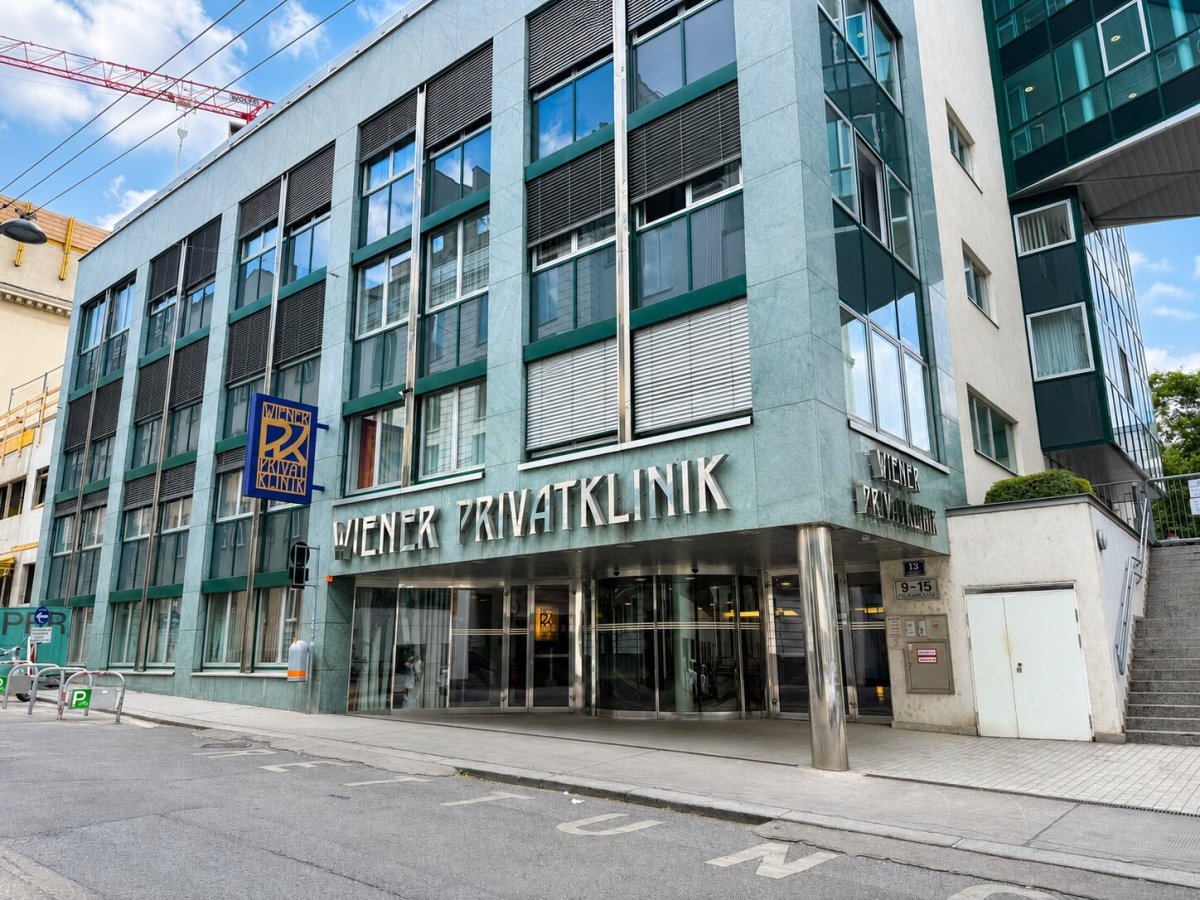






Obtenga una evaluación médica para Tumor suprarrenal en Austria: consulte con doctores experimentados ahora
Ver todos los médicos
Christoph Zielinski
Uno de los oncólogos más destacados de Austria, el Prof. Zielinski ha dado forma al tratamiento moderno del cáncer durante cuatro décadas. Actualmente dirige el Centro Internacional de Oncología de la Wiener Privatklinik.
- Dirigió el departamento de oncología más grande de Austria como jefe en el Hospital General de Viena
- Fundó y dirigió el Centro Oncológico Integral de Viena (CCC)
- Pionero en terapia individualizada contra el cáncer e investigación en inmuno-oncología
- Publicó extensamente en revistas líderes sobre el desarrollo de nuevos tratamientos
- Ex presidente del Grupo Cooperativo de Oncología de Europa Central (CECOG)

Klaus Kaczirek
El Prof. Klaus Kaczirek es un destacado cirujano endocrino con más de 25 años de experiencia, especializado en tumores suprarrenales en la Wiener Privatklinik.
- Experto en cirugía mínimamente invasiva de glándulas suprarrenales
- Ha publicado extensamente sobre la biología de los tumores endocrinos
- Ex subdirector de Cirugía General en el Hospital General de Viena
- Se centra en cánceres productores de hormonas

Wolfgang Köstler
El Prof. Dr. Wolfgang Köstler es un distinguido oncólogo médico austriaco especializado en terapias oncológicas dirigidas, con más de dos décadas de experiencia.
- Experto en cáncer de mama y neoplasias ginecológicas
- Profesor asociado en la Universidad Médica de Viena
- Se centra en la terapia sistémica individualizada contra el cáncer
- Activo en la investigación oncológica traslacional
Compartir contenido
Historias en video de pacientes de Bookimed
 Olena Sikoza
Preguntas frecuentes sobre el tratamiento de Tumor suprarrenal en Austria
¿Cuál es la diferencia entre un tumor suprarrenal funcional y uno no funcional?
La principal diferencia radica en la producción hormonal. Los tumores suprarrenales funcionales secretan activamente un exceso de hormonas al torrente sanguíneo. Esto altera el equilibrio químico y requiere intervención quirúrgica. Los tumores no funcionales no producen hormonas. A menudo se descubren de forma incidental durante un examen, y en estos casos, puede ser suficiente la observación.
- Actividad hormonal: Los tumores funcionales actúan como fábricas activas, produciendo un exceso de sustancias químicas.
- Factores que provocan síntomas: Las formaciones no funcionales solo causan dolor si presionan físicamente los órganos.
- Vía de diagnóstico: Los tipos funcionales se identifican mediante pruebas que detectan síntomas como la presión arterial alta.
- Manejo clínico: Para lesiones pequeñas e inactivas de menos de 4 cm, se prefiere la observación.
Opinión de expertos de Bookimed: Si bien muchos centros ofrecen cirugía general, las clínicas austriacas como la Wiener Privatklinik emplean a profesores de la Universidad Médica de Viena. Estos especialistas suelen utilizar el robot da Vinci para la adrenalectomía. Este enfoque robótico proporciona mayor precisión en los espacios reducidos que rodean las glándulas suprarrenales en comparación con la laparoscopia tradicional.
Opinión de los pacientes: Los pacientes enfati
¿Todos los tumores suprarrenales requieren cirugía inmediata?
Los tumores suprarrenales no siempre requieren cirugía inmediata. La mayoría son benignos e inactivos hormonalmente. Los médicos primero realizan análisis hormonales y estudios de imagen para determinar si es necesario extirparlos. La cirugía generalmente se reserva para tumores funcionales que producen un exceso de hormonas o para tumores de más de 4-5 centímetros.
- Evaluación hormonal: Los análisis de sangre y orina comprueban si hay exceso de cortisol, adrenalina o aldosterona.
- Tamaño umbral: Los tumores de más de 4 centímetros generalmente requieren extirpación debido al riesgo de transformación maligna.
- Vigilancia: Las clínicas realizan un seguimiento de los tumores pequeños e inactivos mediante estudios de imagen cada 6 a 12 meses.
- Abordaje quirúrgico: Centros especializados como la Wiener Privatklinik utilizan técnicas mínimamente invasivas como el sistema Da Vinci.
Opinión de expertos de Bookimed: En Austria, la cirugía endocrina se concentra principalmente en torno a destacados especialistas académicos. El Dr. Klaus Kacirek, de la Clínica Privada de Viena, ocupa un puesto de liderazgo en el Hospital General de Viena y, al mismo tiempo, ejerce en la práctica privada. Esta doble afiliación permite a los pacientes acceder a un tratamiento personalizado sin perder la seguridad interdisciplinaria que ofrece un entorno universitario de
¿Qué procedimientos quirúrgicos avanzados para la extirpación de tumores suprarrenales están disponibles en Austria?
Las clínicas austriacas ofrecen técnicas mínimamente invasivas de vanguardia para la extirpación de tumores suprarrenales. Estas incluyen la adrenalectomía retroperitoneoscópica (RPE) y la cirugía robótica con el sistema da Vinci. Los especialistas de centros como la Wiener Privatklinik priorizan las resecciones parciales, preservando la función suprarrenal. Estas técnicas garantizan una recuperación más rápida y una mayor precisión.
- Sistemas robóticos: Los cirujanos utilizan los robots da Vinci para mejorar la visualización en 3D y lograr una mayor precisión.
- Abordaje retroperitoneoscópico: la resección mediante un abordaje posterior evita daños en la cavidad abdominal en tumores benignos de menos de 6 centímetros.
- Preservación suprarrenal: La adrenalectomía parcial permite preservar el tejido sano y evita la terapia de reemplazo hormonal de por vida.
- Personal cualificado: Los procedimientos se realizan bajo la supervisión de cirujanos endocrinólogos experimentados, como el profesor Klaus Kacirek.
Opinión de expertos de Bookimed: Si bien existen tratamientos robóticos, en Austria el activo más valioso es la jerarquía académica. Muchos cirujanos destacados del Hospital Privado de Viena también ocupan puestos de responsabilidad en la Universidad Médica de Viena. Este sistema de doble titulación garantiza a los pacientes experiencia quirúrg
¿Quiénes son los principales especialistas austriacos en el tratamiento de tumores suprarrenales?
Entre los principales especialistas austriacos en enfermedades suprarrenales se encuentran el Dr. Klaus Kacirek, especialista en cirugía mínimamente invasiva, y el Dr. Christoph Zelinski, especialista en tumores malignos. Estos expertos trabajan en la Clínica Privada de Viena y en el Hospital General de Viena. Cuentan con importantes certificaciones de la Sociedad Europea de Cirujanos Endocrinos y de la Sociedad Europea de Oncología Médica.
- El Dr. Klaus Kacirek se especializa en cirugía suprarrenal mínimamente invasiva en la Wiener Privatklinik.
- El Dr. Christoph Zielinski trata casos complejos de cáncer de glándulas suprarrenales en el Centro Internacional del Cáncer.
- El Dr. Wolfgang Köstler está especializado en terapias oncológicas dirigidas y en el desarrollo de planes de tratamiento individualizados para enfermedades suprarrenales.
- Enfoque multidisciplinario del tratamiento: los centros combinan endocrinología quirúrgica, oncología y terapia hormonal.
Opinión de expertos de Bookimed: Los pacientes que buscan tratamiento para enfermedades suprarrenales en Viena disfrutan de una ventaja única, ya que los especialistas más destacados suelen tener una doble titulación. Profesores como el Dr. Klaus Kacirek dirigen departamentos en la Universidad Médica de Viena y, al mismo tiempo, atienden a pacientes privados en la Clínica Privada de Vien
¿Cuál es el tratamiento quirúrgico estándar para un tumor suprarrenal?
El tratamiento quirúrgico estándar para los tumores suprarrenales es la adrenalectomía. Los cirujanos extirpan una o ambas glándulas suprarrenales. Las técnicas mínimamente invasivas son el método de referencia para tumores benignos pequeños. Los tumores grandes o malignos requieren cirugía abierta. Este método preserva la función hormonal siempre que sea posible.
- Adrenalectomía mínimamente invasiva: cirugía laparoscópica o robótica para tumores benignos de menos de 10 cm.
- Adrenalectomía abierta: se prefiere para lesiones grandes o sospecha de cáncer de la corteza suprarrenal.
- Abordaje retroperitoneoscópico: los cirujanos acceden a la glándula por la espalda para evitar entrar en la cavidad abdominal.
- Cirugía de tiroides: La extirpación parcial preserva el tejido sano y la producción de hormonas vitales.
Opinión experta de Bookimed: En Austria, la experiencia clínica se concentra principalmente en manos de cirujanos de renombre de instituciones académicas. El Dr. Klaus Kacirek, de la Clínica Privada de Viena, es vicepresidente de uno de los hospitales universitarios más grandes de Europa. Esta relación permite a los pacientes acceder a investigación de nivel universitario en un entorno privado. Instituciones como la Clínica Privada de Viena combinan una alta precisión quirúrgica con tecnología robótica, reduciendo el tiempo de recuperació
¿Qué hacer si la cirugía no es posible en casos de cáncer suprarrenal avanzado o maligno?
Cuando la intervención quirúrgica no es posible, el tratamiento del cáncer suprarrenal avanzado incluye terapias sistémicas y locales. El tratamiento se centra en controlar el crecimiento tumoral mediante monoterapia con mitotano o quimioterapia combinada. Centros especializados en Viena utilizan terapia dirigida e inmunoterapia para combatir las células malignas en todo el cuerpo.
- Terapia sistémica: El mitotano destruye las células suprarrenales y bloquea eficazmente la producción excesiva de hormonas.
- Quimioterapia combinada: El régimen EDP-M combina mitotano con tres fármacos oncológicos intravenosos.
- Tratamiento dirigido: Los especialistas utilizan tratamientos sistémicos individualizados contra el cáncer e inmunoterapia basada en biomarcadores.
- Control local: La radioterapia y la ablación térmica reducen el tamaño de las metástasis para aliviar el dolor.
Opinión de expertos de Bookimed: Los pacientes que buscan tratamiento no quirúrgico en Austria se benefician de una colaboración de alto nivel con instituciones académicas. Clínicas como la Wiener Privatklinik ofrecen acceso directo a profesores de la Universidad Médica de Viena. Esto garantiza que incluso los casos inoperables sean tratados por equipos interdisciplinarios, que pueden derivar al paciente a cirugía si la terapia sistémica reduce con éxito el tamaño del tumor.
<
¿Cuál es el periodo de recuperación típico tras una cirugía de glándulas suprarrenales en Austria?
El periodo de recuperación tras una cirugía laparoscópica o robótica mínimamente invasiva oscila entre 1 y 4 semanas. Los pacientes suelen permanecer hospitalizados de 1 a 3 días. La cirugía abierta requiere un periodo de recuperación más prolongado: de 4 a 6 semanas. La cicatrización interna y la estabilización hormonal pueden tardar hasta 12 semanas.
- Duración de la estancia hospitalaria: Para una cirugía suprarrenal laparoscópica o robótica en Viena, la estancia prevista oscila entre 1 y 3 días.
- Reanudación del horario de actividades: Las actividades ligeras y el trabajo de oficina suelen reanudarse en un plazo de 1 a 2 semanas.
- Restricciones físicas: Evite levantar pesas de más de 10 kilogramos durante 6 semanas para permitir la cicatrización de los tejidos.
- Estabilización hormonal: Los pacientes con tumores productores de hormonas pueden requerir de 6 a 12 semanas para lograr el equilibrio endocrino.
Opinión de expertos de Bookimed: Elegir a un especialista como el profesor Klaus Kacirek de la Wiener Privatklinik ofrece una clara ventaja. Su doble especialización en cirugía endocrina y laparoscopia moderna garantiza una precisión quirúrgica adecuada para tratamientos hormonales complejos. Este enfoque integral suele conducir a una estabilización más rápida de los pacientes con síndrome de Cushing o síndrome de Conn.
Com