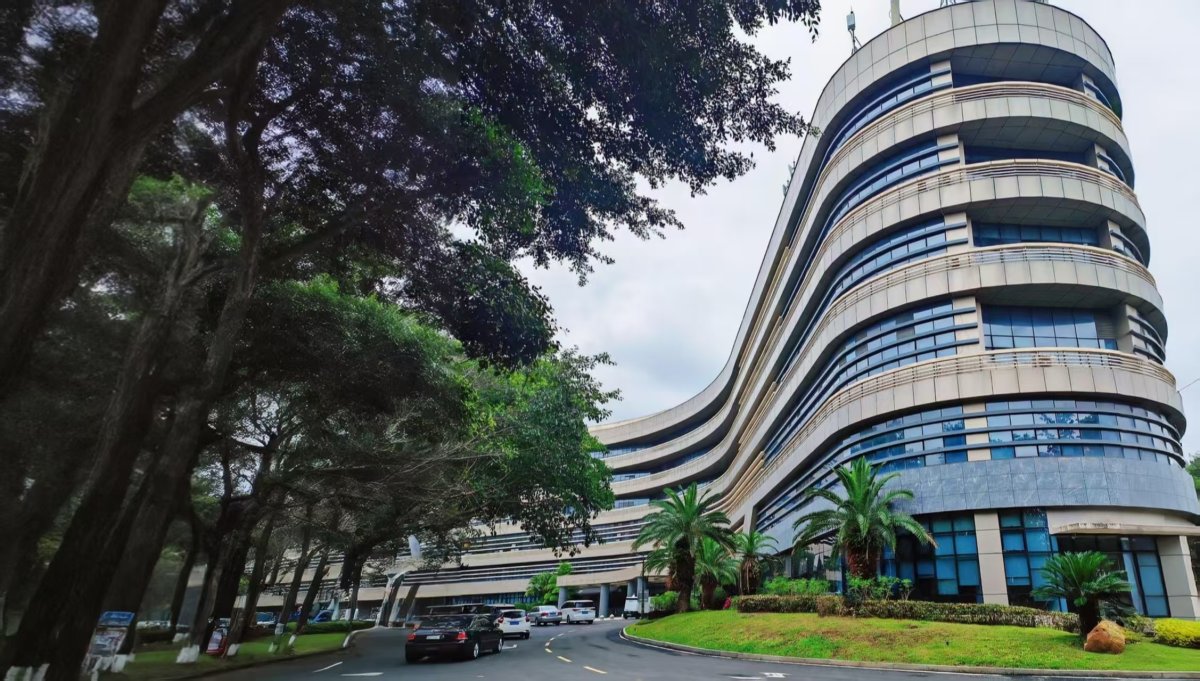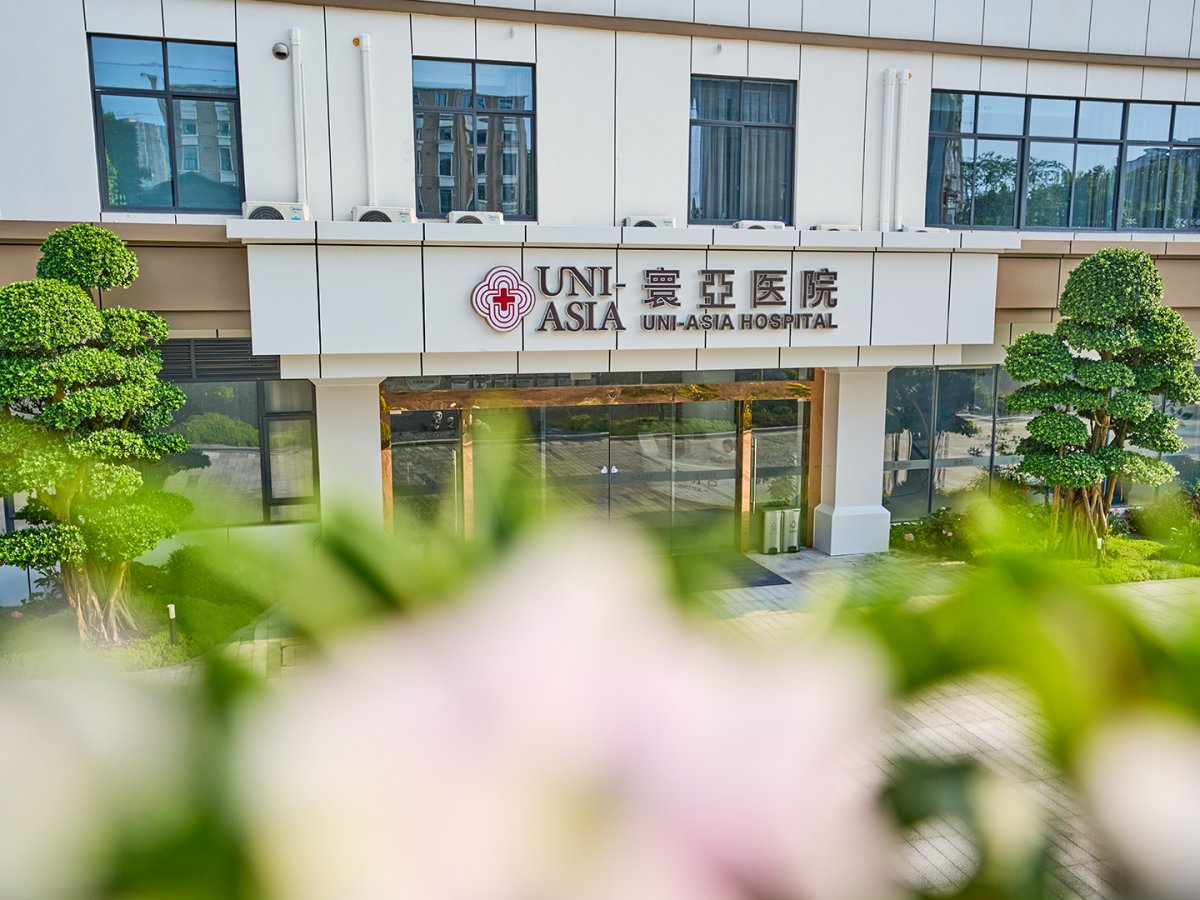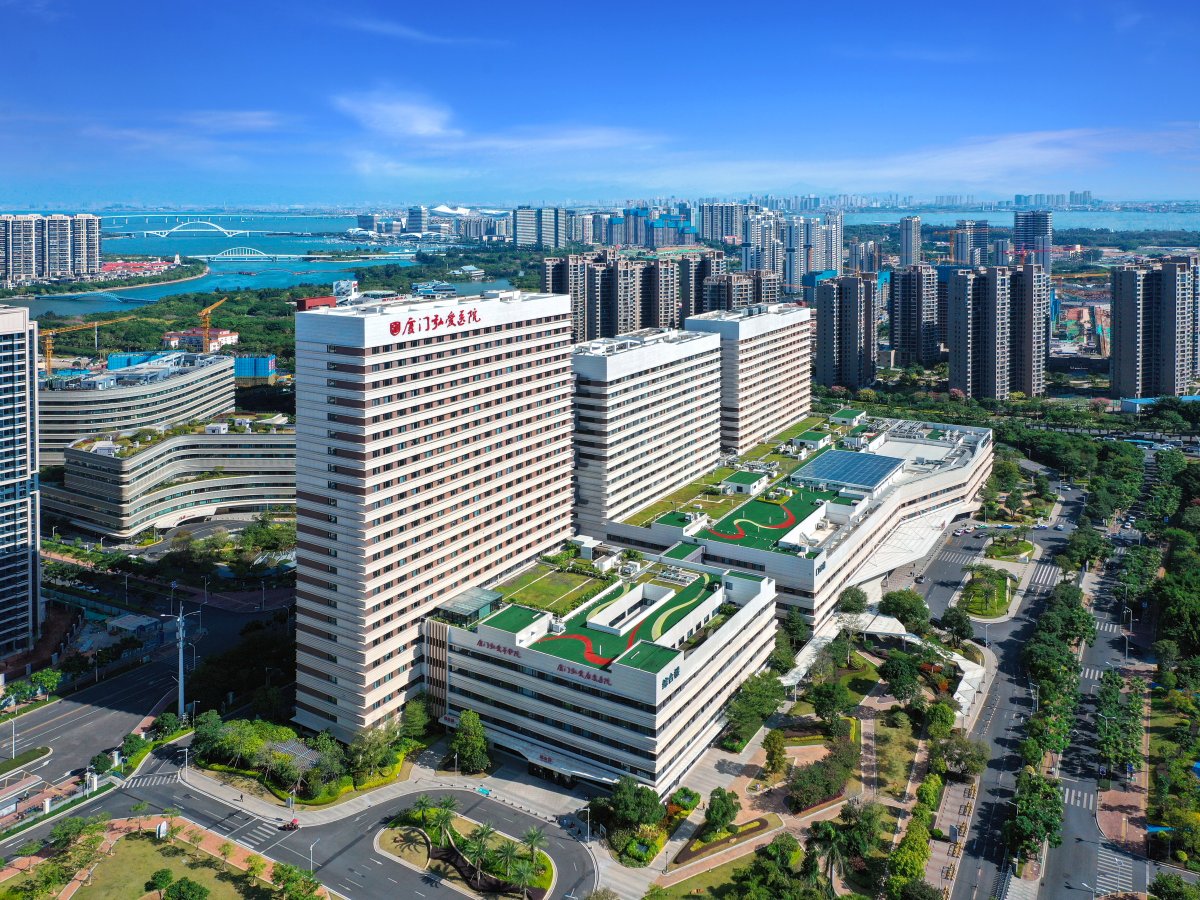
Hospital Xiamen Humanity
China, Xiamen


Revisado médicamente por
Fahad Mawlood
| China | España | Turquía | |
|---|---|---|---|
| Nefrectomía con Robot Da Vinci | ≈ $14,000 | de $24,600 | de $18,500 |
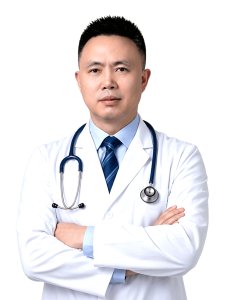
Médico jefe y profesor. Experto de nivel 1 en el Centro Oncológico del West China Hospital, Sichuan University (clasificado n.º 2 en China). Completó un posdoctorado en radiología intervencionista en el Chinese PLA General Hospital. Dirige equipos multidisciplinarios (MDT) para tumores complejos. Experto en oncología intervencionista mínimamente invasiva para cánceres de hígado, pulmón y páncreas.
Acreditaciones: Miembro del consejo, WATA. Miembro de los comités de CACA y CMDA sobre in

El Dr. He Weibing es pionero de la crioablación con argón‑helio en China, con más de 20 años de práctica en primera línea. Fue miembro fundador del Hospital Oncológico Fuda (Guangzhou). Cofundó su Centro de Tratamiento Tumoral Mínimamente Invasivo y fue subdirector ejecutivo. También ayudó a crear el Grupo de Ablación de la Asociación China contra el Cáncer. Ha sido operador principal en más de 10.000 procedimientos.
Se especializa en crioablación tumoral y domina la braquiterapia con

El profesor Luo Xiaoping es un radiólogo intervencionista reconocido a nivel nacional y una autoridad destacada en el oeste de China. Comenzó a realizar intervenciones vasculares pioneras a principios de la década de 1990. Ayudó a fundar el Grupo de Intervencionismo del Segundo Hospital Afiliado de la Universidad Médica de Chongqing.
Ha realizado más de 100 000 procedimientos intervencionistas, incluidos unos 4 000 casos complejos. Sus competencias clave incluyen TACE para el carcinoma

El profesor Xiao Yueyong es médico jefe del Departamento de Radiodiagnóstico del Hospital General del EPL de China. Es un experto líder en oncología intervencionista mínimamente invasiva. Es el primer presidente de WATA (2025–). Preside la Sociedad Internacional (2020–) y la Sociedad Asiática (2012–) de Crioterapia. También es subjefe del Grupo de Expertos de la NHC sobre regulaciones de ablación tumoral (2009–).
Ha realizado más de 100 000 procedimientos mínimamente invasivos guiados
 Olena Sikoza
Los hospitales terciarios chinos tratan tanto los tumores suprarrenales funcionales como los no funcionales. Los centros especializados utilizan protocolos clínicos estandarizados para la evaluación hormonal y el riesgo de malignidad. Los tumores funcionales suelen requerir intervención quirúrgica. Las masas no funcionales a menudo se controlan mediante vigilancia activa. Los principales centros médicos emplean cirugía laparoscópica asistida por robot y crioblación avanzada.
Opinión de expertos de Bookimed: El volumen de pacientes suele ser un indicador de la competencia quirúrgica en China. El Xiamen Humanity Hospital atiende a 1.000.000 de pacientes al año en 47 departamentos. Este enorme volumen de casos permite a los equipos quirúrgicos adquirir experiencia con casos suprarrenales raros. Los centros de alto volumen a menudo proporcionan un flujo hospitalario más rá
La adrenalectomía mínimamente invasiva está ampliamente disponible en toda China en hospitales terciarios y centros universitarios. La cirugía laparoscópica convencional es ahora el estándar de atención para la mayoría de los tumores suprarrenales benignos. Los centros líderes en ciudades importantes como Xiamen y Guangzhou ofrecen cirugía asistida por robot utilizando sistemas Da Vinci avanzados.
Perspectiva del experto de Bookimed: El volumen de pacientes de un hospital es una señal de calidad más fuerte que la tecnología específica utilizada. El Xiamen Humanity Hospital trata a 1.000.000 de pacientes al año y mantiene 47 departamentos clínicos. Este alto flujo de pacientes generalmente garantiza que los cirujanos manejen casos suprarrenales complejos con más frecuencia que en centros regionales más pequeños. Al elegir un centro, priorice los hospitales terciarios de alto volumen donde los equipos d
El manejo perioperatorio de alto riesgo para los tumores suprarrenales funcionales requiere una optimización especializada específica para cada hormona. Los equipos clínicos priorizan el bloqueo alfa-adrenérgico para los feocromocitomas con el fin de estabilizar la presión arterial. Los tumores productores de cortisol requieren dosis de estrés de glucocorticoides. Los cirujanos utilizan plataformas robóticas como da Vinci para obtener precisión durante la manipulación del tumor y evitar crisis hemodinámicas.
Perspectiva del experto de Bookimed: El Hospital Xiamen Humanity atiende a más de 1.000.000 de pacientes al año en 47 departamentos. Este alto volumen permite una estrecha coordinación entre los equipos de oncología y endocrinología. Los datos muestran que la planificación preoperatoria integrada es vital cuando se utiliza el robot da Vinci. Esto garantiza q
Los hospitales reconocidos en China para el cuidado de tumores suprarrenales incluyen el Peking Union Medical College Hospital (PUMCH), el Hospital Ruijin y el Guangzhou Fuda Cancer Hospital. Estas instituciones terciarias de Clase A brindan tratamiento multidisciplinario. Integran experiencia en endocrinología, urología y oncología para casos complejos. Muchos utilizan sistemas robóticos avanzados y técnicas mínimamente invasivas.
Perspectiva del experto de Bookimed: El Xiamen Humanity Hospital destaca por su enorme escala y enfoque en la investigación. Atiende a 1.000.000 de pacientes al año y gestiona 47 departamentos clínicos simultáneamente. Este alto volumen a menudo se correlaciona con una eficiencia quirúrgica refinada para procedimientos abdominales complejos. Los pacientes se benefician de un sistema diseñado para un alto rend
Los tratamientos no quirúrgicos avanzados para tumores suprarrenales en China se centran en la ablación térmica guiada por imagen y las intervenciones vasculares dirigidas. Estas técnicas mínimamente invasivas destruyen el tejido tumoral preservando los órganos sanos. Los principales hospitales chinos utilizan la crioablación, la ablación por microondas y la embolización arterial para tratar de forma segura las lesiones endocrinas activas o metastásicas.
Opinión de los expertos de Bookimed: Aunque los sistemas robóticos quirúrgicos como Da Vinci están disponibles en centros como el Hospital Xiamen Humanity, la ablación no quirúrgica en China requiere una experiencia en radiología intervencionista muy específica. Los grandes hospitales terciarios que atienden a más de 1.000.000 de pacientes al año suelen ofrecer los equipos multidisciplinares más sólidos. Esto
Los departamentos de pacientes internacionales en los hospitales chinos brindan un apoyo lingüístico y logístico integral para el tratamiento de tumores suprarrenales. Los servicios incluyen traducción médica durante las consultas y cartas de invitación para visas. Los hospitales también organizan traslados al aeropuerto y coordinan el alojamiento local cerca de importantes instalaciones médicas como el Xiamen Humanity Hospital.
Opinión de expertos de Bookimed: El Xiamen Humanity Hospital atiende a más de 1.000.000 de pacientes al año y presta servicios a regiones desde Europa hasta Asia. Este alto volumen permite que sus 47 departamentos agilicen la atención para casos internacionales. Los pacientes a menudo encuentran un mejor apoyo en instalaciones de gran escala en comparación con centros regionales más pequeños.
Consenso d