Ir a inicio
820К+ pacientes han recibido asistencia desde 2014
50 países
1,500 clínicas
6K+ reseñas
3K+ médicos calificados

¿Cuál es el precio del diagnóstico y los tratamientos de Complicación post-infarto de miocardio en Austria? Descubra ahora

El precio se proporciona bajo petición

Sus beneficios y garantías con Bookimed

Precios directos

Bookimed no añade cargos extra a los precios de los tratamientos de Complicación post-infarto de miocardio. Las tarifas proceden de las listas de precios oficiales de las clínicas. Pagará directamente en la clínica por su tratamiento a su llegada al país.

Sólo clínicas y médicos verificados

Bookimed está comprometido con su seguridad. Solo trabajamos con las clínicas que mantienen altos estándares internacionales en el tratamiento de Complicación post-infarto de miocardio y cuentan con las licencias necesarias para atender a pacientes internacionales en todo el mundo.

Asistencia 24/7 gratuita

Bookimed ofrece asistencia experta gratuita. Un coordinador médico personal le apoya antes, durante y después de su tratamiento, resolviendo cualquier problema. Nunca estará solo en su viaje médico de tratamiento de Complicación post-infarto de miocardio.

¿Por qué nosotros?

Su coordinador médico personal de Bookimed

  • Le apoya en cada etapa
  • Ayuda a elegir la clínica y el médico adecuados
  • Asegura un acceso rápido y conveniente a la información

Descubra las mejores clínicas de tratamiento de Complicación post-infarto de miocardio en Austria: 1 opciones verificadas y Precios

El ranking de clínicas de Bookimed se basa en algoritmos de data science, ofreciendo una comparación confiable, transparente y objetiva. Tiene en cuenta la demanda de pacientes, las puntuaciones de reseñas (positivas y negativas), la frecuencia de actualización de opciones de tratamiento y precios, la rapidez de respuesta y las certificaciones de las clínicas.

Obtenga una evaluación médica para Complicación post-infarto de miocardio en Austria: consulte con doctores experimentados ahora

Ver todos los médicos
verificado

Christoph Kopp

25 años de experiencia

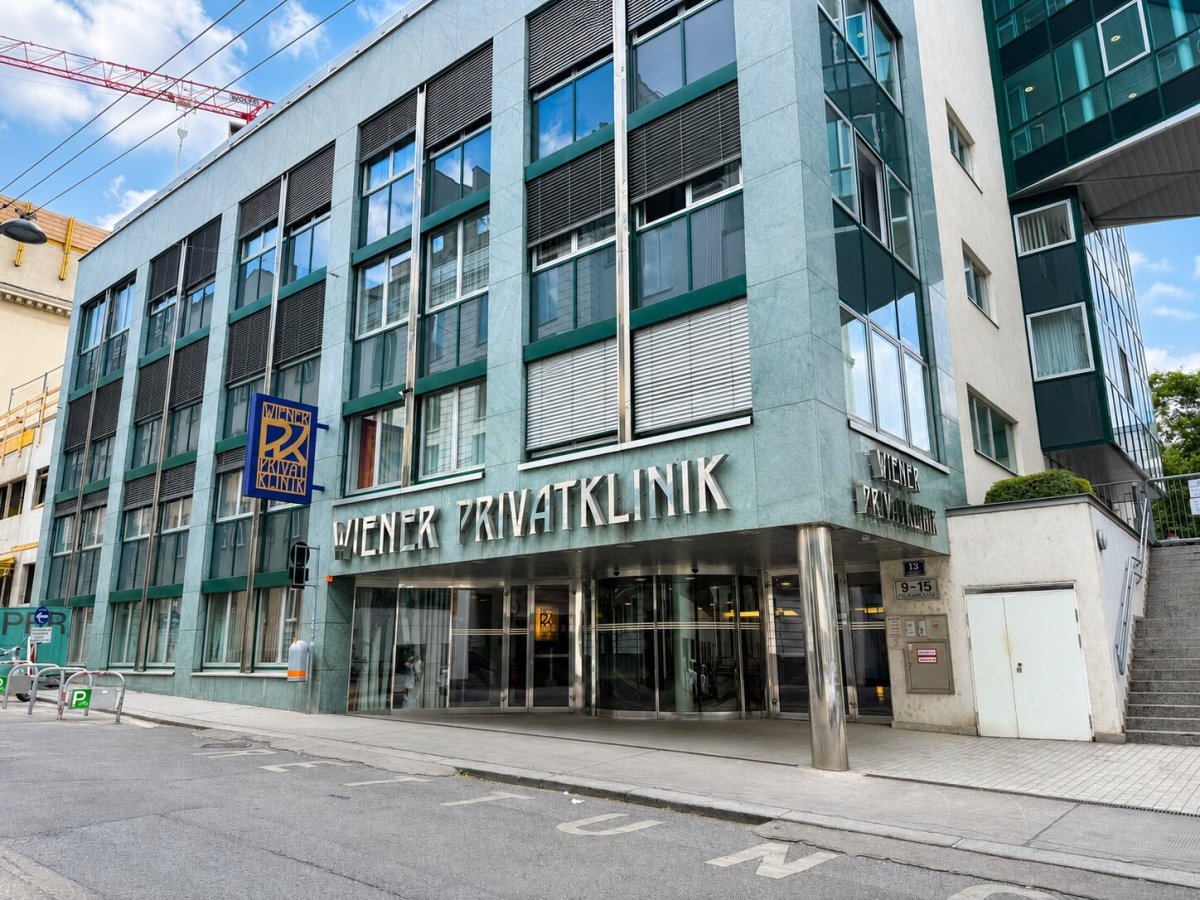
El Dr. Christoph Kopp se especializa en cardiología preventiva y procedimientos intervencionistas, con décadas de experiencia en la Wiener Privatklinik.

  • Formado en la Universidad de Medicina de Viena y en el Hospital General de Viena
  • Experto en enfermedad de las arterias coronarias, hipertensión y manejo de arritmias
  • Realización de diagnósticos cardíacos avanzados, incluyendo ecocardiografía y TC coronaria
  • Enfoque en la detección temprana y la prevención basada en el estilo de vida

Compartir contenido

Historias en video de pacientes de Bookimed

Dayana
Combiné mis vacaciones en Antalya con un chequeo médico.
Procedimiento: Chequeo femenino
Igor
¡Fue genial! Traslados, alojamiento, tratamiento, todo incluido.
Procedimiento: Implante dental
Clínica: WestDent Clinic
Marina
Bookimed se encargó de todo. No tuve que preocuparme por nada.
Procedimiento: Chequeo femenino
Actualizado: 05/27/2022
Escrito por
Olena Sikoza
Olena Sikoza
Сopywriter en español
Copywriter médica certificada responsable del contenido en español de Bookimed. Más de 7 años de experiencia en redacción sobre salud y turismo médico, con formación académica en edición científica y desarrollo de contenidos.
Fahad Mawlood
Editor médico y Científico de datos
Médico general. Ganador de 4 premios científicos. Sirvió en Asia Occidental. Es el ex jefe del equipo médico que soporta a pacientes de habla árabe. Ahora es responsable del procesamiento de datos y la precisión del contenido médico.
Fahad Mawlood Linkedin
Esta página puede incluir información relacionada con diversas afecciones médicas, tratamientos y servicios de salud disponibles en diferentes países. Tenga en cuenta que el contenido se proporciona sólo con fines informativos y no debe interpretarse como asesoramiento médico o orientación. Por favor consulte con su médico o con un profesional médico calificado antes de comenzar o cambiar el tratamiento médico.

Preguntas frecuentes sobre el tratamiento de Complicación post-infarto de miocardio en Austria

Estas preguntas frecuentes provienen de pacientes reales que buscan atención médica a través de Bookimed. Las respuestas son proporcionadas por coordinadores médicos experimentados y representantes autorizados de las clínicas.

What are the most common post-infraction complications and how are they managed in Austria?

Austrian clinics manage post-infraction complications using standardized Austrian Society of Cardiology (ÖKG) guidelines. Treatment focuses on rapid reperfusion, mechanical circulatory support, and complex arrhythmia management. High-volume centers like Wiener Privatklinik utilize 24/7 catheterization labs and multidisciplinary Heart Teams to stabilize patients and prevent secondary cardiac death.

  • Cardiogenic shock management: Surgeons use pPCI and mechanical supports like Impella pumps or ECMO.
  • Arrhythmia intervention: Specialists like Dr. Christoph Kopp utilize emergency defibrillation and ICD implantation.
  • Mechanical failure repair: Teams perform urgent cardiac surgery or transcatheter closures for septal ruptures.
  • Pharmacological heart failure: Guidelines mandate neurohumoral blockade using ACE inhibitors, beta-blockers, and SGLT2 inhibitors.

Bookimed Expert Insight: Patients should prioritize clinics like Wiener Privatklinik due to their affiliation with Medical University of Vienna professors. Dr. Christoph Kopp has performed vascular interventions since 2001. This high level of specialization ensures that complex diagnostic procedures like coronary CT and stress tests are integrated directly into the acute recovery phase, rather than delayed.

Patient Consensus: Patients often emphasize that structured cardiac rehabilitation is the most critical step for regaining exercise tolerance and managing anxiety. Many note that quick access to specialized cardiology follow-ups helps address medication side effects like low blood pressure or bleeding early on.

How does an Austrian Heart Team respond to catastrophic mechanical complications after a heart attack?

Austrian Heart Teams follow joint German-Austrian S3 Guidelines for rapid intervention. They utilize bedside echocardiography to diagnose ruptures instantly. Specialists deploy mechanical circulatory support like Impella pumps. These devices unload the heart while surgeons prepare for urgent structural repair or valve replacement.

  • Diagnostic imaging: Bedside echocardiography identifies septal, wall, or papillary muscle ruptures.
  • Mechanical support: Microaxial blood pumps or VA-ECMO maintain perfusion during cardiogenic shock.
  • Surgical timing: Stabilization protocols allow fragile heart tissue to scar before repair.
  • Definitive repair: Surgeons perform patch repairs or percutaneous edge-to-edge valve reconstruction.

Bookimed Expert Insight: Top private facilities like Wiener Privatklinik leverage a deep bench of expertise. Many physicians there, like Dr. Christoph Kopp, are also professors at the Medical University of Vienna. This connection ensures patients access academic-level protocols within a high-service private environment. For complex cardiac crises, choosing centers where doctors maintain dual roles in university research and clinical practice often leads to better structured, multidisciplinary triage.

What temporary life-support systems are available for cardiogenic shock in Austrian centers?

Austrian cardiovascular centers provide advanced life-support systems including venoarterial extracorporeal membrane oxygenation (VA-ECMO), Impella microaxial flow pumps, and intra-aortic balloon pumps (IABP). These systems stabilize blood flow and protect organs after a heart attack. High-volume hubs utilize specialized shock teams for rapid deployment.

  • VA-ECMO systems: Provide full biventricular support and blood oxygenation for severe refractory shock.
  • Impella pumps: Actively pump blood from the left ventricle to unload cardiac pressure.
  • IABP devices: Use counterpulsation to reduce afterload and improve blood flow to coronary arteries.
  • Dual therapy: Combines VA-ECMO with Impella (ECMElla) to prevent pulmonary congestion and fluid overload.

Bookimed Expert Insight: Success in treating post-infarction shock in Austria relies on the hub-and-spoke network. Centers like Wiener Privatklinik provide intensive care with professors from the Medical University of Vienna. This academic connection ensures patients transition quickly from PCI to advanced mechanical support. High-volume experience remains a critical signal for quality in these complex life-saving procedures.

Patient Consensus: Patients emphasize that these devices are intensive and require specialized 24/7 shock teams. Many note that while VA-ECMO is the fastest stabilizer, the practical focus should be on how quickly a center can escalate care during a crisis.

What medications are prescribed in Austria after a heart attack to prevent further complications?

Austrian cardiologists prescribe a foundational regimen of four drug classes following a heart attack. These include dual antiplatelet therapy, beta-blockers, high-intensity statins, and RAAS inhibitors. Protocols strictly adhere to European Society of Cardiology guidelines to prevent secondary cardiac events and stabilize heart function.

  • Blood thinners: Patients receive aspirin and a P2Y12 inhibitor for 12 months.
  • Beta-blockers: Medications like Bisoprolol reduce heart rate and lower cardiac workload.
  • Cholesterol management: High-dose statins like Atorvastatin stabilize arterial plaques and lower LDL.
  • RAAS inhibitors: ACE inhibitors or ARBs prevent heart tissue from stretching after trauma.

Bookimed Expert Insight: Leading Austrian centers like Wiener Privatklinik leverage a unique academic advantage. Many specialists, including Dr. Christoph Kopp, serve as professors at the Medical University of Vienna. This ensures patients receive pharmacological plans integrated with the latest interventional cardiology research and catheter-based techniques.

Patient Consensus: Patients note that the post-infarction regimen often feels like a heavy stack of daily pills. They emphasize confirming the exact duration of dual blood thinners to manage potential bleeding risks.

What happens in Austrian cardiac rehabilitation (LLKardReha-D-A-CH guidelines)?

Austrian cardiac rehabilitation follows the strict LLKardReha-D-A-CH guidelines for structured, phase-based recovery. This multidisciplinary program reduces cardiovascular mortality through clinical supervision and individualized exercise. It combines medical stabilization, risk stratification, and vocational reintegration to restore physical capacity and social participation after cardiac events.

  • Phase model: Progression moves from acute inpatient stabilization to intensive center-based early recovery.
  • Exercise volume: Guidelines mandate at least 1,000 minutes over 36 supervised multidisciplinary sessions.
  • Risk stratification: Patients undergo maximal stress tests and 3-lead ECG monitoring for safety.
  • Multimodal care: Treatment integrates nutritional counseling, psychological support, and specialized medication management.

Bookimed Expert Insight: Patients at facilities like Wiener Privatklinik benefit from a direct link between diagnostics and recovery. Specialists like Dr. Christoph Kopp, who have performed vascular interventions since 2001, oversee the initial stress tests. This clinical depth ensures that the over 1,000 minutes of mandated exercise are precisely calibrated to a patient's specific heart failure therapy or arrhythmia management needs.

Patient Consensus: Patients note that medical staff often keep the initial exercise pace conservative to ensure safety. They emphasize using these monitored sessions to rebuild confidence while discussing activities like driving or returning to work.

What specific components are included in an Austrian cardiac rehabilitation program?

Austrian cardiac rehabilitation includes supervised exercise training, medical diagnostics, and structured health literacy education. Programs follow a four-phase continuum regulated by national guidelines. Key elements involve over 1,000 minutes of exercise and regular consultations with cardiologists at certified facilities like Wiener Privatklinik.

  • Exercise training: Includes 33 supervised sessions using cycle ergometers or circuit training.
  • Medical oversight: Features specialized monitoring by cardiologists and internal medicine physicians.
  • Diagnostic testing: Requires entry and exit cardiopulmonary exercise tests and stress tests.
  • Health education: Provides 12 seminars on risk factors, medication, and smoking cessation.

Bookimed Expert Insight: Top Austrian specialists like Dr. Christoph Kopp focus on early detection through advanced cardiac imaging. Centers like Wiener Privatklinik integrate professors from the Medical University of Vienna into rehab teams. This ensures patients receive university-level expertise combined with private facility comfort and individualized diagnostic monitoring.

Patient Consensus: Patients note that programs prioritize heart confidence through routine ECG and blood pressure monitoring. They emphasize bringing current medication lists to help doctors safely tailor exercise intensity levels.

Pedir una consulta gratis

Seleccione la mejor manera de contactarle