Ir a inicio
820К+ pacientes han recibido asistencia desde 2014
50 países
1,500 clínicas
6K+ reseñas
3K+ médicos calificados

¿Cuál es el precio del diagnóstico y los tratamientos de Complicación post-infarto de miocardio en Tailandia? Descubra ahora

El precio se proporciona bajo petición

Sus beneficios y garantías con Bookimed

Precios directos

Bookimed no añade cargos extra a los precios de los tratamientos de Complicación post-infarto de miocardio. Las tarifas proceden de las listas de precios oficiales de las clínicas. Pagará directamente en la clínica por su tratamiento a su llegada al país.

Sólo clínicas y médicos verificados

Bookimed está comprometido con su seguridad. Solo trabajamos con las clínicas que mantienen altos estándares internacionales en el tratamiento de Complicación post-infarto de miocardio y cuentan con las licencias necesarias para atender a pacientes internacionales en todo el mundo.

Asistencia 24/7 gratuita

Bookimed ofrece asistencia experta gratuita. Un coordinador médico personal le apoya antes, durante y después de su tratamiento, resolviendo cualquier problema. Nunca estará solo en su viaje médico de tratamiento de Complicación post-infarto de miocardio.

¿Por qué nosotros?

Su coordinador médico personal de Bookimed

  • Le apoya en cada etapa
  • Ayuda a elegir la clínica y el médico adecuados
  • Asegura un acceso rápido y conveniente a la información

Descubra las mejores clínicas de tratamiento de Complicación post-infarto de miocardio en Tailandia: 2 opciones verificadas y Precios

El ranking de clínicas de Bookimed se basa en algoritmos de data science, ofreciendo una comparación confiable, transparente y objetiva. Tiene en cuenta la demanda de pacientes, las puntuaciones de reseñas (positivas y negativas), la frecuencia de actualización de opciones de tratamiento y precios, la rapidez de respuesta y las certificaciones de las clínicas.

Obtenga una evaluación médica para Complicación post-infarto de miocardio en Tailandia: consulte con doctores experimentados ahora

Ver todos los médicos
verificado

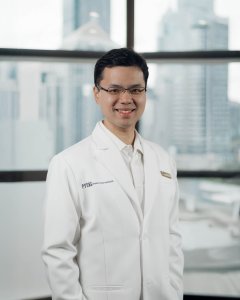
Wissarut Sakulpaptong

9 años de experiencia

Miembro del servicio de cardiología en el King Chulalongkorn Memorial Hospital, especialista en ecocardiografía avanzada para casos postinfarto de miocardio.

  • Jefe de residentes en 2024, reconocido por su liderazgo
  • Experto en ecocardiografía 3D y de estrés
  • Desarrollar vías de atención de NSTEMI para mejorar los resultados de los pacientes
  • Investigación publicada sobre la disfunción miocárdica inducida por sepsis
verificado

Ratanapunt Incharoensakdi

41 años de experiencia • 5000+ tratamientos realizados

Pionero en tratamientos no invasivos para enfermedades cardíacas: el Dr. Ratanapunt ha dado forma a la atención cardíaca moderna en Tailandia durante más de 40 años.

  • Fundador del Bangkok Heart Center, el primer centro cardíaco especializado de Tailandia
  • Formado en cardiología en la Universidad de Kioto y la Universidad de Hamburgo
  • Especializarse en tratamientos no invasivos y cardiología preventiva
  • Cardiólogo senior en el Bangkok Hospital y el Bumrungrad International Hospital

Compartir contenido

Historias en video de pacientes de Bookimed

Dayana
Combiné mis vacaciones en Antalya con un chequeo médico.
Procedimiento: Chequeo femenino
Igor
¡Fue genial! Traslados, alojamiento, tratamiento, todo incluido.
Procedimiento: Implante dental
Clínica: WestDent Clinic
Marina
Bookimed se encargó de todo. No tuve que preocuparme por nada.
Procedimiento: Chequeo femenino
Actualizado: 07/20/2025
Escrito por
Olena Sikoza
Olena Sikoza
Сopywriter en español
Copywriter médica certificada responsable del contenido en español de Bookimed. Más de 7 años de experiencia en redacción sobre salud y turismo médico, con formación académica en edición científica y desarrollo de contenidos.
Fahad Mawlood
Editor médico y Científico de datos
Médico general. Ganador de 4 premios científicos. Sirvió en Asia Occidental. Es el ex jefe del equipo médico que soporta a pacientes de habla árabe. Ahora es responsable del procesamiento de datos y la precisión del contenido médico.
Fahad Mawlood Linkedin
Esta página puede incluir información relacionada con diversas afecciones médicas, tratamientos y servicios de salud disponibles en diferentes países. Tenga en cuenta que el contenido se proporciona sólo con fines informativos y no debe interpretarse como asesoramiento médico o orientación. Por favor consulte con su médico o con un profesional médico calificado antes de comenzar o cambiar el tratamiento médico.

Preguntas frecuentes sobre el tratamiento de Complicación post-infarto de miocardio en Tailandia

Estas preguntas frecuentes provienen de pacientes reales que buscan atención médica a través de Bookimed. Las respuestas son proporcionadas por coordinadores médicos experimentados y representantes autorizados de las clínicas.

What specific heart-attack complications can be treated in Thailand?

Thailand treats heart attack complications including arrhythmias, structural heart issues, and persistent ischemia. Specialized centers in Bangkok offer advanced interventions like catheter ablation, mitral valve repair, and off-pump bypass grafting. Board-certified cardiologists manage post-infarction care using non-invasive therapies and robotic-assisted surgical techniques in JCI-accredited facilities.

  • Rhythm management: Advanced electrophysiology labs provide catheter ablation and implantable cardioverter-defibrillator therapy for arrhythmias.
  • Valve repair: Surgeons perform transcatheter aortic valve implantation and use MitraClip for structural damage.
  • Revascularization: Off-pump coronary artery bypass grafting reduces risks to kidneys and brain during surgery.
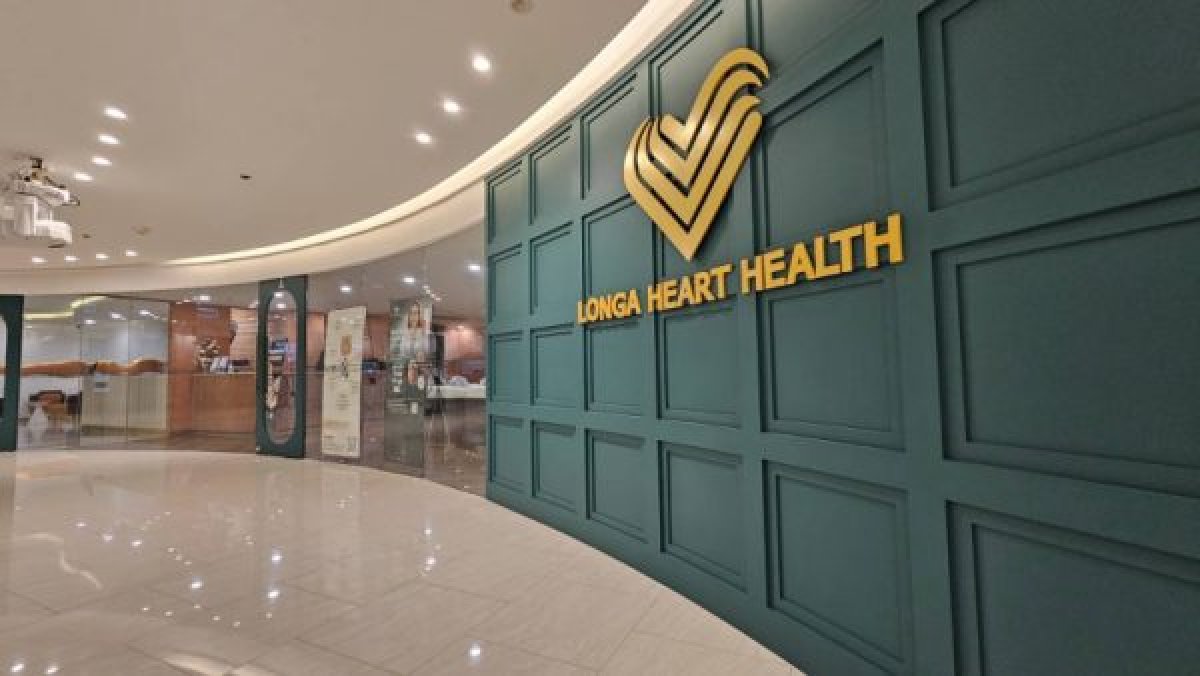
  • Non-invasive care: Facilities like Longa Heart Health Medical Center offer stem cell and ECP therapies.

Bookimed Expert Insight: Thai cardiac care stands out because of the high concentration of internationally trained specialists. Dr. Ratanapunt Incharoensakdi has performed over 5,000 procedures and trained in both Japan and Germany. This depth of global expertise is standard in Bangkok. Patients often find specialized non-invasive options here that are unavailable in other regional medical hubs.

Patient Consensus: Patients emphasize finding hospitals with 24/7 catheterization labs and intensive care units for post-infarction emergencies. Many stress the value of coordinated follow-up care for managing long-term issues like fluid overload or reduced heart function.

Are the cardiologists in Thailand qualified to handle complex post-MI cases?

Thai cardiologists are highly qualified to manage complex post-MI cases at JCI-accredited tertiary centers. Top specialists often hold dual board certifications. Doctors frequently complete fellowships in the United States, Germany, or Japan. They utilize advanced technologies like intravascular lithotripsy to treat severe coronary calcification.

  • Specialized training: Experts like Dr. Ratanapunt Incharoensakdi possess over 40 years of international experience.
  • Advanced credentials: Doctors undergo rigorous training at top-tier institutions like Kyoto University and Hamburg University.
  • Hospital infrastructure: Major facilities maintain 24/7 cardiac catheterization labs and intensive care units.
  • Tertiary centers: Specialists at Bumrungrad International and Bangkok Hospital manage high-volume interventional procedures.

Bookimed Expert Insight: Thai cardiology expertise is concentrated in specialists who bridge major hospital systems. Dr. Ratanapunt Incharoensakdi founded the first specialized heart center in 1988. He currently serves at both Longa Heart Health and Bumrungrad International. Seeking such multi-affiliated experts ensures access to both personalized care and massive hospital resources.

Patient Consensus: Patients note that choosing a major tertiary hospital is vital for complex cases. They emphasize bringing detailed records of prior stents and ejection fraction results for accurate management.

What is the quality and safety standard of Thai hospitals?

Thai hospitals maintain rigorous safety standards through Joint Commission International (JCI) accreditation and local Healthcare Accreditation (HA). Facilities often use multidisciplinary teams and modern technology. Many senior specialists, like Dr. Ratanapunt Incharoensakdi, hold international training from Japan and Germany to manage complex cardiac cases.

  • International accreditation: Leading centers maintain JCI certification to mirror healthcare protocols used in Western nations.
  • Specialized expertise: Senior cardiologists often have over 40 years of experience in cardiovascular medicine.
  • Advanced diagnostics: Clinics utilize 3D echocardiography and strain analysis for precise post-myocardial infarction monitoring.
  • Modern therapies: Specialized centers offer non-invasive treatments, including ECP therapy and regenerative stem cell options.

Bookimed Expert Insight: Thai cardiac care is defined by long-term clinical leadership rather than just modern equipment. Dr. Ratanapunt Incharoensakdi founded the country's first specialized heart center and has performed over 5,000 procedures. This depth of experience at centers like Longa Heart Health ensures complex post-MI complications are managed by pioneers who established the national standards.

Patient Consensus: Patients note that top-tier hospitals provide a safety margin comparable to the US or UK. They emphasize choosing facilities where surgeons hold Western board certifications and suggest utilizing Thailand's highly-rated nursing for the rehabilitation phase.

What advanced imaging is available for diagnosing complications?

Advanced cardiac imaging in Thailand diagnoses post-myocardial infarction complications using 3D echocardiography, cardiac MRI, and specialized CT scans. These technologies identify wall-motion abnormalities, tissue scarring, and mechanical failures. High-resolution assessments help specialists guide cardiac rehabilitation and specialized non-invasive treatments effectively.

  • 3D echocardiography: Evaluates ventricular function and mechanical complications like septal ruptures or valve dysfunction.
  • Cardiac MRI: Identifies myocardial scars, tissue viability, and microvascular obstructions with high precision.
  • Cardiac CT: Provides anatomic details of coronary arteries and identifies structural issues like pseudoaneurysms.
  • Functional imaging: Uses PET or SPECT scans to assess metabolic activity and heart muscle perfusion.

Bookimed Expert Insight: Thai heart centers show a strong focus on longitudinal care and non-invasive expertise. Dr. Ratanapunt Incharoensakdi at Longa Heart Health Medical Center has over 40 years of experience. This deep expertise allows clinics to integrate advanced 3D echocardiography into holistic rehabilitation programs rather than just using it as a one-time diagnostic tool.

Patient Consensus: Patients note that bedside echocardiography is the fastest way to get answers when feeling unstable. They emphasize that cardiac MRIs often find hidden tissue damage that standard tests miss.

What treatment options are available for post-MI complications?

Post-MI complication treatment in Thailand focuses on stabilizing mechanical, electrical, and ischemic issues. Specialist centers in Bangkok provide emergency mitral valve repair, surgical ventricular septal defect closure, and arrhythmia management. Thai cardiologists use advanced echocardiography and non-invasive therapies to improve long-term heart function and secondary prevention.

  • Mechanical repair: Surgeons perform emergency mitral valve replacement for rupture or ventricular septal defect closure.
  • Rhythm control: Doctors use beta-blockers, diltiazem, or synchronized cardioversion to stabilize dangerous heart rhythms.
  • Ischemic stabilization: Specialists manage persistent ischemia using intravenous nitroglycerin and urgent coronary angiography procedures.
  • Advanced diagnostics: Board-certified cardiologists utilize 3D strain echocardiography to detect early signs of failure.

Bookimed Expert Insight: Thailand offers a unique blend of surgical excellence and specialized non-invasive recovery programs. Senior cardiologists like Dr. Ratanapunt Incharoensakdi at Longa Heart Health Medical Center have 40+ years of expertise. Clinics often combine standard protocols with regenerative stem cell therapies and ECP therapy. These combined approaches may significantly improve blood flow and tissue repair after major cardiac events.

Patient Consensus: Patients emphasize that any new chest pain or sudden swelling requires immediate hospital evaluation. Many note that high-volume centers in Bangkok provide rapid access to repeat imaging and tailored ICU care.

How long should a medical tourist plan to stay in Thailand?

Medical tourists should plan a 14 to 21 day stay for post-myocardial infarction complication treatments in Thailand. This timeframe ensures stability for long-haul travel. Complex cardiac cases require extensive monitoring of heart rhythm and medication response. International patients typically utilize the 90 day medical visa.

  • Diagnostic stay: Plan 3 to 5 days for advanced echocardiography and stress testing.
  • Treatment window: Non-invasive therapies or stem cell treatments often require 7 days.
  • Recovery buffer: Reserve 5 to 7 days post-procedure to ensure air travel safety.
  • Clinical observation: Physicians monitor blood pressure and bleeding risk before clearing departure.

Bookimed Expert Insight: Thai cardiology centers like Longa Heart Health Medical Center emphasize non-invasive recovery paths. Dr. Ratanapunt Incharoensakdi has performed over 5,000 procedures and focuses on specialized cardiac rehabilitation. This experience suggests that recovery is not just about the procedure but about stabilizing medications before flying. Patients should stay in Bangkok near their clinic rather than in remote resort areas to ensure immediate access to follow-up care if rhythm issues arise.

Patient Consensus: Patients emphasize that the discharge date is more critical than the treatment date for travel planning. They note that staying until the medical team confirms stable mobility is essential for safety during long flights.

Is Thai language fluency required for care?

Thai language fluency is not required for medical care in Thailand. Major private centers employ English-speaking medical staff and designated international coordinators. Language barriers rarely affect clinical outcomes. Specialized cardiology teams in Bangkok frequently manage international patients with complex cardiac histories.

  • Medical staff: Doctors often hold international credentials from the USA, Japan, or Germany.
  • Bilingual support: Facilities like PrimeCare Bkk provide dedicated English-Thai teams for patient coordination.
  • Language assistance: Hospitals arrange professional interpreters for medical consent and complex discharge instructions.
  • Emergency care: Vital cardiac history is communicated via written English summaries and medication lists.

Bookimed Expert Insight: Language support transitions from professional to essential at specialized centers. Dr. Ratanapunt Incharoensakdi at Longa Heart Health Medical Center is fluent in English and trained in Germany. This expertise ensures medical nuances regarding stents or anticoagulants are never lost during rehabilitation.

Patient Consensus: Patients note that while doctors speak English well, navigating billing and pharmacy is easier with written summaries. Most recommend keeping a printed list of medication dosages to avoid any verbal confusion.

Pedir una consulta gratis

Seleccione la mejor manera de contactarle