Tratamiento de Complicación post-infarto de miocardio en España — obtenga 3 coincidencias personalizadas de clínicas


Revisado médicamente por
Fahad Mawlood
Cómo funciona
¿Cuál es el precio del diagnóstico y los tratamientos de Complicación post-infarto de miocardio en España? Descubra ahora
Descubra las mejores clínicas de tratamiento de Complicación post-infarto de miocardio en España: 2 opciones verificadas y Precios






Compartir contenido
Historias en video de pacientes de Bookimed
 Olena Sikoza
Preguntas frecuentes sobre el tratamiento de Complicación post-infarto de miocardio en España
¿Qué tratamientos avanzados están disponibles en España para las complicaciones mecánicas post-infarto?
España ofrece tratamientos avanzados para las complicaciones mecánicas post-infarto. Estos incluyen el soporte circulatorio mecánico temporal (tMCS) y la cirugía guiada por shock. Los centros acreditados por la JCI en Madrid y Barcelona utilizan la oxigenación por membrana extracorpórea (VA-ECMO). También aplican técnicas percutáneas como clips transcatéter para problemas valvulares agudos.
- Soporte mecánico: La VA-ECMO y las bombas de flujo microaxial estabilizan a los pacientes antes de la reparación quirúrgica.
- Momento quirúrgico: Los equipos cardiovasculares a menudo posponen la cirugía para permitir la cicatrización del tejido miocárdico.
- Herramientas mínimamente invasivas: Dispositivos de oclusión especializados tratan la ruptura del tabique ventricular mediante acceso femoral.
- Opciones regenerativas: La terapia avanzada con células madre está disponible en centros acreditados para la recuperación de traumas.
- Líder en trasplantes: España proporciona trasplantes de corazón urgentes mediante una vía rápida gracias a una infraestructura líder a nivel mundial.
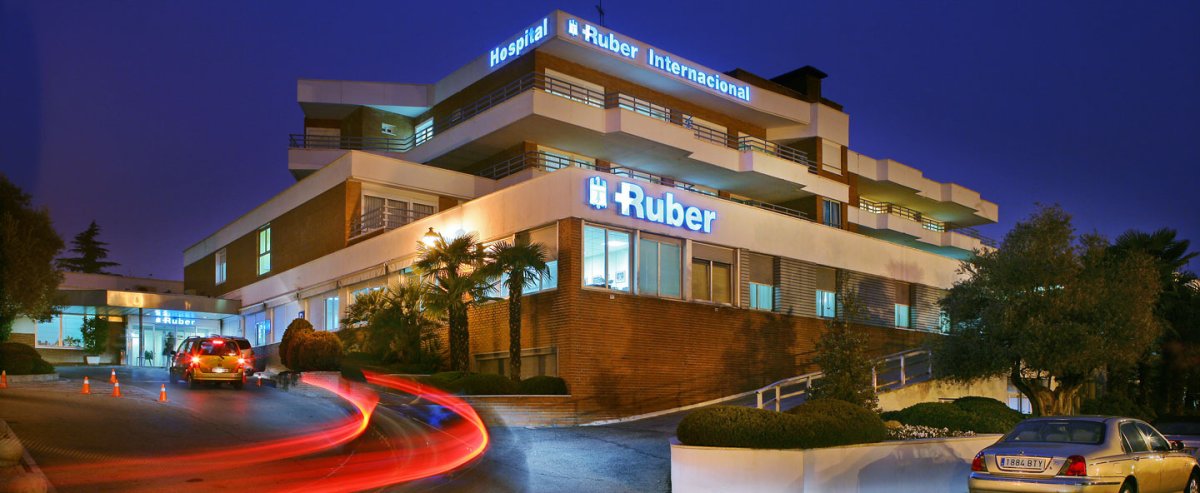
Perspectiva del experto de Bookimed: La cardiología española se centra en el volumen quirúrgico y la alta especialización. El Hospital Ruber Internacional realiza más de 6.000 cirugías al año y se encuentra entre los 6 mejores centros. El Centro Médico T
¿Cómo gestionan los hospitales españoles las complicaciones graves como el shock cardiogénico o las arritmias?
Los hospitales españoles gestionan las complicaciones post-infarto graves mediante el protocolo regionalizado Código Shock y cuidados intensivos cardiovasculares especializados. El tratamiento implica una estabilización rápida con noradrenalina, revascularización inmediata mediante intervención coronaria percutánea y soporte mecánico avanzado como ECMO. Las arritmias inestables se tratan mediante cardioversión eléctrica de emergencia o marcapasos transvenoso temporal.
- Triaje de shock: Los pacientes siguen un sistema de tres niveles para una identificación y estabilización rápidas.
- Equipos especializados: Los equipos de shock dedicados incluyen intensivistas, cirujanos cardíacos y cardiólogos intervencionistas.
- Soporte mecánico: Los hospitales de referencia utilizan bombas microaxiales Impella y VA-ECMO para el shock refractario.
- Gestión de arritmias: Las vías clínicas utilizan amiodarona para la estabilidad o cardioversión sincronizada para emergencias.
Perspectiva del experto de Bookimed: La atención cardiovascular española se basa en un modelo de centro y periferia donde centros acreditados por la JCI como el Hospital Ruber Internacional o el Centro Médico Teknon sirven como centros principales. Estas instalaciones gestionan más de 10.000 pacientes al año y poseen la infraestructura para intervenciones avanzadas como la ablación por c
¿Pueden los pacientes internacionales acceder al sistema público de salud de España para atención cardíaca?
Los pacientes internacionales acceden al sistema público de salud de España principalmente a través del estatus de residencia o acuerdos bilaterales. La atención cardíaca de emergencia es un derecho universal independientemente del estatus legal. Sin embargo, el monitoreo cardíaco electivo requiere inscripción como residente o documentación de la Tarjeta Sanitaria Europea (TSE) para evitar la facturación directa.
- Acceso de emergencia: Se proporciona tratamiento vital universal independientemente de la nacionalidad o el estatus de residencia legal.
- Responsabilidad de pago: Los turistas extracomunitarios sin seguro válido generalmente reciben una factura después de la estabilización de emergencia.
- Ciudadanos de la UE/Reino Unido: Los pacientes con tarjetas TSE o GHIC reciben atención bajo las condiciones de los residentes locales.
- Inscripción de residentes: Los residentes legales que cotizan a la seguridad social obtienen acceso completo a la cardiología especializada.
- Convenio Especial: Los expatriados que no trabajan pueden pagar cuotas mensuales para acceder al sistema público después de 12 meses.
Perspectiva del experto de Bookimed: Aunque los sistemas públicos ofrecen atención de élite, los tiempos de espera para diagnósticos cardíacos no urgentes pueden ser largos. Clínicas como el Centro Médico Teknon o el
¿Cómo es el seguimiento médico después de un tratamiento en España?
El seguimiento médico en España se centra en una rehabilitación cardíaca personalizada y un control especializado estructurado. Los pacientes reciben informes de alta completos que detallan los medicamentos y las señales de advertencia. Las clínicas privadas suelen ofrecer consultas de telemedicina para viajeros internacionales. Los centros españoles suelen programar revisiones diagnósticas específicas de 2 a 3 veces al año.
- Control especializado: Los cardiólogos realizan ECG regulares y revisiones de síntomas.
- Gestión de medicamentos: Los especialistas ajustan los antiagregantes plaquetarios, betabloqueantes y estatinas.
- Rehabilitación cardíaca: Los programas incluyen el fortalecimiento supervisado de la resistencia y orientación dietética.
- Diagnóstico por imagen: Los seguimientos a menudo incluyen ecocardiogramas o pruebas de esfuerzo.
Opinión de expertos de Bookimed: Los indicadores de calidad para la atención cardíaca en España son excepcionalmente altos. Por ejemplo, el Centro Médico Teknon cuenta con la acreditación de la Joint Commission International (JCI) y trata a 10.000 pacientes al año. El Hospital Ruber Internacional está clasificado entre los 6 mejores de España por Forbes y cuenta con más de 800 médicos. Esta alta densidad de especialistas garantiza un acceso más rápido a diagnósticos complejos como la resonancia magnétic
¿Existen programas integrales de rehabilitación cardíaca en España?
Los programas integrales de rehabilitación cardíaca están ampliamente disponibles en España a través de centros médicos privados y hospitales públicos. Estos protocolos multidisciplinarios cumplen con estrictos estándares europeos. La mayoría de los programas integran entrenamiento físico supervisado, asesoramiento nutricional y apoyo psicológico para garantizar una recuperación segura después de un infarto de miocardio.
- Duración del programa: Las sesiones supervisadas suelen durar de 6 a 12 semanas.
- Equipo clínico: Los equipos incluyen cardiólogos, fisioterapeutas especializados, enfermeros y nutricionistas.
- Modelos de tratamiento: Los centros ofrecen servicios ambulatorios hospitalarios, telerehabilitación y atención hospitalaria intensiva.
- Estándares de acreditación: Los centros líderes mantienen certificaciones de la Joint Commission International (JCI) e ISO 9001.
Opinión del experto de Bookimed: Aunque muchas instalaciones ofrecen servicios de cardiología, centros como el Hospital Ruber Internacional y el Centro Médico Teknon manejan volúmenes masivos de pacientes, superando los 10.000 casos anuales. Esta alta frecuencia a menudo se traduce en una infraestructura multidisciplinaria más sólida. Los pacientes que buscan rehabilitación deben confirmar si una clínica ofrece programas ambulatorios formales de Fase II en lugar de solo c