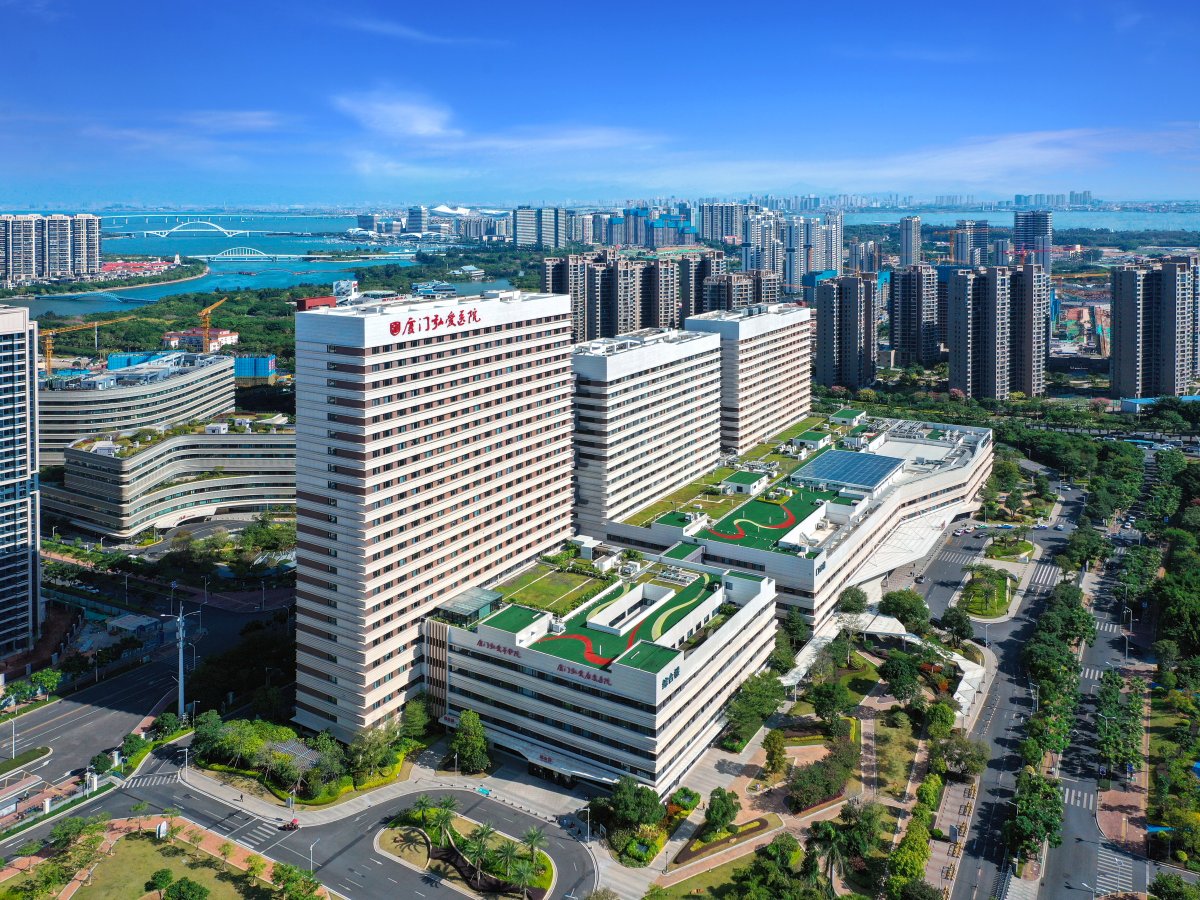
Hospital Xiamen Humanity
China, Xiamen


Revisado médicamente por
Fahad Mawlood
La cirugía de mano en China suele costar entre $4,300 y $6,700. El precio final depende de la complejidad del procedimiento, de si elige un hospital público o una clínica internacional privada, y de la duración de su estancia hospitalaria. Los pacientes pueden esperar ahorros del 50-70% en comparación con los EE. UU.
Costos típicos de cirugía de mano en China
La mayoría de los centros especializados en cirugía de mano se encuentran en Pekín y Shanghái, donde los precios son generalmente más altos que en ciudades como Dalian. Los costos en las ciudades de primer nivel a menudo reflejan la disponibilidad de personal que habla inglés. Consulte con un especialista para obtener precios precisos para su condición específica.
| China | España | Turquía | |
|---|---|---|---|
| Descompresión del nervio cubital | ≈ $2,800 | ≈ $2,600 | ≈ $1,800 |
| Cirugía del síndrome del túnel carpiano | ≈ $1,800 | de $3,000 | de $4,000 |
| Cirugía de reconstrucción de la mano | ≈ $3,800 | ≈ $4,800 | de $11,700 |
Bookimed no añade cargos extra a los precios de los tratamientos de Cirugía de muñeca. Las tarifas proceden de las listas de precios oficiales de las clínicas. Pagará directamente en la clínica por su tratamiento a su llegada al país.
Bookimed está comprometido con su seguridad. Solo trabajamos con las clínicas que mantienen altos estándares internacionales en el tratamiento de Cirugía de muñeca y tienen las licencias necesarias para atender a pacientes internacionales en todo el mundo.
Bookimed ofrece asistencia experta gratuita. Un coordinador médico personal le apoya antes, durante y después del tratamiento, resolviendo cualquier problema. Nunca estará solo en su viaje médico de procedimientos de Cirugía de muñeca.


La profesora Liang Xiaoxiao es Directora del Departamento y Jefa de Servicio de Neurorrehabilitación. Cuenta con una maestría en neurología. Es experta en neuromodulación para trastornos de la conciencia, la cognición y el movimiento. Su labor se centra en casos de enfermedad cerebrovascular, enfermedad de Parkinson y afecciones relacionadas. También realiza inyecciones de toxina botulínica guiadas por ecografía para el blefaroespasmo, el espasmo hemifacial, la espasticidad de las extremidade
 Olena Sikoza
La cirugía de mano en China ofrece una alta seguridad para lesiones traumáticas, con tasas de éxito en el reimplante de extremidades superiores al 97%. Las clínicas modernas utilizan microcirugía y anestesia local para la reparación de tendones. Los centros líderes en Pekín y Shanghái cumplen con estrictos protocolos de esterilización. Los mejores hospitales manejan eficazmente un gran volumen de pacientes.
Opinión de expertos de Bookimed: En China, el volumen de pacientes atendidos es el indicador más fiable de la seguridad en la cirugía de mano. Los grandes hospitales con más de 40 departamentos, como el Hospital Humanitario de Xiamen, atienden a 1.000.000 de pacientes al año. Esta enorme carga de trabajo garantiza que los cirujanos mantengan el máximo nivel
Los cirujanos ortopédicos chinos especializados en cirugía de mano deben completar entre 5 y 8 años de formación médica y capacitación especializada. Ascienden a través de un estricto sistema de rangos, desde residente hasta profesor. Los especialistas más destacados suelen tener doctorados. Muchos obtienen la certificación al aprobar exámenes nacionales y publicar artículos clínicos en revistas científicas.
Opinión de un experto de Bookimed: En la cirugía de mano china, la autoridad suele estar determinada por el nivel del hospital y el número de publicaciones. El profesor Bo Liu del Hospital Jishuitan de Pekín posee un doctorado y supervisa a estudiantes de posgrado. Este nivel de actividad académica generalmente se correlaciona con un alto volumen de cirugías. Los pacientes deben buscar cirujanos que sean miembros de los comités de la Asociación Méd
Los turistas médicos que viajan a China suelen buscar procedimientos quirúrgicos complejos de mano y muñeca. Estos incluyen artroscopia diagnóstica de muñeca, reconstrucción microvascular de nervios y reparación de defectos congénitos. Centros especializados, como el Hospital Humanitario de Xiamen, ofrecen tratamiento microquirúrgico intensivo. Estos procedimientos suelen tener como objetivo restaurar funciones complejas mediante transferencias de tendones e injertos de piel.
Opinión de expertos de Bookimed: Los principales cirujanos ortopédicos chinos especializados en cirugía de mano suelen tener una sólida formación académica. El Dr. Bo Liu, del Hospital Jishuitan de Pekín, es el Secretario General del Grupo de Cirugía de Muñeca de la Asociac
Las cicatrices de la cirugía de mano en China suelen ser líneas finas y lineales. Estas marcas generalmente se desvanecen, pasando del rojo al color de la piel en un plazo de 12 a 18 meses. Técnicas especializadas, como la microcirugía y la artroscopia de muñeca, minimizan el tamaño de la incisión. Los cirujanos suelen utilizar suturas intradérmicas para lograr resultados más discretos y menos visibles.
Opinión de expertos de Bookimed: Los grandes centros médicos, como el Hospital Humanitario de Xiamen, que atiende a 1.000.000 de pacientes al año, suelen estandarizar la atención postoperatoria. Este volumen de trabajo permite a los cirujanos perfeccionar las técnicas microquirúrgicas para la reparación de ne
En China, los pacientes suelen regresar a casa entre 2 y 7 días después de una cirugía de mano. Los procedimientos menores, como la descompresión del túnel carpiano, pueden completarse en 48 horas. Las reparaciones nerviosas complejas o las fijaciones óseas requieren de 5 a 7 días de observación local. La recuperación completa para retomar las actividades diarias tarda de 6 a 8 semanas.
Opinión de expertos de Bookimed: Los especialistas en cirugía de mano en Pekín suelen utilizar técnicas microquirúrgicas que minimizan el traumatismo tisular. Este enfoque ayuda a los pacientes, tanto locales como extranjeros, a estabilizar su estado más rápidamente antes de viajar. En centros como el Hospital Humanitario de Xiamen, el elevado volumen de pacientes se traduce en protocolos de alta altamente optimizados
El periodo de recuperación habitual tras una cirugía de mano en China oscila entre 24 horas y 10 días. Los procedimientos sencillos, como la descompresión del túnel carpiano, suelen durar solo 1 o 2 días. Las microcirugías complejas o las reconstrucciones nerviosas pueden prolongar la estancia hasta 9 días en la mayoría de los hospitales públicos de China.
Opinión de los expertos de Bookimed: Grandes centros como el Hospital Humanitario de Xiamen atienden a 1.000.000 de pacientes al año en 47 departamentos. Esta magnitud garantiza una atención quirúrgica excepcionalmente eficiente. Los pacientes pueden esperar un alta más rápida en estos centros terciarios en comparación con las clínicas regionales más pequeñas. Cirujanos experimentados como el Dr. Bo Liu del Hospital Jishuitan de Pekín priorizan la artroscopia de muñeca
Shanghái y Pekín son los principales centros de cirugía de mano en China para pacientes internacionales. Estas ciudades cuentan con departamentos especializados en microcirugía compleja y reconstrucción de muñeca. Estos centros médicos suelen estar acreditados por la JCI (Junta de Cirugía de la Mano). Ofrecen servicios multilingües y atención de alta calidad para la reconstrucción de nervios periféricos y malformaciones congénitas.
Según los expertos de Bookimed: Elegir un especialista con experiencia internacional que trabaje en Pekín o Shanghái mejora significativamente la calidad de la atención. Por ejemplo, el Dr. Bo Liu, del Hospital Amcare de Pekín, fue investigador visitante en la Clínica Mayo. Los cirujanos con este tipo de exp