Cirugía de muñeca en India: las 22 mejores clínicas con opiniones de pacientes


Revisado médicamente por
Fahad Mawlood
¿Cuál es el precio de procedimientos de Cirugía de muñeca en India? Descubra ahora
Hand surgery in India typically costs from $2,600 to $4,800. The total expense depends on the specific procedure type, surgical complexity, and the hospital's tier. Patients choosing India for these treatments often benefit from 60-80% savings compared to the cost of similar medical care in the US.
Typical Hand Surgery Costs in India
- Consultation with creation of treatment plan: de $60
- Carpal tunnel syndrome surgery: $850 – $1,500
Medical centers in cities like Mumbai, Delhi, and Bangalore are the primary hubs for hand microsurgery. While prices are generally consistent, regional clinics in cities like Chennai may offer slightly lower rates. Consult with a specialist to get accurate pricing for your specific condition.
| India | España | Turquía | |
|---|---|---|---|
| Descompresión del nervio cubital | ≈ $1,900 | ≈ $2,600 | ≈ $1,800 |
| Cirugía del síndrome del túnel carpiano | de $850 | de $3,000 | de $4,000 |
| Cirugía de reconstrucción de la mano | ≈ $3,800 | ≈ $4,800 | de $11,700 |
Sus beneficios y garantías con Bookimed
Precios directos
Bookimed no añade cargos extra a los precios de los tratamientos de Cirugía de muñeca. Las tarifas proceden de las listas de precios oficiales de las clínicas. Pagará directamente en la clínica por su tratamiento a su llegada al país.
Sólo clínicas y médicos verificados
Bookimed está comprometido con su seguridad. Solo trabajamos con las clínicas que mantienen altos estándares internacionales en el tratamiento de Cirugía de muñeca y tienen las licencias necesarias para atender a pacientes internacionales en todo el mundo.
Asistencia 24/7 gratuita
Bookimed ofrece asistencia experta gratuita. Un coordinador médico personal le apoya antes, durante y después del tratamiento, resolviendo cualquier problema. Nunca estará solo en su viaje médico de procedimientos de Cirugía de muñeca.

Su coordinador médico personal de Bookimed
- Le apoya en cada etapa
- Ayuda a elegir la clínica y el médico adecuados
- Asegura un acceso rápido y conveniente a la información
Descubra las mejores clínicas de Cirugía de muñeca en India: 22 opciones verificadas y Precios
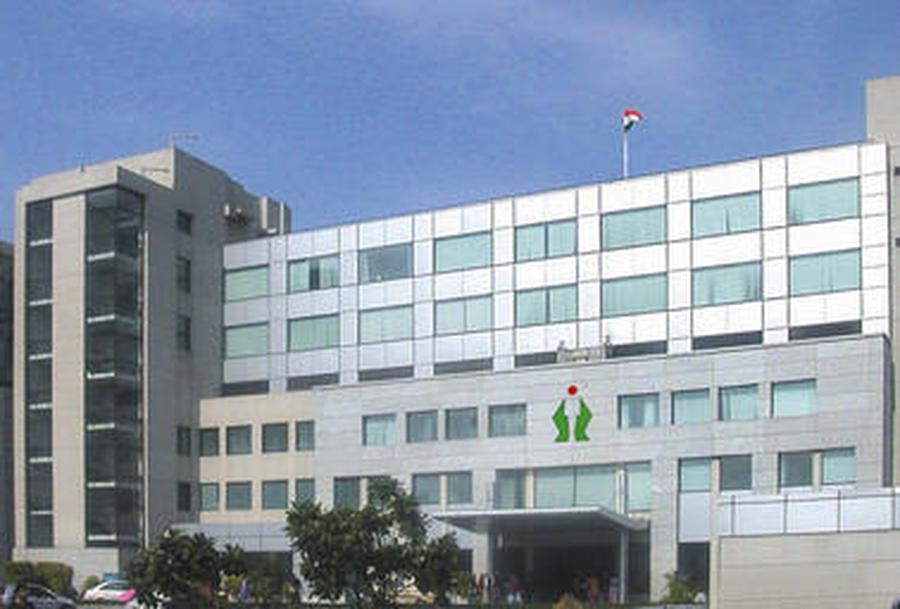






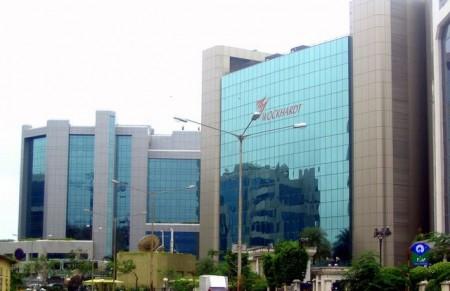
Wockhardt Hospital






Los mejores centros médicos de Cirugía de muñeca en India
- Fortis Escorts Heart Institute, India
- Apollo Hospital Indraprastha, India
- Wockhardt Hospital, India
- BLK Super Speciality Hospital, India
- Wockhardt Hospital South Mumbai, India
- Kohinoor Hospitals, India
- SevenHills Hospital, India
- Apollo Hospital Indraprastha, India
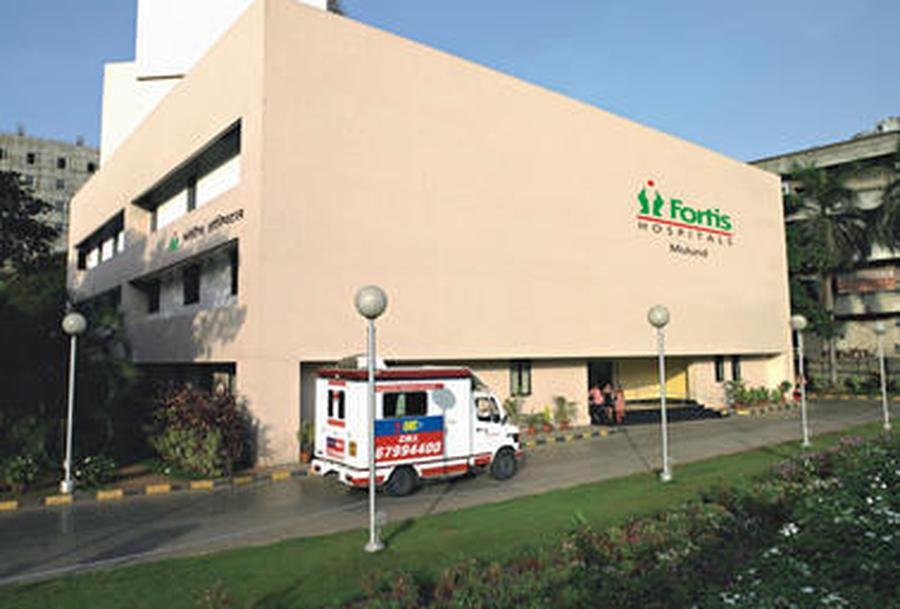
- Fortis Hospital Mulund, India
- Asian Heart Institute, India
Obtenga una evaluación médica para en India: Elija su especialista entre los mejores en el campo
Ver todos los médicos
Preeti Yadav
La Dra. Preeti Yadav combina la precisión estética y la experiencia reconstructiva en cirugía de la mano en Konarc Aesthetics, con más de 10 años de experiencia.
- Se especializa en cirugía reconstructiva facial y de mano
- Utiliza técnicas avanzadas para obtener resultados de aspecto natural
- Enfoque holístico adaptado a las necesidades individuales del paciente

Compartir contenido
Historias en video de pacientes de Bookimed
 Olena Sikoza
Preguntas frecuentes sobre Cirugía de muñeca en India
¿Qué tipos de cirugía de mano se realizan con mayor frecuencia en la India?
La cirugía de mano en la India aborda principalmente lesiones traumáticas y afecciones crónicas. La fijación de fracturas y las reparaciones de tendones son las más frecuentes. Estos procedimientos representan aproximadamente el 55% de los casos en los principales hospitales indios. Los centros especializados también realizan microcirugías complejas como la reconexión de nervios y el reimplante de dedos.
- Reparación de traumatismos: Los cirujanos utilizan clavos y placas para fijar fracturas de dedos y muñecas.
- Cirugía de tendones: Los médicos realizan reparaciones agudas y trasplantes complejos para cortes profundos en la mano.
- Procedimientos electivos: Las liberaciones del túnel carpiano y del dedo en resorte son cirugías estándar de día.
- Microcirugía avanzada: Los centros especializados reimplantan dedos seccionados y realizan trasplantes de mano exitosos.
- Corrección congénita: Los cirujanos pediátricos tratan afecciones como dedos palmeados y mano zamba radial.
Perspectiva del experto de Bookimed: Las clínicas indias con acreditaciones JCI y NABH, como el Apollo Hospital Indraprastha y el BLK Super Speciality Hospital, gestionan volúmenes masivos de pacientes. Esta escala permite a los cirujanos perfeccionar las técnicas microquirúrgicas. Los centros de alto volumen a menudo brindan mejores resultados para r
¿Qué tasas de éxito pueden esperar los turistas médicos para cirugías de mano en la India?
La cirugía de mano en la India logra tasas de éxito de entre el 90% y el 98% para la mayoría de los procedimientos reconstructivos. Los centros especializados reportan más del 95% de éxito en reparaciones de fracturas y reconstrucciones de tendones. Los resultados microquirúrgicos suelen variar entre el 80% y el 95%. Estos resultados coinciden con los estándares encontrados en EE. UU. y Europa.
- Éxito del procedimiento: Las reparaciones de fracturas y tendones alcanzan más del 95% de éxito en los principales centros.
- Control de infecciones: Los hospitales acreditados por la JCI en la India mantienen tasas de infección por debajo del 0,5%.
- Experiencia especializada: Los cirujanos del Apollo Hospital Indraprastha a menudo cuentan con formación internacional de superespecialidad.
- Resultados de microcirugía: Las reparaciones delicadas de nervios y vasos sanguíneos muestran una restauración funcional del 80% al 95%.
Perspectiva del experto de Bookimed: El éxito en la India depende en gran medida del volumen de pacientes y la acreditación del hospital. El Apollo Hospital Indraprastha atiende a más de 1.000.000 de pacientes al año. Estos centros de alto volumen desarrollan protocolos quirúrgicos más eficientes. Este volumen se correlaciona directamente con la tasa de éxito del 98% observada en los procedimientos electivos de mano. Elegir instal
¿Qué hospitales son reconocidos internacionalmente por su excelencia en cirugía de mano en la India?
Los principales hospitales indios para la excelencia en cirugía de mano incluyen instalaciones acreditadas por la JCI como el Apollo Hospital Indraprastha y el BLK Super Speciality Hospital. Estos centros se especializan en microcirugía compleja, corrección de deformidades congénitas de la mano y reimplante de extremidades. Siguen protocolos de seguridad internacionales para garantizar altas tasas de éxito en reparaciones de nervios y vasos sanguíneos.
- Estándares de acreditación: El Apollo Hospital Indraprastha y el BLK Super Speciality Hospital cuentan con certificaciones JCI y NABH.
- Volumen clínico: El Apollo Hospital Indraprastha trata a más de 1,000,000 de pacientes internacionales y nacionales cada año.
- Microcirugía avanzada: Los centros regionales realizan procedimientos complejos como trasplantes de doble mano y reimplantes digitales.
- Experiencia especializada: Los cirujanos a menudo poseen títulos MCh en cirugía plástica y reconstructiva, como la Dra. Preeti Yadav.
Perspectiva del experto de Bookimed: El volumen de pacientes es una señal importante de calidad en la India. Las grandes redes como Apollo Hospitals utilizan su escala masiva para mantener laboratorios de diagnóstico especializados. Esta infraestructura permite a los cirujanos realizar reconstrucciones complejas de mano que instalaciones más pequeñas podrían no estar
¿Cuánto duran normalmente la hospitalización y la recuperación total para los pacientes de cirugía de mano en la India?
La cirugía de mano en la India generalmente requiere una hospitalización de 1 a 3 días. Los procedimientos menores, como la liberación del túnel carpiano, a menudo permiten el alta el mismo día. Los casos de reconstrucción complejos pueden requerir de 5 a 7 días. La recuperación funcional suele tomar de 3 a 6 meses. La fuerza completa a menudo regresa después de 12 meses.
- Estancia hospitalaria: Las cirugías menores son ambulatorias, mientras que las reparaciones de huesos o tendones requieren de 1 a 3 días.
- Curación inicial: Las férulas y suturas generalmente se retiran después de 10 a 14 días de recuperación.
- Inicio de la rehabilitación: Los ejercicios tempranos de rango de movimiento y la fisioterapia suelen comenzar dentro de las 2 a 6 semanas.
- Retorno funcional: La mayoría de los pacientes reanudan actividades diarias ligeras y trabajo de escritorio después de 6 a 12 semanas.
Perspectiva del experto de Bookimed: Los centros indios como el Apollo Hospital Indraprastha y el BLK Super Speciality Hospital a menudo utilizan protocolos de alta rápida. Estas instalaciones acreditadas por la JCI se centran en la movilización temprana para acelerar la recuperación. Nuestros datos muestran que los pacientes en centros de alto volumen a menudo comienzan la fisioterapia antes. Este enfoque en la rehabilitación temprana puede reducir el cronogra
¿Qué preguntas clave deben hacer los pacientes durante una consulta prequirúrgica con un cirujano de mano indio?
Los pacientes deben preguntar sobre la experiencia específica del cirujano con su diagnóstico y el cronograma esperado de recuperación funcional. Pregunte sobre las certificaciones de la Joint Commission International (JCI) o del National Accreditation Board for Hospitals and Healthcare Providers (NABH). Confirme si el cirujano principal realiza todo el procedimiento personalmente.
- Experiencia clínica: Pregunte por las tasas personales de complicaciones y reoperaciones del cirujano para su procedimiento.
- Detalles de la recuperación: Solicite un cronograma pesimista para volver a escribir, conducir o practicar deportes.
- Estándares de las instalaciones: Verifique si el hospital cuenta con acreditación NABH o JCI para la seguridad del paciente.
- Plan de fisioterapia: Confirme si la clínica ofrece terapia de mano certificada interna o referencias externas.
Perspectiva de expertos de Bookimed: Los centros de alto volumen como el Apollo Hospital Indraprastha atienden a más de 1.000.000 de pacientes internacionales al año. Los datos muestran que estas grandes instituciones a menudo cuentan con laboratorios de diagnóstico especializados que brindan autorizaciones preoperatorias más rápidas. Esta eficiencia puede reducir su estancia general en la India en varios días en comparación con clínicas más pequeñas.
Consenso de los pacient