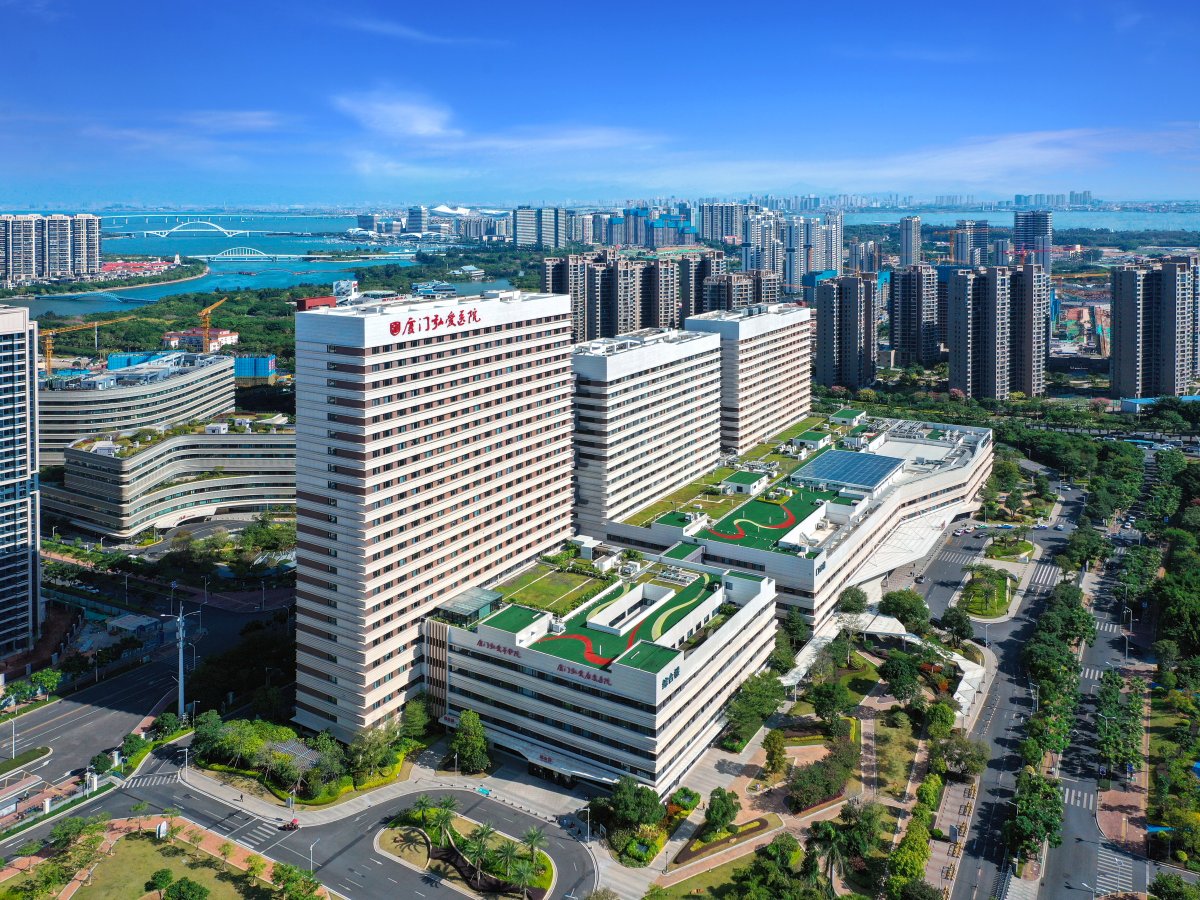
Hospital Xiamen Humanity
China, Xiamen


Revisado médicamente por
Fahad Mawlood
El costo de la proctología en China suele oscilar entre $3,900 y $12,000. Estos precios varían según el nivel del centro clínico, la complejidad de la intervención quirúrgica y la duración de la estancia hospitalaria. Los pacientes pueden esperar ahorros del 50-70% en comparación con los Estados Unidos.
Costos típicos de proctología en China
Los tratamientos especializados están disponibles principalmente en Pekín, Shanghái y Cantón. Los costos en las ciudades de primer nivel como Pekín suelen ser entre un 10 y un 30% más altos que en las ciudades de segundo nivel. Consulte con un especialista para obtener precios precisos para su condición específica.
| China | España | Turquía | |
|---|---|---|---|
| Resección rectal | ≈ $9,000 | de $29,000 | de $7,000 |
| Ligadura de hemorroides con banda elástica | ≈ $450 | de $2,300 | de $3,600 |
| Hemorroidectomía con grapas | ≈ $3,000 | ≈ $2,200 | de $1,800 |
| Hemorroidectomía | ≈ $2,200 | de $4,000 | de $1,800 |
| Cirugía láser del seno pilonidal | ≈ $3,200 | de $5,000 | de $2,700 |
Bookimed no añade cargos extra a los precios de los tratamientos de Proctología. Las tarifas proceden de las listas de precios oficiales de las clínicas. Pagará directamente en la clínica por su tratamiento a su llegada al país.
Bookimed está comprometido con su seguridad. Solo trabajamos con las clínicas que mantienen altos estándares internacionales en el tratamiento de Proctología y tienen las licencias necesarias para atender a pacientes internacionales en todo el mundo.
Bookimed ofrece asistencia experta gratuita. Un coordinador médico personal le apoya antes, durante y después del tratamiento, resolviendo cualquier problema. Nunca estará solo en su viaje médico de procedimientos de Proctología.

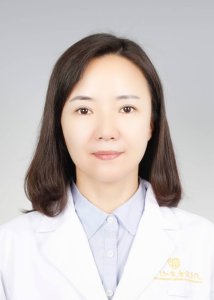
La profesora Liang Xiaoxiao es Directora del Departamento y Jefa de Servicio de Neurorrehabilitación. Cuenta con una maestría en neurología. Es experta en neuromodulación para trastornos de la conciencia, la cognición y el movimiento. Su labor se centra en casos de enfermedad cerebrovascular, enfermedad de Parkinson y afecciones relacionadas. También realiza inyecciones de toxina botulínica guiadas por ecografía para el blefaroespasmo, el espasmo hemifacial, la espasticidad de las extremidade
 Olena Sikoza
En China, el tratamiento de las enfermedades proctológicas combina técnicas quirúrgicas occidentales con la medicina tradicional china (MTC). Los procedimientos más comunes incluyen la hemorroidectomía con grapadora y la ligadura con banda elástica. Los centros más avanzados utilizan sistemas robóticos para la cirugía rectal. La fumigación con hierbas se emplea frecuentemente como parte de la terapia combinada para acelerar la recuperación posoperatoria.
Opinión de expertos de Bookimed: En el ámbito médico chino, existen instituciones de gran importancia como el Hospital Humanitario de Xiamen. Este centro atiende a 1.000.000 de pacientes anualmente en 47 departamentos. Este elevado flujo de pacientes permite a los cirujanos adquirir rápidamente una amplia experiencia en casos co
En China, la medicina tradicional china (MTC) se integra con la proctología moderna para acelerar la curación y aliviar el dolor. Los cirujanos combinan métodos occidentales con fumigación con hierbas, acupuntura y preparados herbales internos. Este enfoque multimodal se utiliza para tratar hemorroides, fístulas y estreñimiento crónico. Su objetivo es reducir la inflamación y acortar el tiempo de recuperación.
Opinión de un experto de Bookimed: En China, la medicina tradicional china (MTC) no es un servicio opcional. Grandes instituciones médicas, como el Hospital Humanitario de Xiamen, suelen incluir estos tratamientos en sus protocolos quirúrgicos estándar. Los pacientes deben esperar que las infusiones de hierbas formen parte habitual de su programa de recuperación. Si las etiquetas están solo en chino, solicite siempre la
El método de sutura y compresión con almohadilla (SDPC, por sus siglas en inglés) es una técnica proctológica china utilizada para tratar fístulas anales, abscesos y quistes pilonidales. Esta terapia en dos etapas preserva la función de los músculos anales. Utiliza suturas internas para desobstruir las fístulas, seguidas de presión externa para cerrar el espacio muerto.
Opinión de expertos de Bookimed: La calidad de este procedimiento suele estar relacionada con los grandes centros especializados de China. El Hospital Humanitario de Xiamen atiende a 1.000.000 de pacientes al año y cuenta con 47 departamentos clínicos especializados. Las instituciones médicas más grandes suelen ofrecer resultados más consistentes en procedimientos anorrectales complejos, como la SDPC, debido al elevado volumen de inter
La recuperación tras procedimientos proctológicos comunes en China suele durar entre 2 y 8 semanas. El dolor inicial alcanza su punto máximo entre los 2 y 5 días. La mayoría de los pacientes retoman sus actividades laborales sedentarias en un plazo de 10 a 14 días. La curación completa en casos complejos, como la hemorroidectomía, puede tardar hasta 6 semanas.
Opinión de expertos de Bookimed: Los datos clínicos de grandes centros como el Hospital Humanitario de Xiamen demuestran un enfoque en la eficiencia y el alto volumen de pacientes. Estas instituciones atienden a más de 1.000.000 de pacientes al año en 47 departamentos. Este enorme volumen permite a los cirujanos perfeccionar técnicas que minimizan el trauma tisular. Los pacientes se benefician de protocolos de recuperación estandarizados, desarrollados a partir de mil
Entre los principales hospitales de proctología de China se encuentran el Hospital Universitario de Pekín y el Hospital Humanitario de Xiamen. Estas instituciones se especializan en cirugía anorrectal y colorrectal avanzada, utilizando técnicas mínimamente invasivas como procedimientos laparoscópicos y endoscópicos. Los centros más grandes de Pekín y Shanghái destacan por los excelentes resultados de procedimientos quirúrgicos complejos.
Opinión de expertos de Bookimed: El Hospital Humanitario de Xiamen atiende a la impresionante cifra de 1.000.000 de pacientes al año. Este alto volumen de pacientes le permite realizar ensayos clínicos acreditados de medicamentos de las fases I a IV. Estas capacidades de investigación suelen indicar que un hospital utiliza los protocolos de tratamiento más recientes. Los pacientes deben prestar atención a
En los hospitales chinos, el personal angloparlante se encuentra principalmente en los departamentos internacionales de las instituciones de nivel III A. Los grandes centros, como los de Pekín y Shanghái, ofrecen atención multilingüe. Los médicos que hablan inglés con fluidez son escasos en las salas de hospitalización general. Los pacientes suelen usar aplicaciones de traducción o contratar traductores autónomos para consultas complejas de proctología.
Opinión de expertos de Bookimed: Los datos del Hospital Humanitario de Xiamen muestran que los grandes centros que atienden a 1.000.000 de pacientes al año priorizan los servicios internacionales estructurados. Estos centros de alto volumen suelen tener protocolos especiales para pacientes de Europa y Asia
El tratamiento de enfermedades proctológicas en China requiere una visa L (de turista) o M (de negocios). No existe una categoría especial de visa médica para pacientes extranjeros. La mayoría de los procedimientos colorrectales de corta duración (menos de 30 días) se aprueban con una visa L. Las estancias más largas o las revisiones de seguimiento suelen requerir una visa M para mayor flexibilidad.
Opinión de un experto de Bookimed: Las clínicas en grandes ciudades como Pekín manejan un flujo de pacientes increíblemente alto. El Hospital Humanitario de Xiamen atiende a 1.000.000 de pacientes al año en 47 departamentos. Esta alta rotación de personal implica que los equipos administrativos son extremadamente eficientes. Por