Proctología en India — Costos 2026


Revisado médicamente por
Fahad Mawlood
¿Cuál es el precio de procedimientos de Proctología en India? Descubra ahora
| India | España | Turquía | |
|---|---|---|---|
| Resección rectal | ≈ $6,500 | de $29,000 | de $7,000 |
| Ligadura de hemorroides con banda elástica | ≈ $550 | de $2,300 | de $3,600 |
| Hemorroidectomía con grapas | de $2,100 | ≈ $2,200 | de $1,800 |
| Hemorroidectomía | de $1,300 | de $4,000 | de $1,800 |
| Cirugía láser del seno pilonidal | ≈ $1,800 | de $5,000 | de $2,800 |
Sus beneficios y garantías con Bookimed
Precios directos
Bookimed no añade cargos extra a los precios de los tratamientos de Proctología. Las tarifas proceden de las listas de precios oficiales de las clínicas. Pagará directamente en la clínica por su tratamiento a su llegada al país.
Sólo clínicas y médicos verificados
Bookimed está comprometido con su seguridad. Solo trabajamos con las clínicas que mantienen altos estándares internacionales en el tratamiento de Proctología y tienen las licencias necesarias para atender a pacientes internacionales en todo el mundo.
Asistencia 24/7 gratuita
Bookimed ofrece asistencia experta gratuita. Un coordinador médico personal le apoya antes, durante y después del tratamiento, resolviendo cualquier problema. Nunca estará solo en su viaje médico de procedimientos de Proctología.

Su coordinador médico personal de Bookimed
- Le apoya en cada etapa
- Ayuda a elegir la clínica y el médico adecuados
- Asegura un acceso rápido y conveniente a la información
Descubra las mejores clínicas de Proctología en India: 24 opciones verificadas y Precios






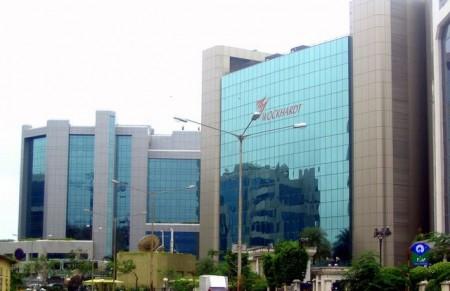
Wockhardt Hospital







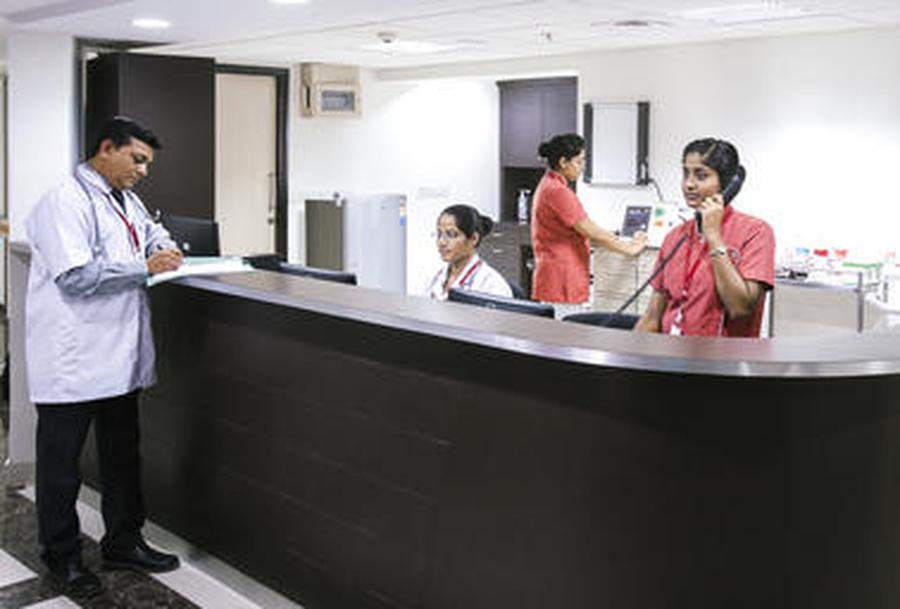
Los mejores centros médicos de Proctología en India
- Apollo Hospital Indraprastha, India
- Medanta Hospital, India
- Wockhardt Hospital, India
- Manipal Hospitals, India
- Global Hospital Chennai, India
- BLK Super Speciality Hospital, India
- Aster CMI Hospital, India
- Global Hospital Mumbai, India
- Manipal Goa Hospital, India
- Wockhardt Hospital South Mumbai, India
Obtenga una evaluación médica para en India: Elija su especialista entre los mejores en el campo
Ver todos los médicos
Devaprashanth M

Mohammad Atif Khan
Compartir contenido
Historias en video de pacientes de Bookimed
 Olena Sikoza
Preguntas frecuentes sobre Proctología en India
¿Cuándo debo consultar a un proctólogo?
Debe consultar a un proctólogo si presenta sangrado rectal persistente, dolor anal intenso o bultos crónicos. Programe una visita si los cambios en los hábitos intestinales duran más de dos semanas. La evaluación temprana en hospitales indios acreditados por la JCI previene complicaciones. La mayoría de los especialistas recomiendan exámenes colorrectales de rutina a partir de los 45 años.
- Sangrado rectal: Consulte a un especialista ante cualquier presencia de sangre en las heces o en el papel higiénico.
- Dolor persistente: Visite a un médico si el picor, ardor o dolor anal dura más de 1 semana.
- Cambios físicos: Busque atención inmediata ante nuevos bultos, hinchazón o síntomas de prolapso rectal.
- Cambios en los hábitos: Consulte si la diarrea o el estreñimiento persisten durante más de 14 días.
- Necesidades de detección: Comience los chequeos preventivos a los 45 años, o antes si tiene antecedentes familiares.
Perspectiva del experto de Bookimed: Los datos de las principales redes indias como Apollo y Manipal sugieren un alto volumen de procedimientos mínimamente invasivos exitosos. Las clínicas con acreditaciones JCI y NABH a menudo resuelven el 70% de los síntomas solo con consejos de higiene y dieta especializados. Consultar a un proctólogo a tiempo en Delhi o Bengaluru a menudo evita la necesidad de cirugía.
¿Qué sucede durante la primera consulta?
La primera consulta de proctología en la India implica una revisión del historial médico y una evaluación física. Los especialistas en clínicas como Manipal Hospitals o Apollo Hospital Indraprastha evalúan síntomas como sangrado o dolor. La sesión concluye con un diagnóstico y un plan de tratamiento personalizado.
- Historial médico: Los médicos discuten los hábitos intestinales, la dieta y los antecedentes familiares durante 10 minutos.
- Examen físico: Una breve inspección visual o un examen rectal digital de 10 segundos evalúa el área.
- Experiencia clínica: Instalaciones como el BLK Super Speciality Hospital utilizan equipos de diagnóstico de estándar europeo.
- Opciones conservadoras: Los cirujanos a menudo recetan cremas medicinales o baños de asiento antes de sugerir una cirugía.
Perspectiva del experto de Bookimed: Los grupos médicos indios como Aster DM Healthcare o Manipal Hospitals gestionan millones de pacientes anualmente. Este alto volumen permite a sus proctólogos identificar condiciones complejas rápidamente. Los pacientes que visitan estos centros a menudo reciben un mapa diagnóstico completo durante la primera visita.
Consenso de los pacientes: Los pacientes señalan que el examen es mucho más rápido y menos invasivo de lo esperado. Sugieren usar ropa holgada y traer fotos de los síntomas para ayudar al
¿Es doloroso el examen?
Los exámenes proctológicos en la India generalmente no son dolorosos, pero implican sensaciones de presión o molestias leves. Procedimientos como los tactos rectales o las anoscopias suelen durar solo unos minutos. La mayoría de los pacientes consideran que la sensación física es mucho más leve que la preocupación mental inicial.
- Duración del procedimiento: La mayoría de los exámenes rectales de diagnóstico se completan en menos de 2 minutos.
- Tipo de sensación: Los pacientes suelen sentir una presión interna similar a la necesidad de defecar.
- Manejo del dolor: Las clínicas privadas indias utilizan de forma estándar geles lubricantes y aerosoles anestésicos locales.
- Calidad de la clínica: Los centros acreditados como Manipal Hospitals priorizan la comodidad del paciente durante las pruebas sensibles.
Perspectiva de expertos de Bookimed: Los datos de grandes redes indias como Apollo Hospitals y Medanta muestran un vínculo directo entre la experiencia del médico y la comodidad del paciente. Las clínicas que realizan más de 20.000 procedimientos al año suelen tener protocolos refinados para la lubricación y técnicas de relajación. Elegir un centro de alto volumen en Delhi o Bengaluru generalmente garantiza un proceso de diagnóstico más fluido y menos estresante.
Consenso de los pacientes: Los pacientes señalan que el
¿Cuáles son los beneficios de la cirugía láser para hemorroides y fisuras?
La cirugía láser para hemorroides y fisuras en la India ofrece una alternativa mínimamente invasiva a los métodos tradicionales. Utiliza haces de alta precisión para reducir las hemorroides o eliminar el tejido cicatricial. Esta técnica sella instantáneamente las terminaciones nerviosas y los vasos sanguíneos. La mayoría de los pacientes experimentan un dolor mínimo y regresan a sus actividades diarias en 2 días.
- Tiempo de recuperación: Los pacientes a menudo regresan a trabajos de oficina dentro de las 48 horas posteriores al procedimiento.
- Manejo del dolor: El sellado láser de las terminaciones nerviosas reduce significativamente las molestias postoperatorias y el dolor agudo.
- Precisión quirúrgica: El láser apunta al tejido enfermo sin cortar el músculo del esfínter anal.
- Seguridad clínica: La energía térmica actúa como un agente esterilizante para reducir el riesgo de infección.
Perspectiva del experto de Bookimed: Las redes médicas más grandes de la India, como Apollo Hospital Indraprastha y Manipal Hospitals, combinan la seguridad acreditada por la JCI con un alto volumen de pacientes. Nuestros datos muestran que estos centros realizan miles de casos de proctología anualmente. Este alto volumen a menudo permite a las clínicas ofrecer tecnología láser avanzada a tarifas competitivas en comparación con instalaciones más pequeñas. Los
¿Es la cirugía láser una cura permanente para las hemorroides?
La cirugía láser para hemorroides ofrece una alta tasa de éxito del 90 al 98 % en el alivio de los síntomas. Es altamente efectiva para reducir las hemorroides de grado 2 y 3. Sin embargo, no es una cura permanente garantizada. Pueden desarrollarse nuevas hemorroides si no se abordan las causas subyacentes, como el estreñimiento crónico.
- Tasa de éxito: Los informes muestran una mejora de los síntomas a corto plazo del 90 % al 98 %.
- Riesgo de recurrencia: Los estudios a largo plazo indican una tasa de recurrencia del 34 % después de 5 años.
- Tiempo de recuperación: Los pacientes suelen volver al trabajo en un plazo de 2 a 3 días.
- Candidatos ideales: Más efectiva para tratar hemorroides de grado 2 y grado 3.
- Casos avanzados: La cirugía tradicional puede ser más definitiva para las hemorroides de grado 4.
Perspectiva del experto de Bookimed: Los hospitales indios como el Global Hospital Chennai y los Manipal Hospitals utilizan tecnologías mínimamente invasivas avanzadas. Nuestros datos muestran que los centros con acreditación de la Joint Commission International (JCI) a menudo manejan mayores volúmenes de pacientes internacionales. Estos centros combinan procedimientos láser con asesoramiento nutricional detallado para reducir eficazmente los riesgos de recurrencia a largo plazo.
Consenso de los pac
¿Existen opciones no quirúrgicas?
Las opciones proctológicas no quirúrgicas en la India se centran en el manejo conservador y técnicas mínimamente invasivas. Los pacientes a menudo resuelven hemorroides o fisuras de grado 1-2 mediante ajustes dietéticos, tópicos especializados y procedimientos ambulatorios. Estos métodos evitan la anestesia general, las incisiones y las largas estancias hospitalarias durante la recuperación.
- Terapia conservadora: Las dietas ricas en fibra y los baños de asiento suelen resolver los síntomas en 2 semanas.
- Mínimamente invasivo: La ligadura con banda elástica (RBL) es un procedimiento común en clínicas ambulatorias.
- Alternativas ayurvédicas: El Kshar Sutra proporciona una opción tradicional no quirúrgica para casos complejos de fístulas.
- Manejo farmacológico: Los ablandadores de heces y las pomadas tópicas tratan eficazmente los problemas proctológicos en etapas tempranas.
Perspectiva del experto de Bookimed: Los datos de grandes redes como Manipal Hospitals y Apollo Hospitals muestran un cambio hacia una alta precisión diagnóstica. Estos centros utilizan exámenes avanzados para identificar si los cambios en el estilo de vida pueden reemplazar la cirugía. Los pacientes que eligen instalaciones especializadas en Bengaluru o Delhi a menudo acceden a protocolos combinados que integran la medicina moderna con prácticas de recuperación locales.<
¿Qué cualificaciones y certificaciones internacionales suelen tener los proctólogos indios que tratan a turistas médicos?
Los proctólogos indios suelen tener un Master of Surgery (MS) o un Diplomate of National Board (DNB) en Cirugía General. Muchos realizan becas avanzadas del Royal College of Surgeons (FRCS) o del American College of Surgeons (FACS). Deben mantener su registro en la National Medical Commission (NMC).
- Fundamentos académicos: Incluye un título de MBBS de 5,5 años y una especialización de posgrado de 3 años en MS o DNB.
- Becas avanzadas: Los cirujanos a menudo poseen honores de Fellow of the Indian Association of Gastrointestinal Endo-Surgeons (FIAGES).
- Títulos de superespecialidad: Los consultores de alto nivel pueden obtener un Magister Chirurgiae (MCh) en Gastroenterología Quirúrgica.
- Acreditación hospitalaria: Los médicos principales trabajan en instalaciones certificadas por la Joint Commission International (JCI) o NABH.
Perspectiva de expertos de Bookimed: Los datos sugieren una correlación entre un alto volumen de pacientes y afiliaciones internacionales específicas. Hospitales como Apollo Hospital Indraprastha y Manipal Hospitals, que atienden a más de 1.000.000 de pacientes al año, reclutan activamente cirujanos con becas del Reino Unido, Singapur o Alemania. Esta formación occidental es un indicador principal del enfoque de una clínica en los estándares internacionales de tratamiento.
Consenso de los pacientes:
¿El tratamiento está cubierto por el seguro?
Los tratamientos proctológicos en la India generalmente están cubiertos por el seguro cuando se establece la necesidad médica. La mayoría de las principales aseguradoras, como ICICI Lombard o Star Health, ofrecen cobertura para cirugías. Esto incluye procedimientos para hemorroides, fístulas y fisuras anales. La cobertura depende de su póliza específica y de su proveedor.
- Períodos de carencia: Las pólizas nuevas a menudo incluyen un período de carencia de 1 a 2 años para afecciones proctológicas.
- Tipos de póliza: Los planes suelen cubrir cirugías hospitalarias, excluyendo los casos puramente estéticos o electivos.
- Cobertura pública: Ayushman Bharat ofrece cirugías proctológicas gratuitas en hospitales acreditados para pacientes elegibles.
- Preautorización: Los pacientes deben obtener la aprobación de 7 a 10 días antes de la cirugía para confirmar los costos cubiertos.
Opinión del experto de Bookimed: Nuestros datos muestran que las principales redes médicas como Apollo Hospitals y Manipal Hospitals mantienen altos estándares JCI y NABH. Estas acreditaciones a menudo simplifican el proceso de reclamación al seguro para pacientes internacionales y locales. Elegir un centro acreditado generalmente garantiza una coordinación más fluida entre la administración del hospital y su proveedor de seguros.
Consenso de los pacientes:
¿Son las técnicas proctológicas mínimamente invasivas utilizadas en la India equivalentes a las de EE. UU. o Europa?
Las técnicas proctológicas mínimamente invasivas en la India son equivalentes a las de EE. UU. y Europa. Los hospitales de primer nivel utilizan sistemas robóticos aprobados por la USFDA y herramientas de alta definición. Estos centros reportan tasas de éxito del 92 al 97 % para tratamientos de cáncer colorrectal. Cirujanos expertos realizan a menudo resecciones laparoscópicas y robóticas complejas.
- Tecnología avanzada: Clínicas como el Apollo Hospital Indraprastha utilizan plataformas quirúrgicas robóticas acreditadas por la JCI.
- Precisión quirúrgica: Los cirujanos del Aster CMI Hospital utilizan impresión 3D para trasplantes complejos.
- Estándares de acreditación: Las instalaciones líderes mantienen certificaciones JCI, NABH e ISO para la seguridad internacional.
- Procedimientos modernos: Los centros ofrecen cirugía laparoscópica y ablación láser que cumplen con los protocolos occidentales.
Perspectiva del experto de Bookimed: Las redes médicas más grandes de la India, como Manipal y Apollo, operan cientos de hospitales en varios países. Esta escala masiva permite a estas instituciones estandarizar protocolos quirúrgicos complejos. Los pacientes se benefician de una experiencia de alto volumen, donde los cirujanos realizan miles de procedimientos mínimamente invasivos anualmente.
Consenso de los pacientes: Los pa
¿Cuáles son los riesgos reconocidos y cómo se mitigan para los pacientes internacionales que se someten a cirugía proctológica en la India?
Los pacientes internacionales en la India se enfrentan a riesgos como infecciones del sitio quirúrgico, retención urinaria y trombosis venosa profunda relacionada con los viajes. La mitigación incluye la elección de hospitales con certificaciones de la Joint Commission International (JCI) o del National Accreditation Board for Hospitals (NABH). Estas instalaciones siguen las listas de verificación de seguridad quirúrgica de la OMS y utilizan tecnología láser para reducir el sangrado.
- Control de infecciones: Los hospitales acreditados por la JCI, como el Apollo Hospital Indraprastha, siguen estrictamente los protocolos de esterilización globales.
- Uso de tecnología: Las clínicas suelen utilizar cirugía láser para minimizar las heridas y reducir los riesgos de infección.
- Seguridad en los viajes: Los pacientes deben permanecer entre 10 y 14 días después de la cirugía para prevenir coágulos durante los vuelos largos.
- Comunicación: Instalaciones como el BLK Super Speciality Hospital proporcionan gestores de casos para cerrar las brechas lingüísticas.
Perspectiva del experto de Bookimed: Los datos de centros de gran volumen como los Manipal Hospitals, que atienden a 2.000.000 de pacientes al año, muestran que la escala institucional a menudo se correlaciona con una mejor seguridad estandarizada. Las grandes redes suelen tener departamentos int