Alopecia Tratamiento en China — Costos 2026


Revisado médicamente por
Fahad Mawlood
¿Cuál es el precio del diagnóstico y los tratamientos de Alopecia en China? Descubra ahora
El costo del tratamiento de la alopecia en China está influenciado principalmente por la elección entre la restauración capilar quirúrgica y las terapias regenerativas. Un trasplante capilar estándar oscila entre $2,800 y $5,500, mientras que las opciones avanzadas como el tratamiento capilar con células madre van desde Precio a consultar hasta Precio a consultar. Los gastos totales dependen del número de injertos, la precisión de la tecnología y la experiencia del cirujano. Los pacientes a menudo ahorran entre un 40 y un 70% en comparación con los precios en EE. UU. Los principales centros de tratamiento incluyen Pekín y Shanghái.
Costos típicos del tratamiento de la alopecia en China
- Trasplante capilar: $2,800 – $5,500
- Trasplante capilar FUE: $2,800 – $8,200
- Trasplante capilar DHI: $2,800 – $5,800
- Tratamiento capilar con células madre: Precio a consultar
- Trasplante capilar con células madre: $3,200 – $6,500
- Trasplante capilar FUE zafiro: Precio a consultar
- Trasplante de barba: $2,800 – $5,000
- Trasplante capilar frontal femenino: Precio a consultar
- Trasplante de vello corporal: Precio a consultar
- Trasplante capilar Neograft: Precio a consultar
Perspectiva de los expertos de Bookimed: Los pacientes que buscan un alto estándar de seguridad médica deben dirigirse a centros acreditados por la JCI en Pekín. El Hospital Internacional Yanda, una instalación de Clase A Nivel III, proporciona una infraestructura de élite para pacientes adultos. Si bien la restauración capilar a menudo depende de cadenas de clínicas, los hospitales multidisciplinarios ofrecen un valor superior para casos complejos de alopecia. Esto es especialmente cierto para los pacientes que requieren una supervisión diagnóstica sistémica junto con los procedimientos quirúrgicos.
| China | España | Turquía | |
|---|---|---|---|
| Tratamiento capilar con células madre | ≈ $3,200 | ≈ $3,800 | de $5,200 |
| Trasplante de barba | ≈ $2,800 | de $2,900 | de $1,300 |
| Terapia de rejuvenecimiento con células madre | ≈ $4,500 | ≈ $3,500 | de $1,100 |
| Rejuvenecimiento con células madre propias | ≈ $9,800 | ≈ $1,400 | de $1,200 |
| Rejuvenecimiento con células madre de donante | ≈ $2,800 | ≈ $1,800 | de $2,000 |
Sus beneficios y garantías con Bookimed
Precios directos
Bookimed no añade cargos extra a los precios de los tratamientos de Alopecia. Las tarifas proceden de las listas de precios oficiales de las clínicas. Pagará directamente en la clínica por su tratamiento a su llegada al país.
Sólo clínicas y médicos verificados
Bookimed está comprometido con su seguridad. Solo trabajamos con las clínicas que mantienen altos estándares internacionales en el tratamiento de Alopecia y cuentan con las licencias necesarias para atender a pacientes internacionales en todo el mundo.
Asistencia 24/7 gratuita
Bookimed ofrece asistencia experta gratuita. Un coordinador médico personal le apoya antes, durante y después de su tratamiento, resolviendo cualquier problema. Nunca estará solo en su viaje médico de tratamiento de Alopecia.

Su coordinador médico personal de Bookimed
- Le apoya en cada etapa
- Ayuda a elegir la clínica y el médico adecuados
- Asegura un acceso rápido y conveniente a la información
Descubra las mejores clínicas de tratamiento de Alopecia en China: 2 opciones verificadas y Precios


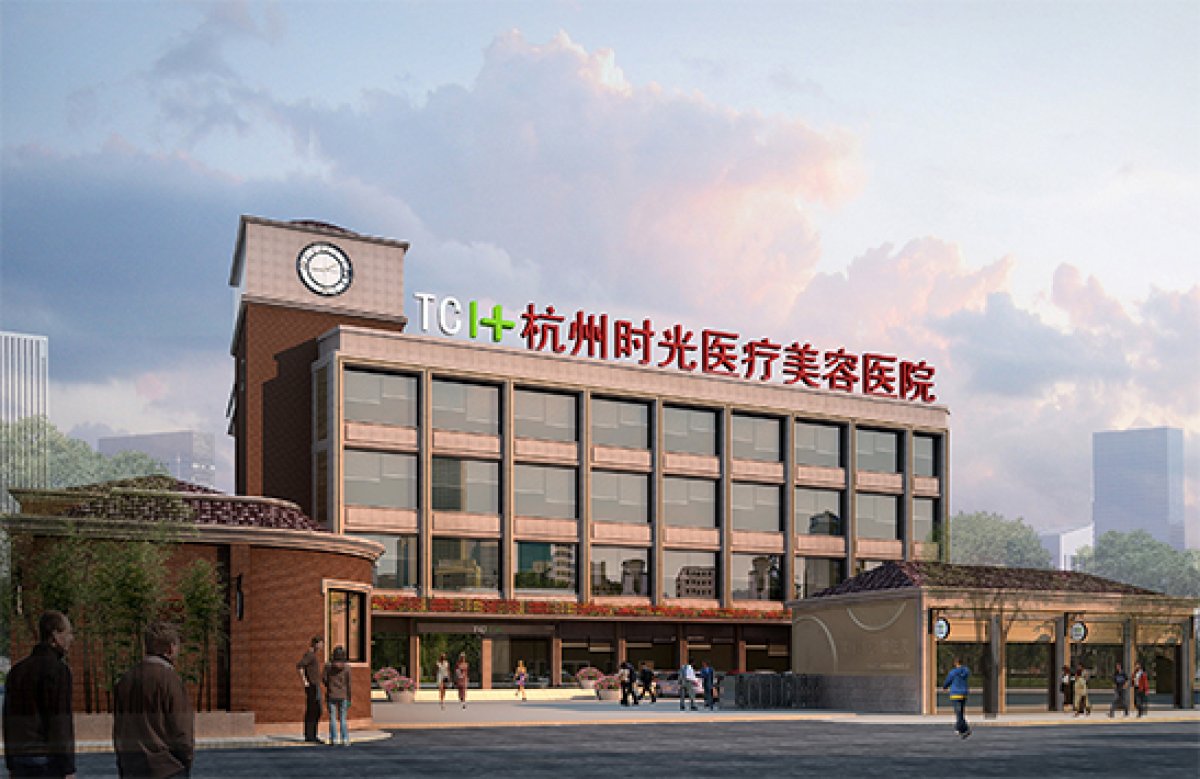
Hangzhou Shiguang Medical Beauty Hospital
Obtenga una evaluación médica para Alopecia en China: consulte con doctores experimentados ahora
Ver todos los médicos
Artículos relacionados

El trasplante capilar con células madre — una solución revolucionaria para la alopecia
Escrito por Olena Sikoza

Tratamiento capilar con células madre: Coste, beneficios y la ciencia que hay detrás de esta técnica revolucionaria
Escrito por Mariia Mytrofankina
Compartir contenido
Historias en video de pacientes de Bookimed
 Olena Sikoza
Preguntas frecuentes sobre el tratamiento de Alopecia en China
¿Es seguro el trasplante capilar en China para pacientes extranjeros?
Los trasplantes capilares en China son generalmente seguros cuando se realizan en hospitales acreditados por la JCI o en redes clínicas especializadas. Las instituciones líderes utilizan técnicas de extracción de unidades foliculares (FUE) y microagujas patentadas. La seguridad depende de seleccionar cirujanos certificados por organizaciones internacionales y verificar los estándares de higiene de la clínica antes de programar el procedimiento.
- Estándares de acreditación: Los centros sanitarios acreditados por JCI, como el Hospital Internacional Janda, cumplen con estrictos protocolos de seguridad internacionales.
- Igualdad tecnológica: las clínicas líderes utilizan la extracción de unidades foliculares (FUE) y el implante capilar directo (DHI).
- Nivel de cualificación de los cirujanos: La calidad del trabajo depende del nivel de experiencia, siendo los cirujanos de mayor nivel quienes realizan cirugías complejas de implantación de trasplantes.
- Volumen clínico: Grandes instituciones como el Hospital Internacional Janda atienden a más de 2.500.000 pacientes al año.
Opinión de los expertos de Bookimed: Los mejores hospitales de China suelen ofrecer un entorno más seguro que las clínicas privadas. El Hospital Internacional Yanda cuenta con la calificación de Nivel III (Clase A), la más alta en el sector médico de China. Las instituciones con e
¿Cuáles son los requisitos para ser cirujano de trasplante capilar en China?
En China, los cirujanos de trasplante capilar deben poseer un certificado de cualificación médica, para lo cual deben aprobar el examen nacional de cualificación médica. También requieren un certificado de práctica médica. Los mejores especialistas suelen completar ocho años de formación y contar con cinco años de experiencia en restauración capilar.
- Licencia médica: Los cirujanos deben aprobar el Examen Nacional de Calificación Médica para ejercer la medicina.
- Licencias: Las clínicas deben tener licencia para practicar cirugía estética.
- Formación especializada: Los especialistas más destacados suelen estar especializados en dermatología o cirugía plástica.
- Afiliación internacional: Los médicos de renombre pueden unirse a la Sociedad Internacional de Cirugía de Restauración Capilar.
Opinión de expertos de Bookimed: En China, la calidad se determina estrictamente por la clasificación hospitalaria, no solo por las licencias individuales. Elegir un centro acreditado por la JCI (Clase A III), como el Hospital Internacional Yanda, garantiza los más altos estándares de seguridad. Estos hospitales de primer nivel combinan protocolos internacionales con un gran flujo de pacientes, atendiendo a menudo hasta 2.500.000 pacientes al año.
Opinión de los pacientes: Los pacientes destacan la importancia de aclarar quién realiza e
¿Cuánto tiempo tendré que pasar en China para un trasplante de cabello estándar?
Un trasplante capilar en China generalmente requiere una hospitalización de 7 a 10 días para una recuperación óptima. Esto incluye las pruebas preoperatorias, el procedimiento en sí (de 4 a 8 horas) y los cuidados posteriores necesarios. La mayoría de los especialistas recomiendan esperar al menos 5 días antes de realizar vuelos internacionales largos para reducir la inflamación.
- Fase de llegada: El primer día se dedicará a análisis de sangre, examen del cuero cabelludo y consultas finales con el cirujano.
- Día de la intervención: La cirugía suele durar entre 4 y 8 horas y se realiza de forma ambulatoria.
- Recuperación local: Permanezca cerca durante 3 a 5 días para observar los injertos frágiles y el proceso de cicatrización inicial.
- Examen final: Al octavo día, se suele examinar la herida y se realiza el primer lavado profesional.
Opinión de expertos de Bookimed: Si bien el período de recuperación básico dura una semana, elegir centros médicos acreditados por la JCI, como el Hospital Internacional Yanda, garantiza los estándares de seguridad para pacientes internacionales. Los grandes centros chinos atienden a un gran volumen de pacientes, que a veces alcanza los 2.500.000 al año en todos los departamentos. Este alto volumen de pacientes suele traducirse en un proceso de diagnóstico extremadamente eficiente. A menudo, todas las pruebas pr
¿Qué instrucciones de seguimiento y monitorización se proporcionan a los pacientes internacionales?
En China, la atención postoperatoria para pacientes con alopecia incluye un plan de alta estructurado, que abarca el cuidado de la herida y la monitorización remota. Los pacientes suelen recibir un historial médico detallado con informes quirúrgicos y un esquema de medicación. La fase inicial de cicatrización y la retirada de las suturas se producen entre 7 y 14 días después de la hospitalización, tras lo cual se recomienda viajar al extranjero.
- Cuidado de la herida: Las instrucciones incluyen la limpieza de las zonas quirúrgicas, el cambio de apósitos estériles y el control diario del drenaje.
- Restricciones de actividad: Las directrices incluyen cuándo puede reanudar el levantamiento de objetos pesados, ducharse, conducir y volver al trabajo.
- Monitorización remota: Los especialistas utilizan aplicaciones de telemedicina como WeChat para realizar visitas in situ a intervalos mensuales.
- Protocolos de atención de emergencia: Se enseña a los pacientes a reconocer señales de alerta como fiebre o hinchazón local repentina.
Opinión de expertos de Bookimed: Las clínicas chinas de nivel III y categoría A, como el Hospital Internacional Yanda, cuentan con 3000 camas. Esta gran capacidad permite un seguimiento a largo plazo de los pacientes tras procedimientos complejos de restauración capilar. Los pacientes reciben supervisión médica las 24 horas
¿Son visibles las cicatrices de la zona donante tras un trasplante capilar FUE realizado en China?
Las cicatrices en la zona donante tras un trasplante capilar FUE chino son prácticamente invisibles si el cabello mide entre 1 y 2 cm. El procedimiento deja pequeñas marcas blancas de menos de 1 mm de diámetro. Estas marcas permanecen ocultas a menos que se afeite completamente el cuero cabelludo. Una extracción capilar experta garantiza una zona donante de aspecto natural.
- Aspecto de la cicatriz: Las micropunciones crean puntos hipopigmentados, generalmente de 0,7 a 0,9 mm de ancho.
- Límite de extracción: Mantener el nivel de extracción por debajo del 35 % de la densidad de células donantes evita la aparición de un patrón moteado.
- Precisión de la herramienta: El uso de punzones manuales de una sola hoja suele producir marcas más planas y menos visibles.
- Factor de cicatrización: El cuero cabelludo más grueso de los pacientes asiáticos requiere una distribución precisa y uniforme de los injertos.
Opinión de expertos de Bookimed: Datos de instituciones médicas líderes como el Hospital Internacional Janda demuestran que los centros acreditados por la JCI priorizan la salud a largo plazo de la zona donante. Si bien muchos pacientes se centran en la línea del cabello, el verdadero indicador de calidad es la densidad de la zona donante después de la cirugía. Elegir una clínica de Clase A III garantiza que los cirujanos seguirán protocolos estric
¿Qué ciudades de China continental tienen el mayor volumen y la mejor reputación en turismo de restauración capilar?
Pekín y Shanghái son los principales centros de restauración capilar en China continental y gozan de una merecida reputación. Pekín lidera en volumen de procedimientos y cuenta con amplias redes de especialistas. Por su parte, Shanghái mantiene una excelente reputación por su excelencia clínica y sus resultados de vanguardia en la extracción de unidades foliculares (FUE), tanto entre pacientes internacionales como locales.
- En Pekín, el volumen de operaciones es elevado: las redes especializadas de clínicas de la capital realizan más de 2.500 trasplantes de órganos.
- La reputación de Shanghái: Conocida como un centro de cirugía estética especializado en el tratamiento de la alopecia androgénica.
- Accesibilidad de Guangzhou: Popular entre los turistas del sudeste asiático debido a sus bajos precios y su gran afluencia mensual.
- Estándares clínicos: Las principales instituciones médicas, como el Hospital Internacional Janda, están acreditadas por la Joint Commission International.
Según los expertos de Bookimed: las clínicas de Pekín son conocidas por su eficiencia, pero los pacientes deben distinguir entre las grandes cadenas y los hospitales universitarios. Si bien el Hospital Internacional Yanda atiende a 2,5 millones de pacientes al año y cuenta con la categoría III A, los centros especializados en trasplantes capilares priorizan la rapidez
¿Utilizan las clínicas chinas las mismas soluciones de almacenamiento de trasplantes y los mismos métodos de control de calidad que las clínicas de Norteamérica o Europa?
Las principales clínicas chinas utilizan soluciones internacionales para la conservación de trasplantes, como solución salina refrigerada o solución de Ringer lactato. Las instituciones de alta calidad suelen emplear medios de conservación avanzados como HypoThermosol o Custodiol HTK, que cumplen con los estándares norteamericanos. El cumplimiento de la normativa de la UE, establecida por la Administración Nacional de Productos Médicos, garantiza la adhesión a los protocolos de seguridad.
- Medios de almacenamiento: En las clínicas de trasplantes se utilizan soluciones salinas, solución de Ringer o medios de cultivo HTK mejorados.
- Estándares de calidad: Los hospitales acreditados de Clase A Nivel III siguen estrictamente las directrices de la Administración Nacional de Dispositivos Médicos.
- Control de seguridad: Centros líderes como el Hospital Internacional Janda mantienen una estricta acreditación de la Comisión Conjunta Internacional.
- Carga de trabajo clínica: Las grandes instituciones médicas de Pekín atienden hasta 2.500.000 pacientes al año utilizando protocolos estandarizados.
Según los expertos de Bookimed: La calidad de la atención médica en China está estrechamente ligada a la reputación de la clínica en el mercado nacional. Los centros de alta calidad, clasificados como "Clase A, Nivel III", representan el máximo nivel