uni-asia hospital
China, Chengdu


Revisado médicamente por
Fahad Mawlood
El costo del tratamiento del cáncer de hígado en China oscila entre Precio a consultar y Precio a consultar para la quimioembolización hepática, mientras que la extirpación quirúrgica definitiva del cáncer de hígado varía de $9,500 a $17,500. Los gastos totales dependen de la etapa del cáncer, la acreditación del hospital y la tecnología específica utilizada, como los sistemas asistidos por robot. Los pacientes internacionales suelen ahorrar entre un 80 y un 85% en comparación con los Estados Unidos. Los principales centros de tratamiento incluyen Pekín, Shanghái y Cantón.
Costos típicos del tratamiento del cáncer de hígado en China
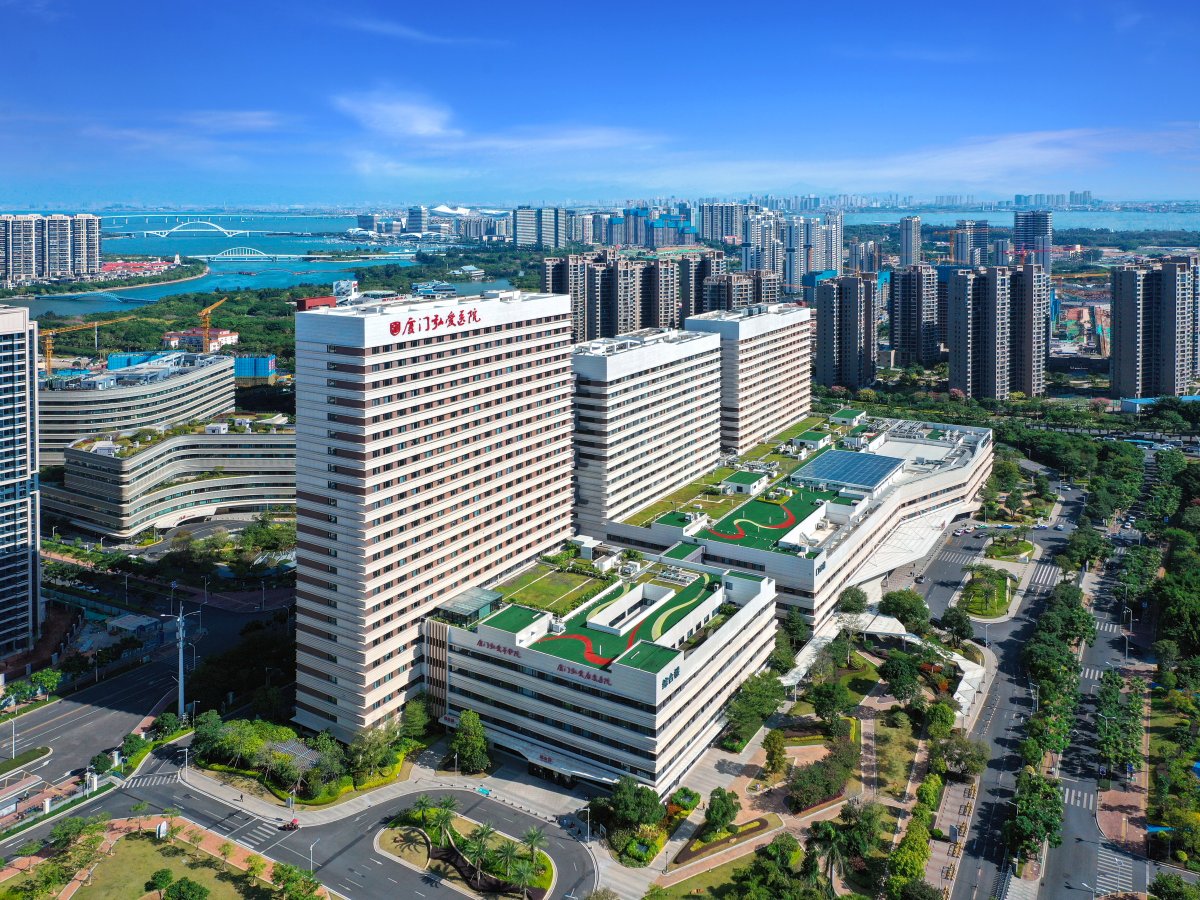
Perspectiva de los expertos de Bookimed: Los pacientes en etapas avanzadas encuentran un valor significativo en Cantón, en el Hospital Oncológico Fuda. Se especializan en NanoKnife mínimamente invasivo y criocirugía para casos complejos. El Dr. Niu Lizhi ha realizado casi 10,000 criocirugías, ofreciendo una profunda experiencia para candidatos no quirúrgicos. Para la radioterapia de precisión, el Hospital Humanity de Xiamen brinda atención de nivel terciario con apoyo oncológico multidisciplinario. Estas clínicas acreditadas por la JCI atienden eficazmente a pacientes internacionales de más de 100 países.
| China | España | Turquía | |
|---|---|---|---|
| Tomoterapia | ≈ $17,500 | ≈ $7,500 | de $6,700 |
| Terapia con haz de protones | ≈ $28,000 | de $43,300 | de $25,000 |
| Quimioterapia para el cáncer de hígado | ≈ $3,500 | de $2,300 | de $2,400 |
| Nanocuchillo | de $24,000 | ≈ $9,500 | ≈ $9,500 |
| Eliminación de cáncer de hígado | ≈ $9,500 | de $24,000 | de $12,000 |

Médico jefe y profesor. Experto de nivel 1 en el Centro Oncológico del West China Hospital, Sichuan University (clasificado n.º 2 en China). Completó un posdoctorado en radiología intervencionista en el Chinese PLA General Hospital. Dirige equipos multidisciplinarios (MDT) para tumores complejos. Experto en oncología intervencionista mínimamente invasiva para cánceres de hígado, pulmón y páncreas.
Acreditaciones: Miembro del consejo, WATA. Miembro de los comités de CACA y CMDA sobre in

El Dr. He Weibing es pionero de la crioablación con argón‑helio en China, con más de 20 años de práctica en primera línea. Fue miembro fundador del Hospital Oncológico Fuda (Guangzhou). Cofundó su Centro de Tratamiento Tumoral Mínimamente Invasivo y fue subdirector ejecutivo. También ayudó a crear el Grupo de Ablación de la Asociación China contra el Cáncer. Ha sido operador principal en más de 10.000 procedimientos.
Se especializa en crioablación tumoral y domina la braquiterapia con

El profesor Luo Xiaoping es un radiólogo intervencionista reconocido a nivel nacional y una autoridad destacada en el oeste de China. Comenzó a realizar intervenciones vasculares pioneras a principios de la década de 1990. Ayudó a fundar el Grupo de Intervencionismo del Segundo Hospital Afiliado de la Universidad Médica de Chongqing.
Ha realizado más de 100 000 procedimientos intervencionistas, incluidos unos 4 000 casos complejos. Sus competencias clave incluyen TACE para el carcinoma

El profesor Xiao Yueyong es médico jefe del Departamento de Radiodiagnóstico del Hospital General del EPL de China. Es un experto líder en oncología intervencionista mínimamente invasiva. Es el primer presidente de WATA (2025–). Preside la Sociedad Internacional (2020–) y la Sociedad Asiática (2012–) de Crioterapia. También es subjefe del Grupo de Expertos de la NHC sobre regulaciones de ablación tumoral (2009–).
Ha realizado más de 100 000 procedimientos mínimamente invasivos guiados

Escrito por Halina Shubala
Escrito por Veronika Kazina

Escrito por Veronika Kazina
 Olena Sikoza
En los centros médicos chinos, el tratamiento del cáncer de hígado se realiza mediante un enfoque multimodal basado en el sistema de estadificación chino. Las opciones de tratamiento principales incluyen la resección quirúrgica extensa, el trasplante hepático y terapias intervencionistas como la quimioembolización transarterial (TACE). Los centros especializados también utilizan inmunoterapia en combinación con tecnologías patentadas como NanoKnife y criocirugía para casos complejos.
Opinión experta de Bookimed: Los datos de instituciones médicas líderes, como el Hospital Oncológico Fuda, muestran una tendencia significativa hacia la combinación de múltiples tratamientos mínimamente invasivos en lugar de la quimioterapia estándar. Por ejemplo, el Dr. Niu Lizhi ha realizado m
La supervivencia al cáncer de hígado en China depende en gran medida del estadio de la enfermedad al momento del diagnóstico. Para los pacientes con cáncer de hígado en estadio temprano, la tasa de supervivencia a cinco años es del 48,1 %. Las intervenciones quirúrgicas modernas para el cáncer de hígado en estadio Ia logran una tasa de supervivencia del 77,4 %. Estos centros especializados utilizan instalaciones acreditadas por la JCI y técnicas mínimamente invasivas para mejorar los resultados clínicos.
Opinión de expertos de Bookimed: La disponibilidad de tecnologías avanzadas tiene un impacto significativo en los tratamientos especializados en Guangzhou. El Dr. Niu Lizhi, del Hospital Oncológico Fu
En China, el VG161 y la estrategia de "reducción y eliminación" están disponibles a través de ensayos clínicos y zonas médicas especializadas. Estos tratamientos innovadores para el cáncer de hígado avanzado buscan estimular el rechazo inmunitario. El acceso al fármaco generalmente se concede a través de instituciones de investigación designadas o la Zona Piloto de Bo'ao Lecheng en la isla de Hainan.
Opinión de expertos de Bookimed: Si bien los ensayos clínicos innovadores atraen la atención del público, clínicas de renombre como el Hospital Oncológico Fuda brindan acceso inmediato a alternativas comprobadas. Cirujanos especializados como el Dr. Niu Lizhi han realizado más de 10 000 criocirugías en etapas avanzadas de la enfermedad. Este alto volumen de proce
En los centros oncológicos chinos, la medicina tradicional china (MTC) se utiliza como terapia adyuvante estándar para el cáncer de hígado. Los médicos emplean preparados a base de hierbas y protocolos integradores para potenciar la eficacia de la quimioembolización transarterial (TACE) y la quimioterapia. Este enfoque combinado mejora las tasas de supervivencia a un año y reduce la toxicidad sistémica.
Opinión experta de Bookimed: Instituciones médicas líderes como el Hospital Jinshazhou de la Universidad de Medicina Tradicional China de Guangzhou están tendiendo puentes entre los métodos de tratamiento antiguos y modernos. Nuestros datos muestran que utilizan tecnologías de vanguardia, como el sistema CyberKnife M6, desa
Los pacientes internacionales eligen China para el tratamiento del cáncer de hígado debido al volumen sin precedentes de procedimientos realizados y al rápido acceso a métodos de tratamiento avanzados. Los centros chinos tratan aproximadamente el 50 % de todos los casos de carcinoma hepatocelular a nivel mundial. Esta amplia experiencia les permite dominar las tecnologías de criocirugía, NanoKnife y CyberKnife M6, garantizando tiempos de espera mínimos.
Opinión experta de Bookimed: Los principales centros oncológicos de China cuentan con una ventaja única en cuanto a rapidez. Nuestros datos muestran que hospitales como Xiamen Humanity atienden a más de 1.000.000 de pacientes al año. Esta magnitud permite un tiempo de respuesta de 72 horas desde el diagnóstico hasta el tratamiento. Mientras que en l