Tratamiento de Cáncer de hígado en Turquía — obtenga 3 coincidencias personalizadas de clínicas


Revisado médicamente por
Fahad Mawlood
Cómo funciona
¿Cuál es el precio del diagnóstico y los tratamientos de Cáncer de hígado en Turquía? Descubra ahora
El costo total del tratamiento del cáncer de hígado en Turquía varía según los procedimientos y servicios específicos requeridos. Un paquete de trasplante de hígado está disponible por 52.000 €, y un estudio genético del donante cuesta adicionalmente 1.400 €. Una resonancia magnética del abdomen superior cuesta alrededor de 520 €. Los tratamientos ablativos como la quimioembolización transarterial (TACE) y la radioembolización transarterial (TARE) tienen un precio de 52.000 € por dos sesiones. Las sesiones de quimioterapia varían de 1.900 € a 5.100 € por ciclo, dependiendo del régimen, con la primera sesión incluyendo pruebas de rutina que cuesta 3.700 €. Los costos adicionales incluyen consultas a 140 €, pruebas de laboratorio a 800 € y una biopsia a 900 €. El programa de tratamiento se adapta después de una evaluación exhaustiva por un equipo multidisciplinario.
| España | Turquía | México | |
|---|---|---|---|
| Tomoterapia | ≈ $7,500 | de $6,700 | ≈ $9,000 |
| Terapia con haz de protones | de $43,300 | de $25,000 | ≈ $38,000 |
| Quimioterapia para el cáncer de hígado | de $2,300 | de $2,400 | ≈ $3,500 |
| Nanocuchillo | ≈ $9,500 | ≈ $9,500 | ≈ $12,000 |
| Eliminación de cáncer de hígado | de $24,000 | de $12,000 | de $20,000 |
Descubra las mejores clínicas de tratamiento de Cáncer de hígado en Turquía: 38 opciones verificadas y Precios







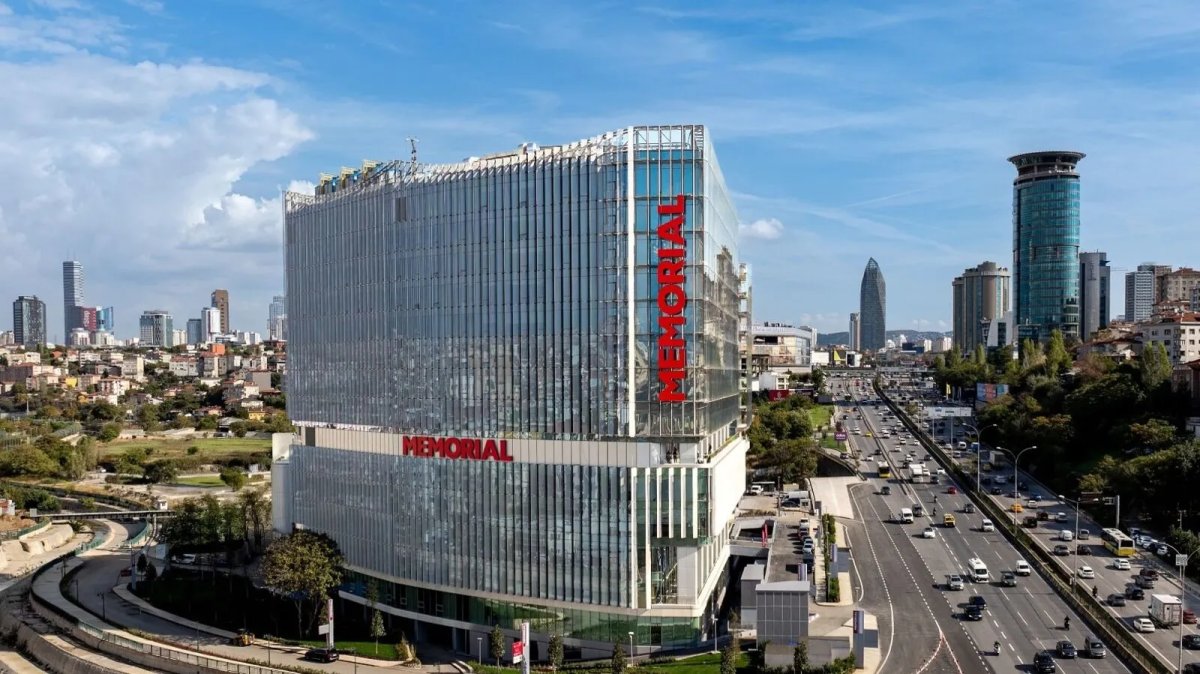
Memorial Göztepe Hospital

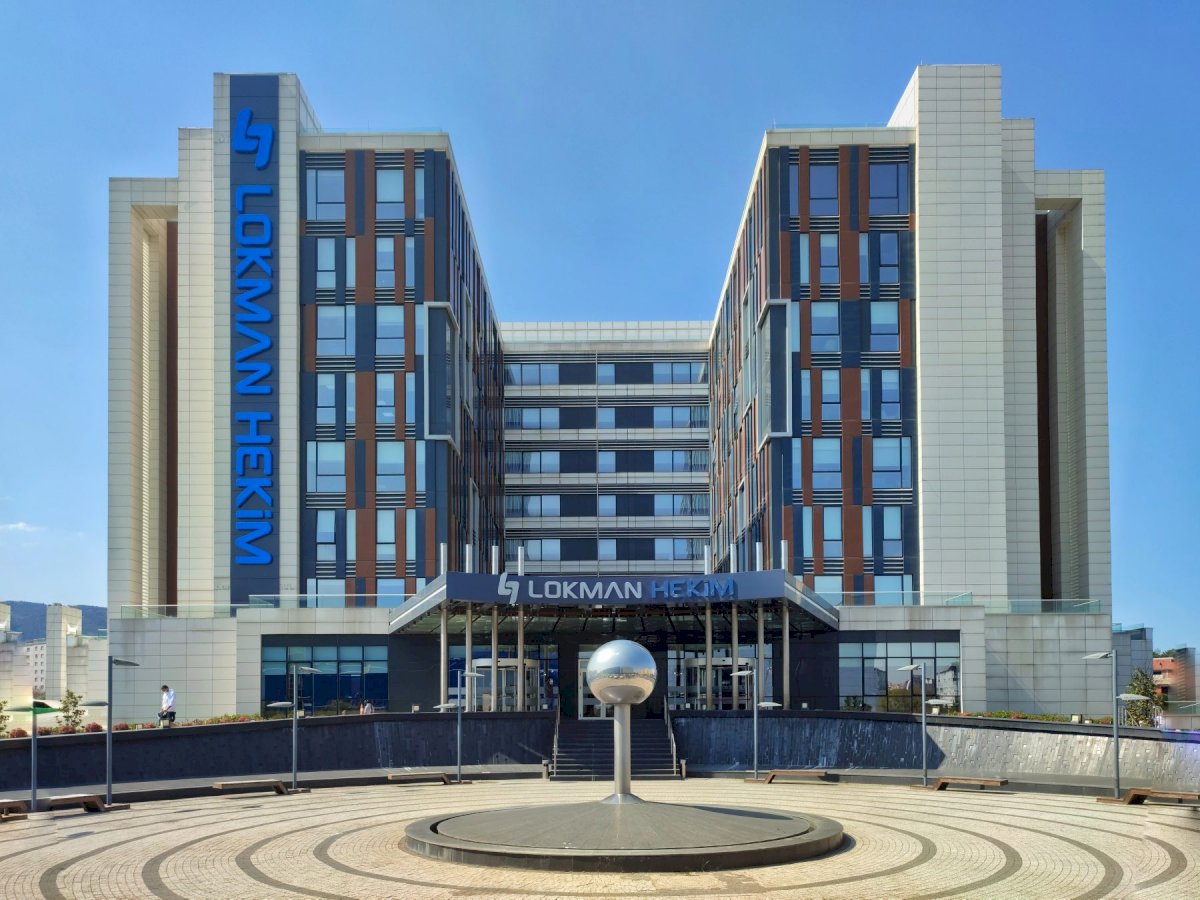
Hospital Lokman Hekim de Estambul (Lokman Hekim Istanbul Hospital)




Obtenga una evaluación médica de tratamiento de Cáncer de hígado en Turquía: haga una consulta con 69 médicos experimentados ahora
Ver todos los médicos
Bulent Karagoz
El profesor Bülent Karagöz se especializa en casos complejos de cáncer de hígado en el Anadolu Medical Center, afiliado a Johns Hopkins Medicine.
- 33 años de experiencia en oncología médica
- Experto en terapias dirigidas e inmunoterapia contra el cáncer
- Autor de más de 40 artículos de investigación en oncología
- Profesor en la Facultad de Medicina de la Universidad Okan de Estambul
- Miembro de la Asociación Turca de Oncología Médica

Serdar Turhal
La Dra. Tanrikulu se especializa específicamente en el tratamiento del cáncer de hígado con quimioterapia y oncología médica. Trabaja en el Centro Médico Anadolu, un hospital oncológico líder.
- Oncóloga médica certificada desde 2017
- Obtuvo el 3er lugar en el examen de oncología médica altamente competitivo de Turquía
- Anteriormente dirigió la unidad de oncología médica en el Hospital de Formación e Investigación Haydarpaşa Numune
- Participa en estudios clínicos internacionales para nuevos tratamientos contra el cáncer

Murat Dokdok
El doctor es un radiólogo y radiólogo intervencionista altamente experimentado afiliado al Centro Médico Anadolu desde 2005. Con una beca en neurorradiología intervencionista del Hospital Universitario de Zúrich y una beca a corto plazo de la Escuela de Medicina de Harvard, el doctor tiene una amplia experiencia en neurorradiología y técnicas avanzadas de imagen.<\/p>
Certificado por la Sociedad Europea de Neurorradiología y la Sociedad Europea de Radiología Cardiovascular e Inter
Kamil Yalcin Polat
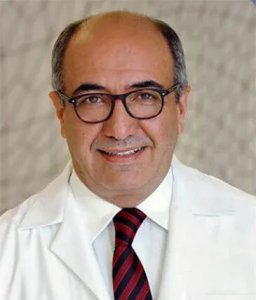
El Dr. Kamil Yalcin Polat ha realizado más de 3.000 trasplantes de órganos en el Hospital Memorial Bahçelievler. Dirige el Centro de Trasplante de Órganos en Estambul. El Dr. Polat completó becas en Mount Sinai y Memorial Sloan Kettering en Nueva York. Es experto en trasplantes de hígado y riñón.
- Ha realizado más de 2.000 trasplantes de hígado y 1.000 trasplantes de riñón.
- Se desempeña como vicepresidente de la Sociedad Turca de Cirugía Hepatopancreatobiliar.
- Ex fun
Reseñas
Todas las reseñas
Artículos relacionados

¿Cuánto cuesta el tratamiento del cáncer de hígado?
Escrito por Halina Shubala
Preguntas frecuentes sobre el trasplante de hígado
Escrito por Veronika Kazina

SIRT es una nueva opción de tratamiento para el cáncer metastásico
Escrito por Veronika Kazina
Compartir contenido
Historias en video de pacientes de Bookimed
 Olena Sikoza
Preguntas frecuentes sobre el tratamiento de Cáncer de hígado en Turquía
¿Cuáles son las principales opciones de tratamiento para el cáncer de hígado que ofrecen los hospitales turcos?
Los hospitales turcos ofrecen cirugías curativas como trasplantes de hígado y resecciones robóticas. Los centros especializados ofrecen terapias mínimamente invasivas, incluyendo la ablación por radiofrecuencia y la quimioembolización (TACE). Están disponibles opciones avanzadas como la radiocirugía CyberKnife y la inmunoterapia. Equipos multidisciplinarios personalizan los protocolos de tratamiento para cada paciente.
- Trasplante de hígado: Las unidades especializadas reportan tasas de éxito de hasta el 99,5 % en casos avanzados.
- Resección quirúrgica: Los cirujanos utilizan la robótica da Vinci para realizar una extirpación precisa del tumor.
- Técnicas de embolización: Procedimientos como TACE y TARE atacan los tumores bloqueando su suministro de sangre.
- Radiación de precisión: Tecnologías que incluyen CyberKnife y MRIdian proporcionan una orientación precisa del tumor.
Perspectiva del experto de Bookimed: El éxito en Turquía a menudo proviene de los consejos de tumores dedicados. En el Medipol Mega University Hospital, estos equipos multidisciplinarios revisan cada caso. Este enfoque colaborativo asegura que los pacientes complejos reciban terapias tanto locales como sistémicas. Este modelo integrado es la razón por la que muchas clínicas turcas mantienen altos resultados de supervivencia.
Consenso de los pacientes:
¿Cuáles son las tasas de éxito reportadas para los trasplantes de hígado en Turquía?
Los programas turcos de trasplante de hígado reportan una tasa de supervivencia a 1 año de entre el 85% y el 95%. Las tasas de éxito para los procedimientos con donante vivo son aún mayores. Estas tasas alcanzan hasta el 98% en centros especializados. Las principales instituciones a menudo mantienen tasas de supervivencia a 5 años superiores al 70%.
- Supervivencia con donante vivo: Estos procedimientos muestran tasas de éxito entre el 90% y el 98%.
- Referencia de un año: Los principales hospitales reportan una tasa de supervivencia del paciente a 1 año del 93,8%.
- Registro de seguridad del donante: Los donantes que salvan vidas mantienen una alta tasa de seguridad de aproximadamente el 99%.
- Resultados pediátricos: Los centros especializados realizan con éxito trasplantes en bebés de tan solo 8 meses.
- Función del injerto a largo plazo: Aproximadamente el 50% de los receptores mantienen una función del injerto saludable durante más de 10 años.
Perspectiva del experto de Bookimed: El alto éxito de Turquía se debe a su liderazgo mundial en trasplantes de donantes vivos. El Hospital Memorial Sisli por sí solo trata a más de 230.000 pacientes al año. Este volumen masivo genera una experiencia quirúrgica única. Los centros de gran volumen a menudo logran mejores resultados que las clínicas más pequeñas. Observamos califi
¿Cuánto dura la estancia hospitalaria y la recuperación general después de una cirugía de cáncer de hígado en Turquía?
Las estancias hospitalarias para la cirugía de cáncer de hígado en Turquía suelen durar de 5 a 7 días. Los procedimientos mínimamente invasivos pueden reducir esto a 3 días. La recuperación física completa suele llevar de 2 a 3 meses. Los pacientes internacionales deben planear permanecer en Turquía durante un total de 10 a 14 días.
- Periodo de hospitalización: La mayoría de los pacientes pasan de 5 a 10 días en unidades de oncología especializadas en Turquía.
- Técnica quirúrgica: Los métodos robóticos o laparoscópicos a menudo permiten el alta en un plazo de 3 a 5 días.
- Recuperación inicial: Se espera fatiga y dolor leve durante las primeras 2 a 4 semanas.
- Restricciones físicas: Los pacientes deben evitar levantar más de 4,5 kilogramos durante al menos 1 mes.
- Regeneración hepática: El hígado suele recuperar su tamaño funcional en unos pocos meses.
Perspectiva del experto de Bookimed: El Anadolu Medical Center y Memorial Sisli priorizan los protocolos de movilización temprana. Los pacientes a menudo comienzan a caminar suavemente 24 horas después de la cirugía. Esta práctica reduce significativamente el riesgo de neumonía postoperatoria. También ayuda a los pacientes a cumplir con los hitos de estabilidad para viajar dentro del periodo recomendado de 14 días.
Consenso de los pacientes: Los
¿Qué hospitales en Turquía son reconocidos internacionalmente para el tratamiento del cáncer de hígado?
El Anadolu Medical Center y el Memorial Bahcelievler son reconocidos internacionalmente para el tratamiento del cáncer de hígado. Estas instalaciones cuentan con la acreditación de la Joint Commission International. Ofrecen tratamientos avanzados como la radioterapia interna selectiva y la cirugía robótica. Los centros turcos reportan altas tasas de éxito en procedimientos complejos de trasplante de hígado.
- Anadolu Medical Center: Afiliado a Johns Hopkins Medicine para protocolos oncológicos avanzados.
- Memorial Sisli: Cuenta con un centro dedicado al trasplante de órganos con altas tasas de éxito.
- Acibadem Maslak: Utiliza la tecnología MRIdian para radioterapia guiada por resonancia magnética en tiempo real.
- Memorial Bahcelievler: Hospital con certificación LEED Platinum centrado en oncología gastrointestinal multidisciplinaria.
Opinión de expertos de Bookimed: La rapidez en la atención es un factor diferenciador importante en Turquía. Memorial Antalya ofrece un sistema de llamada rápida para trasplantes. Su objetivo es preparar a los pacientes para la cirugía en un plazo de 4 a 7 días. Esto es significativamente más rápido que muchos protocolos europeos o de Oriente Medio.
Consenso de los pacientes: Los pacientes valoran la rapidez con la que los equipos turcos organizan las exploraciones diagnósticas. A menudo
¿Qué servicios de apoyo ofrecen los hospitales turcos a los pacientes internacionales con cáncer de hígado?
Los hospitales turcos brindan un apoyo integral a los pacientes internacionales con cáncer de hígado a través de departamentos internacionales dedicados. Estos centros gestionan visas médicas, traslados al aeropuerto y logística local. Los comités multidisciplinarios de tumores coordinan la atención. Los intérpretes en el lugar ofrecen traducción en más de 30 idiomas para consultas y documentos.
- Apoyo logístico: La asistencia incluye reservas de vuelos y tarifas de hotel con descuento cerca de las instalaciones.
- Coordinación médica: El personal dedicado gestiona las reclamaciones de seguros y las aprobaciones previas para los servicios de oncología.
- Servicios de traducción: Intérpretes profesionales apoyan el inglés y más de 30 idiomas adicionales durante las citas.
- Atención integral: Los pacientes acceden a orientación nutricional, asesoramiento psicológico y programas de seguimiento post-tratamiento.
Perspectiva del experto de Bookimed: Las señales de calidad para el apoyo en el cáncer de hígado a menudo se correlacionan con las afiliaciones universitarias. Instalaciones como el Hospital Universitario Medipol o el Hospital Universitario Biruni aprovechan los recursos académicos. Estos centros a menudo proporcionan comités de tumores más sólidos para casos hepáticos complejos. Ofrecen una mayor densidad de personal para la coordinación