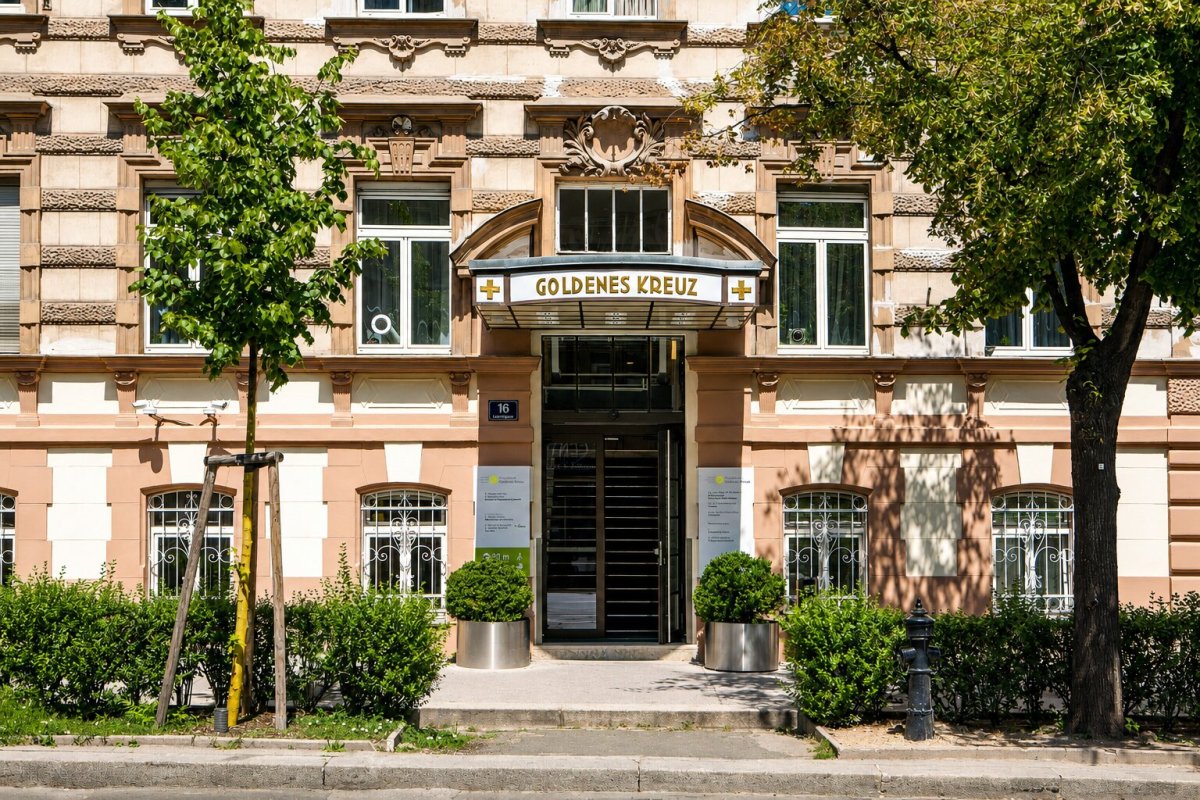
Confraternitaet & Goldenes Kreuz Private Hospital
Austria, Viena


Revisado médicamente por
Fahad Mawlood
De $260. Las intervenciones quirúrgicas clave, como la extirpación del cáncer de hígado, suelen costar entre $40,000 y $70,000, mientras que las opciones no invasivas, como la ablación por radiofrecuencia del hígado, cuestan entre $7,500 y $11,500. Los gastos totales dependen de la etapa del cáncer y del nivel de la clínica. Los pacientes a menudo encuentran ahorros del 20-30% en comparación con los EE. UU. La mayor parte de la atención especializada se concentra en Viena.
Costos típicos del tratamiento del cáncer de hígado en Austria
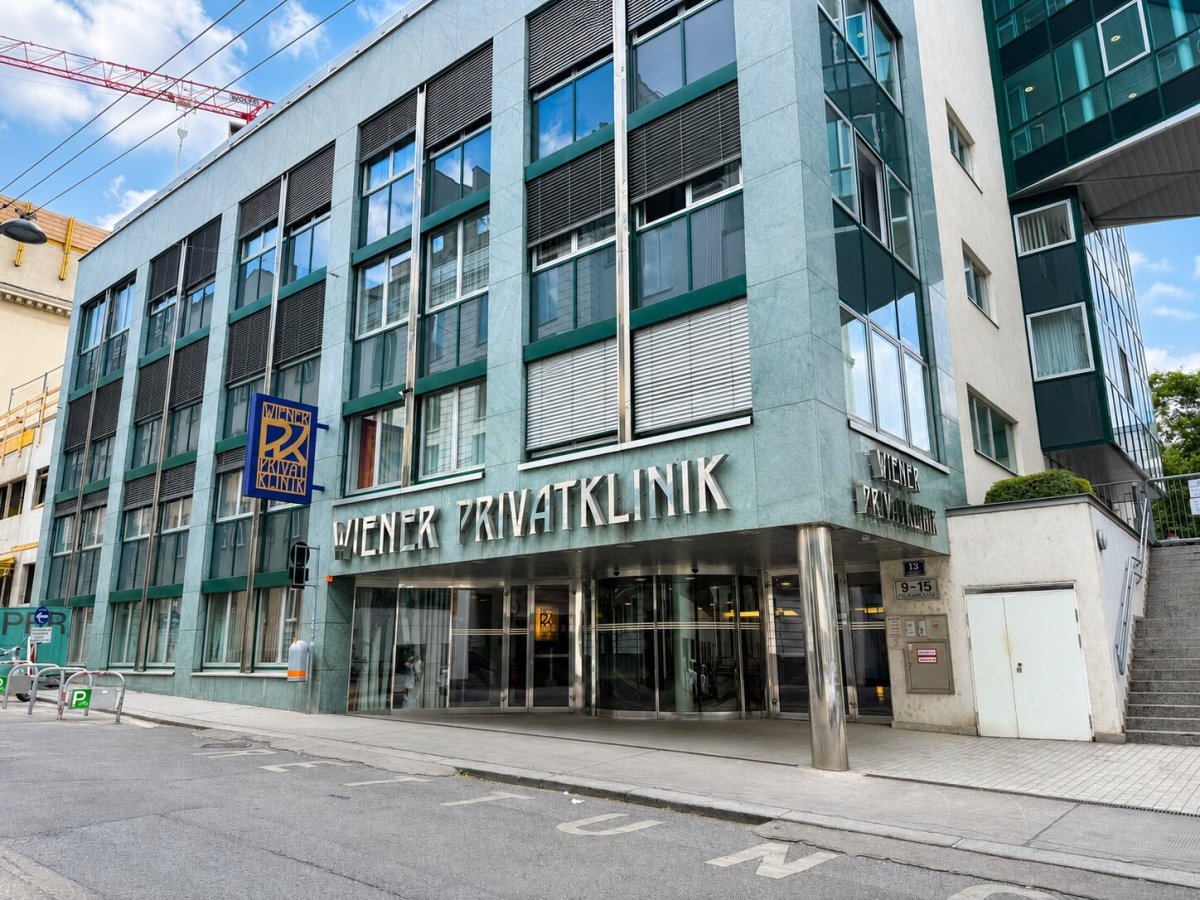
Perspectiva de los expertos de Bookimed: Los casos hepatobiliares complejos se benefician de equipos multidisciplinarios en centros académicos. El Hospital General de Viena (AKH) atiende a 595,000 pacientes al año con 1,600 médicos especializados. Para medicina personalizada, Wiener Privatklinik ofrece un Centro Internacional de Oncología dirigido por el profesor Christoph Zielinski. Los pacientes que buscan tasas bajas de complicaciones deberían considerar el Hospital Privado Döbling. Los candidatos a cirugía están bien atendidos por el profesor Harald Rosen, quien ha realizado más de 5,000 procedimientos avanzados.
| Austria | España | Turquía | |
|---|---|---|---|
| Tomoterapia | ≈ $9,500 | ≈ $7,500 | de $6,700 |
| Terapia con haz de protones | ≈ $24,000 | de $43,300 | de $25,000 |
| Quimioterapia para el cáncer de hígado | ≈ $6,500 | de $2,300 | de $2,400 |
| Nanocuchillo | ≈ $25,000 | ≈ $9,500 | ≈ $9,500 |
| Eliminación de cáncer de hígado | ≈ $40,000 | de $24,000 | de $12,000 |








El Prof. Zielinski dirige el Centro Internacional de Oncología de la Wiener Privatklinik, especializado en inmunoterapia y tratamientos personalizados para el cáncer de hígado.

El Dr. David Kuczer es especialista en radiooncología con muchos años de experiencia en el diagnóstico y tratamiento del cáncer. Ofrece acceso rápido a radioterapia precisa, basada en los estándares científicos actuales.
Es miembro del Cancer Center de la Vienna Private Clinic. Presenta a cada paciente ante el comité de tumores interno, lo que permite una discusión interdisciplinaria por parte de un equipo de prestigio internacional y ayuda a seleccionar el mejor tratamiento.
To

El Dr. Harald Rosen se especializa en cirugía endoscópica avanzada para el cáncer de hígado, combinando un tratamiento preciso con técnicas mínimamente invasivas en la Wiener Privatklinik.

El Univ. Prof. Dr. Klaus Kaczirek es un destacado cirujano endocrino y oncológico austriaco, reconocido internacionalmente por su experiencia en cirugía de tiroides, paratiroides y glándulas suprarrenales, así como en tumores neuroendocrinos.

Escrito por Halina Shubala

Escrito por Veronika Kazina

Escrito por Veronika Kazina
 Olena Sikoza
El tratamiento del cáncer de hígado en Austria se centra en técnicas avanzadas de resección quirúrgica y procedimientos mínimamente invasivos. Los centros especializados ofrecen ablación por radiofrecuencia, quimioembolización y radioterapia dirigida, como CyberKnife o terapia de protones. Estos protocolos tienen como objetivo preservar el tejido hepático sano y mejorar la supervivencia a largo plazo de los pacientes con cáncer.
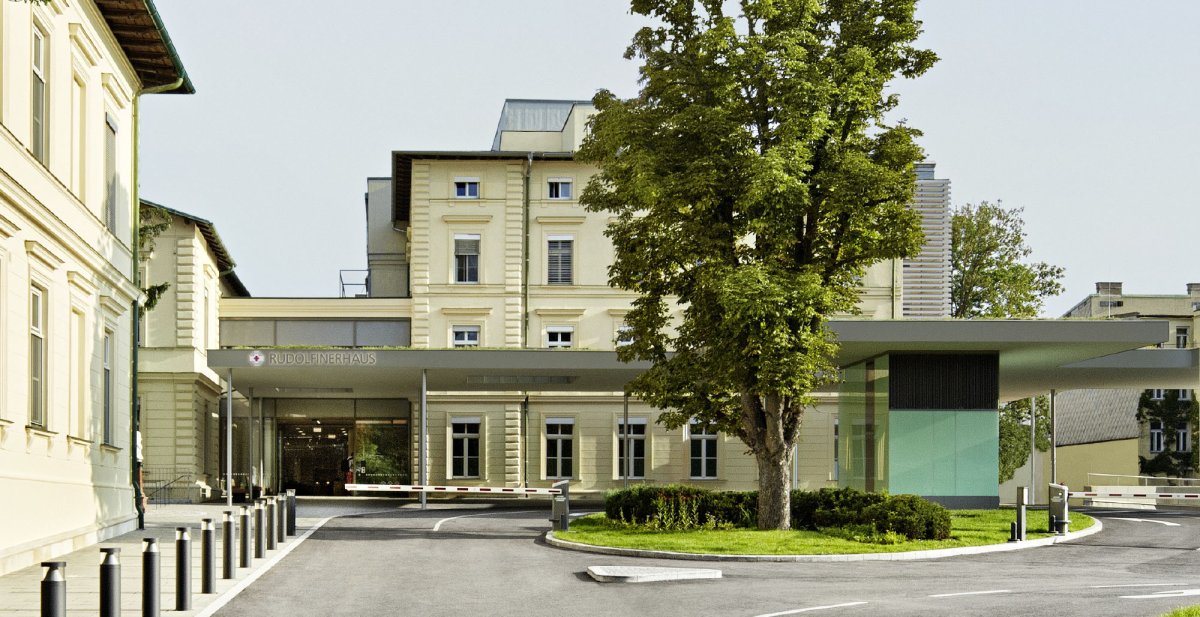
Opinión de expertos de Bookimed: Viena es un importante centro de atención especializada para pacientes con enfermedades hepáticas. El Hospital Privado Confraternität atiende a aproximadamente 7000 pacientes al año. Este elevado volumen de pacientes permite la implementación de un sistema de atención multinivel. Estos sistemas garantizan una transición fluida entre el diagnóstico comp
Viena, Austria, alberga algunos de los mejores centros para el tratamiento del cáncer de hígado. Entre los hospitales más destacados se encuentran el Hospital General de Viena (AKH) y el Hospital Privado de Viena (Wiener Privatklinik). Estas instituciones ofrecen tratamientos de vanguardia como NanoKnife, TACE e inmunoterapia. Los pacientes internacionales se benefician de la colaboración con especialistas universitarios y del acceso a herramientas de diagnóstico de alta tecnología como la PET/CT.
Opinión de expertos de Bookimed: Si bien el Hospital General de Viena (AKH) es el más grande con 2200 camas, la Wiener Privatklinik ofrece un entorno más íntimo con una alta proporción de médicos por paciente. Cuenta con especialistas como el profesor Harald Rosen, quien ha realizado 5000 cirugías. Esto permite a los pacientes acceder a la experiencia de nivel universitario con la rapidez y la atenció
Las consultas virtuales están ampliamente disponibles para pacientes internacionales que buscan tratamiento para el cáncer de hígado en Austria. Las principales instituciones vienesas ofrecen consultas a distancia y videollamadas. Estos servicios permiten a los especialistas revisar los resultados patológicos y de imagen. Este proceso ayuda a los pacientes a confirmar su diagnóstico antes de viajar al extranjero.
Opinión de los expertos de Bookimed: Si bien las consultas virtuales son habituales, los cirujanos austriacos suelen requerir una reevaluación de las imágenes. Los datos muestran que las clínicas líderes, como la Vienna Privatklinik, cuentan con centros integrados por profesores de la Universidad Médica de Viena. Estos expertos suelen revisar las imágenes DICOM antes de finalizar el plan quirúrgico. Esto garantiza la aplica