Tratamiento de Cáncer de hígado en Corea del Sur — obtenga 3 coincidencias personalizadas de clínicas


Revisado médicamente por
Fahad Mawlood
Cómo funciona
¿Cuál es el precio del diagnóstico y los tratamientos de Cáncer de hígado en Corea del Sur? Descubra ahora
| Corea del Sur | España | Turquía | |
|---|---|---|---|
| Tomoterapia | ≈ $9,000 | ≈ $7,500 | de $6,700 |
| Terapia con haz de protones | ≈ $22,000 | de $43,300 | de $25,000 |
| Quimioterapia para el cáncer de hígado | de $3,000 | de $2,300 | de $2,400 |
| Nanocuchillo | ≈ $17,500 | ≈ $9,500 | ≈ $9,500 |
| Eliminación de cáncer de hígado | de $15,000 | de $24,000 | de $12,000 |
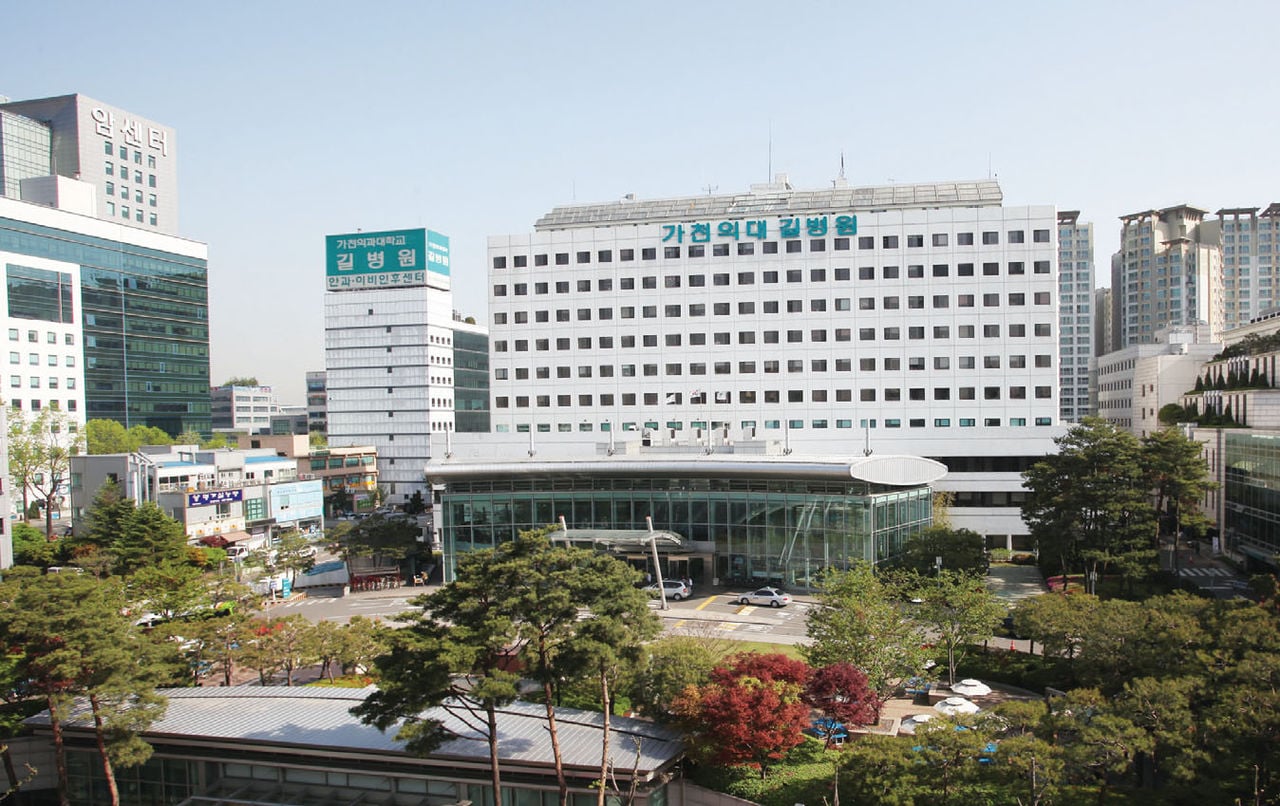
Descubra las mejores clínicas de tratamiento de Cáncer de hígado en Corea del Sur: 11 opciones verificadas y Precios












Obtenga una evaluación médica para Cáncer de hígado en Corea del Sur: consulte con doctores experimentados ahora
Ver todos los médicos
Lee Jin-kyo
Lee Seok Gu
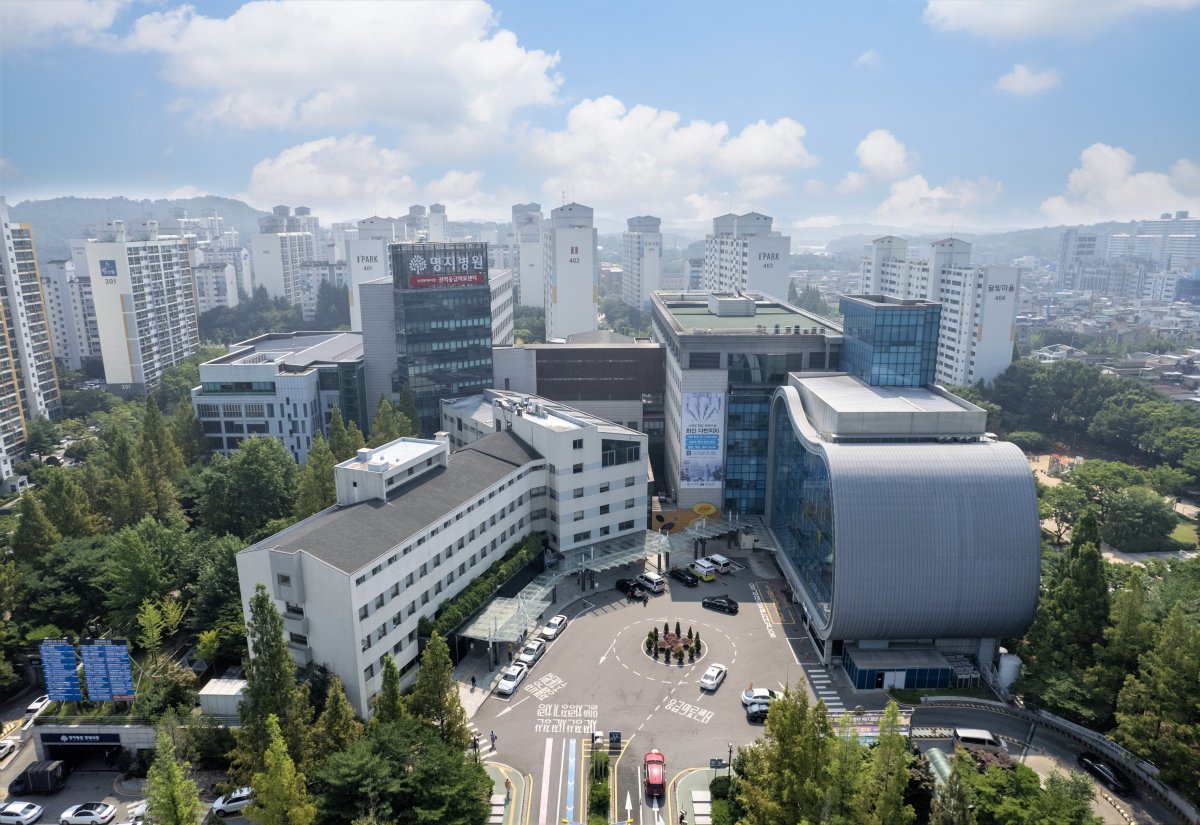
El profesor Lee Seok-gu es un destacado cirujano de trasplantes de hígado en el Hospital Myongji. Ha realizado aproximadamente 2.000 trasplantes de hígado. Logró el primer trasplante de hígado sin transfusión en Corea. Realizó un trasplante de hepatocitos en un lactante de un mes de edad. Dirigió el primer uso clínico de un hígado bioartificial para la insuficiencia hepática aguda. También realizó trasplantes de donante vivo en Egipto y capacitó a equipos en Vietnam.
Es profesor de cir
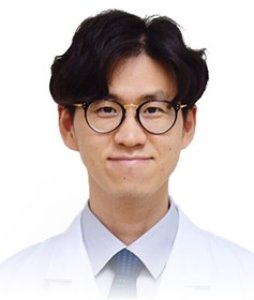
Yu Yeonghun
El Dr. Yu Yeonghun es cirujano del aparato digestivo y doctor en Medicina. Se especializa en enfermedades y cánceres hepatopancreatobiliares (HPB). Su enfoque abarca los cánceres de hígado, páncreas, vía biliar y vesícula biliar, así como la colelitiasis y otras enfermedades de la vesícula.
Realizó el internado y la residencia en cirugía general en el Centro Médico CHA Bundang. Luego completó una subespecialización en cirugía HPB en el Centro Médico Samsung. Se desempeñó como profesor
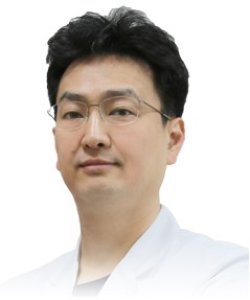
Kim Taekhyeon
El Dr. Kim Taekhyeon es cirujano gastrointestinal y jefe de Cirugía Gastrointestinal en el Hospital Naeun. Obtuvo los títulos de M.D. y M.S. en la Facultad de Medicina de la Universidad Chung‑Ang. Realizó el internado en el Hospital Sungae y la residencia de cirugía general en el Hospital Universitario Chung‑Ang. Posteriormente completó una subespecialización en cirugía gastrointestinal en el Seoul St. Mary’s Hospital. Anteriormente fue cirujano adjunto en el Gwangmyeong Sungae Hospital.
Artículos relacionados

¿Cuánto cuesta el tratamiento del cáncer de hígado?
Escrito por Halina Shubala
Preguntas frecuentes sobre el trasplante de hígado
Escrito por Veronika Kazina

SIRT es una nueva opción de tratamiento para el cáncer metastásico
Escrito por Veronika Kazina
Compartir contenido
Historias en video de pacientes de Bookimed
 Olena Sikoza
Preguntas frecuentes sobre el tratamiento de Cáncer de hígado en Corea del Sur
¿Cuáles son las principales opciones de tratamiento disponibles en los hospitales coreanos?
Los hospitales coreanos ofrecen procedimientos quirúrgicos y no quirúrgicos avanzados para afecciones complejas como el cáncer de hígado. Las opciones de alta tecnología incluyen el trasplante de hígado de donante vivo, la hepatectomía laparoscópica y la cirugía robótica mediante sistemas da Vinci. Los centros especializados también proporcionan radiación de precisión como CyberKnife, SBRT y terapia de protones para tratar tumores irresecables.
- Excelencia quirúrgica: Los cirujanos realizan hepatectomías laparoscópicas y trasplantes de hígado de donante vivo con gran éxito.
- Oncología intervencionista: La TACE y la RFA ofrecen opciones mínimamente invasivas para el control local de tumores.
- Radiación avanzada: Tecnologías de precisión como CyberKnife, SBRT y radioembolización con Y-90 se dirigen a casos complejos.
- Integración de sistemas: Hospitales digitales como el SNUBH utilizan el sistema BESTcare para mejorar la seguridad.
Perspectiva del experto de Bookimed: Corea del Sur es una potencia mundial en trasplantes de órganos. El Centro Médico Asan realiza por sí solo el 45% de todos los trasplantes de corazón en el país. Los datos muestran que mantienen una tasa de éxito del 90% en trasplantes de órganos. Este nivel de especialización a menudo se traduce en una mejor gestión de casos complejos de enfermedades terminales.
¿Está disponible el trasplante de hígado para pacientes internacionales?
Los pacientes internacionales pueden acceder al trasplante de hígado en la República de Corea a través de programas de donantes vivos. Los centros especializados en Seúl requieren un familiar sano y compatible como donante. Estas instituciones mantienen tasas de éxito de hasta el 90% en trasplantes de órganos. La mayoría de las clínicas cuentan con la acreditación de la Joint Commission International o KOIHA.
- Requisito de donante vivo: Los pacientes internacionales deben proporcionar su propio familiar vivo compatible para el trasplante.
- Tasas de éxito: El Asan Medical Center informa una tasa de éxito del 90% en procedimientos de trasplante de órganos.
- Volumen clínico: Los principales hospitales de Seúl realizan más de 30.000 a 65.000 operaciones quirúrgicas al año.
- Estándares regulatorios: Las instalaciones siguen los estándares KOIHA e ISO para garantizar la seguridad y calidad clínica.
Perspectiva del experto de Bookimed: Corea del Sur es líder en cirugía de trasplante de alto volumen. El Asan Medical Center por sí solo realiza el 45% de los trasplantes de corazón del país y mantiene altas tasas de éxito en casos hepáticos. Esta experiencia a menudo convierte a Seúl en la opción principal para trasplantes oncológicos complejos frente a centros regionales más pequeños.
Consenso de los pacientes: Los pacientes e
¿Cómo se comparan las tasas de supervivencia al cáncer de hígado en Corea con las de otros países?
Corea del Sur reporta una tasa de supervivencia a cinco años del 40,4% para el cáncer de hígado. Esta cifra duplica significativamente la tasa de supervivencia del 21,7% en los Estados Unidos. Los centros coreanos logran una supervivencia del 92,7% en casos localizados. Estos resultados se deben al cribado nacional y a los elevados volúmenes quirúrgicos.
- Supervivencia localizada: La detección temprana mediante el cribado nacional permite una tasa de supervivencia a cinco años del 92,7%.
- Comparación global: La tasa del 40,4% de Corea triplica la tasa de supervivencia del Reino Unido, que es del 13,5%.
- Éxito del trasplante: La supervivencia en trasplantes de hígado de donante vivo alcanzó el 70% a los 10 años.
- Volumen diagnóstico: Los principales centros, como el Asan Medical Center, tratan a más de 11.000 pacientes ambulatorios cada día.
Perspectiva del experto de Bookimed: Los altos volúmenes de pacientes en centros como el Samsung Medical Center, que atiende a 2,1 millones de pacientes al año, impulsan las tasas de supervivencia. Nuestros datos muestran un vínculo entre el volumen masivo de procedimientos y la precisión clínica. El Asan Medical Center reporta una tasa de éxito del 90% específicamente para trasplantes de órganos. Esto sugiere que los cirujanos coreanos mantienen una mayor competencia técnica debido a la repetición const
¿Qué tan rápido puede comenzar el tratamiento después de que se acepte mi caso?
El tratamiento del cáncer de hígado en Corea del Sur generalmente comienza de 2 a 4 semanas después de la aceptación del caso. Los casos urgentes pueden comenzar dentro de los 7 días en centros de alto volumen. Las instalaciones especializadas utilizan sistemas PET/CT y Da Vinci para acelerar la confirmación diagnóstica y la planificación quirúrgica para el carcinoma hepatocelular.
- Fase diagnóstica: Los diagnósticos oncológicos integrales generalmente requieren de 3 a 7 días para completarse.
- Cronograma quirúrgico: Los candidatos a resección a menudo reciben fechas de cirugía dentro de 1 a 3 semanas después de la aceptación.
- Terapias avanzadas: Procedimientos como la terapia de protones o CyberKnife requieren de 10 a 14 días para la planificación.
- Integración digital: Los hospitales digitales como el SNUBH utilizan sistemas internos para agilizar la programación rápida.
Perspectiva del experto de Bookimed: El volumen de pacientes a menudo indica eficiencia en la oncología coreana. Clínicas como el Asan Medical Center gestionan más de 65,000 operaciones al año. Esta escala masiva crea vías optimizadas donde se procesan más de 2,500 pacientes hospitalizados diariamente, lo que a menudo resulta en inicios de tratamiento más rápidos que en instalaciones más pequeñas.
Consenso de los pacientes: Los pacientes destacan
¿Qué hospitales o programas especializados son los más recomendados para el tratamiento del cáncer de hígado?
El Samsung Medical Center y el Asan Medical Center son opciones de primer nivel para el tratamiento del cáncer de hígado en Corea del Sur. Estas instituciones cuentan con acreditaciones KOIHA e ISO. Ofrecen tratamientos avanzados como la radioembolización con Y-90 y trasplantes de hígado de donante vivo. Ambas clínicas se clasifican constantemente entre las mejores del mundo en oncología.
- Asan Medical Center: Realiza más de 65.000 operaciones al año. Mantiene una tasa de éxito en trasplantes del 90 %.
- Samsung Medical Center: Ofrece radioterapia guiada por IA y cirugía robótica. Atiende a más de 2.000.000 de pacientes ambulatorios cada año.
- Seoul National University: Proporciona terapia personalizada basada en la investigación. Cuenta con terapia de haz de protones y pruebas genómicas.
- Severance Hospital: Instalación acreditada por la JCI con infraestructura de alta tecnología. Conectada a la prestigiosa Universidad Yonsei.
Perspectiva del experto de Bookimed: Los centros de alto volumen en Seúl ofrecen una ventaja de seguridad significativa para casos complejos. El Asan Medical Center realiza más de 65.000 operaciones al año. Este volumen masivo se correlaciona con su tasa de éxito del 90 % en trasplantes de órganos. Las unidades especializadas en estas clínicas a menudo incluyen unidades de cuidados intensivos de trasplante dedicadas p