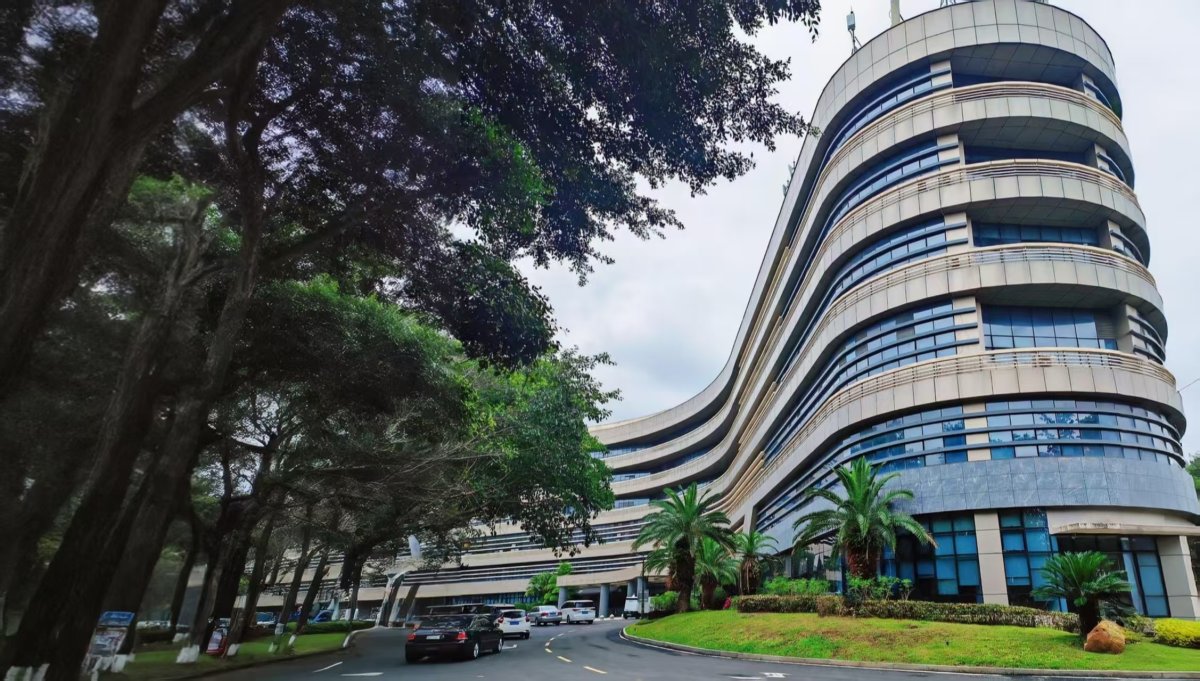
Fuda Cancer Hospital
China, Cantón


Revisado médicamente por
Fahad Mawlood
De $5,500. Las opciones quirúrgicas como la resección hepática varían de $18,500 a $38,500. Los gastos totales dependen del estadio del cáncer, la tecnología elegida y el nivel del hospital. Los pacientes suelen ahorrar entre un 40 y un 60% en comparación con los EE. UU. Las principales ciudades para estos procedimientos oncológicos avanzados incluyen Guangzhou y Beijing.
Costos típicos del tratamiento de metástasis hepáticas en China
Perspectiva de los expertos de Bookimed: Los pacientes con metástasis avanzadas o multifocales deben priorizar las clínicas que ofrecen tecnologías mínimamente invasivas especializadas. El Fuda Cancer Hospital en Guangzhou es una opción líder para estos casos complejos. Utilizan protocolos acreditados por la JCI para NanoKnife y criocirugía para tratar tumores en ubicaciones difíciles. Este enfoque es ideal para pacientes que no son candidatos a la cirugía abierta tradicional. El centro ha tratado con éxito a más de 30,000 pacientes internacionales utilizando estas terapias intervencionistas vasculares dirigidas.
| China | España | Turquía | |
|---|---|---|---|
| Resección hepática | ≈ $18,500 | de $18,700 | de $9,300 |
| Quimioterapia para el cáncer de hígado | ≈ $3,500 | de $2,300 | de $2,400 |
| Quimioembolización del hígado | de $5,500 | de $9,000 | de $7,800 |
| Eliminación de cáncer de hígado | ≈ $9,500 | de $24,000 | de $12,000 |
| Ablación por radiofrecuencia del hígado | de $7,000 | de $13,400 | ≈ $3,500 |

Médico jefe y profesor. Experto de nivel 1 en el Centro Oncológico del West China Hospital, Sichuan University (clasificado n.º 2 en China). Completó un posdoctorado en radiología intervencionista en el Chinese PLA General Hospital. Dirige equipos multidisciplinarios (MDT) para tumores complejos. Experto en oncología intervencionista mínimamente invasiva para cánceres de hígado, pulmón y páncreas.
Acreditaciones: Miembro del consejo, WATA. Miembro de los comités de CACA y CMDA sobre in

El profesor Luo Xiaoping es un radiólogo intervencionista reconocido a nivel nacional y una autoridad destacada en el oeste de China. Comenzó a realizar intervenciones vasculares pioneras a principios de la década de 1990. Ayudó a fundar el Grupo de Intervencionismo del Segundo Hospital Afiliado de la Universidad Médica de Chongqing.
Ha realizado más de 100 000 procedimientos intervencionistas, incluidos unos 4 000 casos complejos. Sus competencias clave incluyen TACE para el carcinoma

El Dr. He Weibing es pionero de la crioablación con argón‑helio en China, con más de 20 años de práctica en primera línea. Fue miembro fundador del Hospital Oncológico Fuda (Guangzhou). Cofundó su Centro de Tratamiento Tumoral Mínimamente Invasivo y fue subdirector ejecutivo. También ayudó a crear el Grupo de Ablación de la Asociación China contra el Cáncer. Ha sido operador principal en más de 10.000 procedimientos.
Se especializa en crioablación tumoral y domina la braquiterapia con

El profesor Xiao Yueyong es médico jefe del Departamento de Radiodiagnóstico del Hospital General del EPL de China. Es un experto líder en oncología intervencionista mínimamente invasiva. Es el primer presidente de WATA (2025–). Preside la Sociedad Internacional (2020–) y la Sociedad Asiática (2012–) de Crioterapia. También es subjefe del Grupo de Expertos de la NHC sobre regulaciones de ablación tumoral (2009–).
Ha realizado más de 100 000 procedimientos mínimamente invasivos guiados
 Olena Sikoza
Los centros oncológicos chinos ofrecen tratamientos occidentales avanzados para las metástasis hepáticas, centrándose en la ablación mínimamente invasiva, las terapias dirigidas por catéter y la resección quirúrgica. Los centros acreditados como el Fuda Cancer Hospital utilizan protocolos estándar JCI. Estos incluyen NanoKnife y criocirugía para atacar los tumores mientras se preserva el tejido hepático sano.
Perspectiva del experto de Bookimed: Los datos del Fuda Cancer Hospital revelan un enfoque especializado en casos de etapa avanzada que a menudo se consideran inoperables en otros lugares. Mientras que muchos centros priorizan la resección estándar, Fuda utiliza un gran volumen de procedimientos no térmicos NanoKnife. Este enfoque es específicamente eficaz para metástasis ubicadas cerca de vasos sanguíneos im
China ofrece opciones avanzadas de radiación no invasiva como la terapia de protones a través de una red en rápida expansión de centros oncológicos especializados. Las instalaciones en Shanghái y Guangzhou utilizan terapia de partículas de alta precisión para tratar metástasis hepáticas complejas. Estas instituciones mantienen estándares internacionales con acreditaciones de la Joint Commission International y sistemas de administración avanzados.
Perspectiva del experto de Bookimed: Aunque la terapia de protones es un gran atractivo, los centros de alto volumen como el Hospital Fuda Cancer a menudo priorizan una combinación de NanoKnife y terapia intervencionista vascular para las metástasis hepáticas. Los datos muestran que estas técnicas mínimamente invasivas se seleccionan con frecuencia sobre la radiación para casos en etap
China integra la Medicina Tradicional China (MTC) para las metástasis hepáticas como terapia de apoyo junto a los protocolos occidentales. Los programas de oncología chinos siguen directrices nacionales para combinar la MTC con quimioterapia, inmunoterapia y procedimientos intervencionistas. Estos métodos integradores tienen como objetivo optimizar la tolerancia, apoyar la función hepática y gestionar los efectos secundarios del tratamiento.
Perspectiva del experto de Bookimed: Aunque muchos centros chinos ofrecen atención integradora, los hospitales con acreditación JCI, como el Fuda Cancer Hospital, destacan por sus tecnologías especializadas. Utilizan criocirugía y NanoKnife para las lesiones hepáticas junto con terapias intervencionistas de apoyo. Los oncólogos líderes en China, como el profesor Liu Shi Xin del Hospital Xiamen Humanity, participan t