Metástasis en el hígado en Israel: las 5 mejores clínicas para su tratamiento


Revisado médicamente por
Fahad Mawlood
Cómo funciona
¿Cuál es el precio del diagnóstico y los tratamientos de Metástasis en el hígado en Israel? Descubra ahora
De $730. Los gastos totales dependen de la modalidad de tratamiento, el nivel del hospital y la estancia hospitalaria necesaria. Los pacientes suelen obtener ahorros del 30-50% en comparación con los EE. UU. Los principales centros de tratamiento se encuentran en Tel Aviv, Jerusalén y Haifa.
Costos típicos del tratamiento de metástasis hepáticas en Israel
- Consulta con un oncólogo: $300 – $550
- Revisión histopatológica: de $730
- Resección hepática: de $20,000
- Extirpación de cáncer de hígado: de $5,000
Perspectiva de los expertos de Bookimed: Los pacientes con cánceres avanzados del sistema digestivo deben priorizar centros multidisciplinarios como el Centro Médico Sourasky. La Dra. Pelles Sharon en Sourasky se especializa en terapia SIRT y resecciones hepáticas complejas para casos sistémicos. Para aquellos que buscan atención privada con alta atención, el Centro Médico Assuta realiza más de 92,000 operaciones al año. El Centro Médico Hadassah es ideal para casos complejos, contando con médicos incluidos en la lista de Forbes y una historia de excelencia médica nominada al Premio Nobel de la Paz.
| Israel | España | Turquía | |
|---|---|---|---|
| Resección hepática | de $20,000 | de $18,700 | de $9,300 |
| Quimioterapia para el cáncer de hígado | ≈ $6,500 | de $2,300 | de $2,400 |
| Quimioembolización del hígado | ≈ $7,500 | de $9,000 | de $7,800 |
| Eliminación de cáncer de hígado | de $5,000 | de $24,000 | de $12,000 |
| Ablación por radiofrecuencia del hígado | ≈ $9,500 | de $13,400 | de $11,800 |
Descubra las mejores clínicas de tratamiento de Metástasis en el hígado en Israel: 5 opciones verificadas y Precios







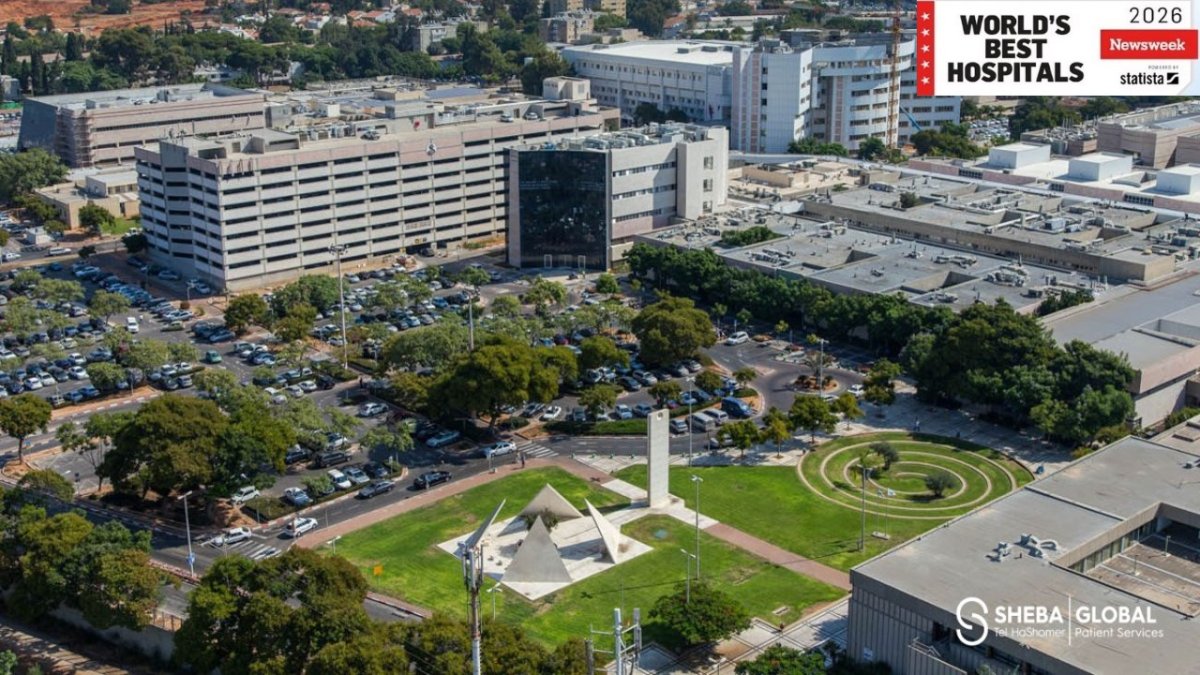





Obtenga una evaluación médica de tratamiento de Metástasis en el hígado en Israel: haga una consulta con 15 médicos experimentados ahora
Ver todos los médicos
Ari Raphael
El Dr. Ari Raphael dirige la Iniciativa Nacional Israelí de Medicina Genómica en el Centro Médico Sourasky, especializándose en tratamientos oncológicos avanzados.
- Profesor titular con una extensa investigación en genómica e informática biomédica
- Investigador principal en múltiples ensayos clínicos sobre cáncer de pulmón y mama
- Miembro de la Sociedad Europea de Oncología Médica (ESMO) y de la Asociación Internacional para el Estudio del Cáncer de Pulmón (IASLC)
- Galardonado con múltiples premios de enseñanza e investigación

Pelles Sharon
La Dra. Pelles Sharon dirige el Instituto de Tumores Gastrointestinales del Centro Médico Sourasky, líder en el tratamiento de metástasis hepáticas.
- Especializada en el tratamiento sistémico de cánceres gastrointestinales
- Formada en oncología en el Royal Marsden Cancer Center de Londres
- Desarrolló nuevos métodos para tratar el adenocarcinoma de páncreas
- Realizó investigaciones moleculares innovadoras sobre tumores de las vías biliares

Ofer Merimsky
El Prof. Merimsky dirige la Unidad de Oncología de Tejidos Blandos y Huesos en el Centro Médico Sourasky, uno de los principales centros oncológicos de Israel.
- Más de _doctor_28_años_ de experiencia especializada en oncología ortopédica
- Fellowship en tratamiento de sarcomas en el Institut Gustave Roussy, París
- Investigador senior en el Instituto Weizmann y la Universidad de Tel Aviv
- Miembro activo de la facultad de sarcomas de la ESMO
- Autor de numerosos estudios sobre resultados en el tratamiento del cáncer
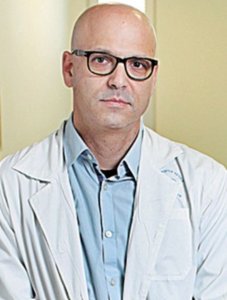
Professor Ido Nachmany
El Prof. Ido Nachmany encabeza el Segundo Departamento de Cirugía del Centro Médico Sheba. Se especializa en cirugía HPB (hepato-pancreatobiliar) y robótica para enfermedades del hígado, páncreas y vías biliares, y para tumores neuroendocrinos gastrointestinales. También realiza cirugía suprarrenal, del bazo y del estómago. Forbes lo incluyó entre los mejores médicos de Israel.
Impulsa técnicas robóticas y laparoscópicas mínimamente invasivas. El objetivo es mayor precisión y una recup
Compartir contenido
Historias en video de pacientes de Bookimed
 Olena Sikoza
Preguntas frecuentes sobre el tratamiento de Metástasis en el hígado en Israel
¿Qué opciones de tratamiento avanzadas están disponibles en Israel para las metástasis hepáticas?
Israel ofrece tratamientos avanzados para las metástasis hepáticas. Esto incluye la resección hepática ex vivo y la radioterapia interna selectiva. Los centros especializados utilizan la radiocirugía estereotáctica y la electroporación irreversible para mayor precisión. Los comités multidisciplinarios de tumores en instalaciones acreditadas por la JCI garantizan altas tasas de éxito en casos complejos.
- Innovaciones quirúrgicas: Los cirujanos realizan resecciones ex vivo y ALPPS para tumores complejos.
- Terapias locorregionales: Las técnicas incluyen SIRT (Itrio-90) y quimioembolización transarterial con microesferas liberadoras de fármacos.
- Métodos de ablación: La electroporación irreversible (NanoKnife) destruye de forma segura los tumores cercanos a vasos sanguíneos delicados.
- Radioterapia de precisión: Los sistemas MR-Linac en el Centro Médico Assuta rastrean el movimiento del tumor durante la respiración.
Opinión de expertos de Bookimed: Los centros oncológicos israelíes como Sheba y Sourasky reportan un alto volumen de pacientes. Sheba atiende a 1.900.000 pacientes al año y es líder en inmunoterapias TIL. Este alto volumen permite a los cirujanos dominar procedimientos poco comunes como las resecciones oncológicas robóticas. Especialistas como el Dr. Ido Nachmany fueron pioneros en estas técnicas robóticas para una mejor recuperació
¿Se pueden tratar las metástasis hepáticas inoperables en Israel?
Las metástasis hepáticas inoperables pueden tratarse en Israel mediante terapias locorregionales y sistémicas avanzadas. Los principales centros acreditados por la JCI se especializan en la destrucción de tumores y el control del crecimiento. Estos métodos a menudo tienen como objetivo convertir tumores irresecables en un estado donde la extirpación quirúrgica finalmente se convierta en una opción viable.
- Quimioterapia dirigida: La infusión arterial hepática (HAI) administra medicamentos directamente a través de la arteria hepática.
- Radioembolización: La SIRT utiliza perlas radiactivas de itrio-90 para destruir los tumores desde el interior.
- Ablación tumoral: Técnicas como la RFA y la IRE queman o electrizan los tumores de tejidos blandos.
- Protocolos de embolización: La TACE bloquea el suministro de sangre a los tumores mientras administra quimioterapia concentrada.
Perspectiva del experto de Bookimed: Los centros oncológicos israelíes como Sourasky y Sheba funcionan como centros de alto volumen. Solo Sourasky reporta una tasa de éxito promedio del 90% para los tratamientos oncológicos. Sus especialistas a menudo combinan la ablación local con inmunoterapia avanzada. Este enfoque multidisciplinario les permite gestionar casos complejos que los centros exclusivamente quirúrgicos podrían rechazar.
Consenso de los pacientes:
¿Cuáles son los mejores hospitales en Israel para el tratamiento de metástasis hepáticas?
Los mejores hospitales israelíes para metástasis hepáticas incluyen el Sourasky Medical Center, el Sheba Medical Center y el Hadassah Medical Center. Estas instituciones acreditadas por la JCI utilizan equipos multidisciplinarios y técnicas avanzadas como SIRT, ablación por radiofrecuencia y resecciones robóticas. Se clasifican constantemente entre los mejores del mundo en éxito oncológico y volumen quirúrgico.
- Sourasky (Ichilov): Reporta una tasa de éxito oncológico del 90% en resecciones hepáticas avanzadas.
- Sheba Medical Center: Clasificado en el puesto 7 a nivel mundial por Newsweek; pionero en terapias robóticas y SIRT.
- Hadassah Medical Center: Cuenta con una unidad hepática dedicada dirigida por el profesor Rifaat Safadi.
- Assuta Medical Center: La instalación privada más grande de Israel, que realiza 92,000 cirugías al año con programación rápida.
Opinión del experto de Bookimed: Aunque muchos eligen Tel Aviv por su volumen, el Sheba Medical Center ofrece una experiencia inigualable en cirugía hepática asistida por robot. El profesor Ido Nachmany y el Dr. Yuri Goldes fueron pioneros en estos procedimientos en Israel. Esta tecnología permite una eliminación más precisa del tumor mientras se preserva más tejido hepático sano en comparación con los métodos tradicionales.
Consenso de los pacientes: Los paciente
¿Qué tan rápido puede un paciente internacional comenzar el tratamiento en Israel?
Los pacientes internacionales pueden comenzar el tratamiento en Israel dentro de 1 a 5 días después de su llegada. Antes del viaje, las clínicas proporcionan planes de atención preliminares dentro de las 24 a 72 horas. Los centros médicos como Sourasky y Sheba priorizan los casos internacionales para evitar los tiempos de espera públicos locales para la atención oncológica urgente.
- Planificación preliminar: Las clínicas entregan estrategias de tratamiento personalizadas dentro de los 3 a 5 días posteriores a la presentación de los registros.
- Velocidad de diagnóstico: Los escaneos avanzados de PET-CT y resonancia magnética generalmente concluyen dentro de 1 a 2 días hábiles.
- Inicio inmediato: La cirugía o la quimioembolización a menudo comienzan el día después de la confirmación diagnóstica en el país.
- Tramitación de visas: Los principales hospitales emiten cartas de invitación oficiales para acelerar las aprobaciones consulares dentro de los 2 a 7 días.
Perspectiva del experto de Bookimed: Los datos del Sourasky Medical Center y del Sheba Medical Center muestran una clara preferencia por las rutas quirúrgicas privadas para acelerar la atención. Si bien Sheba atiende a más de 2 millones de pacientes al año, elegir departamentos privados en instalaciones como Assuta puede reducir aún más los tiempos de espera administrativos en un 30%. Pa
¿Necesitaré una biopsia si ya me han hecho una en mi país de origen?
Es posible que no sea necesaria una biopsia repetida si los patólogos israelíes pueden verificar sus muestras de tejido originales. Los centros oncológicos israelíes suelen requerir portaobjetos de vidrio físicos o bloques de parafina para una revisión histopatológica independiente. Un informe escrito por sí solo rara vez es suficiente para planificar un tratamiento complejo de metástasis hepáticas.
- Revisión histopatológica: Los especialistas revisan los portaobjetos originales para confirmar el diagnóstico sin necesidad de una nueva cirugía invasiva.
- Material físico: Los pacientes deben enviar por mensajería los portaobjetos de vidrio y los bloques de tejido originales a Israel.
- Rebiopsia obligatoria: Requerida si las muestras originales son demasiado pequeñas, están degradadas o son clínicamente obsoletas.
- Pruebas de biomarcadores: Se necesitan nuevas muestras si al tejido original le faltan datos sobre KRAS, NRAS o BRAF.
Opinión de expertos de Bookimed: Los centros oncológicos israelíes como Sourasky o Sheba priorizan la precisión. Aunque muchos pacientes esperan evitar un nuevo procedimiento, nuestros datos muestran una alta frecuencia de revisiones histopatológicas. Para las metástasis hepáticas, los cirujanos a menudo requieren marcadores moleculares específicos para determinar si un paciente califica para terapias avanzadas como
¿Por qué Israel es uno de los principales destinos para la neurocirugía?
Israel es un centro líder en neurocirugía gracias a su combinación de avances médicos de alta tecnología y una experiencia quirúrgica de primer nivel. Instalaciones avanzadas como el Centro Médico Sheba utilizan sistemas de navegación basados en IA y resonancia magnética intraoperatoria en tiempo real. Centros especializados reportan una tasa de éxito del 98% en procedimientos complejos, como la craneotomía con el paciente despierto y el tratamiento de trastornos del movimiento.
- Tecnología avanzada: Las clínicas utilizan ultrasonido enfocado guiado por resonancia magnética (MRgFUS) y sistemas robóticos para realizar incisiones.
- Experiencia quirúrgica: Cirujanos como el Dr. Zvi Ram lideran asociaciones internacionales con más de 25 años de experiencia.
- Acceso rápido: Los pacientes internacionales generalmente pueden programar cirugías complejas de cerebro o columna en un plazo de 2 a 4 semanas.
- Atención médica acreditada: Grandes centros como Sourasky (Ichilov) y Assuta están acreditados por la JCI, lo que confirma su seguridad.
Opinión experta de Bookimed: Los datos muestran una clara diferencia entre las opciones de tratamiento públicas y privadas en Israel. Centros privados, como el Centro Médico Assuta, realizan más de 92.000 cirugías al año y permiten a los pacientes elegir a un cirujano líder específico. Esto supone una ventaja signi
¿Qué tipos de enfermedades neuroquirúrgicas se tratan en Israel?
Los neurocirujanos israelíes tratan una amplia gama de afecciones, desde tumores cerebrales y de médula espinal hasta trastornos funcionales complejos. Los centros especializados utilizan tecnologías de vanguardia, como el bisturí de rayos gamma, la estimulación cerebral profunda y la resonancia magnética intraoperatoria, para un diagnóstico altamente preciso de la epilepsia, la enfermedad de Parkinson y las patologías cerebrovasculares.
- Enfermedades oncológicas: tratamiento de gliomas, meningiomas y tumores hipofisarios mediante resección de la base del cráneo.
- Trastornos funcionales: tratamiento de la enfermedad de Parkinson y del temblor esencial mediante estimulación cerebral profunda.
- Patologías de columna: corrección de escoliosis, hernias discales y tumores espinales mediante sistemas robóticos.
- Tratamiento de las enfermedades cerebrovasculares: tratamiento quirúrgico de aneurismas cerebrales y malformaciones arteriovenosas mediante intervenciones endovasculares.
- Neurocirugía pediátrica: atención especializada en hidrocefalia y anomalías congénitas en centros pediátricos especializados.
Opinión experta de Bookimed: Los hospitales israelíes suelen combinar diversas especialidades para abordar casos complejos. En el Centro Médico Sourasky, neurocirujanos como el Dr. Zvi Lidar combinan neurocirugía y ortopedi
¿Qué hospitales en Israel son más conocidos por sus departamentos de neurocirugía?
Israel alberga centros neuroquirúrgicos de renombre mundial, como el Centro Médico Sourasky, el Centro Médico Sheba y el Centro Médico Hadassah. Estas instituciones son líderes mundiales en el tratamiento de tumores cerebrales complejos, enfermedades de la columna vertebral y trastornos del movimiento. Utilizan tecnologías de vanguardia como el bisturí de rayos gamma, sistemas robóticos y resonancia magnética intraoperatoria.
- Suraski (Ichilov): realiza más de 2.500 operaciones neuroquirúrgicas al año en Tel Aviv con una tasa de éxito del 98%.
- Centro Médico Sheba: clasificado entre los diez mejores hospitales del mundo, trata a 1,9 millones de pacientes al año.
- Centro Médico Hadassah: Nominado al Premio Nobel de la Paz. Líder en neurocirugía pediátrica y terapia génica.
- Centro Médico Assuta: el centro médico privado más grande de Israel. Especializado en cirugías mínimamente invasivas de columna y cerebro.
- Hospital Infantil Schneider: un centro líder en neurocirugía pediátrica que trata a 275.000 niños al año.
Opinión experta de Bookimed: Nuestros datos muestran que, si bien la mayoría de los pacientes buscan tratamiento en Tel Aviv, el Centro Médico Rambam en Haifa ofrece una atención única para neurotraumatismos. Cuenta con una unidad especializada en cuidados neurocríticos que atiende a aproximadamente un milló
¿Quiénes son los principales neurocirujanos en Israel?
Entre los neurocirujanos israelíes más destacados se encuentran los profesores Zvi Ram, Shlomi Constantini e Itzhak Fried, del Centro Médico Sourasky. Estos especialistas ocupan puestos de liderazgo en la Asociación Europea de Sociedades de Neurocirugía (EANS) y la Sociedad Mundial de Neurocirugía Estereotáctica y Funcional (WSSFN). Utilizan técnicas avanzadas de mapeo intraoperatorio y sistemas robóticos.
- Profesor Zvi Ram: experto en cirugía mínimamente invasiva de tumores cerebrales y terapia genética para el cáncer.
- Profesor Shlomi Constantini: Se especializa en procedimientos neuroendoscópicos pediátricos complejos y microcirugía para tumores cerebrales.
- Profesor Itzhak Fried: una autoridad en cirugía de epilepsia, mapeo cerebral funcional y estimulación cerebral profunda.
- Dr. Eli Ashkenazi: Cirujano ortopédico líder en el Hospital Assuta, especializado en el innovador sistema TOPS.
Opinión de los expertos de Bookimed: Los datos de Sourasky y Sheba indican una fuerte correlación entre un alto volumen quirúrgico y la seguridad del paciente. Por ejemplo, Sourasky realiza más de 34.000 cirugías oncológicas al año con una tasa de éxito del 90 %. Los pacientes que requieren la extirpación de un tumor complejo deberían priorizar centros como estos, donde los cirujanos realizan cientos de procedimientos especializados al año.
¿Cuáles son los requisitos para los pacientes internacionales entrantes que buscan atención neuroquirúrgica?
Los pacientes extranjeros que requieran tratamiento neuroquirúrgico en Israel deben presentar documentación médica completa, incluyendo resultados recientes de resonancia magnética o tomografía computarizada, traducidos al inglés. La hospitalización requiere un examen clínico por especialistas para confirmar la idoneidad del tratamiento. Los hospitales suelen exigir el pago completo por adelantado o un depósito considerable antes de confirmar las fechas de la cirugía o emitir la visa.
- Historiales médicos: proporcionar informes detallados y resultados de imágenes traducidos al inglés dentro de las 48 horas para su revisión clínica.
- Comprobante financiero: Proporcione comprobante de fondos por un monto aproximado de _precio_desde_ a _precio_hasta_ para el tratamiento.
- Asistencia para visas: Clínicas como Sourasky Medical Center (Ichilov) emiten cartas oficiales para obtener una visa médica B-2.
- Fase de consulta: La evaluación inicial a menudo se realiza a través de una consulta en línea con cirujanos como el Dr. Strauss Ido.
Opinión experta de Bookimed: Los datos muestran que las principales instituciones médicas israelíes, como el Centro Médico Sheba y el Centro Médico Hadassah, atienden a un gran número de pacientes, superando el millón al año. Esta alta demanda implica que las clínicas priorizan los casos complejos o poco frecuentes sobr