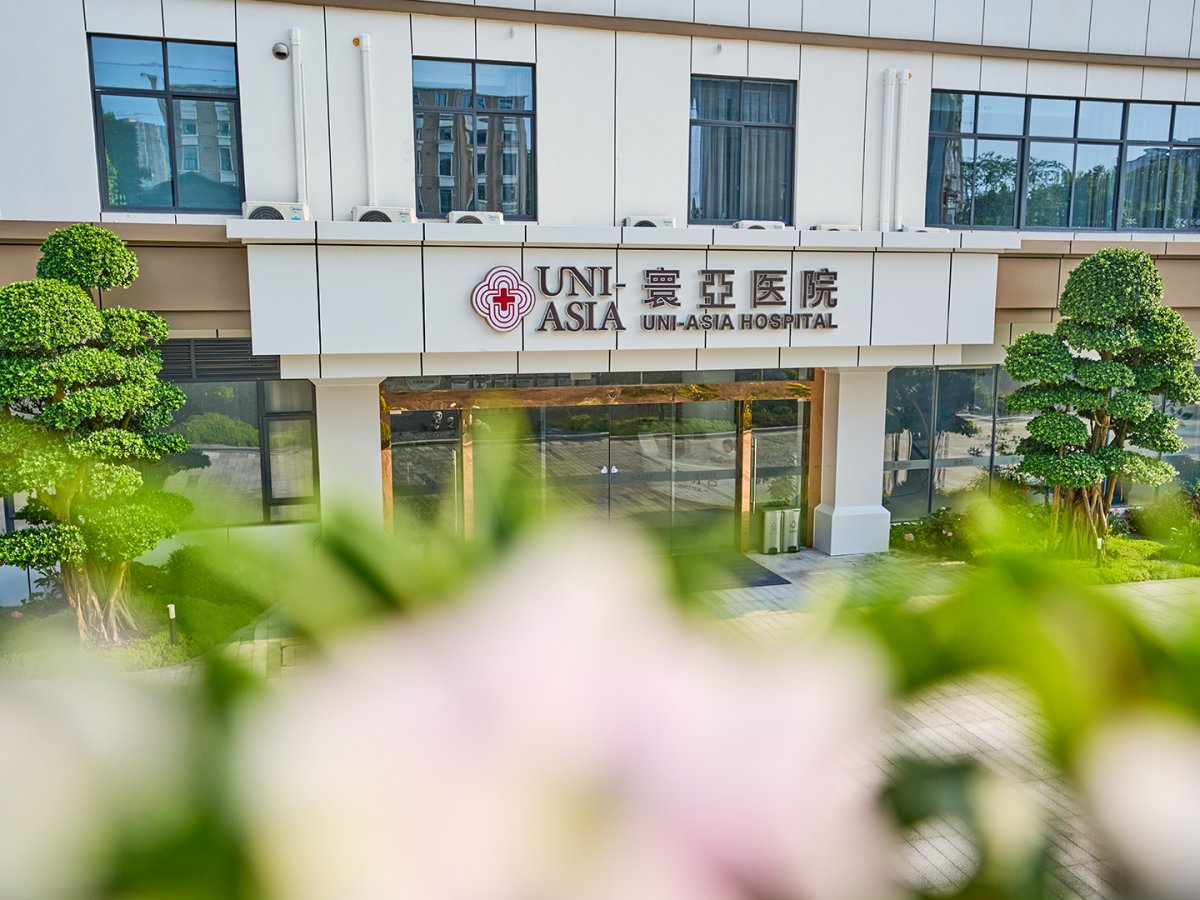
Fuda Cancer Hospital
China, Cantón


Revisado médicamente por
Fahad Mawlood
De $24,000. Los gastos totales dependen de la etapa clínica, el enfoque tecnológico elegido y el nivel del hospital. Los pacientes internacionales a menudo ahorran aproximadamente entre un 50% y un 70% en comparación con las tarifas médicas de EE. UU. Los principales centros médicos para estos tratamientos incluyen Guangzhou, Xiamen y Beijing.
Costos típicos del tratamiento del cáncer de amígdalas en China
Perspectiva de expertos de Bookimed: Los pacientes con cáncer de amígdalas avanzado o quirúrgicamente complejo se benefician de centros oncológicos especializados como el Fuda Cancer Hospital. Esta instalación acreditada por la JCI se especializa en opciones mínimamente invasivas como NanoKnife y terapia intervencionista vascular. Para aquellos que requieren radiación de precisión, el profesor Liu Shi Xin en el Xiamen Humanity Hospital proporciona protocolos expertos de IMRT y VMAT. Estas tecnologías avanzadas ofrecen un valor significativo para casos en etapas avanzadas donde la cirugía tradicional puede representar un alto riesgo.
| China | España | Turquía | |
|---|---|---|---|
| Radioterapia para el cáncer colorrectal | ≈ $11,500 | de $7,500 | de $5,000 |
| Quimioterapia para el cáncer de mama | ≈ $14,800 | de $1,700 | de $3,000 |
| Nanocuchillo | de $24,000 | ≈ $9,500 | ≈ $9,500 |
| Halcyon | ≈ $9,000 | ≈ $6,500 | ≈ $9,500 |
| Criodestrucción | ≈ $2,200 | ≈ $900 | de $500 |
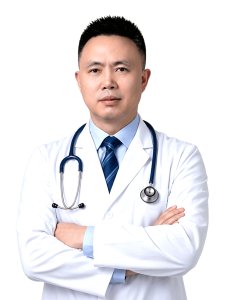
Médico jefe y profesor. Experto de nivel 1 en el Centro Oncológico del West China Hospital, Sichuan University (clasificado n.º 2 en China). Completó un posdoctorado en radiología intervencionista en el Chinese PLA General Hospital. Dirige equipos multidisciplinarios (MDT) para tumores complejos. Experto en oncología intervencionista mínimamente invasiva para cánceres de hígado, pulmón y páncreas.
Acreditaciones: Miembro del consejo, WATA. Miembro de los comités de CACA y CMDA sobre in
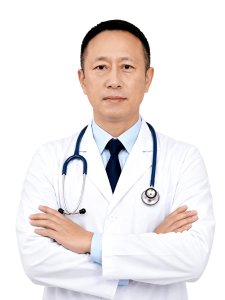
El Dr. He Weibing es pionero de la crioablación con argón‑helio en China, con más de 20 años de práctica en primera línea. Fue miembro fundador del Hospital Oncológico Fuda (Guangzhou). Cofundó su Centro de Tratamiento Tumoral Mínimamente Invasivo y fue subdirector ejecutivo. También ayudó a crear el Grupo de Ablación de la Asociación China contra el Cáncer. Ha sido operador principal en más de 10.000 procedimientos.
Se especializa en crioablación tumoral y domina la braquiterapia con
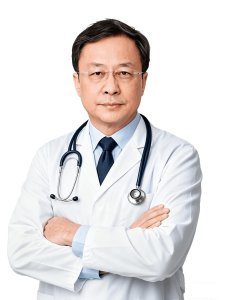
El profesor Luo Xiaoping es un radiólogo intervencionista reconocido a nivel nacional y una autoridad destacada en el oeste de China. Comenzó a realizar intervenciones vasculares pioneras a principios de la década de 1990. Ayudó a fundar el Grupo de Intervencionismo del Segundo Hospital Afiliado de la Universidad Médica de Chongqing.
Ha realizado más de 100 000 procedimientos intervencionistas, incluidos unos 4 000 casos complejos. Sus competencias clave incluyen TACE para el carcinoma

El profesor Xiao Yueyong es médico jefe del Departamento de Radiodiagnóstico del Hospital General del EPL de China. Es un experto líder en oncología intervencionista mínimamente invasiva. Es el primer presidente de WATA (2025–). Preside la Sociedad Internacional (2020–) y la Sociedad Asiática (2012–) de Crioterapia. También es subjefe del Grupo de Expertos de la NHC sobre regulaciones de ablación tumoral (2009–).
Ha realizado más de 100 000 procedimientos mínimamente invasivos guiados
 Olena Sikoza
El tratamiento del cáncer de amígdalas en China utiliza estándares oncológicos internacionales y biotecnología local avanzada para lograr altas tasas de éxito. La atención estándar implica radioterapia de intensidad modulada (IMRT) precisa y quimiorradioterapia concurrente. Los protocolos avanzados incluyen NanoKnife (electroporación irreversible) y criocirugía en instalaciones acreditadas por la JCI para casos complejos o en etapas avanzadas.
Perspectiva del experto de Bookimed: Si bien muchos centros siguen la quimioterapia estándar, el Hospital Fuda Cancer de Guangzhou se especializa en el tratamiento de la oncología en cualquier etapa. Sus datos muestran más de 30,000 pacientes internacionales atendidos utilizando terapia intervencionista vascular única e hipertermia por microondas. Esto los convierte en un destino principal para casos avanzados donde los protocolos tradicionales han
China ofrece un modelo de oncología integrativa estructurado para el cáncer de amígdalas que combina los estándares médicos occidentales con la medicina tradicional china. Este sistema de doble vía utiliza cirugía o radiación para atacar los tumores, mientras emplea terapias herbales chinas basadas en evidencia para mitigar las toxicidades y apoyar la recuperación inmunológica durante los ciclos de tratamiento agresivos.
Perspectiva del experto de Bookimed: Aunque muchos creen que la atención integrativa es solo para etapas avanzadas, los datos del Fuda Cancer Hospital muestran que este modelo atiende a más de 30,000 pacientes en todas las etapas. El enfoque más efectivo observado en los centros de Guangzhou utiliza la medicina tradicional china específicamente durante la ventana de 7 días después de la radioterapia. Esta integr
Guangzhou, Pekín y Shanghái son los principales centros de China para la oncología avanzada de cabeza y cuello. Estas ciudades albergan instituciones acreditadas por la JCI, como el Fuda Cancer Hospital. A menudo se especializan en tecnologías mínimamente invasivas, como el NanoKnife y la criocirugía. Estos métodos se dirigen a las neoplasias amigdalinas y, al mismo tiempo, preservan las funciones vitales de deglución.
Perspectiva del experto de Bookimed: Los datos muestran que los centros oncológicos especializados en Guangzhou, como el Fuda Cancer Hospital, atraen un volumen internacional masivo con más de 30.0
La cirugía mínimamente invasiva para tumores de amígdalas en China se realiza principalmente por vía transoral. Los cirujanos acceden al tumor a través de la boca para evitar incisiones externas en el cuello. Métodos como la Cirugía Robótica Transoral (TORS) y la cirugía de plasma preservan el habla y la deglución. Los procedimientos se llevan a cabo en instalaciones acreditadas por la JCI.
Opinión del experto de Bookimed: Los principales centros oncológicos de China, como el Hospital de Cáncer Fuda, se centran en gran medida en el tratamiento de casos avanzados. Su enfoque a menudo combina la cirugía transoral con tecnologías únicas como NanoKnife o terapia intervencionista vascular. Mientras que muchas clínicas internacionales se centran en la resección robótica en etapas tempranas, los especialistas chinos utilizan con frecuencia estas t
Los centros oncológicos chinos resuelven los casos complejos de cáncer de amígdalas a través de comités de tumores multidisciplinarios. Estos paneles combinan los aportes de radiooncólogos, cirujanos y radiólogos para verificar la precisión de la estadificación. Esta revisión colaborativa garantiza una planificación precisa del tratamiento para tumores con resecabilidad límite o resultados de biopsia ambiguos.
Perspectiva del experto de Bookimed: Los datos del Fuda Cancer Hospital muestran que los centros acreditados por la JCI a menudo se centran en casos en etapas avanzadas. Este alto volumen conduce a una experiencia especializada en enfoques mínimamente invasivos como el NanoKnife. Los pacientes con estadificación limítrofe se benefician de esta experiencia cuando las
Los pacientes internacionales siguen una trayectoria médica estandarizada para acceder a la atención del cáncer de amígdalas en China. El proceso implica la verificación digital del historial médico, la obtención de visas especializadas y el mapeo preciso del tratamiento. Las instalaciones especializadas acreditadas por la JCI, como el Fuda Cancer Hospital, utilizan técnicas mínimamente invasivas para tratar neoplasias malignas en etapa avanzada.
Perspectiva del experto de Bookimed: El volumen de pacientes sirve como un indicador de calidad crítico para la oncología compleja. El Fuda Cancer Hospital ha tratado a más de 30.000 pacientes de 100 países. Esta inmensa experiencia internacional sugiere que sus equipos de coordinación son altamente eficientes en la gestión de la logística transfronteriza y sistemas de pago especializados como WeChat o
Las barreras lingüísticas en los principales centros oncológicos chinos son manejables a través de departamentos internacionales especializados en instalaciones acreditadas por la JCI. Los centros centralizados en Guangzhou y Xiamen utilizan coordinadores dedicados para pacientes extranjeros. La comunicación suele ser procedimental. Los traductores son esenciales para gestionar efectos secundarios complejos como la disfagia.
Perspectiva del experto de Bookimed: El volumen clínico a menudo conduce a consultas altamente eficientes, aunque breves. El Fuda Cancer Hospital trata a más de 30,000 pacientes utilizando terapias mínimamente invasivas especializadas como NanoKnife. Este alto rendimiento significa que los médicos priorizan los datos médicos inmediatos sobre el asesoramiento sobre efectos secundarios a la