Tratamiento de Cáncer de amígdalas en Israel — obtenga 3 coincidencias personalizadas de clínicas


Revisado médicamente por
Fahad Mawlood
Cómo funciona
¿Cuál es el precio del diagnóstico y los tratamientos de Cáncer de amígdalas en Israel? Descubra ahora
De $1,500. Los gastos totales dependen de la etapa de malignidad, el enfoque quirúrgico y el tipo de clínica. Los pacientes a menudo encuentran ahorros del 30 al 50% en comparación con los Estados Unidos. Los principales destinos de tratamiento incluyen Tel Aviv, Haifa y Rehovot.
Costos típicos del tratamiento del cáncer de amígdalas en Israel
- Consulta con un oncólogo: de $700
- Tomografía PET/CT: de $1,500
- TC (tomografía computarizada): de $550
- NanoKnife: de $30,000
Perspectiva de los expertos de Bookimed: Los pacientes que buscan atención de alta precisión deben priorizar los centros acreditados por la JCI, como el Centro Médico Sourasky. Esta instalación reporta una tasa de éxito oncológico del 90% y utiliza cirugía robótica avanzada. Para aquellos que requieren un trato personalizado, el Centro Médico Assuta permite a los pacientes seleccionar a su cirujano específico y el tipo de habitación. Los casos complejos se benefician de equipos multidisciplinarios en el Centro Médico Rambam, que cuenta con especialistas ganadores del Premio Nobel y más de 1,000 camas para una recuperación hospitalaria integral.
| Israel | España | Turquía | |
|---|---|---|---|
| Radioterapia para el cáncer colorrectal | ≈ $14,000 | de $7,500 | de $5,000 |
| Quimioterapia para el cáncer de mama | ≈ $22,500 | de $1,700 | de $3,000 |
| Nanocuchillo | de $30,000 | ≈ $9,500 | ≈ $9,500 |
| Halcyon | ≈ $14,000 | ≈ $6,500 | ≈ $9,500 |
| Criodestrucción | ≈ $2,200 | ≈ $900 | de $500 |
Descubra las mejores clínicas de tratamiento de Cáncer de amígdalas en Israel: 5 opciones verificadas y Precios












Kaplan Medical Center
Obtenga una evaluación médica para Cáncer de amígdalas en Israel: consulte con doctores experimentados ahora
Ver todos los médicos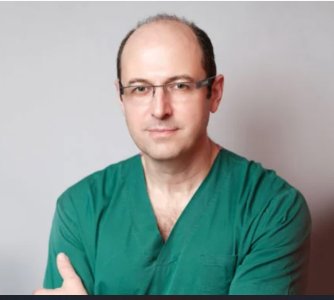
Yuri Goldes
El Dr. Yuri Goldes es cirujano general con más de 20 años de experiencia clínica. Se especializa en cirugía gastrointestinal alta y oncológica. Es subdirector del Departamento de Cirugía General y Trasplante del Centro Médico Sheba en Tel Aviv y dirige la Unidad de Cirugía Gastrointestinal Alta. En 2025 fue incluido en la lista de los Mejores Médicos de Forbes Israel. Está entre los mejores cirujanos gastrointestinales de Israel según Forbes. En 2019 recibió el premio “Médico del Año” del Min

Orit Gutfeld
Como director interino del Instituto de Radioterapia, el Dr. Gutfeld dirige un importante centro de tratamiento del cáncer dentro del Centro Médico Sourasky.
- Especializado en oncología con amplia experiencia.
- Graduado de la Escuela de Medicina Hadassah en Jerusalén.
- Completó formación avanzada en oncología médica en la Universidad de Michigan.
- Realizó pasantías tanto en oncología médica como en radioterapia en Hadassah Ein Kerem.

Dan Fliss
El profesor Dan Fliss dirige un Centro de Tumores de Cabeza y Cuello dedicado exclusivamente al tratamiento de cánceres complejos como los de las amígdalas. Combina su experiencia quirúrgica y oncológica para ofrecer una atención coordinada y multidisciplinar.
- Profesor y Jefe del Departamento de Otorrinolaringología y Cirugía de Cabeza y Cuello
- Dirige la unidad de cirugía de cabeza, cuello y base de cráneo en el Centro Médico Sourasky (Ichilov)
- Especializado en cirugía oncológica de tumores de cabeza y cuello, incluidas las amígdalas
- Integra el tratamiento quirúrgico con terapias oncológicas avanzadas
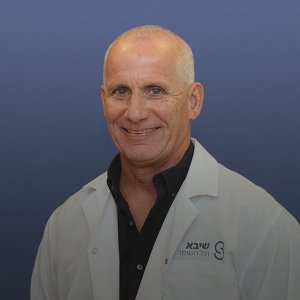
Raanan Berger
El profesor Raanan Berger, MD, PhD, es oncólogo médico y radioterapeuta. Es director del Centro Oncológico del Sheba Medical Center y dirige su unidad de investigación clínica. Fue incluido en la lista “Best Doctors” de Forbes Israel (2025). Lidera el programa de oncología genitourinaria, con enfoque en el cáncer de próstata. Su práctica incluye terapia sistémica y radioterapia en un modelo multidisciplinario centrado en el paciente.
Es especialista en oncología. Obtuvo los títulos de
Compartir contenido
Historias en video de pacientes de Bookimed
 Olena Sikoza
Preguntas frecuentes sobre el tratamiento de Cáncer de amígdalas en Israel
¿Cuáles son las principales opciones de tratamiento para el cáncer de amígdalas en Israel?
Israel trata el cáncer de amígdalas utilizando un enfoque multidisciplinario centrado en la preservación de órganos. Las opciones principales incluyen cirugía robótica transoral, radioterapia de intensidad modulada y quimioterapia. Centros avanzados como el Sourasky Medical Center reportan una tasa de éxito promedio del 90% en tratamientos oncológicos a través de atención personalizada acreditada por la JCI.
- Cirugía robótica: La extirpación mínimamente invasiva preserva las funciones de deglución y habla.
- Radioterapia: Sistemas precisos como Halcyon o VMAT atacan los tumores mientras protegen el tejido sano.
- Terapia NanoKnife: La ablación no térmica proporciona una opción de alta precisión para casos complejos.
- Perfilado molecular: Instalaciones como Assuta ofrecen pruebas genéticas para personalizar las terapias farmacológicas sistémicas.
Perspectiva del experto de Bookimed: Los centros oncológicos israelíes demuestran un patrón claro de especialización de alto volumen. El Sourasky Medical Center realiza 34,000 operaciones al año, mientras que Assuta maneja más de 90,000. Este inmenso volumen quirúrgico significa que los equipos son altamente competentes en técnicas reconstructivas. Los pacientes a menudo encuentran mejores resultados funcionales aquí porque los cirujanos realizan estos procedimientos específicos de garganta a diario.<
¿Afectará el tratamiento a mi capacidad para hablar o tragar?
Los tratamientos para el cáncer de amígdalas en Israel afectan con frecuencia las capacidades de habla y deglución. La cirugía y la radiación a menudo causan cambios temporales en la voz o dificultades para tragar. Las clínicas israelíes especializadas utilizan la radioterapia Halcyon y la cirugía robótica para tratar los tumores con precisión. Estos métodos ayudan a proteger los tejidos sanos de la garganta y a preservar estas funciones vitales.
- Impacto quirúrgico: Los especialistas extirpan los tumores preservando las estructuras necesarias para hablar con claridad y masticar.
- Efectos de la radioterapia: Sistemas avanzados como Halcyon reducen las cicatrices en los tejidos y los síntomas crónicos de boca seca.
- Manejo de la disfagia: Los logopedas proporcionan ejercicios para prevenir la tos y que los alimentos se atasquen.
- Tecnología NanoKnife: Este método de ablación no térmica destruye las células cancerosas mientras preserva los delicados nervios de la garganta.
Perspectiva de expertos de Bookimed: Los centros oncológicos israelíes como Sourasky integran una rehabilitación especializada desde el principio para proteger la calidad de vida del paciente. Nuestros datos muestran que los mejores centros utilizan una planificación guiada por PET/CT para cada sesión de radiación. Esta precisión garantiza que las dosis altas alcancen el tu
¿Qué hospitales y especialistas lideran la atención del cáncer de amígdalas en Israel?
Los hospitales israelíes como el Centro Médico Sourasky y Assuta lideran la atención del cáncer de amígdalas a través de departamentos acreditados por la JCI. Los especialistas utilizan cirugía robótica avanzada y radioterapia personalizada para tratar neoplasias orofaríngeas. Estos centros reportan una tasa de éxito promedio del 90% para tratamientos oncológicos mientras mantienen protocolos para casos complejos de cabeza y cuello.
- Centro Médico Sourasky: Instalación acreditada por la JCI en Tel Aviv que realiza 34,000 operaciones anuales.
- Prof. Dan Fliss: Especialista de renombre en Sourasky centrado en cirugía compleja de ORL y oncológica.
- Centro Médico Assuta: La clínica privada más grande que permite a los pacientes seleccionar a su cirujano principal específico.
- Dra. Orit Gutfeld: Directora en Sourasky especializada en ensayos clínicos y radioterapia avanzada.
- Centro Médico Rambam: Instalación de primer nivel en Haifa que atiende a casi 1,000,000 de pacientes cada año.
Perspectiva del experto de Bookimed: Los centros oncológicos israelíes como Sourasky mantienen una escala masiva con 2,200 médicos y 240 departamentos. Este volumen permite una especialización estrecha en subtipos orofaríngeos raros. Los datos muestran que los centros públicos como Sourasky o Rambam son más adecuados para necesidades multid
¿Son accesibles los ensayos clínicos o las terapias experimentales en Israel?
Los ensayos clínicos y las terapias experimentales son altamente accesibles en Israel. El país sirve como un centro de investigación global. La mayoría de los principales centros médicos afiliados a universidades gestionan miles de ensayos activos. Los pacientes pueden acceder a tratamientos innovadores a través de vías de uso compasivo. Estos programas ofrecen acceso temprano a terapias no registradas.
- Registro de ensayos: El Ministerio de Salud opera la base de datos MyTrial para la búsqueda de estudios activos.
- Centros principales: El Sourasky Medical Center y el Sheba Medical Center lideran la investigación oncológica y genómica.
- Vía de acceso: Es obligatoria una derivación de un médico israelí para participar en los ensayos.
- Terapias avanzadas: La investigación genética y de células madre requiere una aprobación rigurosa de los comités de ética locales.
Perspectiva del experto de Bookimed: Los centros oncológicos israelíes como el Sourasky Medical Center reportan una tasa de éxito del 90% en tratamientos contra el cáncer. Este alto resultado se debe en parte a médicos como el Dr. Dan Fliss. Él lidera activamente ensayos clínicos en medicina personalizada e inmunoterapia. Los pacientes deben enfocarse en clínicas que involucren a sus cirujanos directamente en grupos de investigación. Esto a menudo proporciona un acceso más rápido al
¿Qué tecnologías quirúrgicas avanzadas se utilizan para minimizar los efectos secundarios de la cirugía de cáncer de amígdalas en Israel?
Los centros médicos israelíes utilizan la cirugía robótica transoral (TORS) y la microcirugía láser para realizar resecciones precisas del cáncer de amígdalas. Estas técnicas mínimamente invasivas acceden a los tumores a través de la boca sin grandes incisiones externas. Este enfoque ayuda a preservar funciones críticas como el habla y la deglución, al tiempo que acelera los tiempos de recuperación.
- Precisión robótica: Los sistemas Da Vinci permiten la extirpación a través de la boca, evitando la división de la mandíbula o cicatrices en el cuello.
- Preservación de tejidos: La visualización 3D ayuda a los cirujanos a preservar los músculos sanos de la garganta y las glándulas salivales vitales.
- Recuperación funcional: Las técnicas avanzadas reducen las estancias hospitalarias a 2 días y disminuyen la necesidad de sondas de alimentación.
- Microcirugía láser: Los láseres de CO2 proporcionan un corte de alta precisión con un daño térmico mínimo al tejido sano circundante.
Perspectiva del experto de Bookimed: Los datos de los principales centros israelíes muestran una tasa de éxito oncológico del 90% mediante la integración departamental. Especialistas como la Dra. Orit Gutfeld en el Centro Médico Sourasky combinan la radioterapia con resecciones robóticas. Esta sinergia a menudo permite la desescalada del tratamiento, lo que significa dosis d
¿Cómo se gestionan la recuperación y la rehabilitación después del tratamiento del cáncer de amígdalas en Israel?
La recuperación después del tratamiento del cáncer de amígdalas en Israel involucra equipos multidisciplinarios centrados en la restauración del habla, la deglución y la nutrición. La rehabilitación suele comenzar inmediatamente después de la cirugía o la radioterapia en centros acreditados por la JCI. Terapeutas especializados ayudan a los pacientes a recuperar el 80% de la función en seis meses mediante protocolos intensivos de terapia vocal y física.
- Rehabilitación funcional: Los logopedas gestionan la disfagia y los cambios de voz mediante ejercicios específicos.
- Apoyo nutricional: Los dietistas del Centro Médico Rambam diseñan dietas hipercalóricas para prevenir la pérdida de peso.
- Reconstrucción avanzada: Los cirujanos del Centro Médico Sourasky realizan procedimientos maxilofaciales para restaurar la función de las vías respiratorias.
- Tecnología especializada: Los centros utilizan telemedicina e imágenes digitales para monitorear la recuperación y gestionar los efectos secundarios.
Perspectiva del experto de Bookimed: Los centros oncológicos israelíes como el Centro Médico Sourasky informan una tasa de éxito del 90% en tratamientos oncológicos. Este alto éxito se debe en parte a su enorme volumen de pacientes de más de 400,000 personas al año. Los centros grandes a menudo ofrecen departamentos de fisioterapia más sólidos. Por eje
¿Puedo obtener un plan de tratamiento remoto desde Israel antes de viajar?
Los pacientes pueden recibir un plan de tratamiento remoto para el cáncer de amígdalas de centros israelíes antes de viajar. Los principales hospitales utilizan la telemedicina para revisar los registros médicos y la patología. Esto ayuda a determinar la estrategia quirúrgica o de radiación preliminar. Una consulta por video a menudo incluye oncólogos y cirujanos especializados.
- Revisión de expertos: Especialistas como el Dr. Dan Fliss analizan datos genómicos y escaneos de forma remota.
- Plataformas virtuales: Las instalaciones utilizan imágenes digitales y telemedicina para evaluaciones clínicas iniciales.
- Tipos de consulta: Las sesiones en línea cubren planes de radioterapia y opciones de cirugía robótica.
- Itinerario médico: Los centros proporcionan un cronograma detallado y estimaciones de costos preliminares antes de la llegada.
Perspectiva del experto de Bookimed: Mientras que los centros públicos como Sourasky (Ichilov) manejan grandes volúmenes, los centros privados como Assuta permiten a los pacientes preseleccionar a su cirujano específico o tipo de habitación. Nuestros datos muestran que los mejores oncólogos israelíes a menudo tienen doctorados y lideran ensayos clínicos. Este alto nivel de especialización garantiza que los planes remotos se alineen con la investigación más reciente en inmunoterapia.
Consenso d
¿Por qué Israel es uno de los principales destinos para la neurocirugía?
Israel es un centro líder en neurocirugía gracias a su combinación de avances médicos de alta tecnología y una experiencia quirúrgica de primer nivel. Instalaciones avanzadas como el Centro Médico Sheba utilizan sistemas de navegación basados en IA y resonancia magnética intraoperatoria en tiempo real. Centros especializados reportan una tasa de éxito del 98% en procedimientos complejos, como la craneotomía con el paciente despierto y el tratamiento de trastornos del movimiento.
- Tecnología avanzada: Las clínicas utilizan ultrasonido enfocado guiado por resonancia magnética (MRgFUS) y sistemas robóticos para realizar incisiones.
- Experiencia quirúrgica: Cirujanos como el Dr. Zvi Ram lideran asociaciones internacionales con más de 25 años de experiencia.
- Acceso rápido: Los pacientes internacionales generalmente pueden programar cirugías complejas de cerebro o columna en un plazo de 2 a 4 semanas.
- Atención médica acreditada: Grandes centros como Sourasky (Ichilov) y Assuta están acreditados por la JCI, lo que confirma su seguridad.
Opinión experta de Bookimed: Los datos muestran una clara diferencia entre las opciones de tratamiento públicas y privadas en Israel. Centros privados, como el Centro Médico Assuta, realizan más de 92.000 cirugías al año y permiten a los pacientes elegir a un cirujano líder específico. Esto supone una ventaja signi
¿Qué tipos de enfermedades neuroquirúrgicas se tratan en Israel?
Los neurocirujanos israelíes tratan una amplia gama de afecciones, desde tumores cerebrales y de médula espinal hasta trastornos funcionales complejos. Los centros especializados utilizan tecnologías de vanguardia, como el bisturí de rayos gamma, la estimulación cerebral profunda y la resonancia magnética intraoperatoria, para un diagnóstico altamente preciso de la epilepsia, la enfermedad de Parkinson y las patologías cerebrovasculares.
- Enfermedades oncológicas: tratamiento de gliomas, meningiomas y tumores hipofisarios mediante resección de la base del cráneo.
- Trastornos funcionales: tratamiento de la enfermedad de Parkinson y del temblor esencial mediante estimulación cerebral profunda.
- Patologías de columna: corrección de escoliosis, hernias discales y tumores espinales mediante sistemas robóticos.
- Tratamiento de las enfermedades cerebrovasculares: tratamiento quirúrgico de aneurismas cerebrales y malformaciones arteriovenosas mediante intervenciones endovasculares.
- Neurocirugía pediátrica: atención especializada en hidrocefalia y anomalías congénitas en centros pediátricos especializados.
Opinión experta de Bookimed: Los hospitales israelíes suelen combinar diversas especialidades para abordar casos complejos. En el Centro Médico Sourasky, neurocirujanos como el Dr. Zvi Lidar combinan neurocirugía y ortopedi
¿Qué hospitales en Israel son más conocidos por sus departamentos de neurocirugía?
Israel alberga centros neuroquirúrgicos de renombre mundial, como el Centro Médico Sourasky, el Centro Médico Sheba y el Centro Médico Hadassah. Estas instituciones son líderes mundiales en el tratamiento de tumores cerebrales complejos, enfermedades de la columna vertebral y trastornos del movimiento. Utilizan tecnologías de vanguardia como el bisturí de rayos gamma, sistemas robóticos y resonancia magnética intraoperatoria.
- Suraski (Ichilov): realiza más de 2.500 operaciones neuroquirúrgicas al año en Tel Aviv con una tasa de éxito del 98%.
- Centro Médico Sheba: clasificado entre los diez mejores hospitales del mundo, trata a 1,9 millones de pacientes al año.
- Centro Médico Hadassah: Nominado al Premio Nobel de la Paz. Líder en neurocirugía pediátrica y terapia génica.
- Centro Médico Assuta: el centro médico privado más grande de Israel. Especializado en cirugías mínimamente invasivas de columna y cerebro.
- Hospital Infantil Schneider: un centro líder en neurocirugía pediátrica que trata a 275.000 niños al año.
Opinión experta de Bookimed: Nuestros datos muestran que, si bien la mayoría de los pacientes buscan tratamiento en Tel Aviv, el Centro Médico Rambam en Haifa ofrece una atención única para neurotraumatismos. Cuenta con una unidad especializada en cuidados neurocríticos que atiende a aproximadamente un milló