Cáncer de amígdalas en Corea del Sur: las 7 mejores clínicas para su tratamiento


Revisado médicamente por
Fahad Mawlood
¿Cuál es el precio del diagnóstico y los tratamientos de Cáncer de amígdalas en Corea del Sur? Descubra ahora
El costo del tratamiento del cáncer de amígdalas en la República de Corea generalmente incluye diagnósticos esenciales como una tomografía por emisión de positrones (PET-CT), que oscila entre $1,100 y $1,400. De $3,000. Los gastos totales dependen de la etapa del cáncer, los requisitos de cirugía robótica y el nivel de la clínica. Los pacientes suelen ahorrar entre un 30 y un 50% en comparación con los EE. UU. La mayor parte de la atención especializada se concentra en Seúl.
Costos típicos del tratamiento del cáncer de amígdalas en la República de Corea
- Consulta con un oncólogo: $50 – $75
- Exploración PET-CT: $1,100 – $1,400
- TC (tomografía computarizada): $300 – $330
- Quimioterapia para cáncer de mama: de $3,000
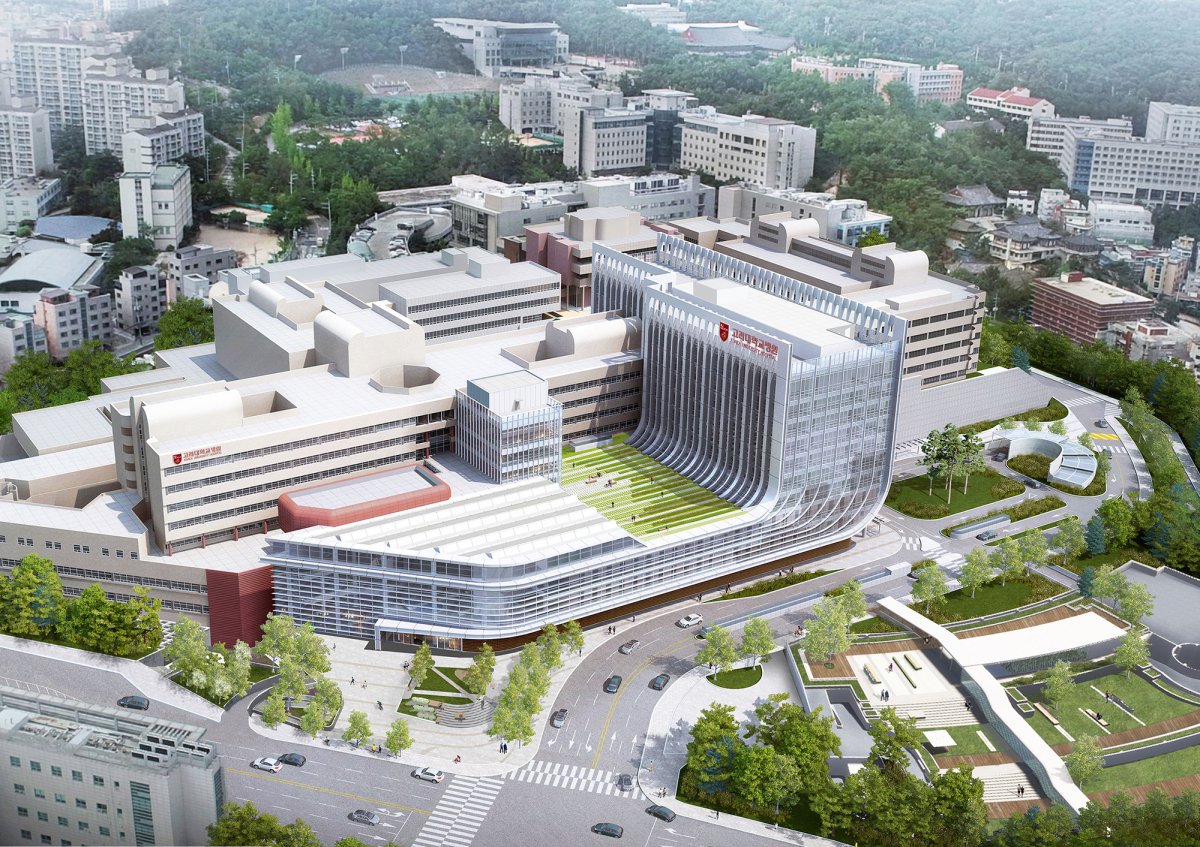
Perspectiva de los expertos de Bookimed: Los pacientes que buscan cirugía oncológica robótica encuentran el mayor valor en el Korea University Anam Hospital. Realizaron la primera cirugía robótica de tiroides oral del mundo y ofrecen protocolos quirúrgicos sin sangre. Para el cáncer de amígdalas avanzado, se recomienda el Seoul National University Hospital (SNUH) por sus estándares de nivel presidencial. El SNUH reporta algunas de las estadísticas de tratamiento de cáncer más altas del país. El Severance Hospital es una opción destacada para pacientes internacionales que necesitan atención multidisciplinaria. Cuenta con la acreditación de la Joint Commission International (JCI) y alberga un departamento de otorrinolaringología dedicado a casos complejos de garganta.
| Corea del Sur | España | Turquía | |
|---|---|---|---|
| Radioterapia para el cáncer colorrectal | ≈ $9,000 | de $7,500 | de $5,000 |
| Quimioterapia para el cáncer de mama | de $3,000 | de $1,700 | de $1,900 |
| Nanocuchillo | ≈ $17,500 | ≈ $9,500 | ≈ $9,500 |
| Halcyon | ≈ $9,000 | ≈ $6,500 | ≈ $9,500 |
| Criodestrucción | ≈ $900 | ≈ $900 | de $500 |
Sus beneficios y garantías con Bookimed
Precios directos
Bookimed no añade cargos extra a los precios de los tratamientos de Cáncer de amígdalas. Las tarifas proceden de las listas de precios oficiales de las clínicas. Pagará directamente en la clínica por su tratamiento a su llegada al país.
Sólo clínicas y médicos verificados
Bookimed está comprometido con su seguridad. Solo trabajamos con las clínicas que mantienen altos estándares internacionales en el tratamiento de Cáncer de amígdalas y cuentan con las licencias necesarias para atender a pacientes internacionales en todo el mundo.
Asistencia 24/7 gratuita
Bookimed ofrece asistencia experta gratuita. Un coordinador médico personal le apoya antes, durante y después de su tratamiento, resolviendo cualquier problema. Nunca estará solo en su viaje médico de tratamiento de Cáncer de amígdalas.

Su coordinador médico personal de Bookimed
- Le apoya en cada etapa
- Ayuda a elegir la clínica y el médico adecuados
- Asegura un acceso rápido y conveniente a la información
Descubra las mejores clínicas de tratamiento de Cáncer de amígdalas en Corea del Sur: 7 opciones verificadas y Precios













Compartir contenido
Historias en video de pacientes de Bookimed
 Olena Sikoza
Preguntas frecuentes sobre el tratamiento de Cáncer de amígdalas en Corea del Sur
¿Cuáles son los principales métodos de tratamiento para el cáncer de amígdalas en Corea del Sur?
El tratamiento del cáncer de amígdalas en Corea del Sur sigue protocolos multidisciplinarios. Los centros especializados acreditados por la JCI utilizan la cirugía robótica transoral (TORS) y la radioterapia de intensidad modulada (IMRT). Estos métodos se centran en preservar la deglución y el habla. Técnicas de alta precisión como la terapia de iones pesados abordan tumores radiorresistentes en casos avanzados.
- Cirugía robótica: Los sistemas Da Vinci permiten la extirpación mínimamente invasiva de tumores a través de la boca.
- Radioterapia: La IMRT y la IGRT se dirigen a los tumores mientras protegen las glándulas salivales sanas.
- Terapia sistémica: La quimioterapia o los fármacos dirigidos a menudo se combinan con radiación para estadios avanzados.
- Protocolos de VPH: Los médicos pueden reducir las dosis de tratamiento para casos positivos de VPH para mejorar la recuperación.
Perspectiva del experto de Bookimed: Corea del Sur es líder en tecnología robótica. El Hospital Anam de la Universidad de Corea desarrolló la primera cirugía robótica oral de tiroides del mundo. Esta experiencia se extiende al cáncer de amígdalas. Los cirujanos aquí se especializan en enfoques transorales que reducen significativamente las cicatrices. Algunos métodos robóticos pueden reducir el tamaño de la cicatriz en un 90% en comparación con la cirugía abierta t
¿Reciben los cánceres de amígdalas VPH-positivos un tratamiento diferente en Corea?
Los oncólogos coreanos diferencian el tratamiento para el cáncer de amígdalas VPH-positivo debido a su alta sensibilidad a la terapia. Si bien los protocolos siguen siendo estandarizados, los especialistas a menudo priorizan la preservación de órganos. Los enfoques incluyen cirugía con radiación adyuvante o quimiorradioterapia definitiva dentro de instalaciones acreditadas por la Joint Commission International en Seúl.
- Selección de tratamiento: La mayoría de los expertos coreanos prefieren la cirugía más radiación adyuvante para casos en etapa temprana.
- Estrategias avanzadas: La quimiorradioterapia concurrente sigue siendo la opción principal para el 50% de los pacientes en etapa avanzada.
- Tendencias de desescalada: Casi el 20% de los radiooncólogos pueden reducir las dosis para casos VPH-positivos.
- Acceso a tecnología: Centros como el Samsung Medical Center utilizan radioterapia guiada por imagen (IGRT) para minimizar los efectos secundarios.
Perspectiva del experto de Bookimed: Aunque muchos piensan que el estado VPH-positivo significa automáticamente menos tratamiento, los centros coreanos como el Korea University Anam Hospital se centran en técnicas especializadas como la cirugía robótica. Los datos sugieren que estas importantes instalaciones de Seúl priorizan el mantenimiento de la función de deglución a través de tecnología de pr
¿Cuál es la tasa de éxito / supervivencia para el cáncer de amígdalas tratado en Corea?
Las clínicas de Corea del Sur reportan tasas de supervivencia a 5 años para el cáncer de amígdalas de entre el 81% y el 82%. Los enfoques quirúrgicos modernos para casos en etapas avanzadas demuestran una supervivencia del 64% en comparación con el 49% para la quimiorradioterapia. Los resultados son más altos cuando se tratan tempranamente utilizando tecnologías robóticas como el sistema quirúrgico Da Vinci.
- Referencia de supervivencia: Las tasas de supervivencia a 5 años alcanzan del 81% al 82% en cohortes recientes.
- Comparación de tratamientos: Los grupos quirúrgicos muestran una supervivencia del 64% frente al 49% para la quimiorradioterapia.
- Pronóstico en etapa temprana: Los pacientes en etapas I y II mantienen puntos de referencia de éxito significativamente más altos.
- Tecnología avanzada: El Samsung Medical Center utiliza IGRT y Novalis para radiación de precisión.
Perspectiva de expertos de Bookimed: La ventaja de supervivencia de Corea proviene del volumen extremo de pacientes en centros especializados. El Hospital Severance y el Samsung Medical Center tratan a millones de pacientes anualmente. Esta escala masiva permite a los cirujanos dominar sistemas robóticos como Da Vinci. Con frecuencia realizan extirpaciones de alta precisión que preservan el habla y la deglución mejor que los métodos estándar.
Consenso de
¿Cuánto tiempo suele durar un programa de tratamiento completo?
El tratamiento del cáncer de amígdalas en Corea del Sur suele durar de 3 a 7 meses para un programa completo. La terapia activa, como la cirugía o la radiación diaria, suele llevar de 6 a 8 semanas. La recuperación integral, que incluye la rehabilitación de la deglución y las exploraciones de seguimiento, extiende el cronograma significativamente más allá de la estancia hospitalaria inicial.
- Fase de diagnóstico: El estudio y la estadificación suelen requerir de 1 a 2 semanas en los hospitales de Seúl.
- Intervención quirúrgica: La cirugía asistida por robot suele implicar de 5 a 10 días de atención hospitalaria especializada.
- Curso de radiación: La radioterapia guiada por imagen (IGRT) suele requerir sesiones diarias durante 6 a 7 semanas.
- Ventana de recuperación: La rehabilitación de la deglución y la curación de los tejidos generalmente continúan durante 3 a 6 meses.
Perspectiva de expertos de Bookimed: Aunque muchos esperan una recuperación rápida, los datos de centros de gran volumen como el Hospital Severance muestran que la rehabilitación especializada es clave. Atienden a más de 1.600.000 pacientes ambulatorios al año, a menudo integrando la terapia del habla y la deglución desde el principio. Estos programas integrados pueden extender la estancia en 2 semanas, pero mejoran significativamente la preservación del habla a largo plazo
¿Todo el tratamiento se lleva a cabo de forma hospitalaria?
El tratamiento del cáncer de amígdalas en Corea del Sur sigue un modelo híbrido. Las cirugías mayores y las recuperaciones iniciales requieren ingreso hospitalario. Los cuidados postquirúrgicos, la radioterapia y la quimioterapia suelen realizarse en sesiones ambulatorias. La mayoría de los pacientes pasan a la atención ambulatoria una vez que alcanzan marcadores de salud estables y niveles de dolor manejables.
- Ingreso quirúrgico: Requiere estancias hospitalarias acreditadas por la JCI para resecciones tumorales complejas.
- Sesiones de radioterapia: Se administran diariamente en unidades ambulatorias durante varias semanas.
- Infusiones de quimioterapia: Se realizan en centros de día especializados con alta el mismo día.
- Recuperación robótica: Las técnicas de acceso mínimo como Da Vinci a menudo reducen el tiempo de hospitalización.
Perspectiva de expertos de Bookimed: Los centros oncológicos de Corea del Sur priorizan una alta rotación de pacientes y una eficiencia extrema. En centros como el Asan Medical Center, se trata a más de 11.800 pacientes ambulatorios al día. Este alto volumen significa que los cirujanos a menudo dan el alta a los pacientes antes que en otros países. Planifique una estancia hospitalaria de 7 días para la cirugía, pero espere alojarse en un hotel cercano durante el mes siguiente de radioterapia.
Con
¿Cómo gestionan los pacientes internacionales las citas, la traducción y la logística en Corea?
Los pacientes internacionales gestionan su atención a través de los Centros de Atención Médica Internacional (IHC) dentro de los principales hospitales de Seúl. Estos departamentos especializados se encargan de la programación, la traducción al inglés y la documentación médica. Coordinadores dedicados facilitan la comunicación entre los equipos de oncología y los pacientes. Las instalaciones generalmente mantienen la acreditación de la Joint Commission International (JCI) para garantizar los estándares de seguridad globales.
- Protocolos de navegación: Los IHC actúan como el punto de entrada principal para reservar citas para cáncer de amígdalas.
- Capas de traducción: Los hospitales proporcionan coordinadores bilingües para discusiones clínicas y explicaciones de formularios de consentimiento.
- Apoyo logístico: Los equipos ayudan con la documentación de visas, traslados al aeropuerto y arreglos de alojamiento cerca del hospital.
- Digitalización de datos: Centros como el Hospital de la Universidad Nacional de Seúl utilizan sistemas digitales para reducir errores.
Perspectiva del experto de Bookimed: El sistema médico de Corea se mueve increíblemente rápido una vez que estás en el sistema. El Centro Médico Asan por sí solo atiende a más de 11,800 pacientes ambulatorios diariamente. Este alto volumen significa que las citas son altamente estruc