Tratamiento de Cáncer de amígdalas en Turquía — obtenga 3 coincidencias personalizadas de clínicas


Revisado médicamente por
Fahad Mawlood
Cómo funciona
¿Cuál es el precio del diagnóstico y los tratamientos de Cáncer de amígdalas en Turquía? Descubra ahora
El costo total del tratamiento del cáncer de amígdalas en Turquía depende de procedimientos y consultas específicas. Las consultas iniciales con un especialista en ORL cuestan 113 €, mientras que las consultas con un oncólogo médico y un oncólogo de radiación son alrededor de 170 € cada una. Las pruebas diagnósticas como los análisis de sangre tienen un precio de 398 €, y las pruebas moleculares como MSI, HER2 y NTRK son 1.612 €, mientras que las exploraciones PET-CT varían de 616 € a 881 €. Las sesiones de quimioterapia pueden costar entre 2.370 € y 8.060 € por curso, con costos de radioterapia que varían de 5.216 € a 16.116 €. El plan de tratamiento se personaliza después de una evaluación exhaustiva por parte del equipo médico.
| España | Turquía | México | |
|---|---|---|---|
| Radioterapia para el cáncer colorrectal | de $7,500 | de $5,000 | ≈ $6,000 |
| Quimioterapia para el cáncer de mama | de $1,700 | de $3,000 | ≈ $4,500 |
| Nanocuchillo | ≈ $9,500 | ≈ $9,500 | ≈ $12,000 |
| Halcyon | ≈ $6,500 | ≈ $9,500 | ≈ $14,000 |
| Criodestrucción | ≈ $900 | de $500 | ≈ $650 |
Descubra las mejores clínicas de tratamiento de Cáncer de amígdalas en Turquía: 27 opciones verificadas y Precios



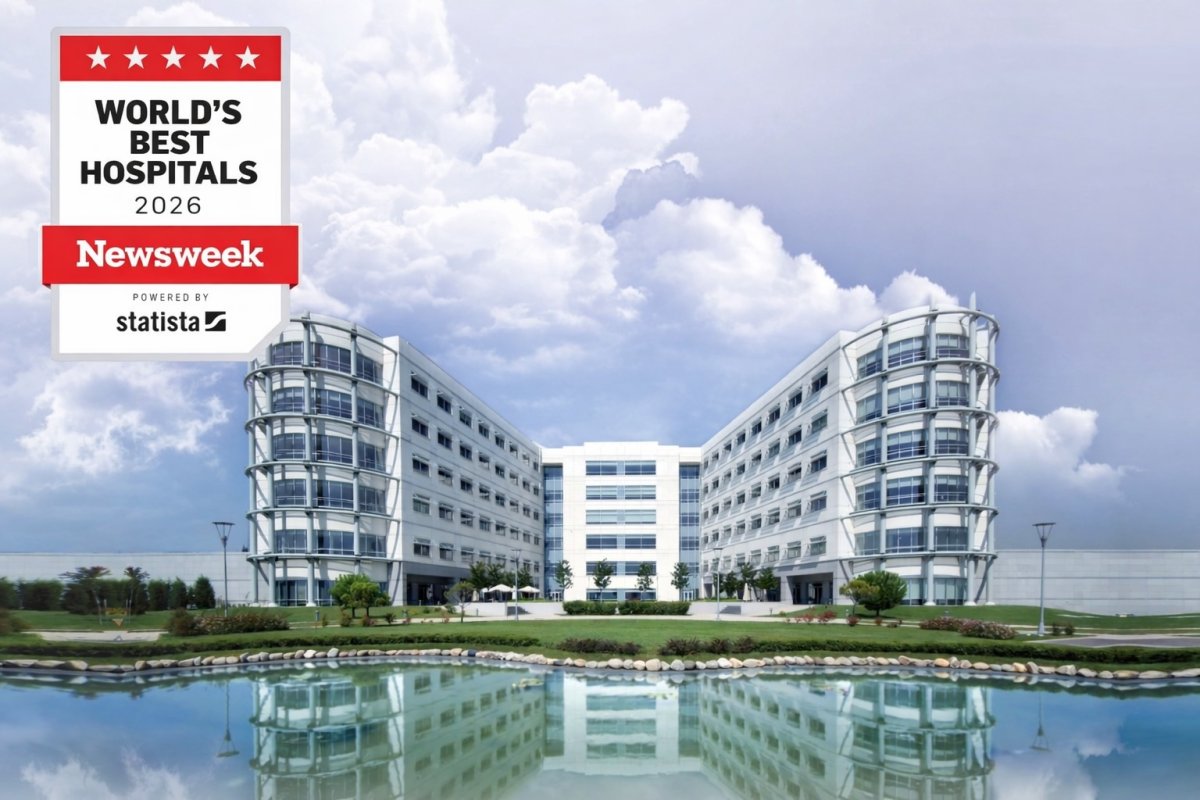





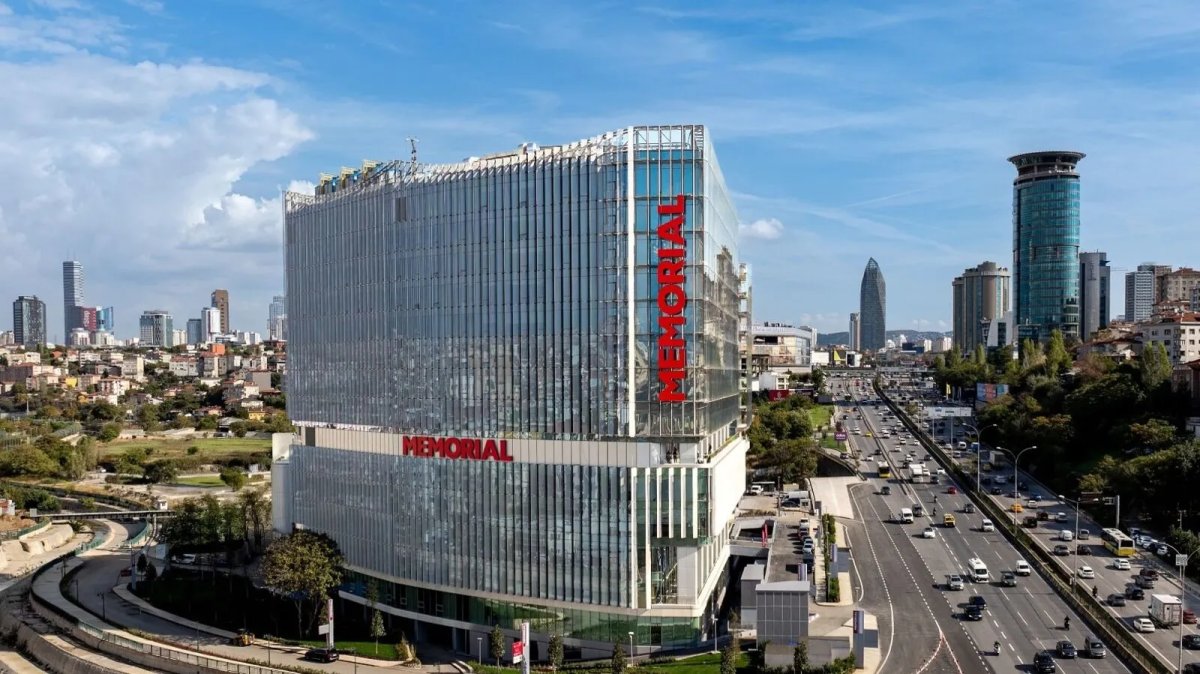
Memorial Göztepe Hospital



Memorial Ankara Hospital
Obtenga una evaluación médica de tratamiento de Cáncer de amígdalas en Turquía: haga una consulta con 43 médicos experimentados ahora
Ver todos los médicos
Bulent Karagoz
El médico es un oncólogo médico turco altamente experimentado, especializado en sarcoma, linfoma, cáncer de páncreas, pulmón y mama. Con más de 20 años de experiencia, el médico se centra en la biología tumoral, la inmunología tumoral, la inmunoterapia del cáncer y las terapias dirigidas. Desde 2019, el médico ha estado sirviendo como oncólogo médico en el Centro Médico Anadolu y anteriormente ocupó roles de liderazgo en la Facultad de Medicina de la Universidad Okan de Estambul y en el Hospi
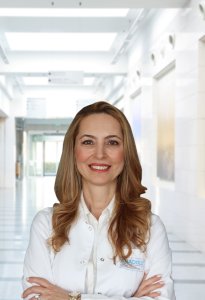
Banu Atalar
La Dra. Banu Atalar es oncóloga radioterápica con certificación de especialidad (Turquía, 2004). Es catedrática en la Universidad Acibadem MAA (2018–presente) y médica en Anadolu Medical Center (2026–presente). Se formó en Estambul y en Cerrahpaşa. En 2011 completó una beca de investigación clínica en Stanford en radiocirugía estereotáctica. Su práctica se centra en tumores del SNC, torácicos y gastrointestinales. Aproximadamente el 75% de su actividad clínica implica SRS y SRS adaptativa gui
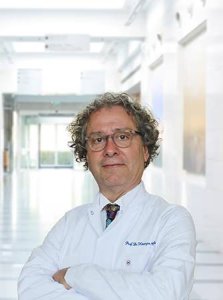
Huseyin Baloglu
El Prof. Hüseyin Baloğlu es especialista en patología en el Centro Médico Anadolu, en Gebze, Kocaeli, Turquía. Se centra en la patología molecular y quirúrgica, y en la biopsia y el diagnóstico de tumores.
Formación y acreditaciones: Médico (MD), Escuela de Medicina de GATA (1986). Especialidad en Patología, GATA (1992). Profesor asociado (Doçent), GATA (2004). Investigador visitante en el Albert Einstein College of Medicine (Nueva York) y la Universidad de Heidelberg.
Logros: a

Prof. Sezer Sağlam
El Prof. Sezer Sağlam se especializa en oncología médica en el Hospital Gayrettepe Florence Nightingale, con un enfoque en cánceres gastrointestinales y de amígdalas.
- Profesor de Oncología Médica desde 2016
- Amplia formación de especialización en la Universidad de Estambul
- Miembro de ESMO, ASCO y la Asociación Turca de Oncología Médica
- Especializado en oncología gastrointestinal
- Activo tanto en la práctica clínica como en la investigación
Reseñas
Todas las reseñasCompartir contenido
Historias en video de pacientes de Bookimed
 Olena Sikoza
Preguntas frecuentes sobre el tratamiento de Cáncer de amígdalas en Turquía
¿Por qué elegir Turquía para el tratamiento del cáncer de amígdalas?
Turquía destaca en el tratamiento del cáncer de amígdalas a través de centros acreditados por la JCI que integran protocolos afiliados a Johns Hopkins y tecnologías avanzadas. Los pacientes acceden a cirujanos especializados en cabeza y cuello, radioterapia Halcyon y ablación NanoKnife. Estas instalaciones proporcionan diagnósticos rápidos como exploraciones PET/TC en cuestión de días, asegurando el inicio inmediato del tratamiento.
- Cirujanos expertos: Especialistas como el Dr. Tayfun Apuhan han realizado más de 4.000 procedimientos de cabeza y cuello.
- Tecnología avanzada: Los centros utilizan sistemas Halcyon y MR Linac para la orientación precisa del tumor durante la radiación.
- Reconocimiento global: El Anadolu Medical Center cuenta con certificaciones ESMO e IASIOS por sus altos estándares oncológicos.
- Logística para pacientes: La logística incluye traslados al aeropuerto, reservas de hotel e intérpretes dedicados para pacientes internacionales.
Opinión de los expertos de Bookimed: Aunque muchos buscan el precio más bajo, el verdadero valor en Turquía es el volumen de casos. El Hospital Florence Nightingale de Estambul y el Hospital Hisar tratan hasta 300.000 pacientes al año. Este flujo masivo garantiza que los cirujanos en estos centros encuentren diariamente variantes raras de cáncer de amígdalas. Esta experiencia a menudo conduce
¿Qué opciones de tratamiento hay disponibles en Turquía?
El tratamiento del cáncer de amígdalas en Turquía incluye cirugía, radioterapia dirigida y quimiorradioterapia especializada. Los centros acreditados por la JCI utilizan herramientas de diagnóstico precisas como PET-CT digital y tomografía computarizada de 300 cortes. Opciones avanzadas como la radiación Halcyon y NanoKnife están disponibles en los principales centros oncológicos de Estambul para casos complejos.
- Enfoques quirúrgicos: Cirujanos como el Dr. Tayfun Apuhan realizan resecciones expertas de cabeza y cuello.
- Técnicas de radiación: Las instalaciones ofrecen radioterapia de intensidad modulada (IMRT) y radioterapia guiada por imagen (IGRT).
- Certificaciones de expertos: Oncólogos como la Dra. Yesim Yildirim poseen certificaciones de la Sociedad Europea de Oncología Médica.
- Atención multidisciplinaria: Los centros principales integran revisiones de patología, terapia del habla y apoyo nutricional en sus protocolos.
Perspectiva del experto de Bookimed: Si bien muchos eligen Turquía para la oncología, la verdadera ventaja es la afiliación con instituciones estadounidenses. Por ejemplo, el Centro Médico Anadolu trabaja con Johns Hopkins Medicine. Esto garantiza que los pacientes reciban protocolos de estándar estadounidense para tumores VPH-positivos o resecciones amigdalinas complejas a tarifas significativamente más accesibles.
¿Cuál es la tasa de éxito y el pronóstico después del tratamiento?
Las tasas de éxito del cáncer de amígdalas en Turquía son altas para los casos en etapa temprana. Los pacientes en estadio I suelen tener una tasa de supervivencia a cinco años del 84%. Los especialistas utilizan PET/CT para la estadificación. El tratamiento implica equipos multidisciplinarios, incluidos especialistas en oncología y otorrinolaringología. Los centros acreditados por JCI en Estambul manejan casos complejos de manera efectiva.
- Herramientas de diagnóstico: El PET/CT digital y la TC de 512 cortes aseguran una estadificación precisa del tumor.
- Experiencia especializada: Cirujanos como el Dr. Tayfun Apuhan han realizado más de 4,000 procedimientos.
- Tecnología avanzada: Los sistemas Halcyon y NanoKnife atacan los tumores mientras protegen el tejido sano.
- Calidad clínica: El Centro Médico Anadolu está afiliado a Johns Hopkins para oncología.
Opinión del experto de Bookimed: El éxito en Turquía suele estar relacionado con la experiencia quirúrgica de alto volumen. El Dr. Tayfun Apuhan en el Hospital Hisar fue el primero en utilizar la cirugía robótica da Vinci para ORL en el país. Esta precisión ayuda a preservar las funciones del habla y la deglución. Nuestros datos muestran que sus más de 4,000 procedimientos proporcionan un nivel de fiabilidad que normalmente solo se ve en los principales centros oncológicos de EE. UU.
¿Necesitaré un traductor o apoyo lingüístico durante el tratamiento?
Los hospitales turcos acreditados por la JCI proporcionan apoyo lingüístico profesional para pacientes internacionales como un servicio estándar. La mayoría de las clínicas asignan coordinadores personales o intérpretes profesionales para garantizar una comunicación clara. Instalaciones como el Anadolu Medical Center incluyen lingüistas dedicados para gestionar los matices médicos durante las consultas de oncología y la planificación quirúrgica.
- Intérpretes profesionales: Las clínicas proporcionan personal dedicado para traducir diagnósticos médicos complejos y planes de tratamiento.
- Disponibilidad de idiomas: El apoyo suele estar disponible en inglés y ruso en los principales centros de Estambul.
- Consentimiento informado: Los intérpretes ayudan durante pasos vitales como biopsias, anestesia y sesiones de quimioterapia.
- Cuidados postoperatorios: El apoyo lingüístico se extiende a la explicación de los horarios de medicación y las instrucciones de cuidados en el hogar.
Perspectiva del experto de Bookimed: El Anadolu Medical Center muestra un claro compromiso con la comunicación con el paciente al mantener una afiliación con el Hospital Johns Hopkins. Esta asociación garantiza que su personal siga los estándares globales de atención centrada en el paciente. Los pacientes a menudo destacan a intérpretes como Elmira por brindar apoyo emocio