Ir a inicio

Cómo funciona

Hemos transformado el proceso de búsqueda de clínicas, haciéndolo simple, rápido y personalizado.
Responda algunas preguntasComplete un breve formulario para contarnos sobre su estado de salud y necesidades médicas.
Obtenga ofertas personalizadas3 clínicas seleccionadas especialmente según sus respuestas le proporcionan planes de tratamiento personalizados y presupuestos.
Elija la mejor opciónCompare ofertas y elija la clínica que más le convenga.
También puede consultar las 3 clínicas a continuación.
820К+ pacientes han recibido asistencia desde 2014
50 países
1,500 clínicas
6K+ reseñas
3K+ médicos calificados

¿Cuál es el precio del diagnóstico y los tratamientos de Cáncer de amígdalas en Austria? Descubra ahora

El precio promedio del diagnóstico y tratamiento de Cáncer de amígdalas en Austria es de $6,974, el precio mínimo es de $6,974, y el precio máximo es de $6,974.
AustriaEspañaTurquía
Radioterapia para el cáncer colorrectalde $12,000de $10,000de $7,000
Quimioterapia para el cáncer de mamade $15,000de $3,500de $1,200
Nanocuchillode $25,000de $12,000de $9,500
Criodestrucciónde $4,000de $3,500de $3,500
Halcyon--de $5,400
Datos verificados por Bookimed a partir de June 2026, basados en solicitudes de pacientes y cotizaciones oficiales de 90 clínicas en todo el mundo. Los costos medianos se basan en facturas reales (2025–2026) y se actualizan mensualmente. Los precios reales pueden variar.

Descubra las mejores clínicas de tratamiento de Cáncer de amígdalas en Austria: 3 opciones verificadas y Precios

El ranking de clínicas de Bookimed se basa en algoritmos de data science, ofreciendo una comparación confiable, transparente y objetiva. Tiene en cuenta la demanda de pacientes, las puntuaciones de reseñas (positivas y negativas), la frecuencia de actualización de opciones de tratamiento y precios, la rapidez de respuesta y las certificaciones de las clínicas.
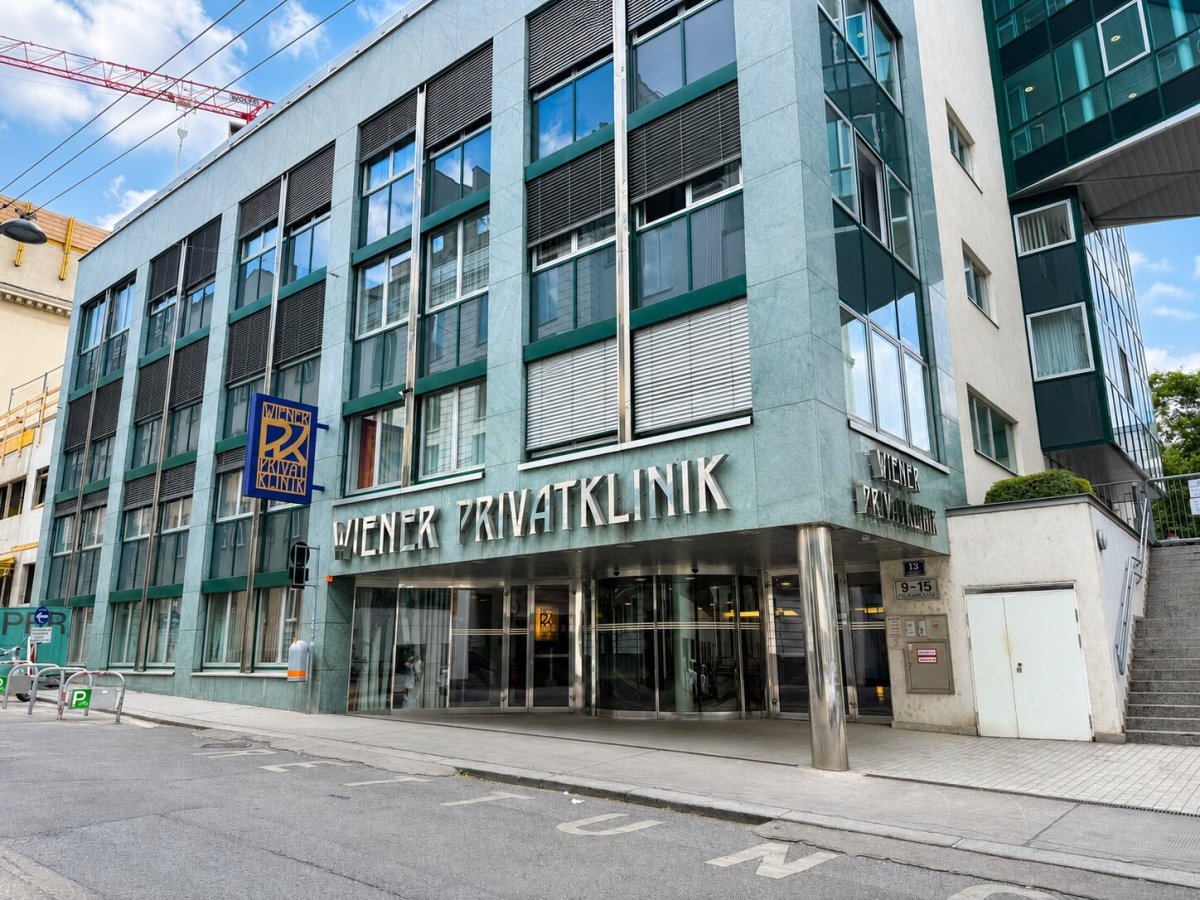
Clínica privada Wiener (Wiener Privatklinik)
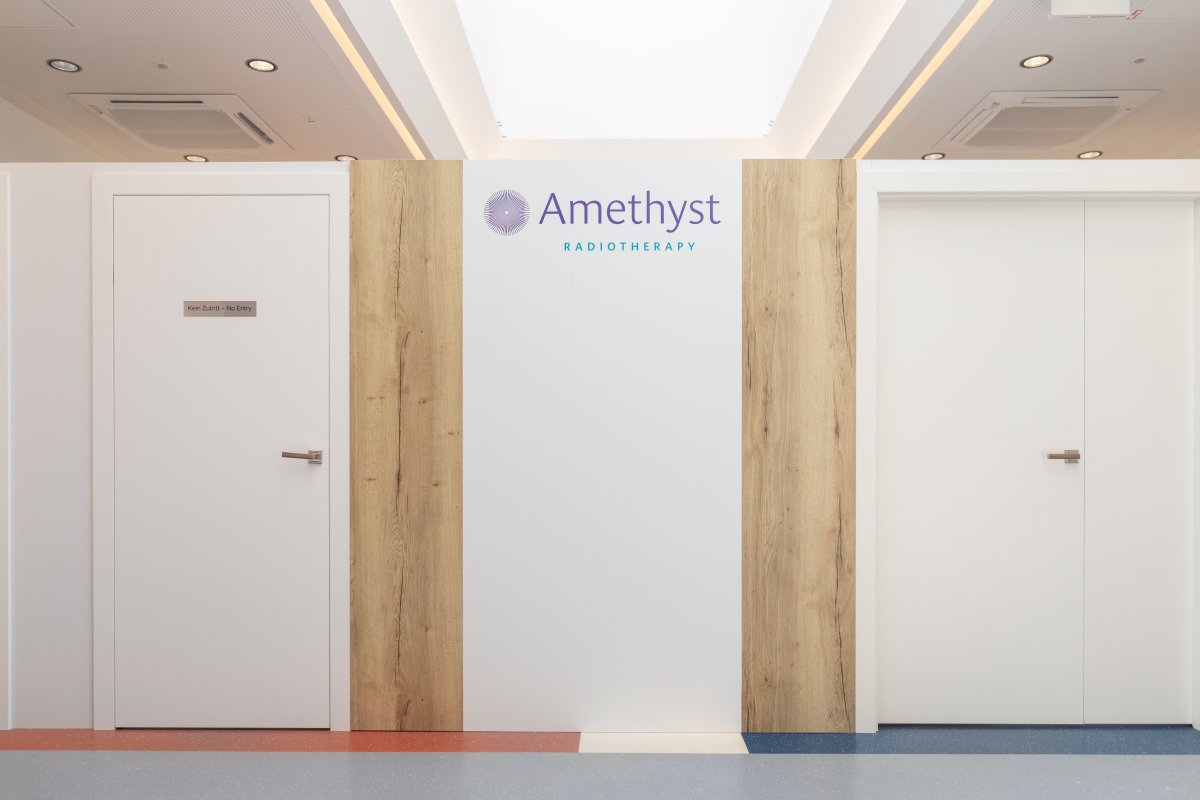
Centro de radioterapia Amethyst Radiotherapy Austria
4.65 reseñas
Precio a consultar
Más información
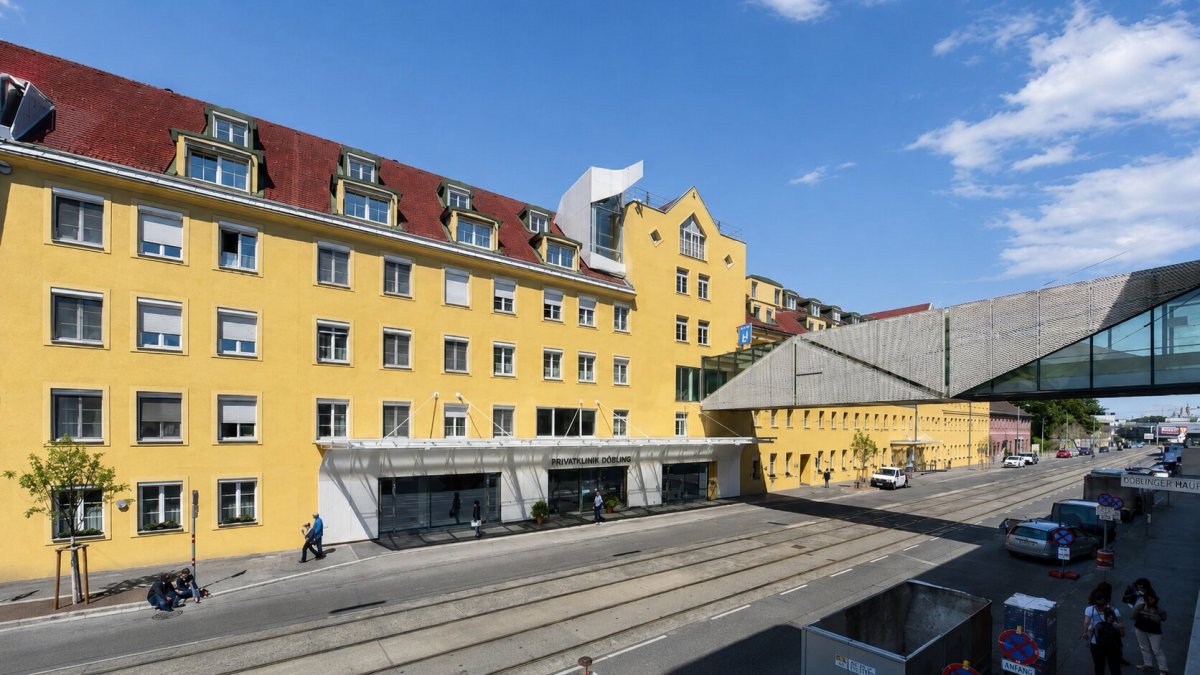
Döbling Private Hospital
4.221 reseñas
Precio a consultar
Más información

Obtenga una evaluación médica para Cáncer de amígdalas en Austria: consulte con doctores experimentados ahora

Ver todos los médicos
verificado

Christoph Zielinski

44 años de experiencia

El profesor Zielinski es un líder mundial en oncología médica e inmunoterapia del cáncer, con más de 40 años dando forma al tratamiento oncológico moderno. Actualmente dirige el International Oncology Center en la Wiener Privatklinik.

  • Antiguo jefe de la División Clínica de Oncología del Hospital General de Viena
  • Fundador y director del Comprehensive Cancer Center Vienna (CCC)
  • Experto en terapias oncológicas individualizadas adaptadas a la biología tumoral del paciente
  • Presidente de la Central European Cooperative Oncology Group (CECOG)
  • Catedrático y conferenciante destacado en oncología internacional
verificado

Wolfgang Köstler

22 años de experiencia

El Prof. Köstler es un destacado experto en terapias personalizadas contra el cáncer, con más de 20 años de experiencia centrada en neoplasias malignas mamarias y ginecológicas.

  • Especializarse en terapias dirigidas e inmunoterapia
  • Profesor asociado en la Universidad de Medicina de Viena
  • Publicaciones extensas sobre el desarrollo de biomarcadores
  • Ex subjefe de la División de Oncología Clínica

Compartir contenido

Historias en video de pacientes de Bookimed

Dayana
Combiné mis vacaciones en Antalya con un chequeo médico.
Procedimiento: Chequeo femenino
Igor
¡Fue genial! Traslados, alojamiento, tratamiento, todo incluido.
Procedimiento: Implante dental
Clínica: WestDent Clinic
Marina
Bookimed se encargó de todo. No tuve que preocuparme por nada.
Procedimiento: Chequeo femenino
Actualizado: 04/14/2026
Escrito por
Olena Sikoza
Olena Sikoza
Сopywriter en español
Copywriter médica certificada responsable del contenido en español de Bookimed. Más de 7 años de experiencia en redacción sobre salud y turismo médico, con formación académica en edición científica y desarrollo de contenidos.
Fahad Mawlood
Editor médico y Científico de datos
Médico general. Ganador de 4 premios científicos. Sirvió en Asia Occidental. Es el ex jefe del equipo médico que soporta a pacientes de habla árabe. Ahora es responsable del procesamiento de datos y la precisión del contenido médico.
Fahad Mawlood Linkedin
Esta página puede incluir información relacionada con diversas afecciones médicas, tratamientos y servicios de salud disponibles en diferentes países. Tenga en cuenta que el contenido se proporciona sólo con fines informativos y no debe interpretarse como asesoramiento médico o orientación. Por favor consulte con su médico o con un profesional médico calificado antes de comenzar o cambiar el tratamiento médico.

Preguntas frecuentes sobre el tratamiento de Cáncer de amígdalas en Austria

Estas preguntas frecuentes provienen de pacientes reales que buscan atención médica a través de Bookimed. Las respuestas son proporcionadas por coordinadores médicos experimentados y representantes autorizados de las clínicas.

What are the primary treatment methods for tonsil cancer used by Austrian oncologists?

Austrian oncologists treat tonsil cancer using personalized protocols focused on organ preservation and functional outcomes. Primary methods include intensity-modulated radiation therapy, chemotherapy, and transoral robotic surgery. Treatment selection depends on HPV status and tumor stage to ensure high survival rates while protecting speech and swallowing capabilities.

  • Radiation therapy: Amethyst Radiotherapy Austria utilizes targeted delivery to spare healthy salivary glands.
  • Minimally invasive surgery: Surgeons use robotic platforms for tumor removal without external facial incisions.
  • Multidisciplinary boards: Prof. Dr. Christoph Zielinski leads comprehensive planning at the Vienna Cancer Center.
  • Advanced diagnostics: Clinics use PET/CT and specialized imaging for precise staging before treatment.

Bookimed Expert Insight: Patient volume at private facilities like Döbling Private Hospital, which treats 16,000 patients annually, correlates with lower complication rates. Choosing centers with high-volume head-and-neck departments is vital. These institutions often integrate academic research from the Medical University of Vienna into clinical practice for complex cases.

Patient Consensus: Patients note that supportive care, such as early dental evaluations and nutritional support, is as critical as the therapy itself. They emphasize confirming whether a treatment plan is surgery-first or radiation-focused during initial consultations.

Does my HPV status affect the treatment plan recommended in Austrian clinics?

HPV status is a critical prognostic biomarker that shapes tonsil cancer treatment plans in Austrian clinics. Positive status often leads to more favorable outcomes. This permits oncologists to personalize therapies. Specialists use status to decide between radical surgery, immunotherapy, or targeted radiation protocols.

  • Prognostic mapping: HPV-positive tumors often show better response rates to standard chemoradiation protocols.
  • Surgical selection: Specialists may prefer transoral surgical approaches for HPV-positive cases with smaller tumors.
  • Therapy personalization: Tumor boards use HPV genotyping to determine if immunotherapy is a viable option.
  • De-escalation protocols: Some Austrian centers discuss treatment de-intensification within controlled clinical trial settings.

Bookimed Expert Insight: While Vienna's top oncology centers like Wiener Privatklinik emphasize HPV as a success predictor, treatment still shifts by department specialization. At Döbling Private Hospital, which manages 16,000 annual patients, the focus remains on keeping complication rates below nominal values regardless of viral status. If your case involves complex reconstruction, prioritize facilities with integrated radiotherapy centers like Amethyst Radiotherapy Austria to ensure seamless coordination between your surgeon and radiation oncologist.

Patient Consensus: Patients note that while doctors emphasize positive HPV status for a better prognosis, treatment remains intense. Many report managing significant side effects like swallowing difficulties and fatigue regardless of their viral status.

Will my case be reviewed by a multidisciplinary panel?

Tonsil cancer cases in Austria are reviewed by a multidisciplinary team called a tumor board. Specialists including oncologists, ENT surgeons, and radiologists collaborate on every plan. This ensures your treatment follows the latest academic protocols and international standards.

  • Expert panel: Teams include surgeons, medical oncologists, and specialized radiation therapists.
  • Academic integration: Leading specialists like Dr. Christoph Zielinski often chair these review boards.
  • Diagnostic review: The panel evaluates PET/CT scans and biopsies before starting therapy.
  • Combined protocols: Teams decide between surgery, NanoKnife, chemotherapy, or Amethyst radiotherapy.

Bookimed Expert Insight: Many top Austrian specialists hold dual roles at the Medical University of Vienna and private clinics. Dr. Wolfgang Köstler and other professors bring university-level tumor board expertise directly to private settings like Wiener Privatklinik. This gives you high-level academic scrutiny without the typical wait times of public research hospitals.

Patient Consensus: Patients note that having a tumor board review provides peace of mind. They feel more confident knowing several experts, not just one doctor, cross-checked their treatment plan.

Which medical centers in Austria specialize in head and neck oncology?

Austria focuses head and neck oncology care in major university centers and private hospitals in Vienna, Graz, and Innsbruck. These institutions utilize multidisciplinary tumor boards to coordinate surgery, radiation, and immunotherapy. Many facilities hold International Organization for Standardization (ISO) certifications and Newsweek recognition for clinical excellence.

  • Wiener Privatklinik: Features more than 30 departments and leading professors from the Medical University of Vienna.
  • Amethyst Radiotherapy: Provides specialized oncology radiation services using advanced technology in the heart of Vienna.
  • Döbling Private Hospital: Manages 16,000 yearly patients with reported complication rates well below international nominal values.
  • University centers: Large facilities in Vienna, Graz, and Innsbruck serve as primary hubs for complex surgery.

Bookimed Expert Insight: Patients seeking private care in Vienna benefit from a unique clinical bridge. Many top university faculty, such as Dr. Christoph Zielinski at Wiener Privatklinik, also lead major public oncology departments. This allows patients to access academic-level expertise with the shorter wait times and multilingual support typical of private facilities like Döbling or Amethyst.

Patient Consensus: Patients emphasize finding centers with dedicated tumor boards where speech and swallow therapy start immediately. Many recommend requesting a second opinion at larger Vienna-based centers to confirm the best balance between surgery and chemoradiation.

Can international patients access tonsil cancer care in Austria?

International patients can access advanced tonsil cancer care in Austria at specialized private hospitals and university centers. Leading facilities in Vienna provide rapid PET/CT diagnostics and multidisciplinary tumor board reviews. Treatment pathways include precision oncology, radiation therapy, and minimally invasive surgeries for tumors.

  • Specialized centers: Wiener Privatklinik houses the International Oncology Center for complex cases.
  • Expert leadership: Dr. Christoph Zielinski focuses on individualized cancer immunotherapy and targeted treatments.
  • Safety standards: Döbling Private Hospital prioritizes safety protocols with high procedure success rates.
  • Radiation access: Amethyst Radiotherapy Austria offers state-of-the-art equipment for time-sensitive oncological care.

Bookimed Expert Insight: Clinical volume often indicates care quality in Austria. Döbling Private Hospital treats approximately 16,000 patients annually. This high volume across diverse departments ensures that oncology patients receive integrated support. Surgeons at these centers often maintain high caseloads. This expertise helps in achieving success rates above national averages.

Patient Consensus: Accessing care is easiest through private-pay routes in Vienna. Patients note that having biopsy slides and PET/CT disks ready speeds up the tumor board review process.

Can I access advanced immunotherapies or clinical trials in Austria?

Patients can access advanced immunotherapies and clinical trials in Austria through university-affiliated hospitals and centers like Wiener Privatklinik. Access generally requires molecular profiling and biomarker testing for PD-1/PD-L1 inhibitors. Participation in phase 1-3 trials is strictly regulated under European Union clinical trial frameworks.

  • Available therapies: Access immune checkpoint inhibitors and CAR-T cell therapies at specialized Austrian facilities.
  • Clinical registries: View open protocols via the European Union Clinical Trials Information System interface.
  • Testing requirements: Secure HPV/p16 status and PD-L1 results before seeking advanced immunotherapy consultations.
  • Academic networks: Centers like Wiener Privatklinik collaborate with Medical University of Vienna researchers.

Bookimed Expert Insight: A major advantage for international patients is the staffing at private facilities. For example, Wiener Privatklinik employs professors like Dr. Christoph Zielinski. He formerly directed the Comprehensive Cancer Center Vienna and the Central European Cooperative Oncology Group. This gives patients access to academic-level trial perspectives within a private, more accessible hospital setting.

Patient Consensus: Patients note that second opinions at large cancer centers often reveal trial options not mentioned elsewhere. You must bring full pathology reports and molecular work-ups to the first screening to avoid delays.

What rehabilitation support is available for swallowing or speech issues after treatment in Austria?

Austria offers structured rehabilitation for swallowing and speech issues through specialized logopedics and phoniatrics teams. Patients access support via inpatient centers, outpatient hospital clinics, or private therapists. Treatment focuses on functional dysphagia therapy and compensatory maneuvers. These services are often integrated into comprehensive oncology care.

  • Inpatient rehabilitation: Dedicated facilities provide intensive multidisciplinary care for 3 to 4 weeks.
  • Specialized speech therapy: Logopedists offer functional training to strengthen laryngeal muscles and articulation.
  • Dietary adaptation: Nutritionists and therapists collaborate to modify food textures for safe swallowing.
  • Clinical expertise: Facilities like Wiener Privatklinik provide access to specialists from MedUni Vienna.

Bookimed Expert Insight: While many think of rehab as post-treatment only, early intervention is key in Austria. Leading specialists like Univ. Prof. Dr. Christoph Zielinski at Wiener Privatklinik often coordinate care with university-affiliated logopedists. This connection ensures patients start gentle tongue exercises early. Data shows this proactive approach prevents long-term muscle stiffness better than delayed therapy.

Patient Consensus: Patients emphasize that swallowing exercises are often more critical than voice therapy for daily quality of life. Many recommend proactively requesting a logopedics referral to manage common recovery milestones like dry mouth or mucus issues.

Pedir una consulta gratis

Seleccione la mejor manera de contactarle